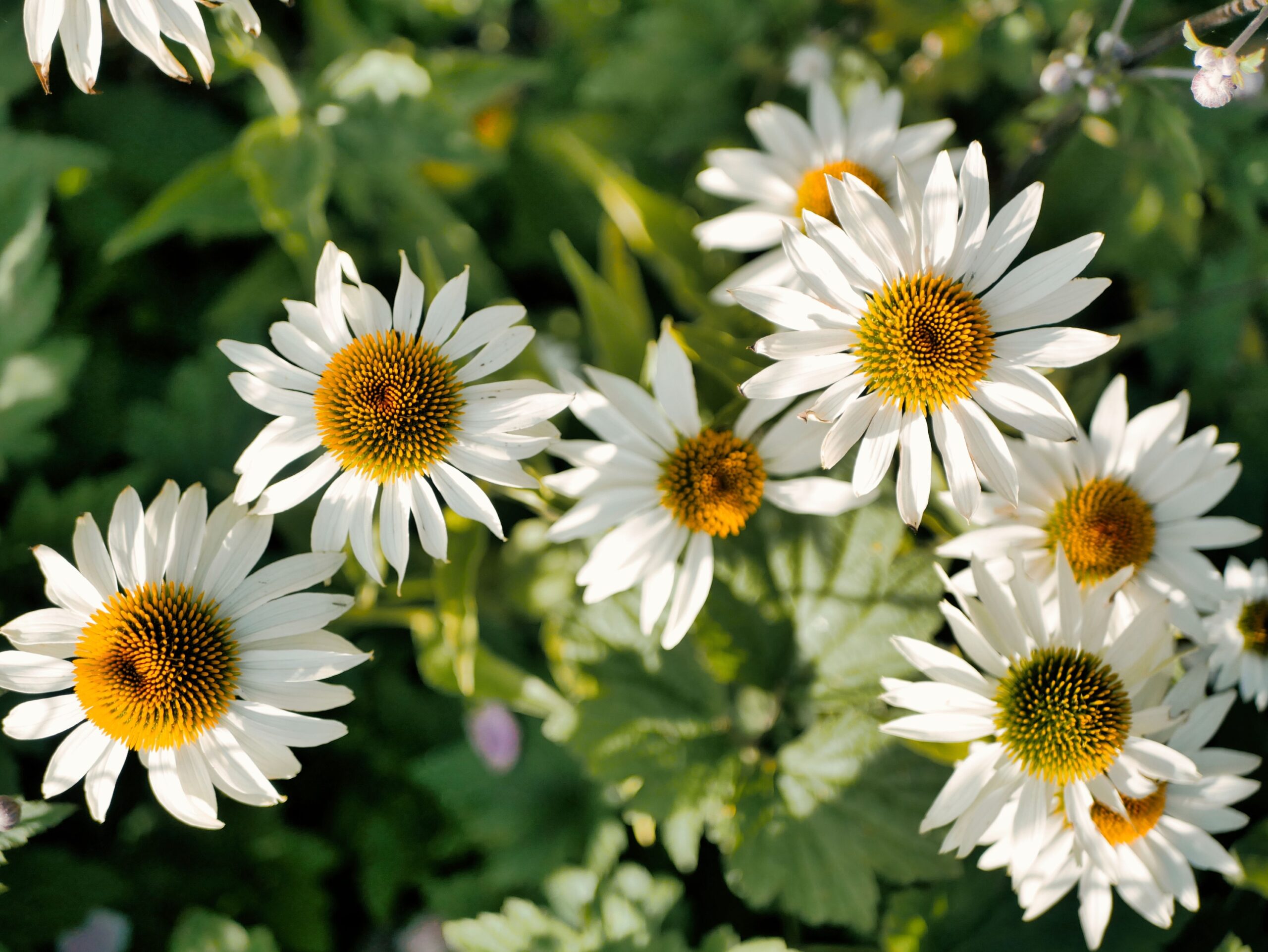

Anyone who has tried to keep a garden alive through a Southern California summer knows the drill. The sun is relentless, the coastal air swings between salty and dry, and water bills climb the moment a sprinkler runs a few extra minutes. Long Beach gardeners face a particular set of conditions, part beach town, part urban heat, that make some plants wilt and others practically shrug it off.
The good news is that a handful of perennials are built for exactly this kind of climate, and once established, they come back year after year with far less fuss than the average flower bed.
Why Long Beach’s Climate Rewards the Right Perennials
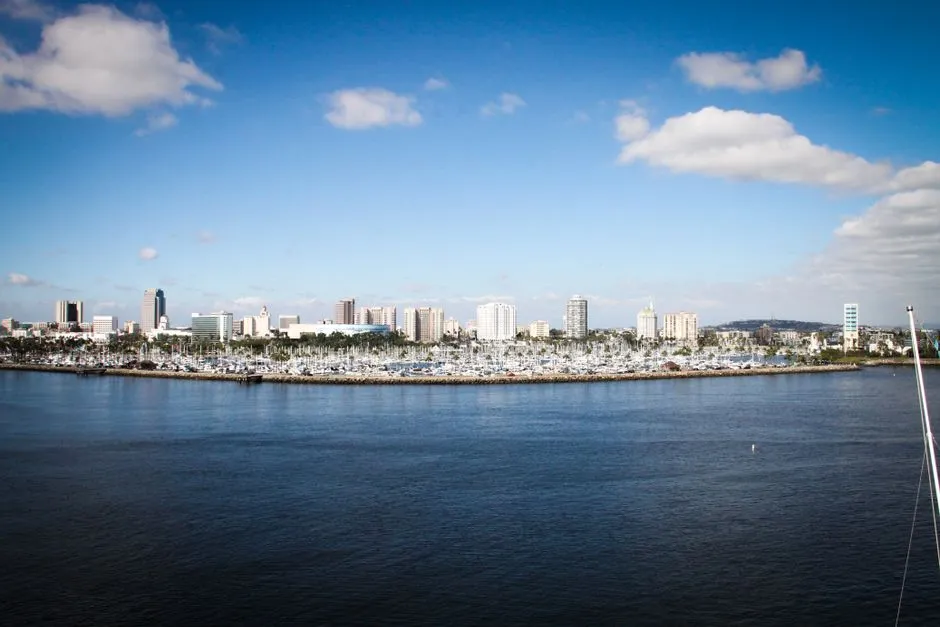
Long Beach sits mostly within USDA Hardiness Zone 10a, and some coastal pockets edge into 10b, meaning it experiences mild winters with average minimum temperatures ranging from 30 to 35 degrees Fahrenheit. That’s a huge advantage for gardeners because frost is rarely a concern, and the growing season stretches nearly year round.
The tradeoff is heat and dryness during the summer months, so plants that evolved in Mediterranean or arid climates tend to do far better than thirsty imports from cooler regions. Choosing perennials suited to this zone means less replanting, fewer losses to sudden cold snaps, and gardens that actually look better with age instead of needing a constant refresh.
Lavender: A Fragrant, Drought Tolerant Classic
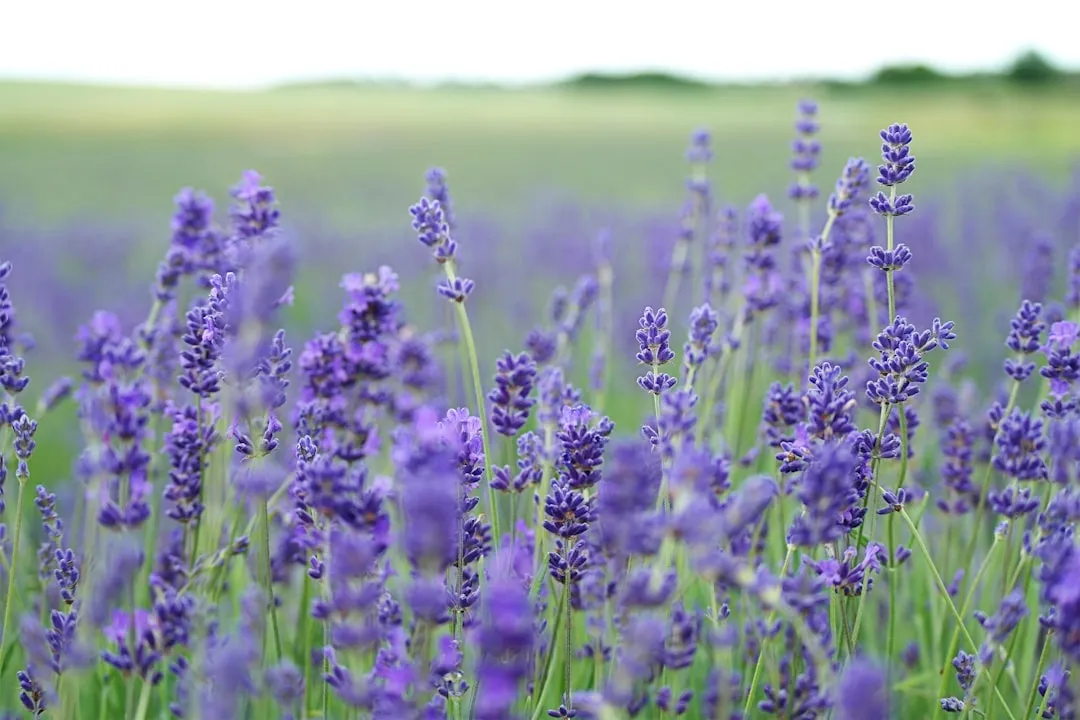
Lavender is one of the most reliable perennials for this part of California, and it’s easy to see why local garden guides keep recommending it. It handles poor soil, needs minimal irrigation once established, and rewards very little effort with silvery foliage and purple spikes that bloom for months.
Bees and other pollinators are drawn to it constantly, which adds a bit of quiet activity to any yard. Long Beach’s dry summers and mild winters happen to match lavender’s native Mediterranean origins almost perfectly, which is part of why it shows up so often in local landscaping advice.
Salvia: Nonstop Color for Pollinators
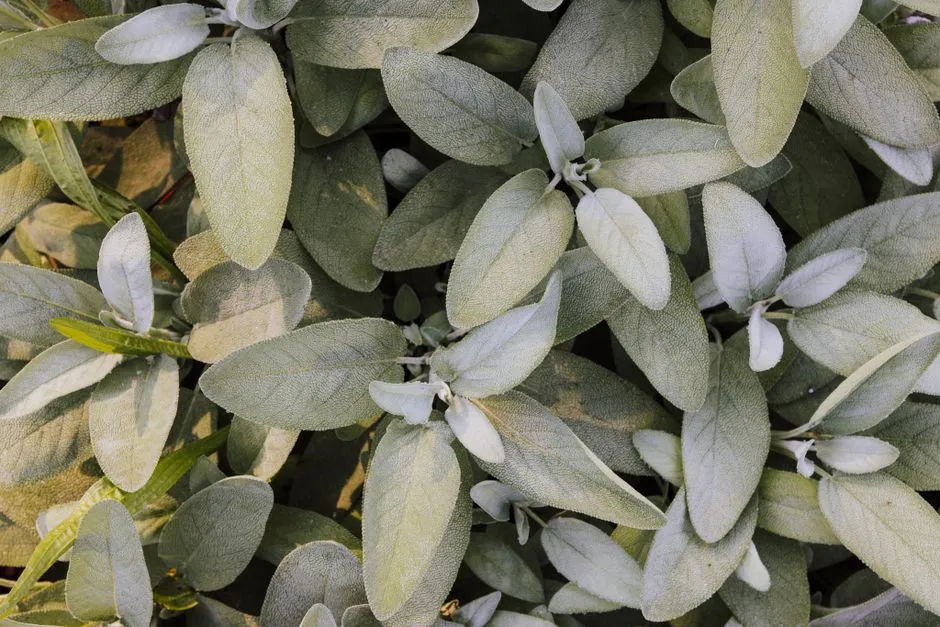
Salvia, commonly known as sage, is another perennial that local garden resources consistently point to for this region. As one Long Beach gardening guide puts it, Salvia is a hardy perennial that offers vibrant color and is drought-tolerant, perfect for Long Beach. The plant comes in dozens of varieties, from deep purple to fiery red, and many bloom nearly continuously through spring and summer. It’s also a magnet for hummingbirds, which makes it a favorite among gardeners who want a bit of wildlife activity without installing a feeder.
Agapanthus: Long Beach’s Signature Bloom
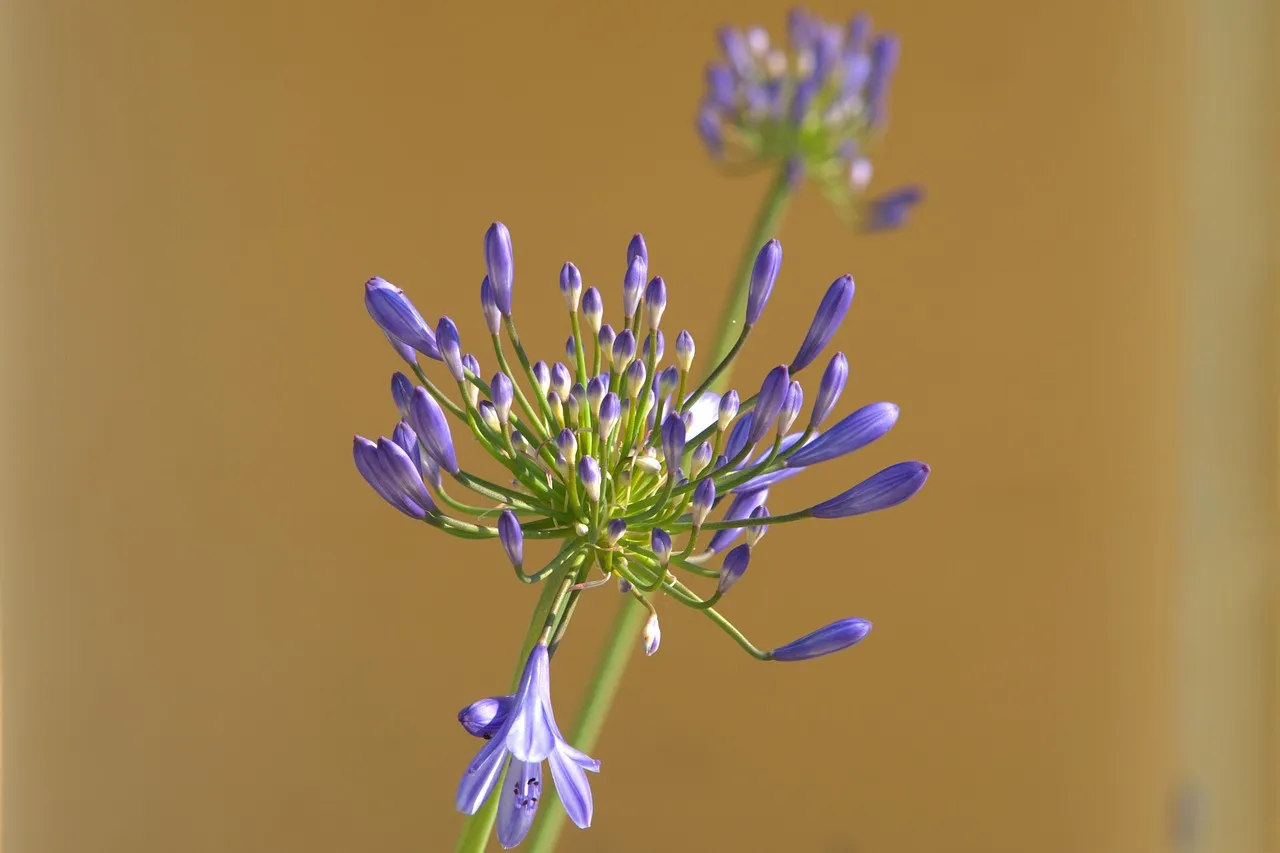
Drive through almost any older Long Beach neighborhood in late spring and you’ll spot clusters of Agapanthus, often called Lily of the Nile, lining walkways and parkways. Its tall stalks topped with round clusters of blue or white flowers have become something of a visual signature for Southern California front yards.
The plant tolerates both sun and partial shade, handles the region’s clay soils reasonably well, and needs surprisingly little water once its roots are established. It’s not flashy in the way a rose garden is, but its dependable, repeat performance each year has made it a staple rather than a trend.
California Fuchsia: A Native Favorite for Fall Color
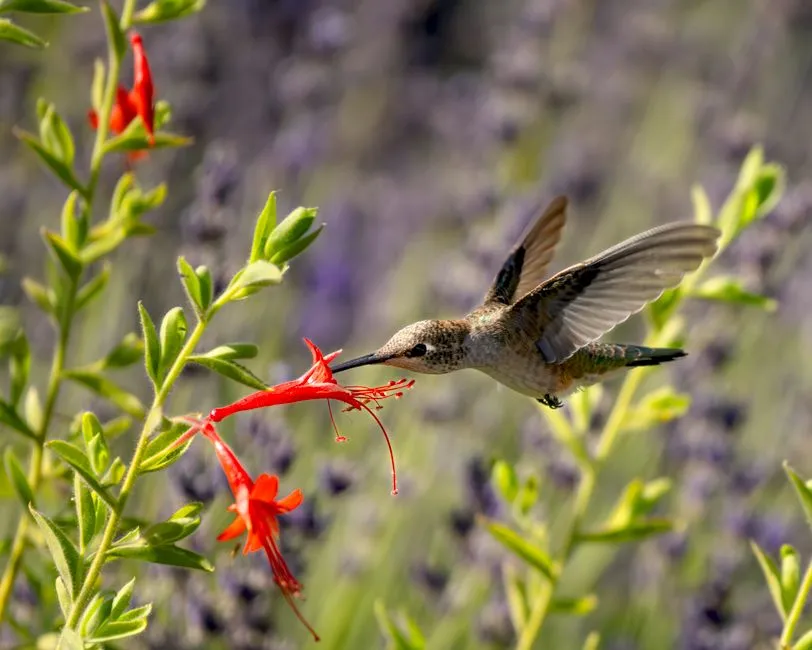
Most summer bloomers start fading by late August, but California Fuchsia does the opposite, hitting its stride just as other perennials wind down. Local landscape designers who work on native gardens in the area describe a hummingbird favorite with vivid red blooms through late summer to winter, which fills a real gap in seasonal color.
Because it’s a California native, it’s naturally adapted to the region’s dry season and needs very little supplemental water compared to non native alternatives. It also tends to qualify for local water conservation incentives, since it fits the definition of a California friendly plant used by area rebate programs.
Yarrow: Tough, Textured, and Pollinator Friendly
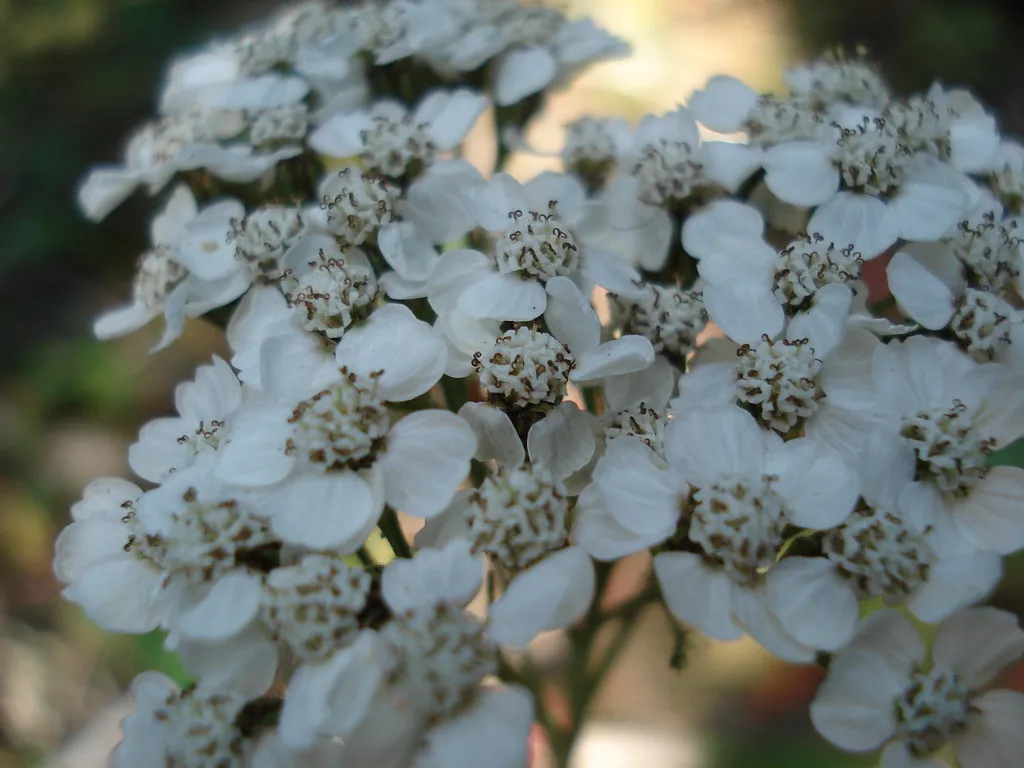
Yarrow is the kind of plant that quietly does its job without demanding much attention, which is exactly why it keeps showing up in drought tolerant garden designs across Long Beach. Its flat clusters of tiny flowers, usually white or pale yellow, sit atop soft, feathery foliage that adds texture even when nothing is in bloom.
One local native plant specialist describes it simply as soft foliage with white flowers that attract a wide range of pollinators. It spreads readily, tolerates poor soil, and holds up well in the kind of reflected heat you get near driveways, patios, or south facing walls.
Preparing Your Soil Before You Plant
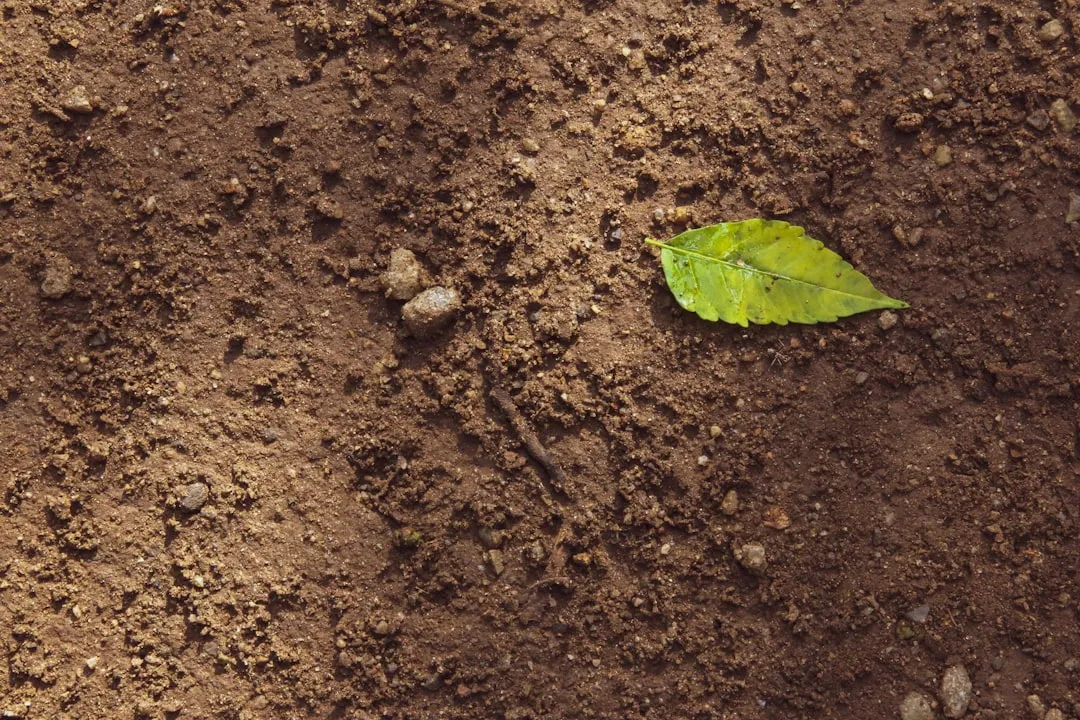
None of these perennials will perform at their best if they’re dropped into compacted, poorly draining soil, which is common in parts of Long Beach with heavy clay. Working in compost before planting improves drainage and gives roots room to establish without sitting in soggy ground after a rare heavy rain. Raised beds or mounded planting areas can also help, especially for Mediterranean natives like lavender and salvia that dislike wet feet. A little soil prep upfront saves a lot of replanting headaches later, particularly during the plant’s first summer in the ground.
Watering Wisely in a Water Conscious City
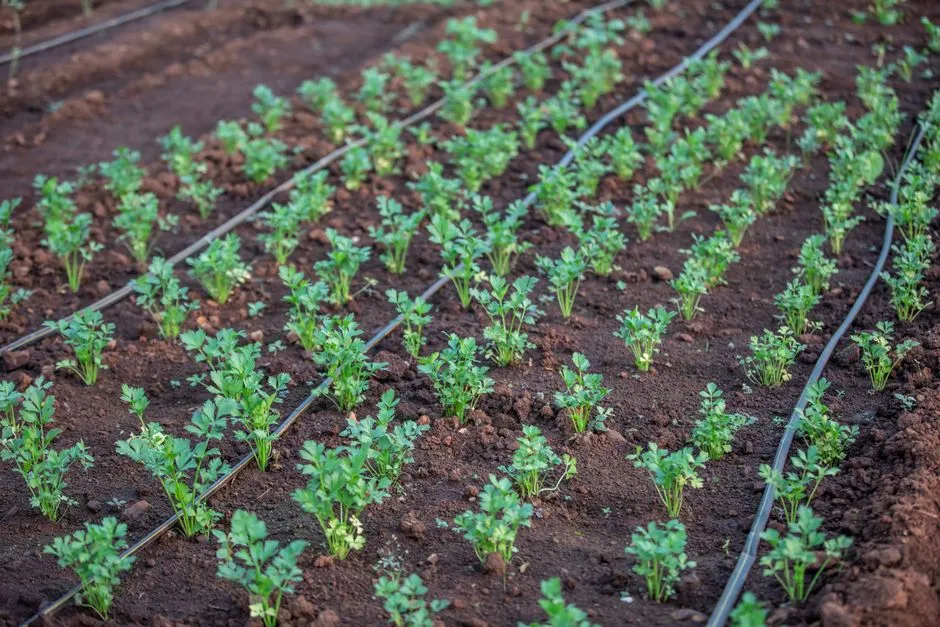
Long Beach has spent years pushing residents toward smarter irrigation, and drip systems have become the standard recommendation for a reason. Local water officials have noted that a Smart Irrigation Program encourages drip irrigation, which uses up to 85% less water compared to traditional sprinklers. For perennials like agapanthus and yarrow that don’t need frequent watering once mature, drip lines also prevent the kind of overwatering that can lead to root rot. Setting irrigation on a seasonal timer, rather than a fixed year round schedule, tends to keep these plants healthier and cuts down on wasted water during cooler months.
Take Advantage of Long Beach’s Lawn to Garden Rebate
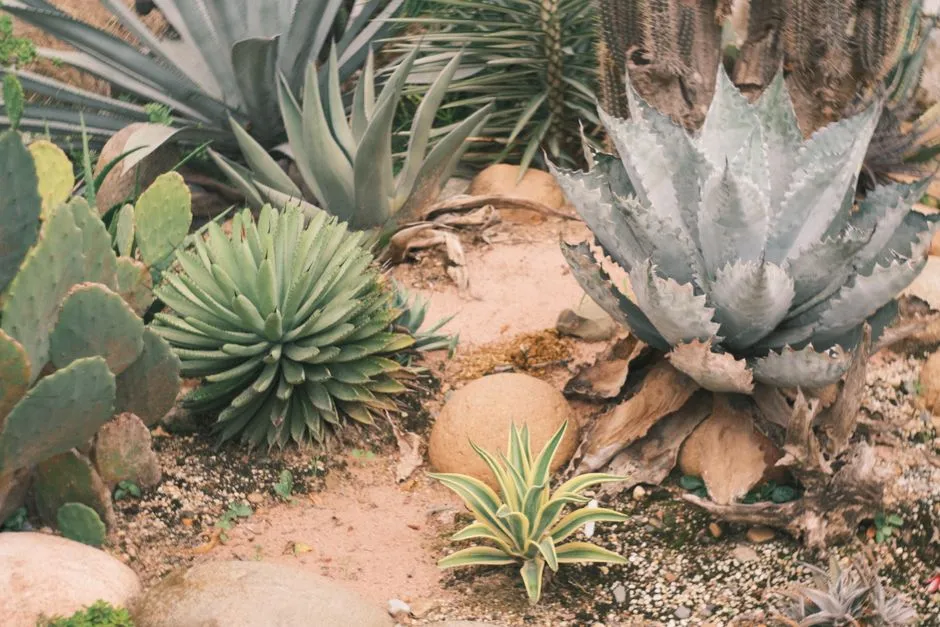
Homeowners thinking about swapping out a thirsty lawn for a perennial bed don’t have to cover the entire cost themselves. Long Beach’s Lawn to Garden program currently offers 3.00 per square foot for lawn removed up to 5,000 square feet, up to 1,500 reimbursed for the cost of a professional landscape design, and 100 per tree installed, with a maximum of five trees.
To qualify, projects must meet certain conditions, including the use of low-water California native and/or California-friendly plants and at least 65% plant coverage in the re-landscaped area at plant maturity. Since four of the five perennials mentioned here, lavender, salvia, agapanthus, and yarrow, along with the fully native California Fuchsia, are widely considered low water and California friendly, they’re a natural fit for a rebate eligible redesign.
Seasonal Care to Keep Perennials Thriving Year After Year
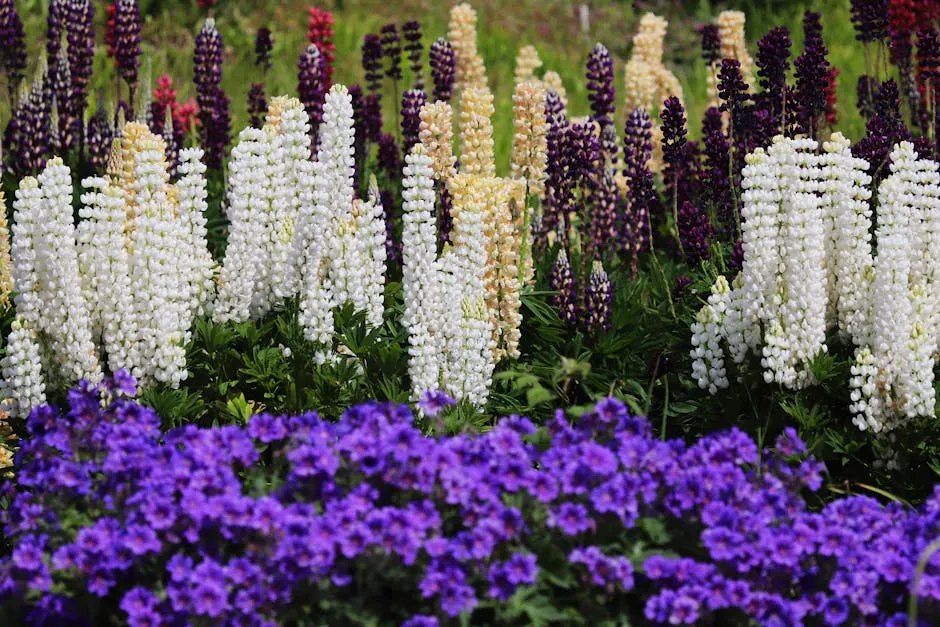
Even drought tolerant perennials benefit from a bit of seasonal attention rather than being left entirely alone. Light pruning in late fall or early spring keeps lavender and salvia from becoming woody and encourages fuller, more compact growth the following season.
Agapanthus can be divided every few years once clumps become crowded, which also gives gardeners extra plants to fill in other areas or share with neighbors. A modest layer of mulch in early summer helps retain soil moisture during the hottest stretch, reducing how often these plants need supplemental water in the first place.
Building a Garden That Lasts
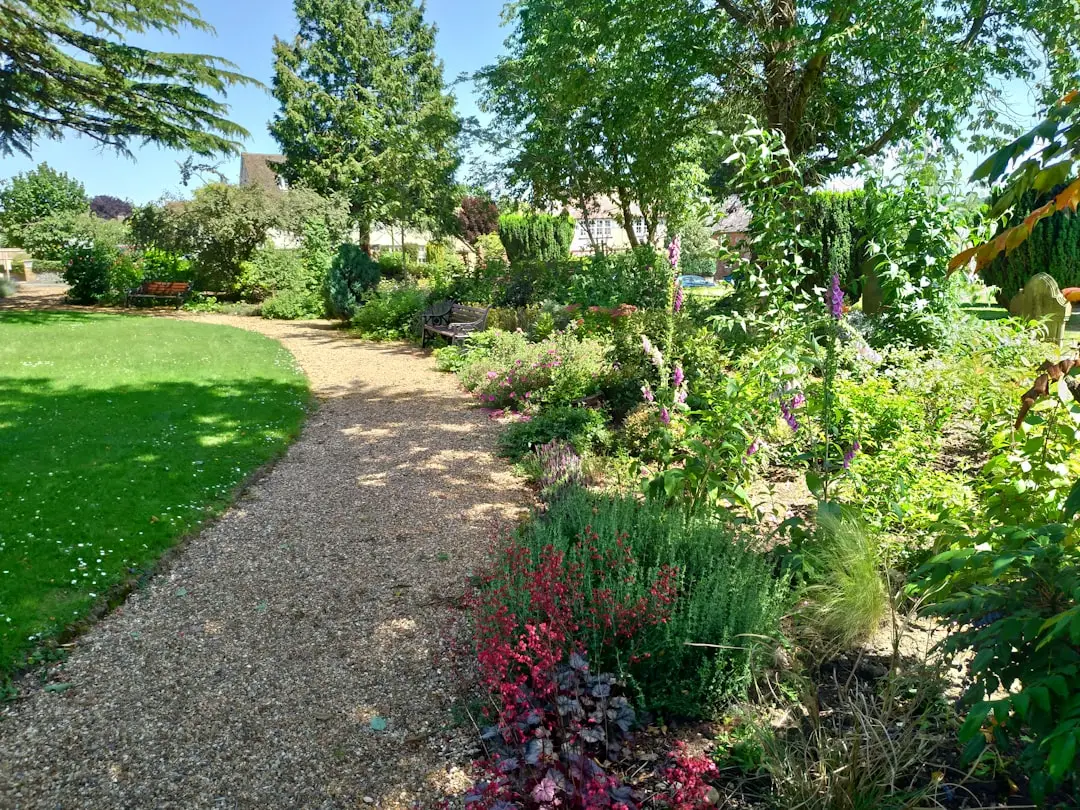
Long Beach’s climate isn’t always forgiving, but it happens to favor exactly the kind of tough, colorful perennials that reward patience over perfection. Lavender, salvia, agapanthus, California Fuchsia, and yarrow each bring something different to a yard, fragrance, pollinator activity, structure, seasonal color, and texture, while asking for relatively little in return.
Pair the right plant choices with smart soil prep, efficient irrigation, and the city’s existing rebate incentives, and a Long Beach garden can go from a seasonal chore to something that genuinely gets better with time.
AI Disclaimer: This article was created with the assistance of AI tools and reviewed by a human editor.