

Gardens in the Hollywood Hills come with a particular kind of tension. The views are spectacular, but so is the exposure. Neighbors perch above and below, the terrain is steep, and the sun is relentless for much of the year. Privacy, in that setting, isn’t a luxury. It’s practically a design requirement.
Landscape designers working in the Hills have increasingly turned to low-water, native, and adaptive plants that fulfill the need for privacy while also handling the region’s unforgiving slopes and dry spells. The good news is that the five plants below do exactly that, without demanding constant irrigation or fight-picking with the local climate.
Why Privacy Plants Matter More Than Fences Here
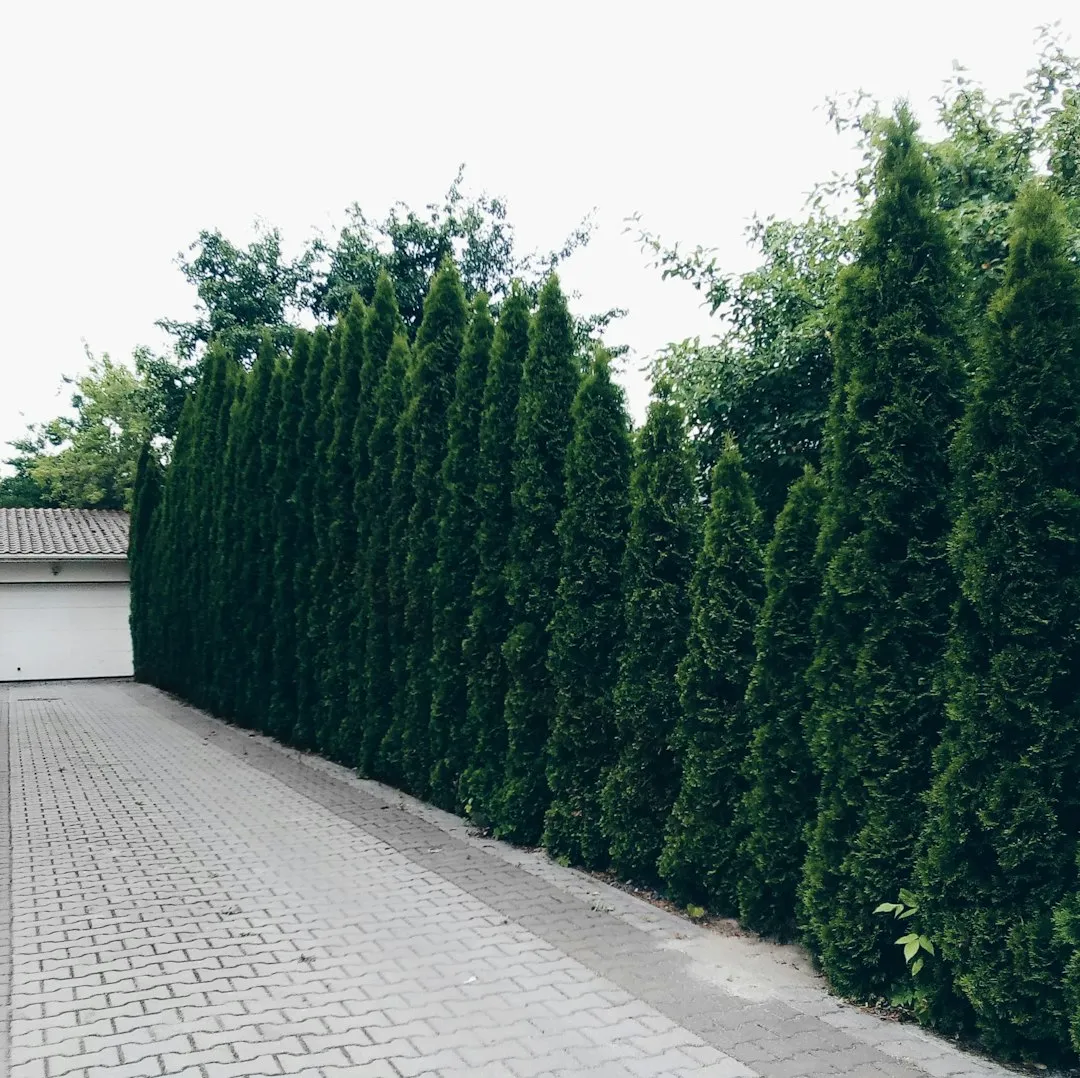
There’s a reason fences rarely feel like the right answer in the Hollywood Hills. The terrain is irregular, the lots are narrow or oddly shaped, and a solid wall can look harsh against the natural chaparral backdrop.
Creating a comfortable level of privacy is always one of the first priorities for landscape designers. A yard should feel welcoming without being overly exposed. Living plants handle that challenge more gracefully than timber or concrete ever will.
Plants not only provide an extra level of privacy, but can also add beauty to your yard by creating a more natural-looking barrier. In a hillside setting specifically, that naturalness matters a great deal.
The Climate Reality You’re Working With
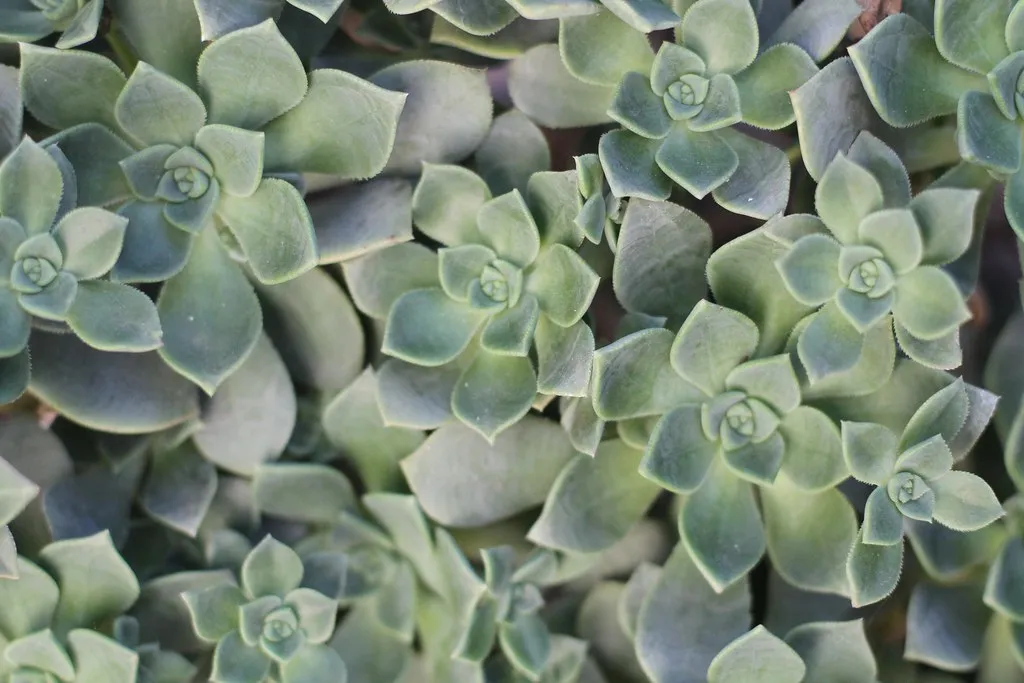
The Mediterranean climate, characterized by warm, dry summers and mild, wet winters, dictates the selection of plant species. Drought-tolerant plants are popular choices, ensuring gardens remain vibrant with minimal water usage, aligning with the increasing awareness and need for water conservation in California.
A summer thunderstorm is a rare sight in a region that blends desert landscapes with more temperate zones. Los Angeles wouldn’t exist without imported Colorado River water and the Los Angeles Aqueduct, which transports water from the Owens Valley over 200 miles away.
That context shapes every plant choice. Picking something that demands constant moisture isn’t just expensive – it’s genuinely out of step with how Southern California works.
Plant 1: Toyon (California Holly)
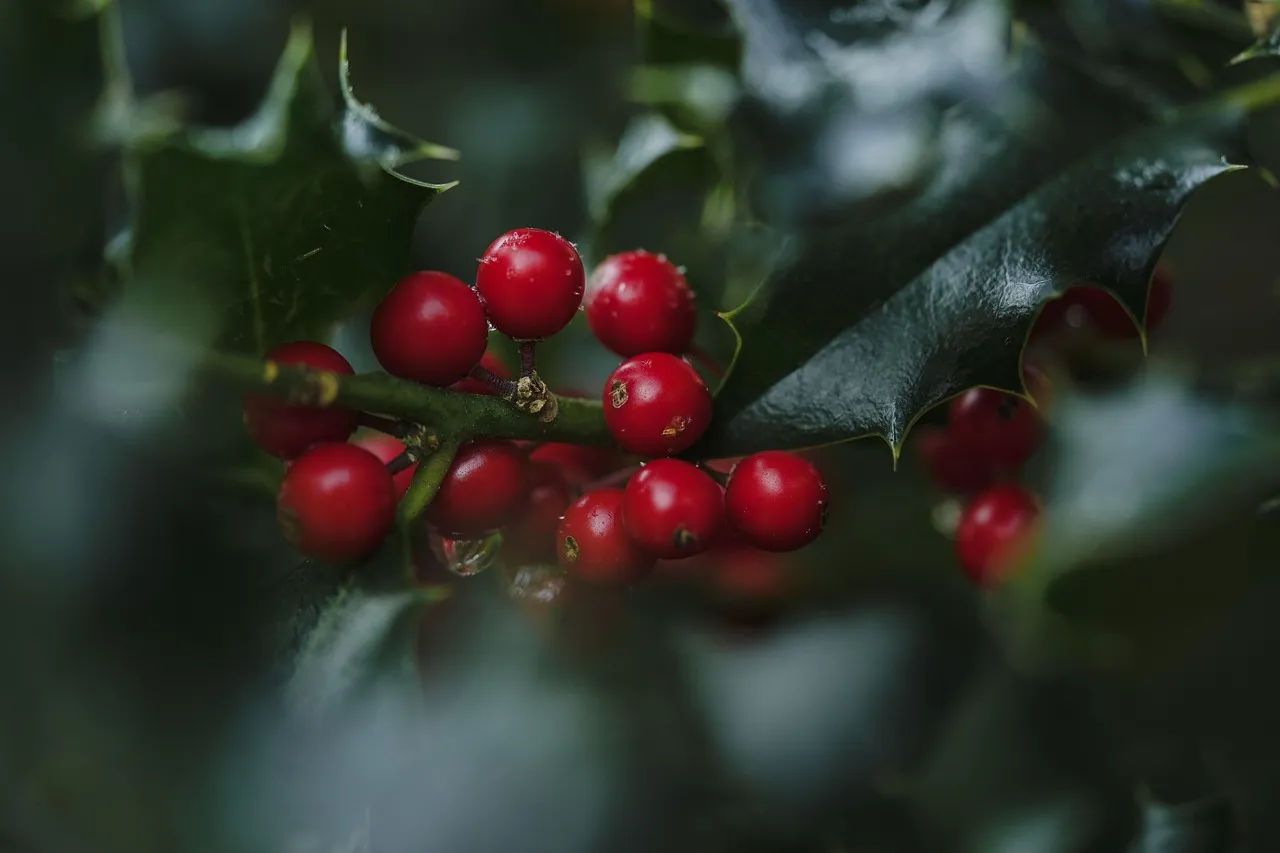
Toyon (Heteromeles arbutifolia) is a drought-tolerant, fire-resistant California native shrub that grows 6 to 15 feet tall and produces bright red berries from November through January. It’s one of the most practical privacy choices available for hillside gardens.
According to the California Native Plant Society, toyon supports over 20 bird species and thrives in USDA zones 8 through 11 with no supplemental irrigation once established, typically within two to three years of planting.
It is also Los Angeles’s official native plant – adaptable, easy-to-grow, and works well as a specimen shrub, in a privacy hedge, or as a container plant. There’s even a historical wrinkle worth knowing: the name “Hollywood” may derive from the abundant toyon once growing in those Southern California hills.
What Makes Toyon Stand Out for Hillside Planting
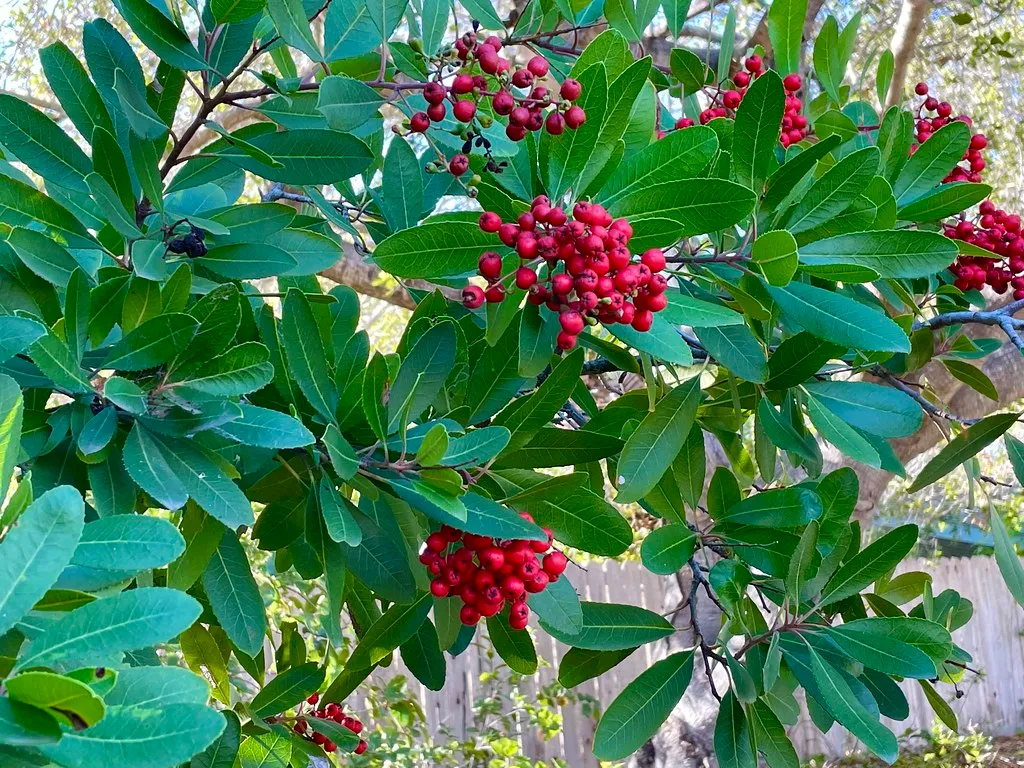
The shrub grows 6 to 10 feet tall, tolerates clay, adapts to shade or full sun, and survives entirely on rainfall with no supplemental irrigation. Waxy, moisture-rich leaves make it a smart choice for fire-prone hillsides too.
Toyon makes an excellent privacy screen. Prune after berries drop to maintain shape, and space plants 4 to 6 feet apart for a dense hedge.
Use it as a privacy screen or wildlife hedge – by year three it fills in beautifully. For a Hollywood Hills garden where the slope makes maintenance tricky, that low-input payoff is hard to beat.
Plant 2: Italian Cypress
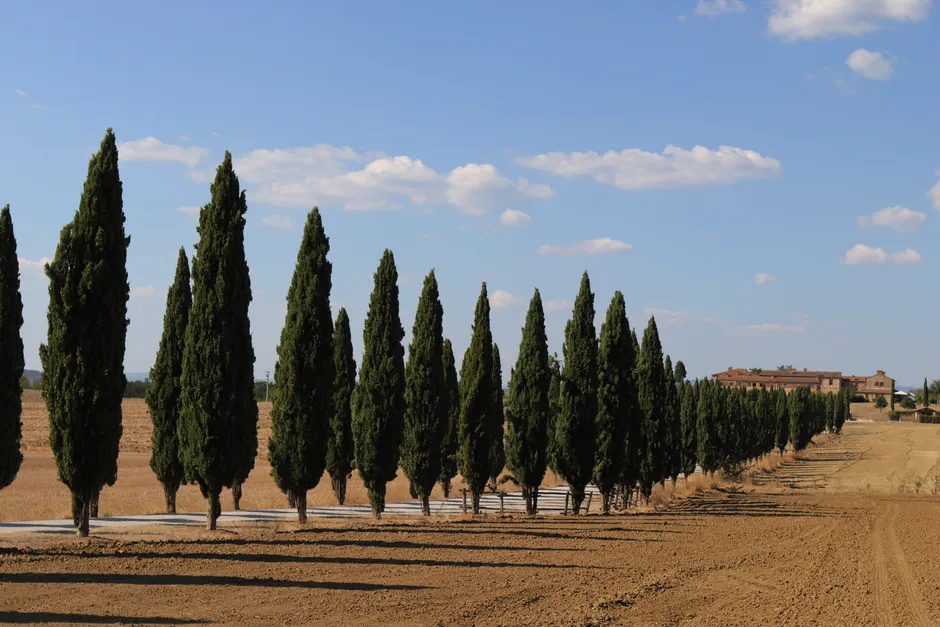
The Italian Cypress, with its tall, slender form, is like a living sculpture gracing Southern California landscapes. Renowned for its distinct columnar shape, it lends an air of Mediterranean elegance. This drought-tolerant beauty thrives in full sun, reaching skyward to 40 to 60 feet, making it perfect for screening large areas or adding vertical interest.
Italian Cypress trees are considered easy growing and need little intervention after their first year of becoming acclimated to your property. They’re drought tolerant and do well in the semi-arid Southern California climate.
Their vertical footprint is a genuine advantage in a space-limited hillside garden. You get maximum height with minimal lateral spread, which means you’re not sacrificing usable outdoor space just to gain a privacy screen.
Plant 3: Lemonade Berry (Rhus integrifolia)
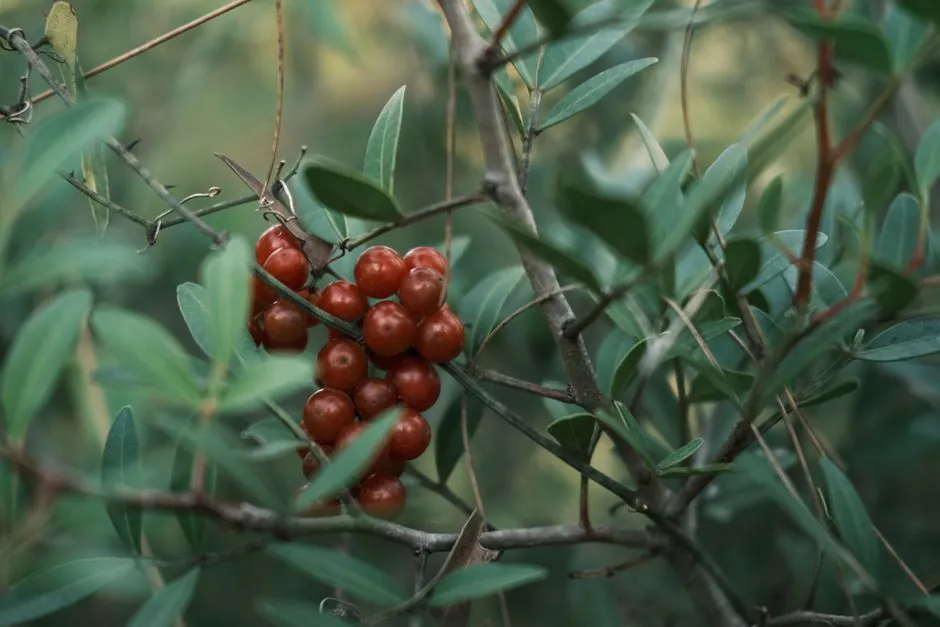
Both Lemonade Berry and its close relative are evergreen, drought tolerant, and reasonably carefree once established. The Rhus is naturally a bit broader than the Cercocarpus. California native plant communities have consistently recommended it as one of the top privacy choices in the region.
The shrub grows 6 to 10 feet tall, tolerates clay, adapts to shade or full sun, and survives entirely on rainfall with no supplemental irrigation. Waxy, moisture-rich leaves make it a smart choice for fire-prone hillsides too.
Lemonade Berry offers aesthetic appeal while being drought-tolerant, and its dense, leathery foliage creates a genuinely solid visual barrier. It’s one of those plants that rewards patience – slow to start, formidable once settled.
Plant 4: Purple Hopseed Bush (Dodonaea viscosa ‘Purpurea’)
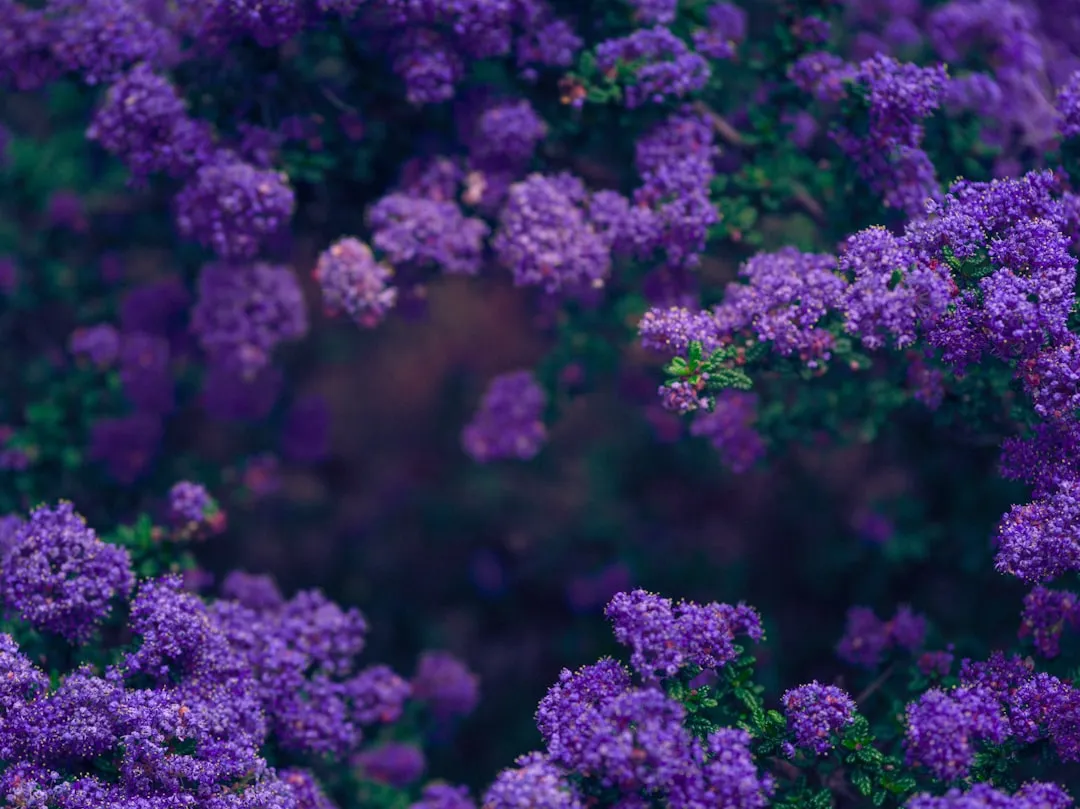
Purple Hopseed, known for its unique purple foliage, offers both privacy and a splash of color. This fast-growing shrub is ideal for creating a quick and effective privacy screen and is drought-tolerant, thriving in Southern California’s climate.
The hopseed bush is most useful as a privacy hedge or filler plant. It is an upright growing shrub that can reach up to 10 feet tall, but it can easily be kept smaller with some shearing.
The hopseed bush can be drought tolerant if established with deep watering in well-drained soil, making it ideal for Southern California. The deep purple color also gives Hollywood Hills gardens a richness that plain green hedges can’t quite match.
Plant 5: Bay Laurel
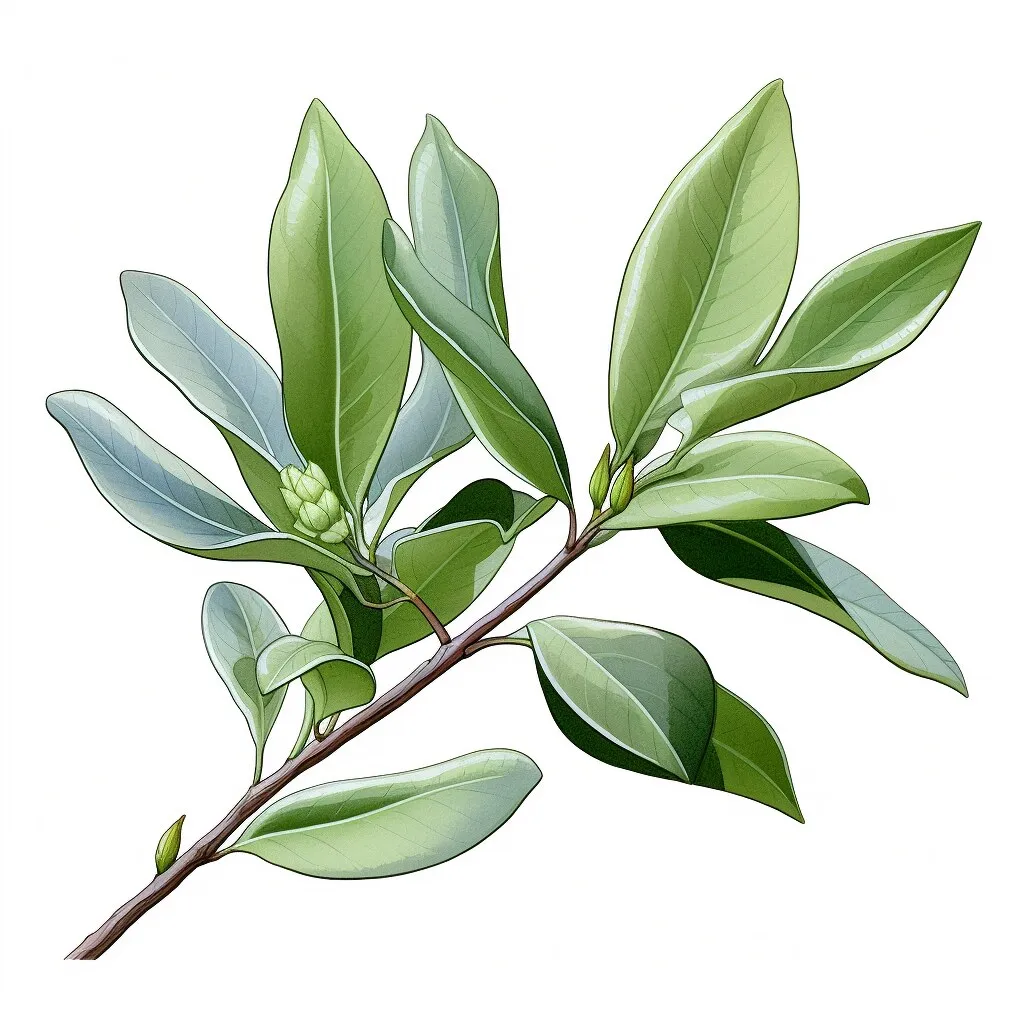
Bay Laurel is an evergreen tree known for its aromatic leaves, which are commonly used in cooking. It can be pruned into a hedge or left to grow as a small tree. Bay Laurel is drought-tolerant and thrives in the Southern California climate, making it both a practical and attractive addition to any garden.
This Mediterranean-origin evergreen offers dual benefits – creating privacy and providing aromatic leaves for cooking. It can grow to substantial heights, making it ideal for privacy screening. While it needs regular watering initially, it becomes quite drought-tolerant once established.
Few plants earn their keep quite so completely. Bay Laurel is essentially a culinary herb, a privacy hedge, and a visually refined garden anchor all in one. For a hillside property where every plant has to justify its presence, that kind of multitasking is genuinely useful.
Fire Resistance: A Factor You Cannot Ignore
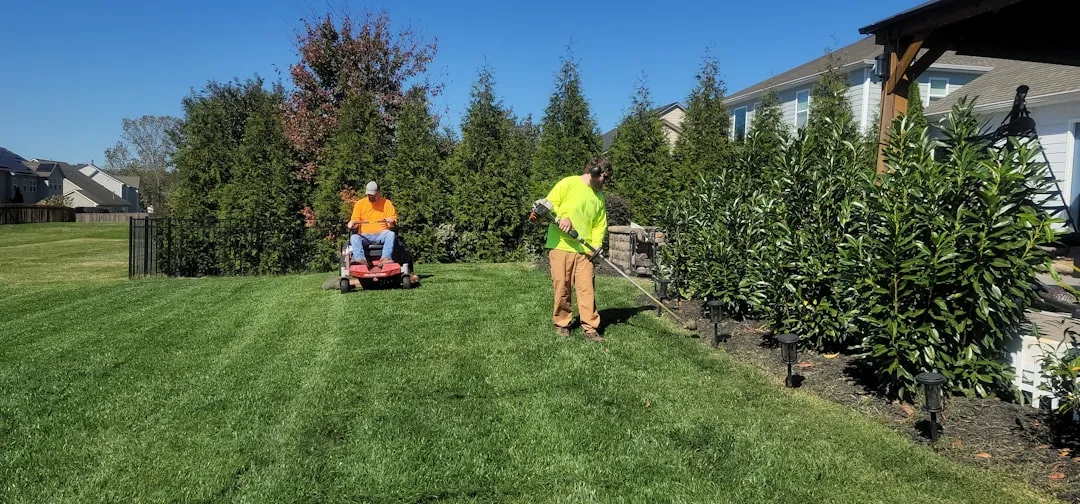
Given the fire history of the Hills and surrounding areas, plant selection carries a real safety dimension here. Firescaping uses landscaping techniques, native plants, and best management practices to protect your home from wildfires.
A mix of native, drought tolerant and fire resistant plantings can hold the slope on hillside properties while still creating attractive, functional outdoor spaces. Toyon, Lemonade Berry, and Hopseed are all repeatedly noted in Southern California landscaping guidance for their fire-resistance characteristics.
This isn’t just a garden aesthetics question anymore. Post-2025, fire-conscious planting has become a baseline expectation for responsible landscaping in the Hollywood Hills area.
Spacing, Soil, and Timing Tips
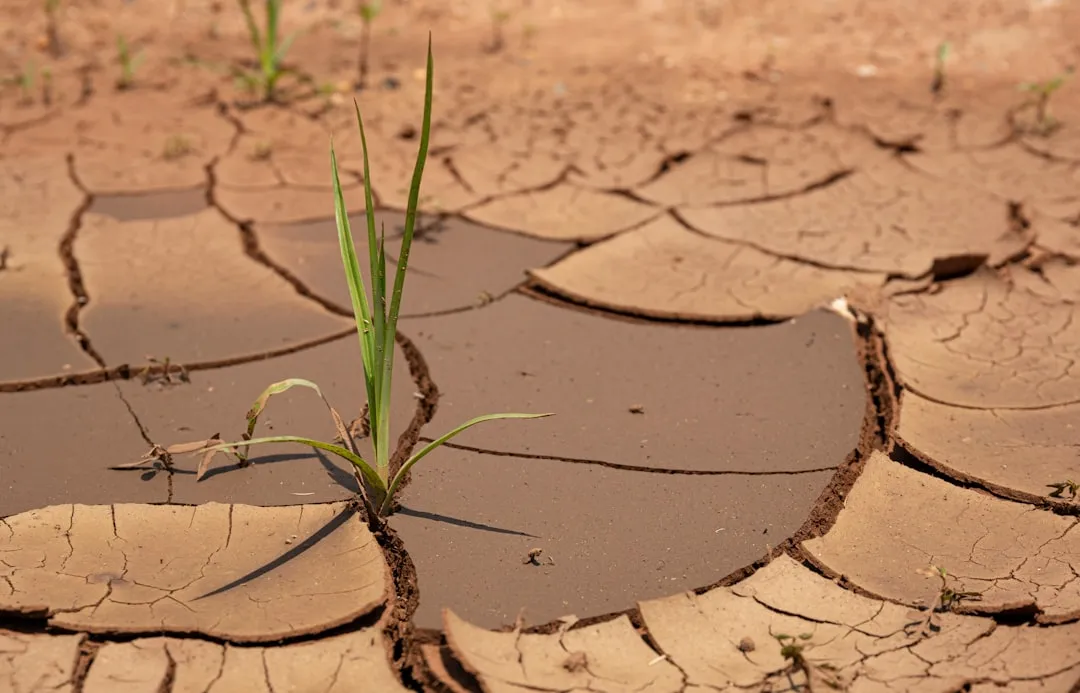
Drought-tolerant plants are those that have evolved to survive with minimal water. These plants often come from regions with Mediterranean or desert climates, where water scarcity is a natural part of the environment. In Southern California, plants that are native to the area or have similar climate adaptations are ideal for water-conscious gardening.
Native plants adapted to California’s nutrient-poor soils generally perform worse with added fertilizer, producing weak, leggy growth that’s more susceptible to pests and diseases. Resist the instinct to over-fertilize or over-water in the early weeks.
For best results, plant in fall or early winter when the rains begin. That gives root systems several months to establish before the first dry summer hits – and dramatically reduces how much supplemental irrigation these plants will need in years two and three.
Combining Plants for a Layered Privacy Screen
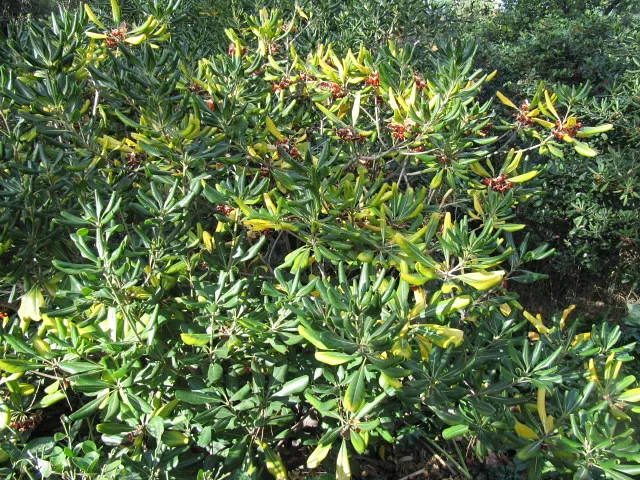
For homeowners in Los Angeles, a mass planting of Deer Grass with Toyon behind it creates a full low-maintenance native landscape with virtually zero ongoing input. The same layering principle applies when combining any of the five plants above.
Privacy screening is one of the most practical landscaping goals, and California natives can deliver it without the water demand of traditional hedges. Toyon reaches 6 to 10 feet within 3 to 4 years, dense year-round foliage, and tolerates shade and clay.
A workable combination for a Hollywood Hills garden: Italian Cypress at the back for vertical height, Hopseed and Bay Laurel in the mid-layer for density, and Toyon or Lemonade Berry at the slope edges for erosion control and wildlife habitat. You end up with something that looks considered, grows together naturally, and doesn’t need constant attention.
The Bigger Picture: Privacy With Purpose
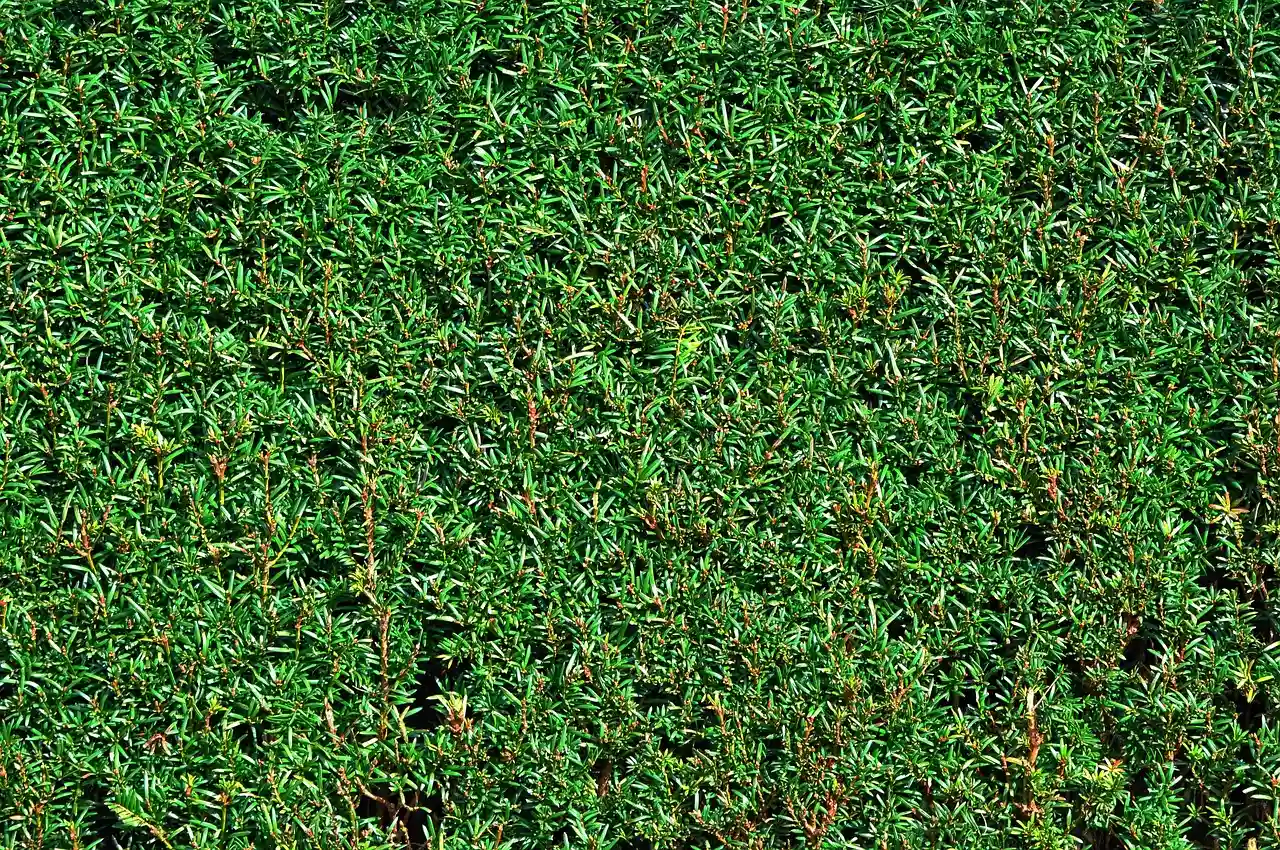
Gardeners are adapting to the challenges of a changing world by embracing new approaches to gardening, updating traditional methods along with a fresh perspective on the role of gardens in daily life. In the Hollywood Hills, that shift is especially visible.
The use of native plants not only enhances the natural beauty of these spaces but also supports local wildlife, promoting biodiversity. A privacy hedge that also feeds birds, filters air, and stabilizes a hillside is doing far more work than a wooden fence.
There’s something quietly satisfying about that. The best gardens in the Hills have always been the ones that work with the landscape rather than against it. These five plants are exactly that kind of ally.
AI Disclaimer: This article was created with the assistance of AI tools and reviewed by a human editor.