

There’s something about October light falling through a canopy of burning red and gold that makes you want to sit still and just watch. Most people chase that feeling on weekend drives through the countryside, but the truth is you can bring it home. The right trees, planted with a little intention, will transform an ordinary garden into something genuinely spectacular every single year.
This gallery covers five trees that earn their place in any autumn garden, from the grand and iconic to the quietly underrated. Each one has real horticultural credentials, not just pretty pictures to its name.
Tree 1: Sugar Maple (Acer saccharum) – The Gold Standard of Fall
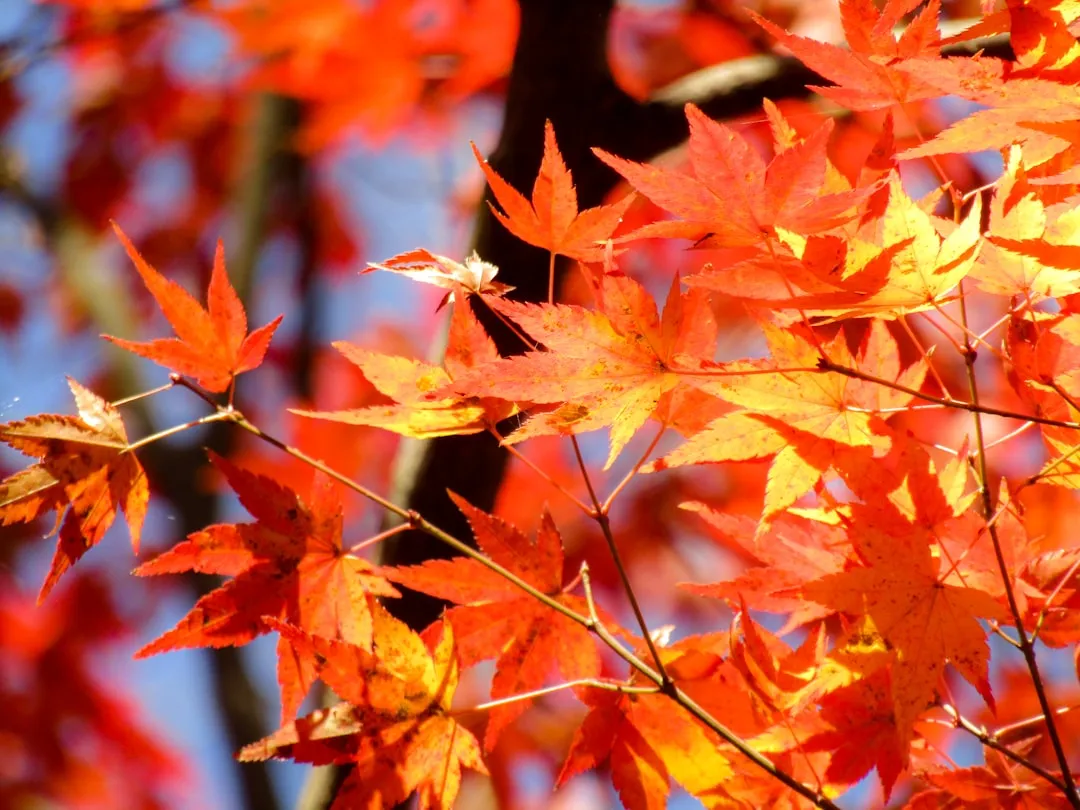
Known best for its ability to produce sweet sap for maple syrup, the Sugar Maple is also the backbone of New England’s stunning fall foliage. As temperatures cool and days shorten each fall, its leaves change to warm hues ranging from yellow to bright orange and deep red. The bright colors actually exist in the leaves all summer, but the dominant green chlorophyll breaks down in cooler weather to reveal them.
The sugar maple typically grows to between 60 and 80 feet and prefers well-drained soil and full sun. Exceptional individual trees can reach nearly 150 feet in height, but most mature trees range from 80 to 100 feet. When healthy, the sugar maple can live for more than 400 years.
If you want a multicolored show, choose a sugar maple. These trees can turn red, orange, or yellow in the fall, sometimes all on the same tree. They need room to spread, so avoid planting them in a confined space. Sugar maples thrive in full or partial sun with moist, well-draining soil.
Tree 2: Japanese Maple (Acer palmatum) – Small Tree, Extraordinary Color
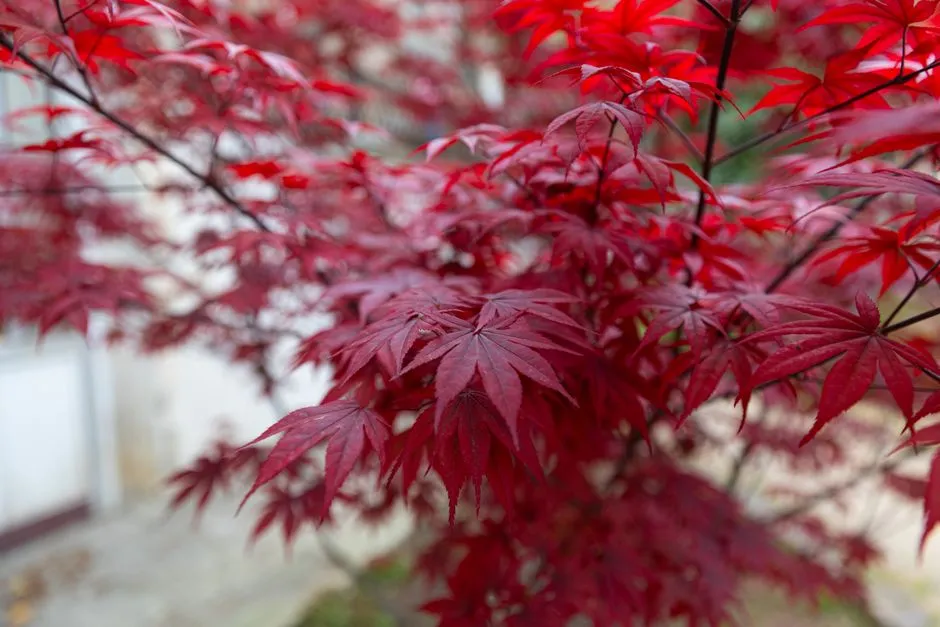
With more than a thousand varieties and cultivars including hybrids, the iconic Japanese maple is among the most versatile small trees for use in the landscape. Japanese maples can display a wide range of colors in fall. From bright yellow to fiery red to neon orange, there are a multitude of varieties that will display a range of these colors and can be added to your garden.
This small tree typically reaches a height of 15 to 25 feet and prefers partial shade. Its leaves transform into bright orange, red, or yellow hues in the fall, creating a breathtaking sight. Japanese maples are native to areas of Japan, Korea, China, and Russia. In Japan, the maple is called the “autumn welcoming tree” and is planted in the western portion of gardens, the direction from which fall arrives there.
Cooler temperatures, particularly during the nights, trigger the breakdown of chlorophyll and contribute to the emergence of vivid fall colors. Hotter climates can often lead to leaf burn later in the summer that will limit Japanese maples from reaching their full fall color potential. Japanese maple trees are particularly suitable for borders and ornamental paths because their root systems are compact and not invasive.
Tree 3: Ginkgo biloba (Maidenhair Tree) – A Living Fossil in Golden Form
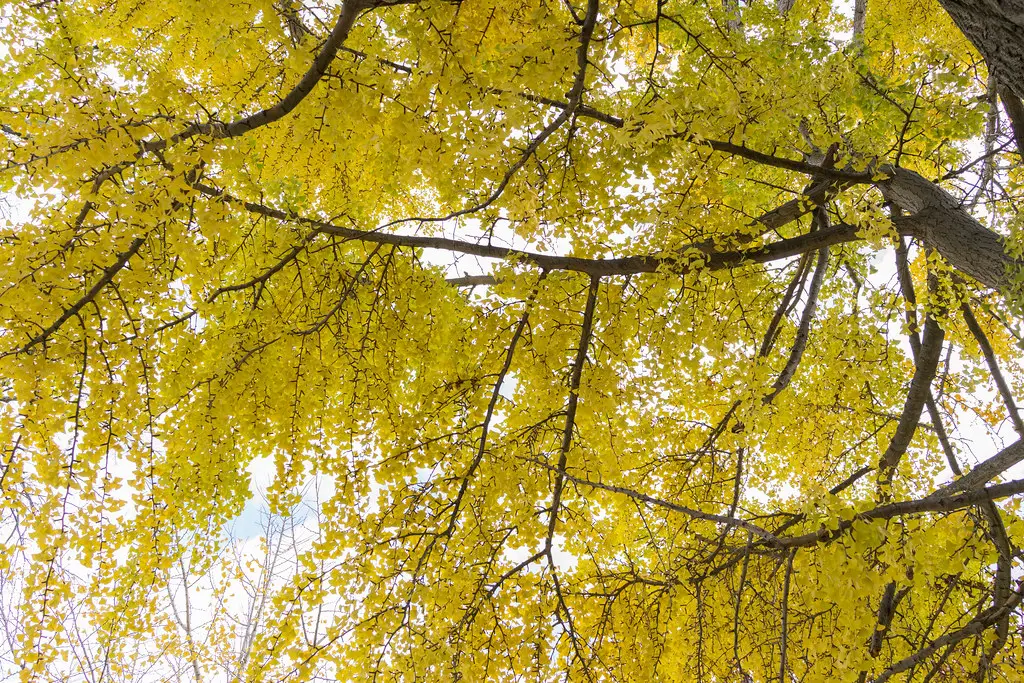
Ginkgo trees, or Ginkgo biloba, are some of the most remarkable trees, often referred to as “living fossils.” They have existed for millions of years, with fossil records indicating their presence worldwide long before modern trees emerged. Ginkgo trees have beautiful green leaves that turn a luminous golden-yellow in autumn.
The ginkgo has a cone-like shape when young and becomes irregularly rounded as it ages. The leaves are fan-shaped, up to three inches long, with a petiole that is also up to three inches long. This shape and the elongated petiole cause the foliage to flutter in the slightest breeze.
Ginkgo biloba is extremely hardy, tolerating a wide range of temperatures and conditions. It is suitable for USDA zones 3 to 9. The biggest drawback of ginkgos is that female trees produce bad-smelling fruit, so make sure you only plant males. Ginkgoes prefer well-drained soil and can thrive in a variety of soil types, including clay, loam, and sandy soils.
Tree 4: Black Gum / Black Tupelo (Nyssa sylvatica) – The Unsung Hero of Autumn
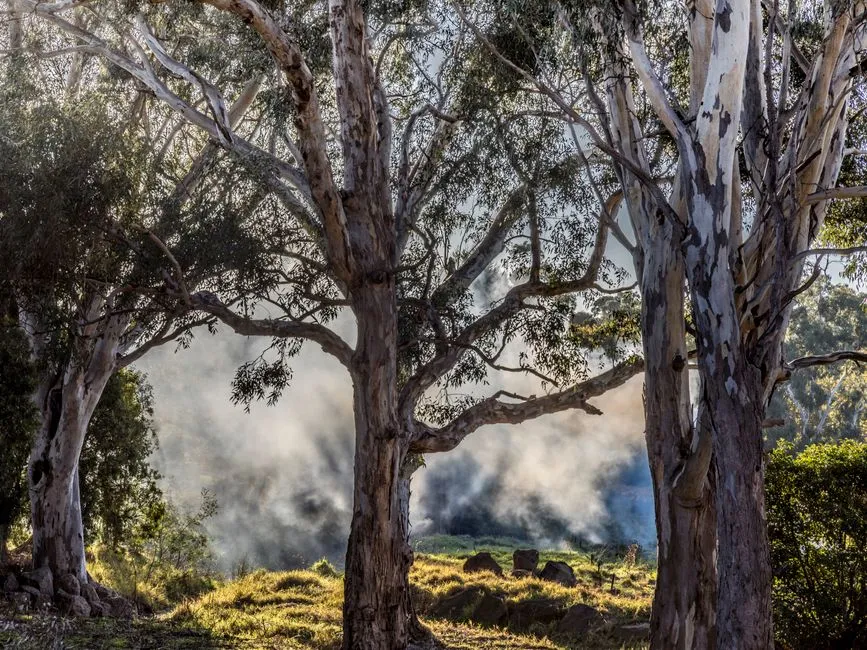
Black gum, also called black tupelo, is a medium to large growing deciduous tree native to USDA zones 4 to 9. Few trees are able to compete with black gum in regard to summer and fall color. In September, its dark green foliage gives way to intense red fall color with hues of orange, yellow, and purple, making it a wonderful selection for home landscapes.
If you are looking for early-season fall color, look no further than black gum trees. They are often among the first to start changing colors in the fall, producing incredibly intense red foliage in mid-to-late September or early October. Early color changers, they turn bright scarlet or purple in late summer, well before the first frost.
In the landscape, these trees often reach a mature height of 30 to 50 feet and a spread of 20 to 30 feet. This native tree is incredibly adaptable, thriving where other trees struggle. It also provides berries for birds and supports native pollinators. It is a valuable nectar source for native bees and pollinators. Tupelo trees produce nectar-rich flowers that are highly attractive to bees.
Tree 5: Sweetgum (Liquidambar styraciflua) – The Kaleidoscope of the Garden
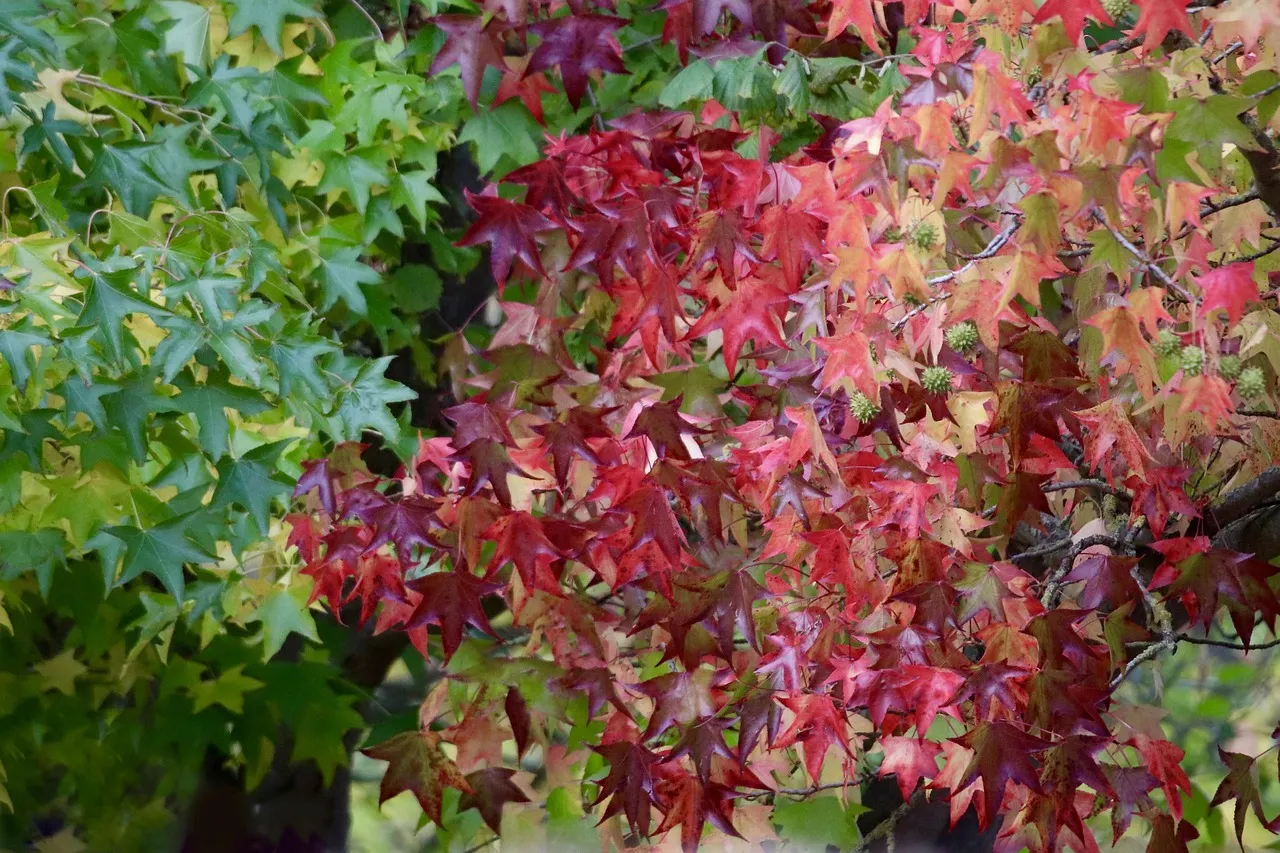
The Sweetgum tree is a four-season stunner with unmatched fall color, signature star-shaped leaves, and sculptural beauty. This native hardwood tree has been a landscape favorite for generations. Its upright, stately habit and dazzling foliage deliver shade, wildlife value, and architectural interest across urban and rural settings alike.
Sweetgum trees excel as fast-growing shade trees that provide four-season interest with their distinctive star-shaped leaves and brilliant fall colors in oranges, reds, and purples. They are hardy in USDA zones 5 to 9, reaching 40 to 70 feet tall depending on variety, and offer high wildlife value for birds and small mammals.
From improved cultivars that reduce gum ball drop to compact columnar selections ideal for small spaces, today’s Sweetgum varieties offer modern solutions to age-old tree problems. It is a native of the American east with a potential four-century life span. Birds and squirrels feed on the seed balls, and pollinators shelter in the branches. Sweetgums also improve air quality and absorb pollutants.
Why Leaves Change Color: The Science Behind the Show
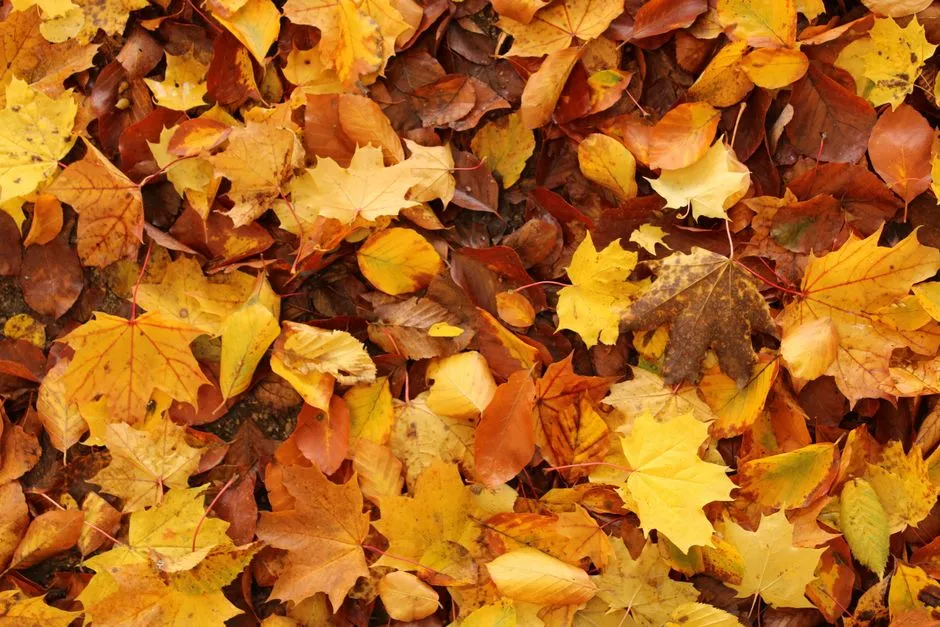
As the days shorten and temperatures drop, chlorophyll, which causes the green color in leaves, begins to break down. This reveals the yellows and oranges beneath and encourages the creation of anthocyanin, which creates the brilliant reds and purples you see in autumn foliage.
Best color occurs during autumn when the shortening days are bright, sunny, and cool, when nights are cool but not below freezing, and when the trees are healthy and not stressed by drought or pests. Yellow and orange carotenoid colors emerge as the green chlorophyll fades. Red hues, caused by anthocyanins, develop when sunlight is bright and phosphate moves from leaves into roots. The brighter the sun, the more anthocyanin and the more brilliant the color.
Fall color varies quite a bit from year to year, and is largely controlled by available water from precipitation and changes in temperature. The absolute best color comes from warm, sunny days followed by cool nights.
How to Choose the Right Tree for Your Garden Size
Some trees and shrubs thrive better in colder climates, while others prefer milder temperatures. Garden size matters enormously when you are selecting for fall foliage, and the wrong tree in the wrong space can cause years of frustration.
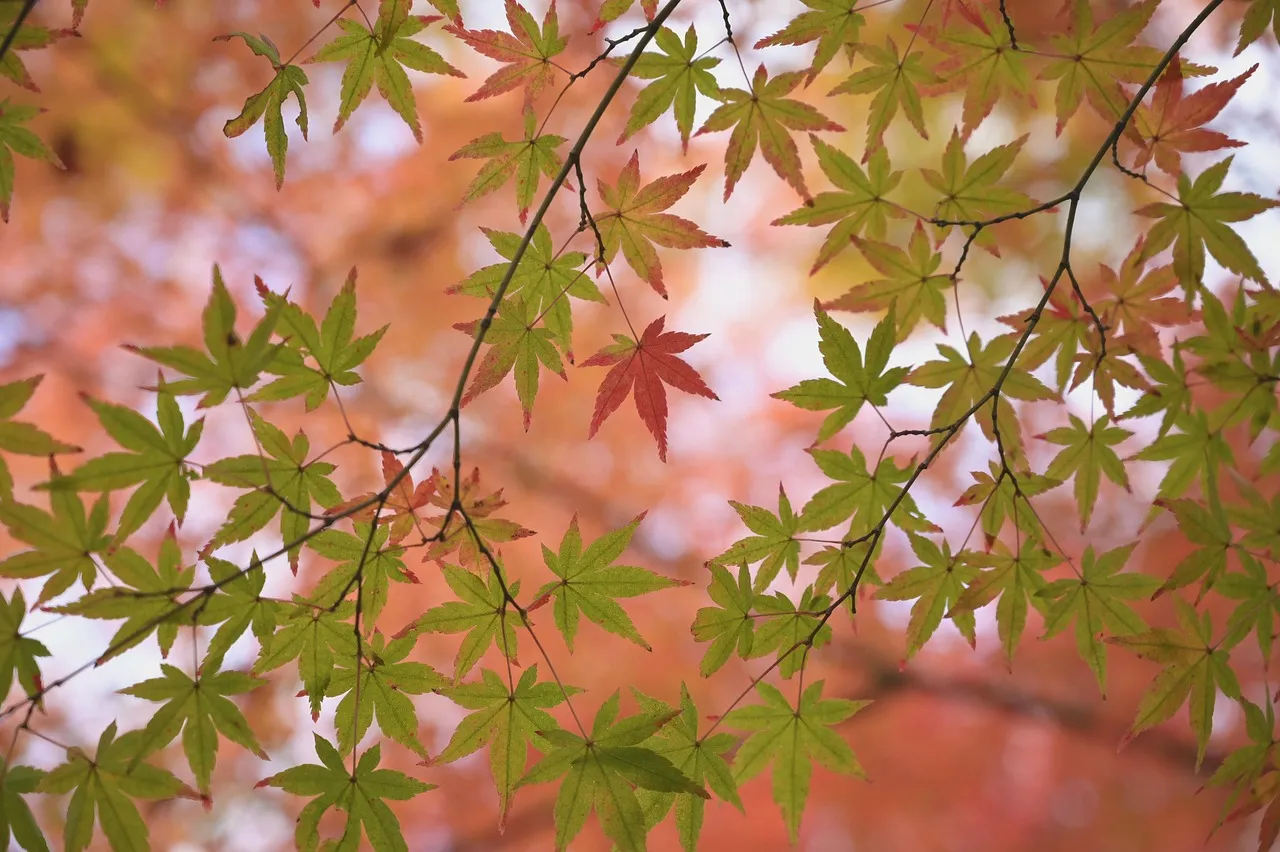
The Japanese maple, with its delicate leaves and bright yellow or reddish-purple foliage, adds a touch of elegance to any garden. These trees typically grow between 20 and 80 feet tall, depending on variety, and thrive in full sun or partial shade. For very compact gardens, smaller Japanese maple cultivars are the most reliable bet.
Choose compact varieties like Festival (40 to 50 feet) for smaller yards or classic American Sweetgum for larger landscapes in zones 5 to 9. Sugar maples also need room to spread, so do not plant them in a confined space. Matching scale to space from the start will save you considerable trouble down the road.
Planting Tips for Maximum Autumn Color
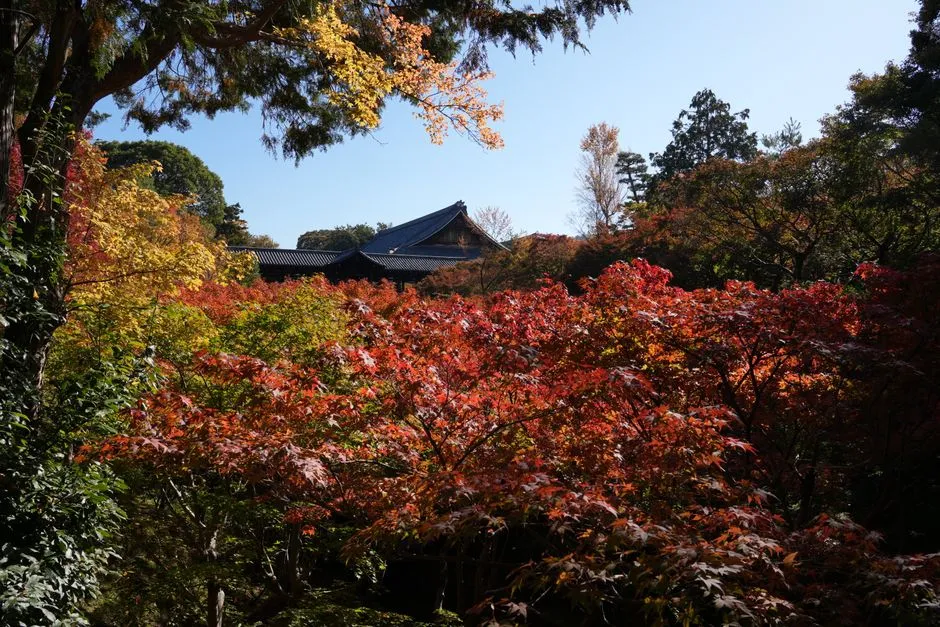
Most plants that change color in the fall need full sun to produce the best display. Make sure they have consistent moisture and well-draining soil. While you do not have direct control over the weather, most trees and shrubs thrive with warm days and cool but not freezing nights.
Soil enrichment is another factor that can help improve fall color in trees like Japanese maple. Low nitrogen fertilizers can help enrich the soil and give the tree the nutrients it needs to make it through a potentially long, hot summer and be ready to put on a show in fall.
Black gum is best grown in areas with acidic, medium to wet, well-drained soils and full sun to part shade. Its ability to grow in wet soils makes it an excellent selection for low areas in the landscape. Dogwood trees, if added to your garden, are perfect accent plantings for smaller landscapes and woodland gardens. They prefer protection from harsh afternoon sun and benefit from mulching around the base to keep the roots cool.
Wildlife Value: More Than Just Looks
Red, Gray, and Flying Squirrels feed on Sugar Maple seeds, buds, twigs, and leaves, and many species of cavity-nesting songbirds utilize hollows in the trunks. Moose, White-tailed Deer, and Snowshoe Hares browse the leaves and twigs. The foliage harbors numerous species of insects, which provide forage for songbirds.
The Tupelo tree provides valuable habitat and food for various wildlife species. Birds such as wood ducks and warblers eat the tree’s fruits, and many animals take refuge in its branches and hollows.
Birds and squirrels feed on the sweetgum’s seed balls, while pollinators shelter in the branches. These trees are genuinely giving something back to the ecosystem, not just performing for the camera one month a year. A garden designed around autumn foliage turns out to be one of the most wildlife-friendly gardens you can plant.
Conclusion: Invest Now, Harvest Beauty Every Autumn
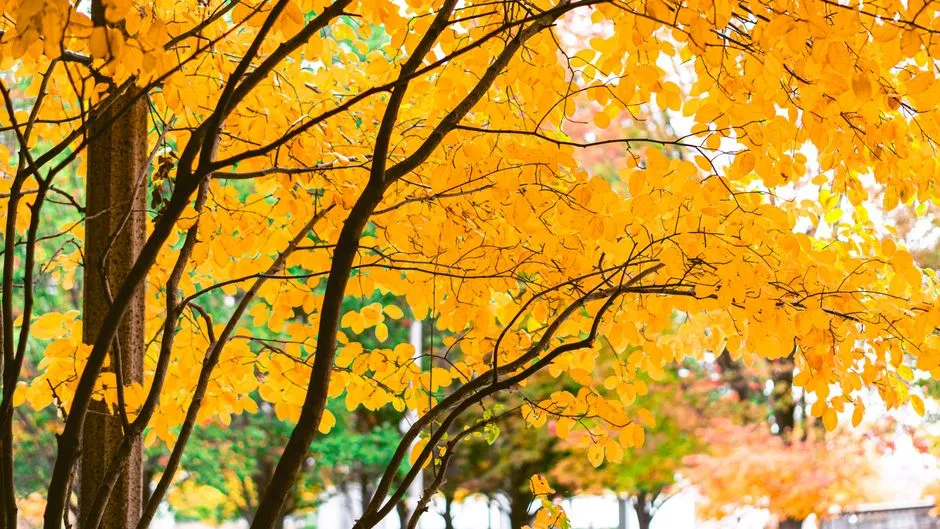
These five trees are not impulse buys for a single season. They are investments that pay off for decades, sometimes for a century or more. Choosing suitable trees for fall color will enhance your autumn landscape and ensure year-round beauty. By making thoughtful selections now, your garden will be a stunning feature every season.
These trees can withstand very cold temperatures, but in summer, watering deeply during dry spells and cutting back on the amount of water in late summer can intensify the autumn color. As young trees grow, their colors become even more vibrant.
The most rewarding part is not the first autumn, when a young tree might offer only a glimpse of what it will become. It is the tenth, or the twentieth, when the canopy above you has become something you genuinely did not expect from a sapling planted in the garden all those years ago. Start now, and let time do its quiet, spectacular work.
AI Disclaimer: This article was created with the assistance of AI tools and reviewed by a human editor.