
Discovering invasive plants in your yard can be a real headache, especially when they threaten the balance of your beloved garden. As someone who’s spent years nurturing a diverse outdoor space, I know how disheartening it is to see aggressive species take over and choke out your carefully tended plants. These invaders, often imported from distant lands, can quickly spread, outcompete native flora, and even alter the local ecosystem. It’s such a bummer when pests and invasive species disrupt the harmony of your garden, and that’s why I’m here to share essential insights on 10 particularly troublesome invaders you need to remove immediately!
In this article, we’ll explore 10 invasive plants—from their native origins to their aggressive behaviors—that have earned a notorious reputation among gardeners. I’ll dive into how these species attract certain insects, sometimes even providing unintended nesting sites for critters, while ultimately overwhelming your yard if left unchecked. Whether you’re a seasoned green thumb or just starting your gardening journey, these detailed tips will help you identify and act swiftly against these unwelcome guests. Let’s empower you with the knowledge to protect your garden’s natural beauty and ecological balance!
Purple Loosestrife
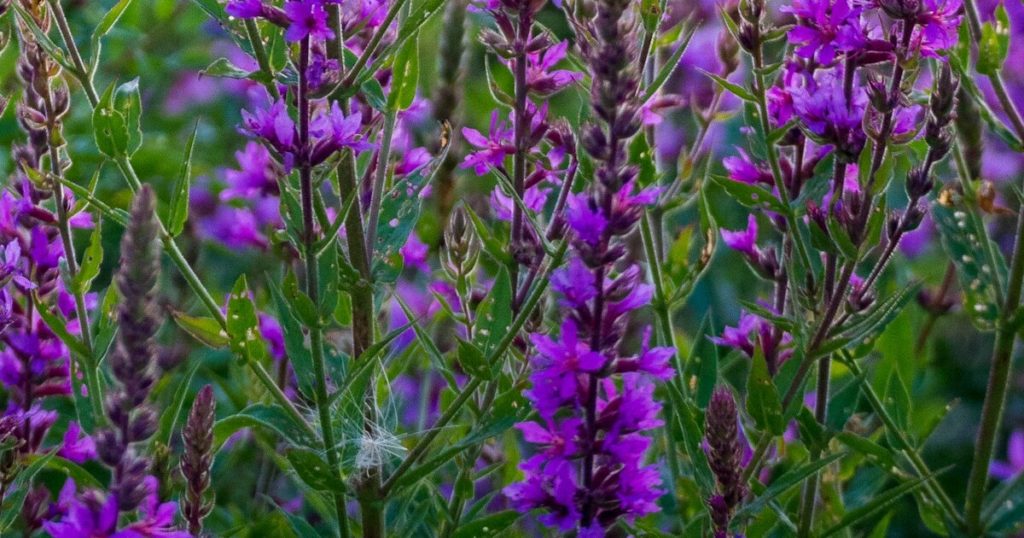
Purple Loosestrife, native to Europe and Asia, is notorious for its explosive growth and showy, purple flower spikes that can take over wetlands and garden beds. I’ve witnessed firsthand how quickly this plant can spread, crowding out native species and reducing biodiversity in the process! Despite its striking appearance, the aggressive nature of Purple Loosestrife makes it a serious threat to the delicate balance of your yard.
This invasive beauty is capable of attracting pollinators due to its abundant nectar, but that same trait encourages the plant to self-seed vigorously and create dense stands. While some gardeners might appreciate its colorful display, its ability to form monocultures means beneficial native insects lose their habitat. Removing Purple Loosestrife promptly is crucial to protecting your local ecosystem and ensuring that native plants have the room to flourish!
English Ivy

English Ivy, originally from Europe, has earned its reputation as a tenacious invader in many parts of the world. With its climbing vines and dense, evergreen foliage, this plant can easily smother trees, shrubs, and even entire garden walls if left unchecked. I’ve seen it creep up walls and across lawns, creating an uninviting, dark blanket that robs your garden of its natural vibrancy!
While English Ivy may offer some aesthetic appeal with its glossy leaves, it also creates ideal conditions for certain pests, which might use its thick cover for nesting. Its rapid growth and ability to thrive in shaded areas make it particularly problematic in yards where native species struggle to compete. The best course of action is to remove English Ivy as soon as you spot it, preserving the health and diversity of your garden!
Kudzu
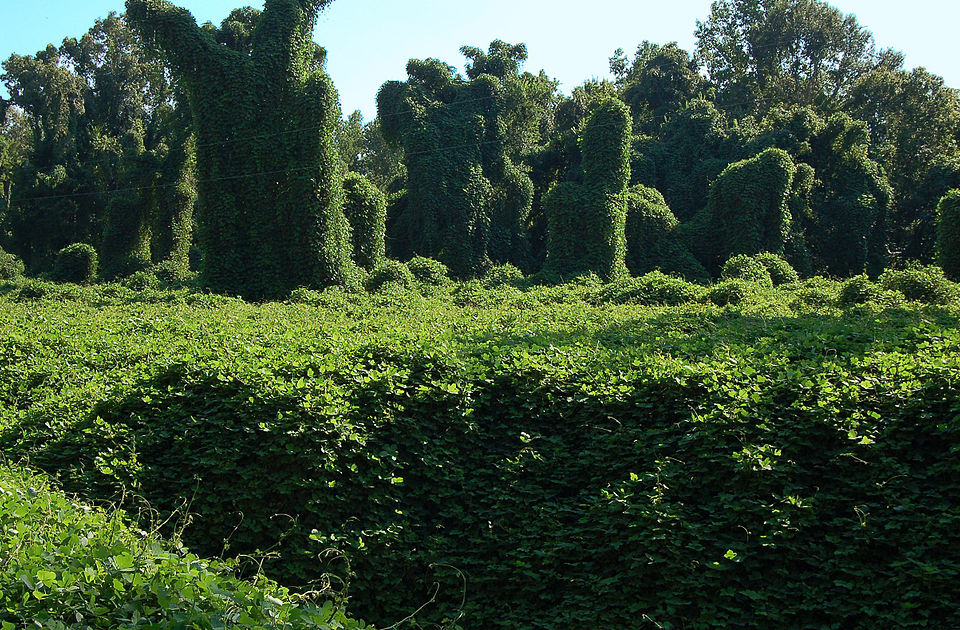
Kudzu, native to parts of Asia, is often dubbed “the vine that ate the South” due to its rapid growth and ability to engulf entire landscapes. Its long, trailing vines and lush foliage make it a formidable adversary, smothering trees, shrubs, and even power lines! As a gardener, it’s disheartening to see such a relentless plant take over, leaving little room for any other vegetation to thrive.
The aggressive nature of Kudzu also means that it can create microhabitats that inadvertently attract various insects. Some of these insects might take advantage of the dense vine networks to nest, but their presence does little to counteract the overwhelming dominance of Kudzu. If you encounter this invasive species in your yard, swift and decisive removal is essential to reclaim your garden’s space and restore ecological balance!
Tree of Heaven

Tree of Heaven (Ailanthus altissima) is a rapid-growing, invasive tree native to China that has earned its infamous reputation worldwide. With its fast-growing, sprawling branches and a tendency to colonize urban and suburban areas, it quickly outcompetes native trees and disrupts local ecosystems. I’ve seen these trees pop up unexpectedly in unexpected places, often leaving gardeners feeling overwhelmed by their sheer tenacity!
Beyond its aggressive growth, Tree of Heaven exudes a potent aroma and produces copious amounts of seeds that are easily dispersed by wind. Its ability to attract a variety of insects—some of which might even nest in its rough bark—adds to its complex role in altering the natural landscape. Due to its invasive nature and rapid spread, it’s crucial to remove Tree of Heaven promptly to protect the integrity of your garden and surrounding areas!
Japanese Knotweed

Japanese Knotweed is one of the most destructive invasive plants out there, native to East Asia and infamous for its rapid, underground rhizome expansion. This hardy perennial can quickly dominate an area with its towering, bamboo-like stems and dense clusters of small white flowers. I’ve witnessed its relentless growth firsthand, and it’s truly a challenge to keep this aggressive plant from taking over an entire yard!
Despite its somewhat delicate appearance when in bloom, Japanese Knotweed is notorious for its resilience. It creates underground networks that are difficult to eradicate and, while it may attract some pollinators, it primarily serves to outcompete native vegetation. Its invasive nature not only diminishes biodiversity but can also cause structural damage to nearby foundations and infrastructure. Immediate removal is essential if you spot Japanese Knotweed, ensuring that your garden stays healthy and balanced!
Himalayan Blackberry

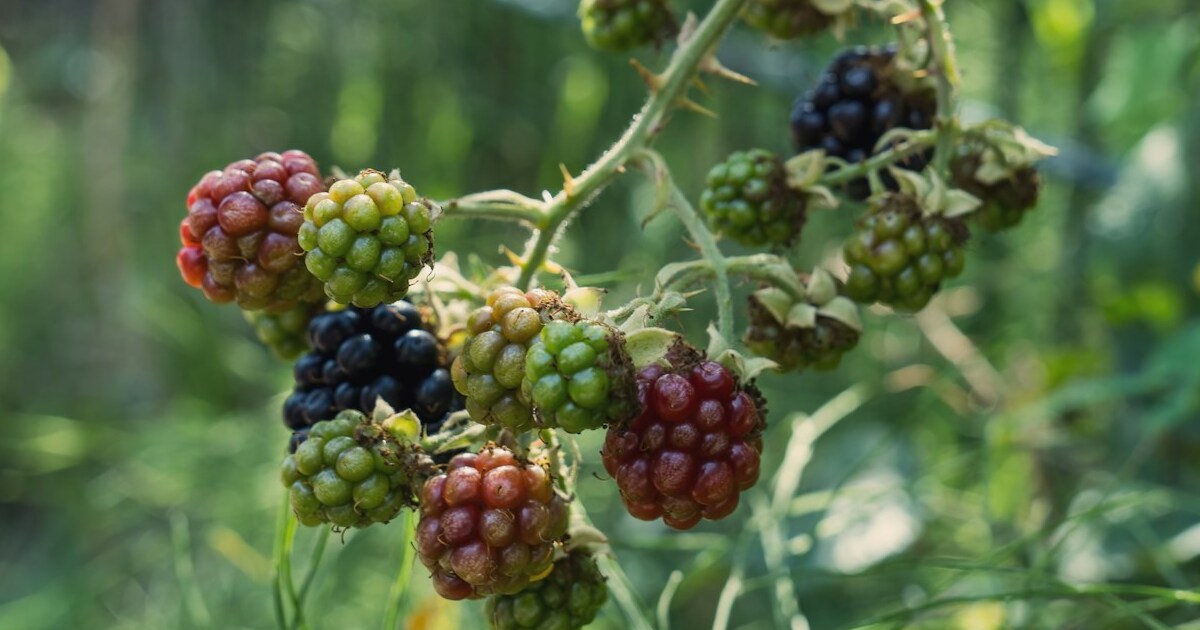
Himalayan Blackberry, known for its sweet, edible berries, is an invasive shrub that can quickly overwhelm gardens and natural landscapes. Although native to regions in Europe and Asia, its vigorous growth and thorny canes allow it to form dense thickets that are nearly impenetrable. I’ve seen these brambles take over entire plots, leaving little space for any other plant life to thrive—an all-too-common nightmare for gardeners!
Its sprawling habit not only chokes out native plants but also provides a seemingly perfect nesting ground for various insects and small animals. While the berries may tempt wildlife, the overall ecological impact is largely negative as it diminishes native biodiversity. If you find Himalayan Blackberry in your yard, it’s imperative to remove it promptly to restore the natural balance and reclaim your garden’s space!
Brazilian Pepper Tree
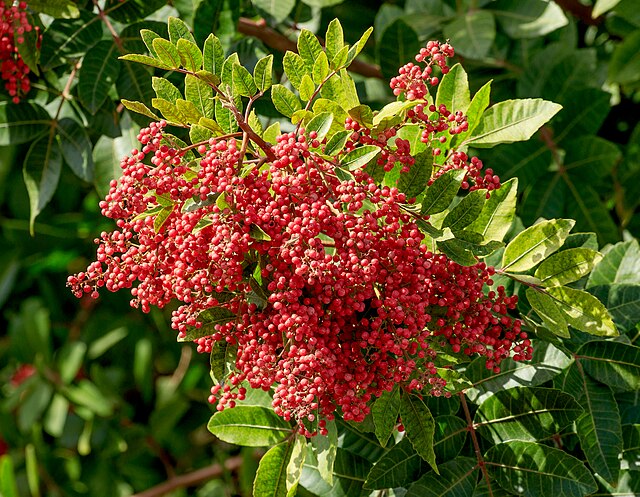
Brazilian Pepper Tree, native to South America, is a formidable invasive species that has become a major concern in many regions, especially in warm, humid climates. This evergreen shrub or small tree boasts vibrant red berries and glossy, dark green leaves, which may seem attractive at first glance. However, its rapid spread and ability to outcompete native plants make it a significant threat to local ecosystems. I’ve observed its aggressive nature firsthand, and it’s clear that this plant has no place in a balanced garden!
The Brazilian Pepper Tree can alter the natural habitat by attracting and supporting populations of non-native insects, which may nest in its dense foliage. While its ornamental appeal might initially catch your eye, the long-term ecological damage it causes far outweighs any short-term benefits. Immediate removal is crucial if you spot this invasive species, ensuring that your garden remains a haven for native flora and fauna!
Oriental Bittersweet

Oriental Bittersweet, native to Asia, is an aggressive vine that can quickly overrun trees, fences, and garden structures with its twisting, heart-shaped stems and bright orange berries. This vine is notorious for its ability to strangle and smother native plants, transforming vibrant landscapes into tangled, unmanageable thickets. I’ve seen Oriental Bittersweet climb up trees and across entire yards, leaving behind a trail of destruction that is both unsightly and ecologically damaging!
Its berries, while attractive to birds and other animals, only serve to spread the vine further, compounding its invasive potential. The dense network of vines can also create concealed areas that are attractive to pests and even provide nesting spots for unwanted insects. For the sake of your garden’s health and visual appeal, it’s imperative to remove Oriental Bittersweet as soon as it is detected—restoring space for native species and preventing further ecological disruption!
Garlic Mustard

Garlic Mustard is a deceptively charming herbaceous plant native to Europe and Asia, which has turned invasive in many North American woodlands and gardens. Its small, white flowers and distinctive garlic-like aroma might initially make it seem harmless or even desirable, but this plant quickly outcompetes native understory species. I’ve encountered Garlic Mustard in several garden beds, and its rapid spread is a clear sign that it’s time to take action!
The plant’s prolific seed production and its ability to alter soil chemistry make it a formidable adversary, capable of transforming a diverse ecosystem into a monoculture of its own. While it might attract certain insects with its subtle fragrance, these visitors don’t offset the overall negative impact on local biodiversity. If you find Garlic Mustard in your yard, immediate removal is essential to preserve the natural balance and ensure that native plants continue to thrive!
Common Reed (Phragmites australis)

Common Reed, or Phragmites, is an invasive perennial grass native to Europe and Asia that has spread aggressively in wetlands and along water bodies. Its towering, feathery plumes and extensive root systems allow it to dominate vast areas, often displacing native aquatic plants and disrupting local ecosystems. I’ve seen entire marshes transformed by this aggressive grass, and it’s truly disheartening to witness the loss of biodiversity that results from its unchecked growth!
Phragmites’ ability to provide nesting sites for certain bird species and insects might seem like a redeeming quality, but the overall ecological impact is overwhelmingly negative. Its dense stands not only crowd out native vegetation but also alter water flow and soil conditions, creating an environment that is inhospitable for other species. Removing Common Reed promptly is critical to restoring natural habitats and preventing further ecological imbalance in your yard or local wetlands!