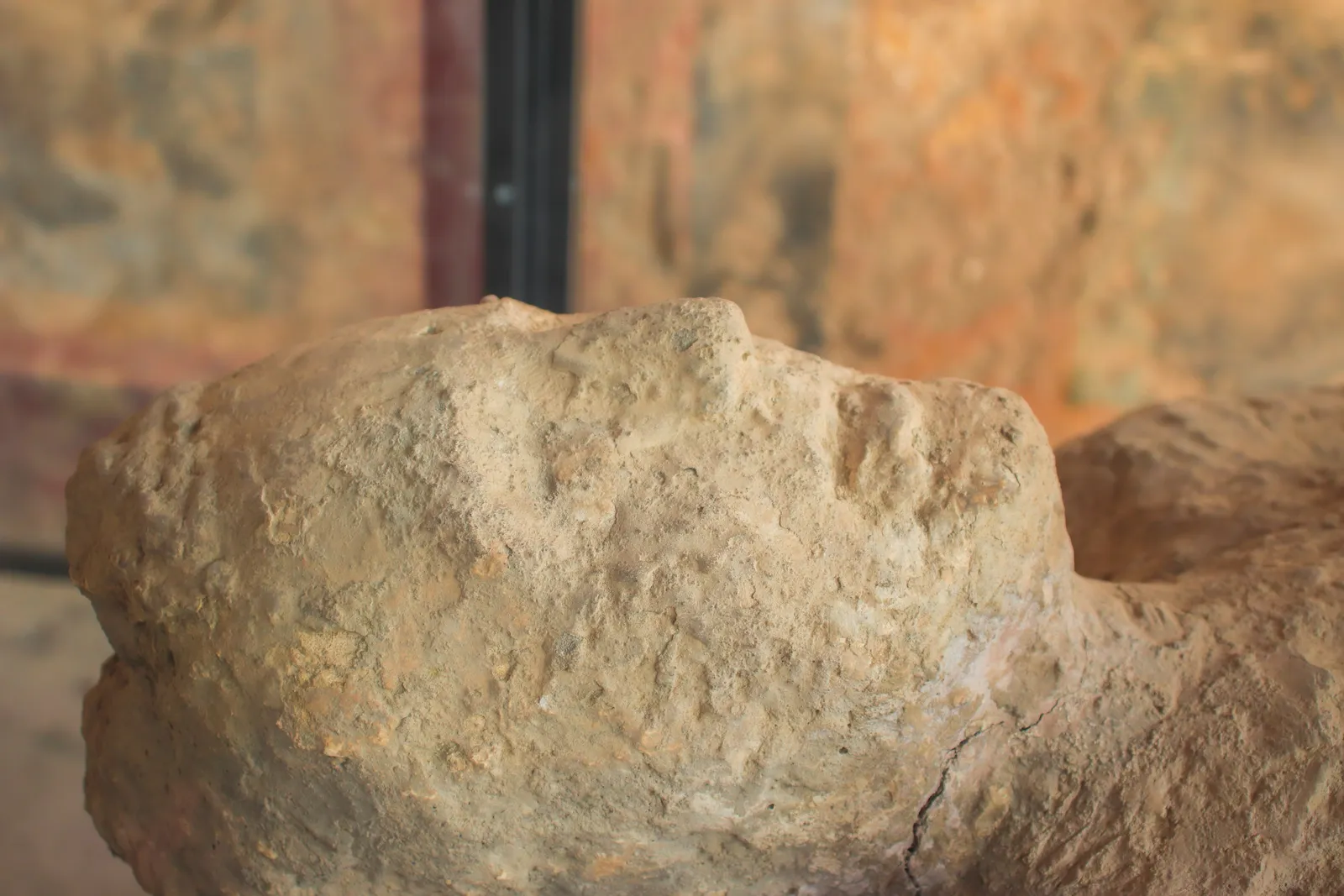

Researchers have revived living yeast from the preserved remains of Ötzi the Iceman, a 5,300-year-old mummy discovered in the Alps. The cold-adapted strain, extracted from his gut and surrounding tissues, was cultured in the lab and then used to produce sourdough bread. The result proved surprisingly successful after months of testing.
Tracing the Yeast in Ötzi’s Microbiome
Ötzi, Europe’s oldest known natural mummy, has long offered scientists a window into Copper Age life through his clothing, tools, and now his microbial community. A study published in the journal Microbiome on June 3 detailed how researchers identified viable yeast strains that had survived in and around the body for millennia. These organisms appear well adapted to cold conditions, which likely helped preserve them in the glacier environment where Ötzi was found in 1991.
The team focused on strains capable of fermentation, a key trait for baking. Laboratory reproduction took careful steps to ensure the ancient yeast could thrive under modern conditions without contamination from contemporary microbes. This process highlighted both the resilience of the ancient organisms and the technical challenges of working with such old biological material.
Turning Ancient Microbes Into Bread
Once the yeast was successfully grown, the scientists incorporated it into sourdough starter and baked several loaves. The bread rose properly and developed the characteristic tangy flavor associated with traditional sourdough. Microbiologist Mohamed Sarhan noted that after three months of experimentation, the team achieved a “very, very good sourdough.”
The experiment demonstrates how ancient microbial life can still function in familiar food processes. It also underscores the value of studying preserved human remains for insights into historical diets and fermentation practices. The bread itself was edible and palatable, confirming the yeast’s practical utility beyond mere survival in the mummy’s tissues.
Next Steps for Mummy-Derived Foods
With the sourdough success in hand, the researchers have turned their attention to other fermentation applications. When asked about brewing beer with the same yeast strain, Sarhan replied that the idea “is on the list.” The team plans to collaborate with food science specialists to explore these possibilities further.
Such work remains exploratory, with questions still open about consistency, safety, and scalability of using revived ancient microbes in commercial settings. The project illustrates how discoveries from archaeological science can intersect with everyday food production in unexpected ways.
Key points:
- Living yeast recovered from Ötzi the Iceman’s remains.
- Successfully used to bake palatable sourdough bread.
- Beer production now under consideration.
AI Disclaimer: This article was created with the assistance of AI tools and reviewed by a human editor.