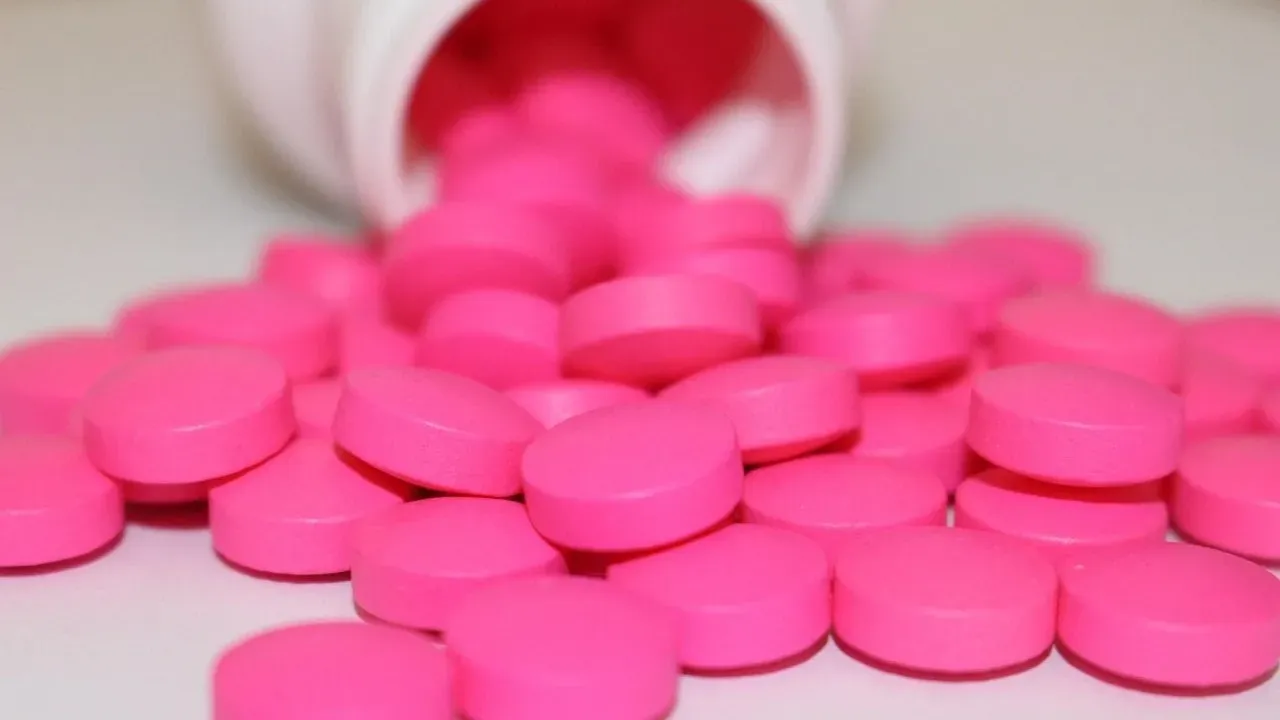

Ibuprofen sits in nearly every medicine cabinet, so a recall tends to draw attention fast. This one is narrow. A California drug supplier has pulled a single batch of 800 mg prescription tablets after finding tiny aluminum particles on the surface of some pills. Federal regulators posted the notice this week, and pharmacies and patients are being asked to compare their bottles against a few specific identifiers ([1]).
One lot, four identifiers
Golden State Medical Supply, Inc., based in Camarillo, California, announced on November 23 that it was voluntarily recalling one lot of its ibuprofen tablets at the consumer level. The Food and Drug Administration posted the company’s announcement the following day ([2]). The company’s notice points to a short set of details that patients can match against their labels:
- Product: Ibuprofen 800 mg tablets
- National Drug Code: 51407-841-05
- Lot number: GS069303
- Expiration date: January 2030
The 800 mg strength is available only by prescription, so the lower-dose ibuprofen on drugstore shelves falls outside the action. Other lots of prescription ibuprofen are not named in the notice either. Because several manufacturers produce generic 800 mg tablets, the strength printed on a label is not enough to determine whether a bottle belongs to the affected batch.
What the metal particles could mean for patients
According to the company, the particles measure between 0.01 and 0.10 millimeters. Golden State Medical Supply said that continued use of tablets from the affected lot could cause minor irritation and abrasion of the stomach or intestinal lining. It also described the chance of a related adverse event as remote, citing how small the particles are. The company has said it has not received any reports of adverse events linked to this lot.
Reporting on the federal classification differs. One account says the FDA labeled the action a Class II recall, its second-highest urgency level, and noted that serious health consequences were considered remote ([3]). Another report on the FDA posting said no classification was listed at the time it was written. Both accounts agree on the scope: the risk has been tied to one lot, not to ibuprofen as a drug.
A recall that follows an earlier pull
The latest notice is not the first ibuprofen action of the year. This recall is at least the second nationwide ibuprofen recall the FDA has posted in 2026. In March, Strides Pharma recalled 89,592 bottles of 100 mg children’s ibuprofen oral suspension after complaints about a gel-like mass and black particles inside the product ([4]). The two actions involve different products, different manufacturers, and different contaminants, so the FDA notices should be read separately.
Why the lot number may be hard to find
The recalled tablets were sold in 500-tablet bottles to McKesson, one of the largest drug distributors in the country. McKesson was told to stop distributing the lot, quarantine any remaining inventory, and send the product back to Golden State Medical Supply. The distributor was also directed to notify its pharmacy and consumer customers. Because the product moved through this network, the recall reaches across the country.
For patients, the practical challenge is that a lot number often does not appear on a retail prescription label. Pill bottles usually show the drug, the strength, and sometimes the manufacturer, but rarely the original lot number ([5]). A patient who cannot find the number should check the label for the manufacturer name and strength, then confirm with the pharmacy that dispensed the medication.
What to do if the bottle matches
The company’s instructions are direct. Anyone holding tablets from the affected lot should stop taking them and contact a doctor or pharmacist. Unused tablets should be returned to the pharmacy where they were obtained. Questions about the recall can be directed to Golden State Medical Supply at 800-284-8633.
Patients whose bottles do not match the identifiers above are not covered by this recall. The notice does not tell people to stop using ibuprofen in general. Checking the label takes only a minute, and for most households, that check will settle the question quickly.
AI Disclaimer: This article was created with the assistance of AI tools and reviewed by a human editor.