
Most gardeners reach for the hose without giving it a second thought. Water is water, right? It turns out that assumption is worth questioning, and spending a full month relying exclusively on rainfall rather than tap water reveals something genuinely interesting about how plants respond to their most natural source of hydration.
The results were not what I expected. Some were better, some required patience, and a few pointed toward broader truths about how we think about water use at home.
The Moment That Made Me Try This
It started after a decent weekend rain left my vegetable beds looking noticeably more vibrant than usual. The leaves were brighter, the soil smelled earthy and alive, and everything seemed to have perked up overnight. That observable difference felt worth chasing deliberately, not just waiting for the next passing storm.
Rainwater is often considered superior to standard tap or well water for sustaining plant life, a preference rooted in the fundamental chemical and physical differences between the two sources. The natural composition of precipitation provides plants with a gentle, nutrient-rich form of hydration that contrasts with treated and mineral-laden municipal supply. That’s the science behind the gut feeling. So I decided to take it seriously for thirty days.
What Rainwater Actually Contains (That Tap Water Doesn’t)
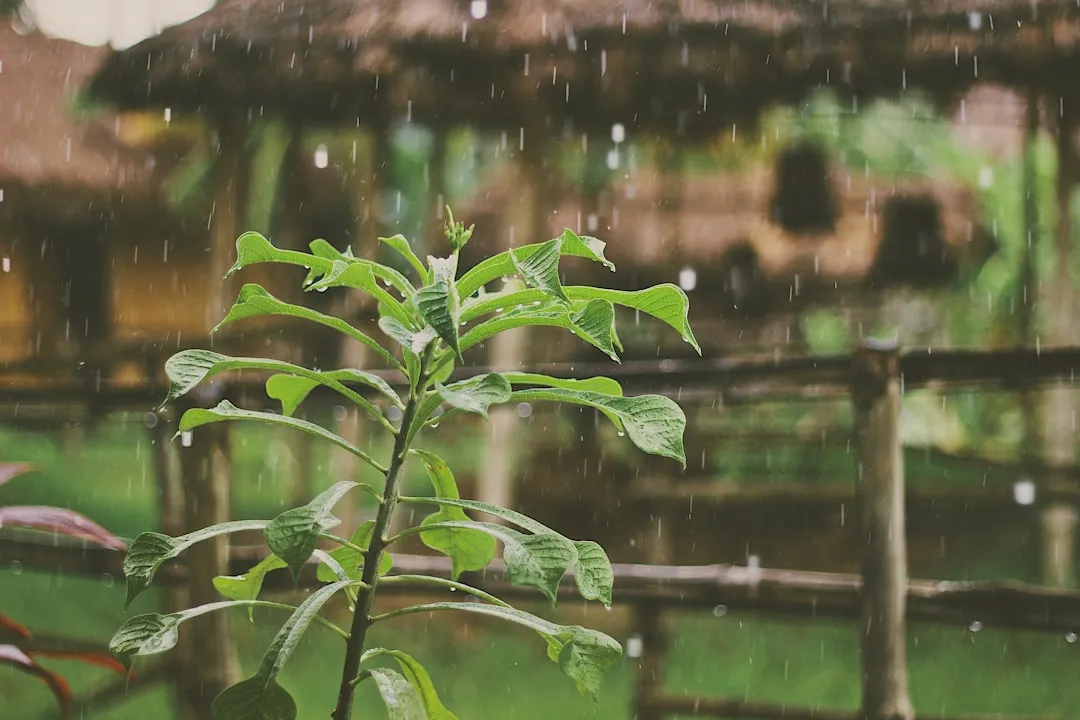
Plants grow better with rainwater because it contains bioavailable nitrates from nitrogen fixation, maintains a slightly acidic pH that unlocks soil nutrients, and lacks the growth-inhibiting chlorine and sodium found in municipal tap water. These are not minor differences. They affect how efficiently plants can absorb what’s already in the soil.
Rainwater provides plants with atmospheric nitrogen in the form of nitrates, the most easily absorbed nutrient for rapid leaf and stem growth. While our atmosphere consists of nearly 78 percent nitrogen, most plants are unable to absorb it directly from the air in its gaseous state. Rain essentially bridges that gap, delivering nitrogen in a form roots can use immediately.
Rainwater that has been exposed to lightning is particularly beneficial. The benefits of rainwater exposed to lightning are higher levels of nitrogen and ammonium. These are transformed into available supplies by beneficial microbes, fungi, and bacteria for easy uptake by plant roots. A stormy month, it turns out, is a particularly good time to run this kind of experiment.
The pH Factor Nobody Talks About Enough
Rainwater is naturally pH-balanced, typically ranging between 5.0 and 7.0, which aligns closely with the needs of most plants. This neutral acidity minimizes the risk of soil acidification or alkalization, common issues when using tap water with extreme pH levels. Over weeks, that stability adds up in ways that become visible in leaf color and root health.
In contrast, tap water often contains minerals like calcium and magnesium, which can accumulate in soil over time and disrupt nutrient absorption. Tap water frequently includes chlorine and fluoride, additives that protect human health but can harm plants. Chlorine, in particular, damages root systems and leaves, leading to yellowing foliage and stunted growth.
The chlorine and fluoride levels in most tap water can actually stop plants from effectively taking up nitrogen. That’s worth sitting with. You can fertilize your soil perfectly and still undercut the results simply by using treated tap water over an extended period.
What the Soil Looked Like After Thirty Days
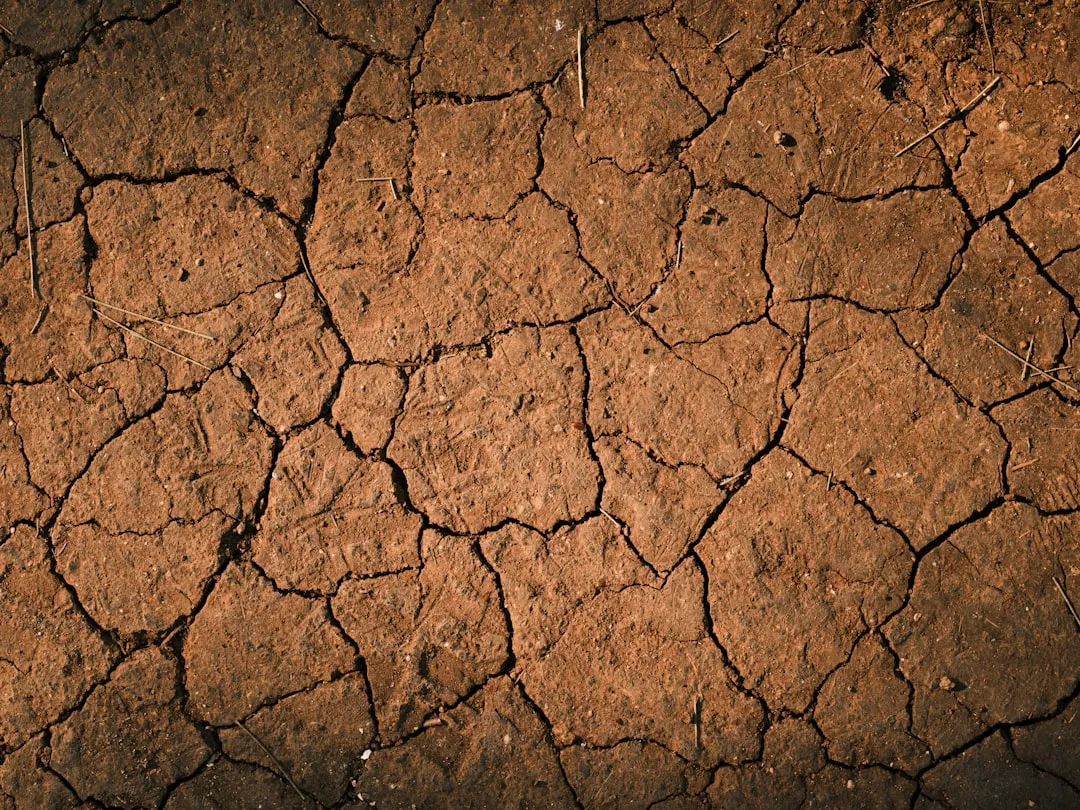
While tap water is treated for human safety, its chemical profile often suppresses the delicate soil microbiome, whereas rainwater acts as a natural, oxygen-rich fertilizer that stimulates immediate cellular expansion in plants. After a month without tap water, the soil in the garden beds felt noticeably different to the touch. Looser, darker, and more responsive.
The low salt content of rainwater prevents soil salinisation, a growing problem in regions that rely heavily on borewell or tap water for irrigation. Salt accumulation is one of those slow-moving problems that gardeners rarely trace back to their water source. After a month of rain-only watering, the beds that had previously shown some crusting and compaction started to recover.
Plant Growth: What Actually Changed
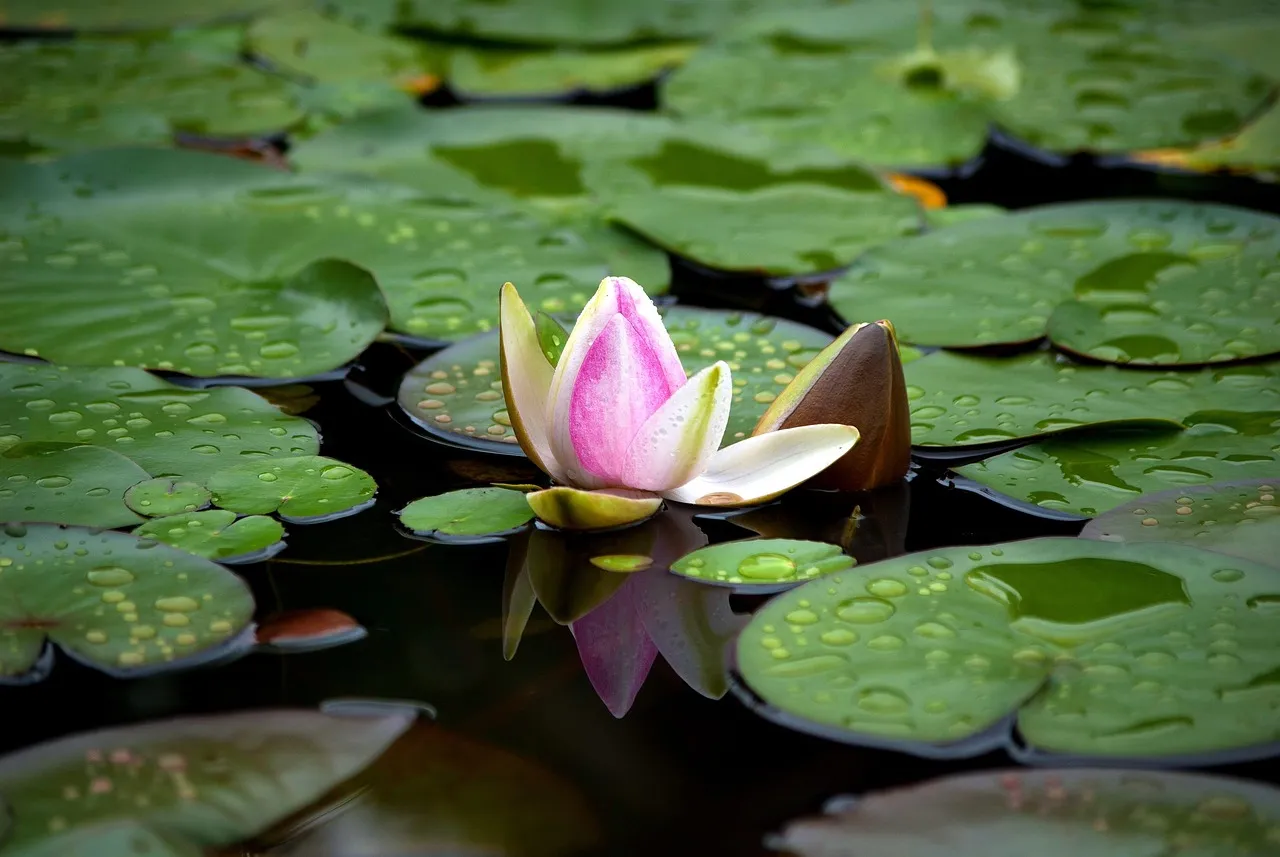
Rainwater does not contain any added chemicals or minerals, often includes nitrates, and has a high oxygen content. This means that plants often grow taller when using rainwater as opposed to water from the tap, since they get the necessary nutrients to grow. In my garden, the tomatoes and beans responded most visibly. New growth appeared faster than it had in previous weeks.
When rainwater hits the soil, plants can immediately uptake the nitrogen to fuel chlorophyll production. This rapid infusion of nutrients is a major reason why plants grow better with rainwater than tap water, as it bypasses the slower microbial breakdown required by organic fertilizers.
Seedlings and young plants benefit especially, as rain prevents chemical exposure during critical growth stages. Acid-loving plants like azaleas and blueberries also thrive in the slightly acidic conditions naturally provided by rainwater. The blueberry bush I had almost given up on showed new leaf buds within the first two weeks.
The Tricky Part: Consistency and Dry Spells
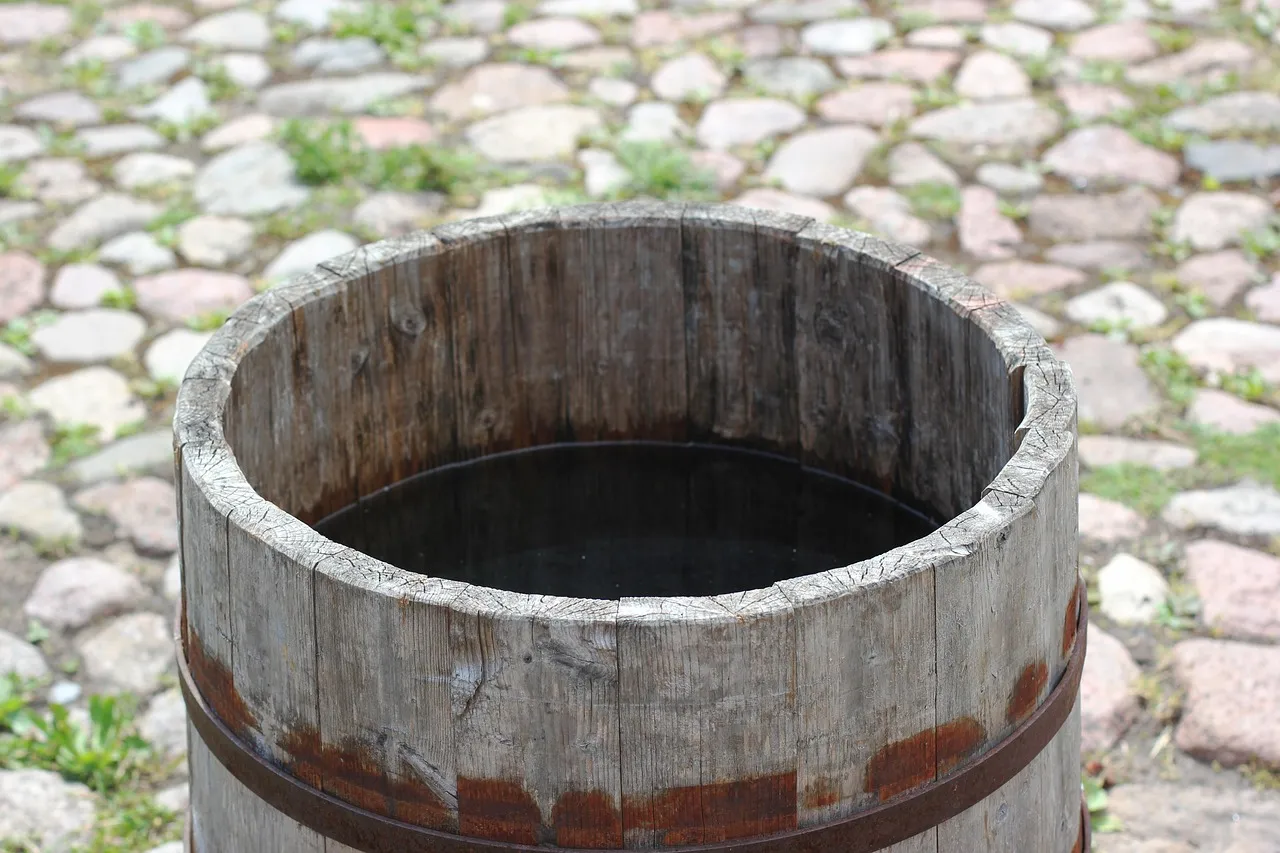
Not every month is generous with rain, and that’s the real challenge with going tap-free. Rainwater harvesting is especially valuable during dry periods, and systems designed with adequate storage can retain water received during rainy seasons for use during non-rainy periods, bridging the gap between supply and demand. For my experiment, I collected runoff in barrels during wetter days to cover the gaps.
A typical 55-gallon barrel fills completely from just one inch of rain on a 500-square-foot roof section, which means free water for gardens, lawns, and landscaping. That’s more volume than it sounds. Even a moderate shower can fill a barrel, giving you several days of garden watering in reserve.
What It Did to the Water Bill
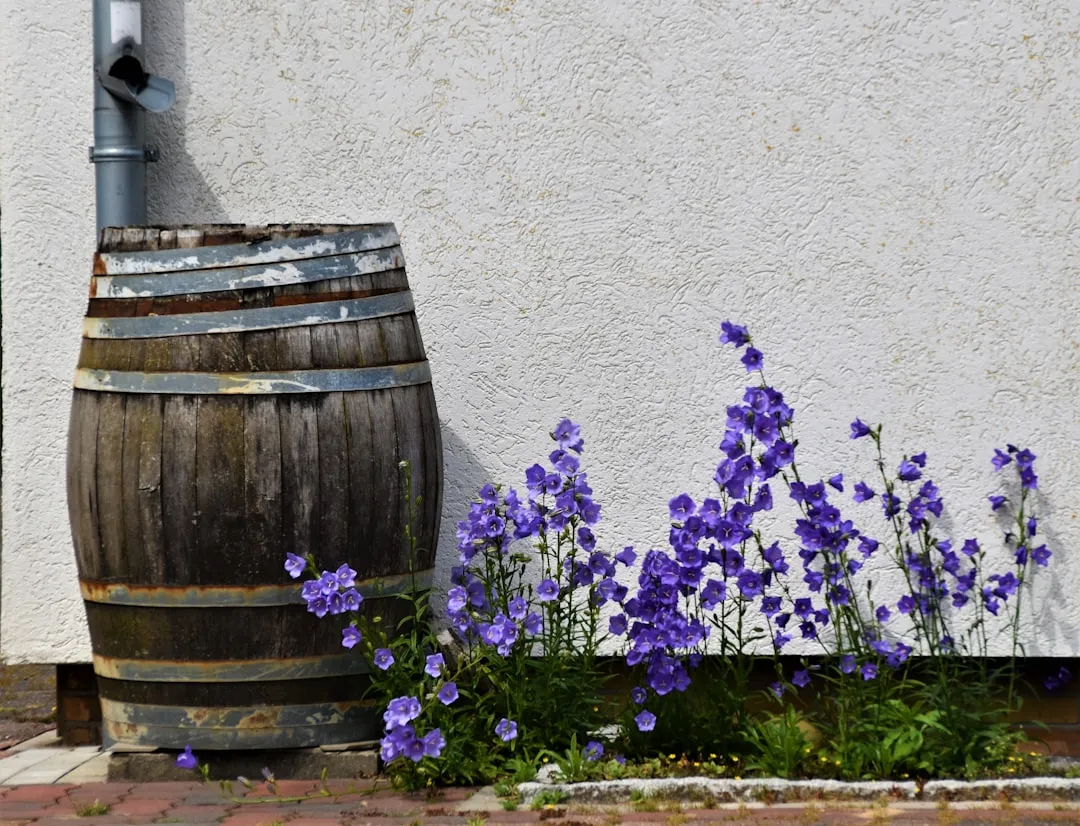
Outdoor use can account for about half of total household water use, which is roughly 50,000 gallons per year on average. Water usage during the summer months can dramatically increase due to lawn and garden care. Replacing even part of that with collected rain makes a measurable difference.
Rainwater harvesting can save up to 40 percent on water bills while helping manage water scarcity. My single month was too short to verify that figure precisely, but the bill was noticeably lower. A 55-gallon rain barrel can save about 1,300 gallons of water during peak summer months, and many communities even offer rebates for rain barrel installation.
The Environmental Angle Is Bigger Than It Looks
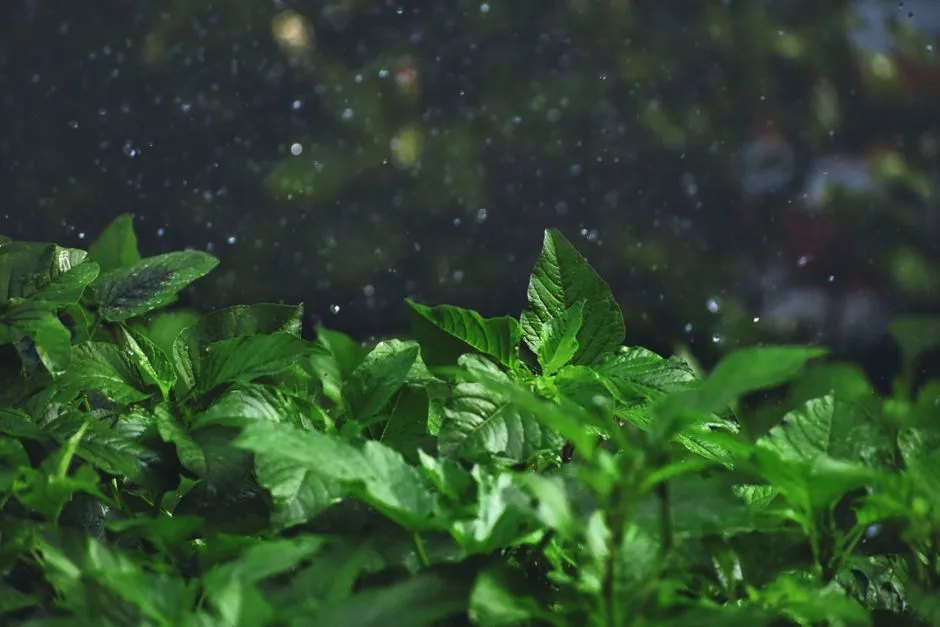
Research has demonstrated that rainwater harvesting can be beneficial for the environment due to the reduction in energy use and greenhouse gas emissions compared to relying on treated mains water supply. Most people don’t think about the energy cost embedded in their tap water, but treating and pumping municipal water is energy-intensive.
Research published in The Scientific World Journal found that reducing potable water demand by one million gallons can save approximately 1,500 kWh of electricity. Scaled across neighborhoods or cities, that impact becomes substantial. One garden is a small contribution, but the logic scales.
By replicating natural processes, rain gardens can filter out pollutants like oil, pesticides, and industrial residues from urban runoff, significantly improving water quality before it reaches streams and rivers. That’s an additional benefit beyond the garden itself, one that connects your patch of soil to the wider watershed.
When Rain-Only Watering Has Real Limitations
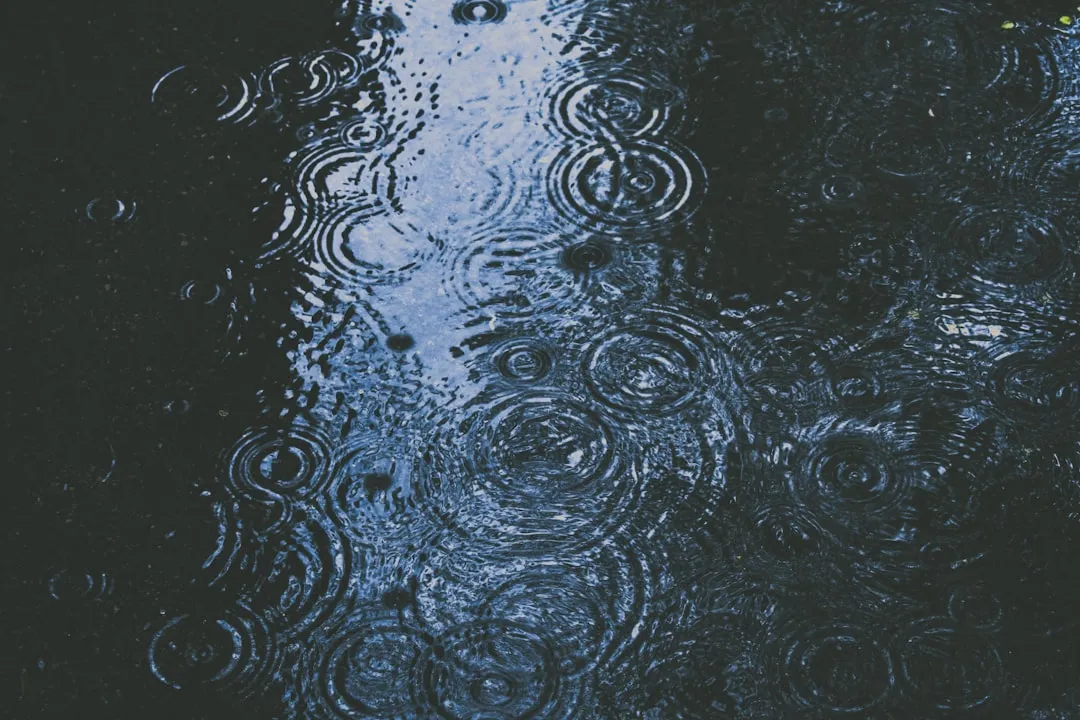
Honesty matters here. While rainwater is generally beneficial, its quality can be compromised by environmental factors. In regions with significant industrial activity or high traffic, rain can absorb pollutants such as sulfur dioxide and nitrogen oxides, resulting in overly acidic precipitation. Urban gardeners need to factor in local air quality before committing fully.
Using rainwater to irrigate can save money on your water bill, but in some areas rainwater collection is actually illegal. This is due to drought conditions where the water needs to percolate naturally to irrigate wild flora. It’s worth checking local regulations before setting up a collection system, particularly in the western United States.
In arid climates, water-saving efficiency under all demand scenarios can fall below 15 percent due to high rainwater deficit and low surplus. In dry regions, supplemental tap water remains necessary. The experiment works best in moderate climates with reasonably consistent rainfall.
How to Actually Make It Work at Home
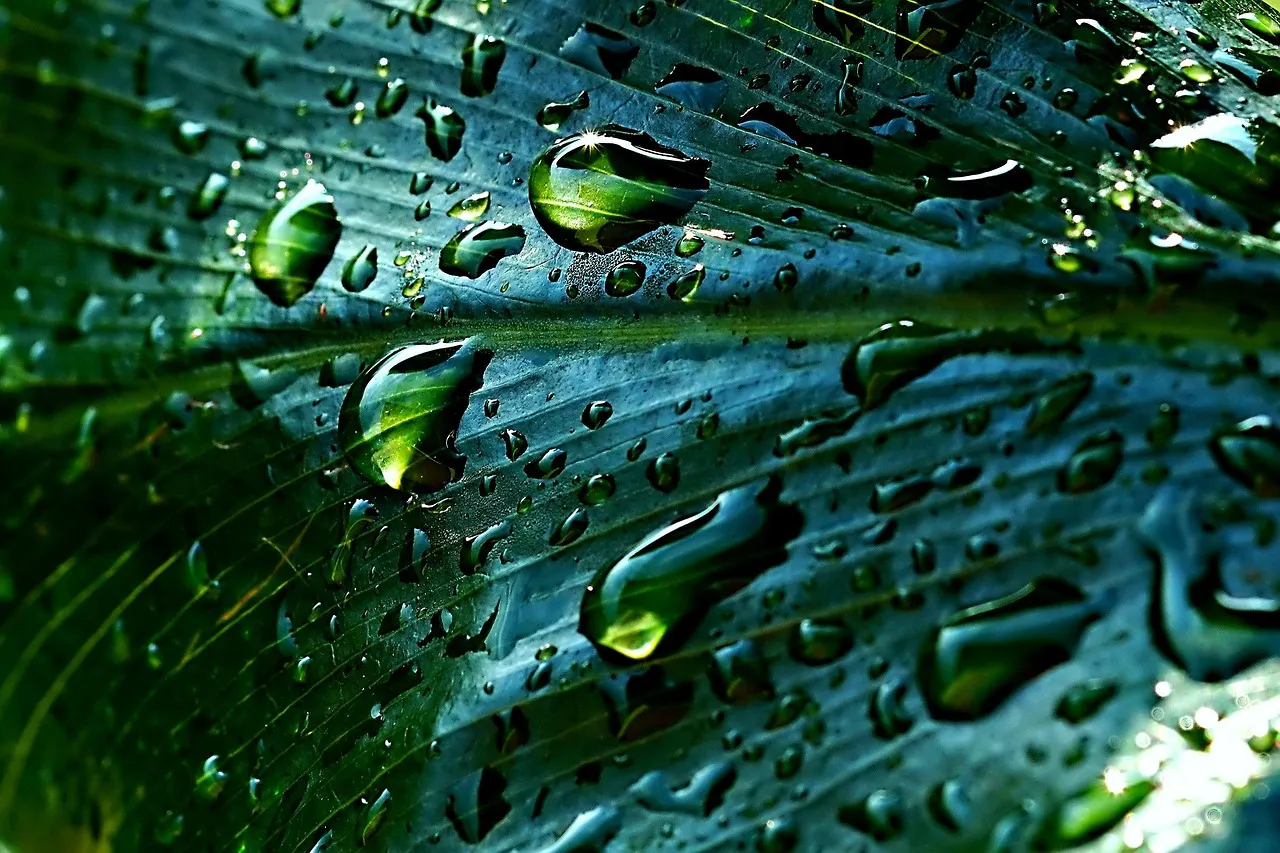
The rooftop of a typical home can collect almost 500 gallons from just half an inch of rain, making water harvesting well worth the effort. Rainwater harvesting can be as simple as directing runoff to basins around your plants or collecting it in a rain barrel, or more complex systems may include gutters, storage tanks, pumps, and a delivery system. The barrier to entry is genuinely low.
Plants actually benefit more from rainwater than traditional water resources due to its natural softness and freedom from contaminants like minerals and salts unlike tap water, where these may still be present. This ensures plants a healthier source of hydration. Even a single barrel and a watering can is enough to run a meaningful experiment in a small garden.
The Surprising Takeaway

A month of rain-only watering won’t transform a struggling garden overnight. What it does do is remove an invisible ceiling that treated tap water quietly puts on plant health over time. The changes are gradual, cumulative, and real.
The experiment also shifts how you relate to the garden itself. Paying attention to rainfall patterns, collecting and storing water deliberately, watching how plants respond differently to natural water versus treated water – all of it builds a closer, more informed relationship with what’s actually happening in the soil. That, more than any single metric, felt like the genuine result worth keeping.
AI Disclaimer: This article was created with the assistance of AI tools and reviewed by a human editor.