

Somewhere between the third pile of mismatched rocks and the handwritten sign declaring a “No Adults Zone,” I realized I had genuinely lost control of my own backyard. That was the summer I handed my kids the keys, so to speak, and told them the space was theirs to shape. What happened next was messy, loud, occasionally baffling, and, in retrospect, probably one of the smartest parenting choices I’ve made.
The idea wasn’t radical in theory. Plenty of researchers and child development specialists have been saying for years that children thrive when they have genuine agency over their play environments. Actually living that principle for a full summer, though, is a different experience entirely. This is what it looked like from inside the chaos.
Why Kids and Screens Are Heading in the Wrong Direction

Research from a 2024 Lingokids survey found that roughly two thirds of children use technology significantly more during summer break, precisely when school structure disappears. That statistic hit home for me before the experiment even started. Data from 2024 shows that children aged five to eight spend an average of three hours and twenty-eight minutes on screens each day. Handing my kids a backyard project was, among other things, a deliberate attempt to redirect that energy somewhere tangible.
The Ground Rules (Such as They Were)
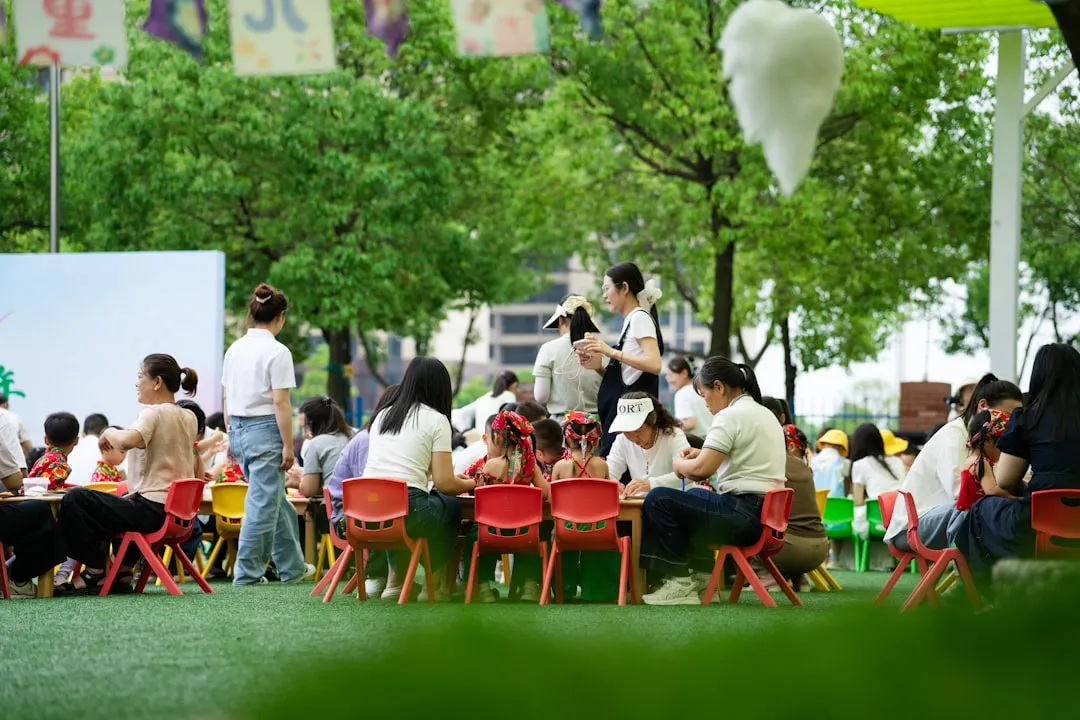
I kept the rules minimal on purpose. They could arrange, build, dig, plant, and decorate. I would not override their choices unless something posed a genuine safety issue. Research on natural outdoor classrooms identifies four factors that genuinely enhance children’s creativity: predictable spaces, ample and consistent time, open-ended materials, and caring adults who observe without controlling. I tried to be the fourth element without smothering the first three. It required more restraint than I expected.
What They Actually Built
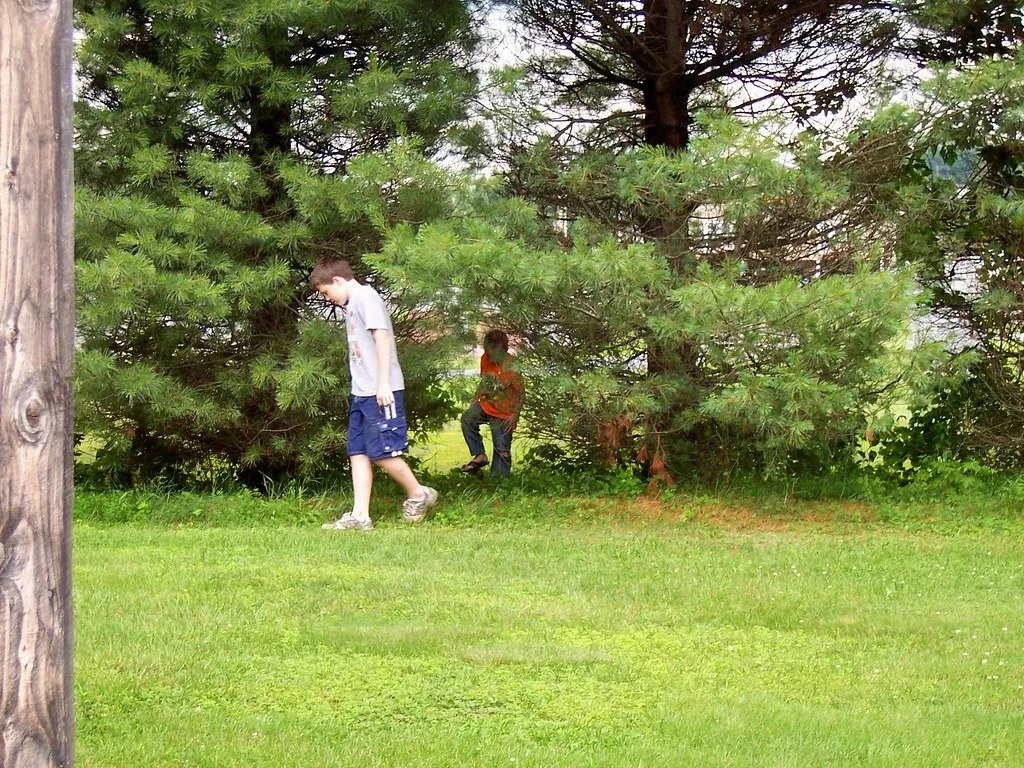
Within a week, the yard had zones. One corner became a “laboratory” with collected sticks, stones, and a repurposed plastic bin filled with mud and water. Another became a stage made from two wooden pallets. Research has shown that loose parts, particularly natural loose parts, are highly associated with exploratory play, and watching my kids instinctively gravitate toward exactly that kind of material was quietly validating. The swing set I had bought the previous year sat largely ignored.
The Creativity That Came Out of It

The unstructured nature of outdoor play stimulates creativity and problem-solving abilities, as children invent games, navigate obstacles, and interact with diverse elements in their environment, fostering flexible thinking and adaptability. I saw this play out in real time. My seven-year-old developed an elaborate water-routing system using old gutters and a garden hose. My younger one invented rules for a game that changed every single day and somehow always ended in her favor.
The Social Dynamics Were Surprising
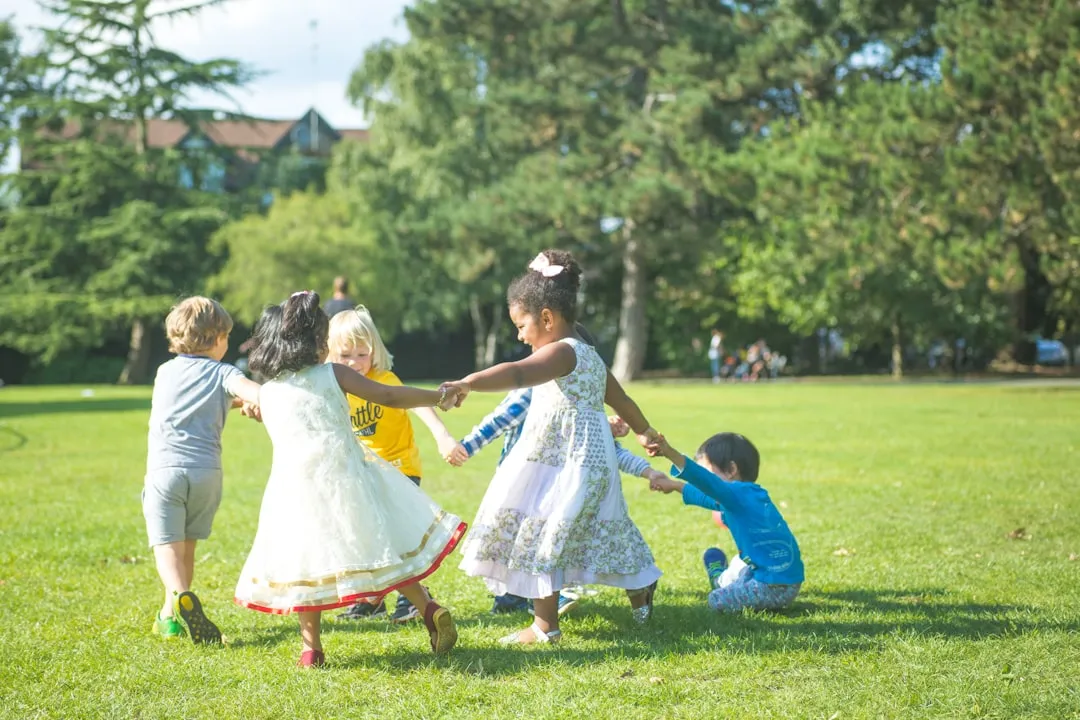
Playing outside provides children with opportunities to interact socially, helping them develop essential communication and collaboration skills, and through group play, children learn to negotiate rules, resolve conflicts, and empathize with peers. Neighborhood kids started showing up. Arguments broke out over who owned which rock pile. Those arguments got resolved, without my involvement, more often than not. Research has identified authentic child agency and autonomy as critical mechanisms through which developmental benefits are realized across early childhood and school-aged populations.
The Risky Play I Had to Let Happen
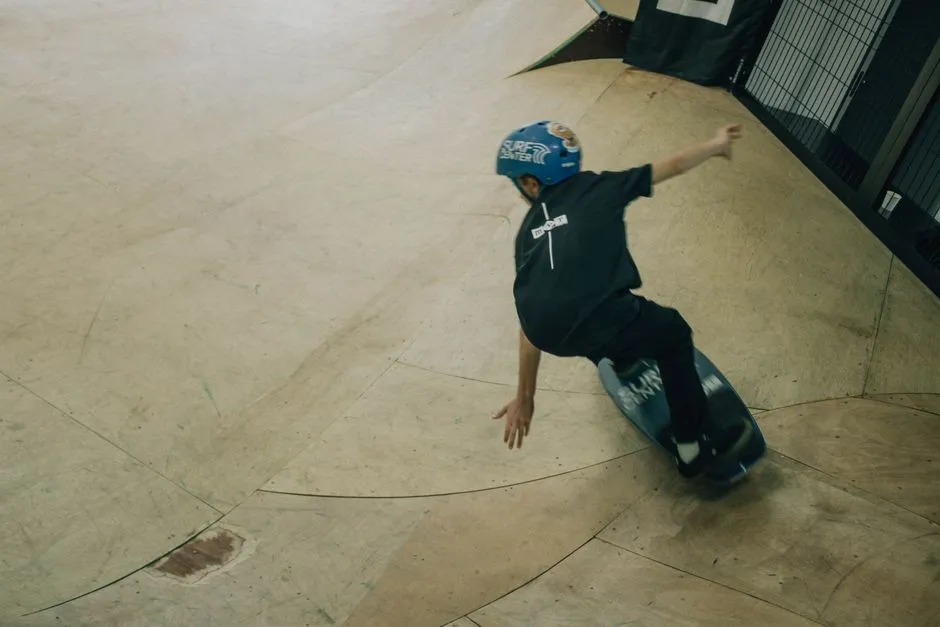
There was a stretch of two weeks where my kids were absolutely committed to building a ramp using a plank and a stack of bricks. Every instinct told me to intervene. A scoping review of forty empirical studies from 2015 to 2025 found that all forty studies reported positive associations across multiple developmental domains, with key themes including resilience, confidence, wellbeing, physical skills, and autonomy. I let the ramp happen. Nobody got seriously hurt, and both kids came away with a noticeably improved sense of what their bodies could actually do.
What the Research Says About Letting Kids Lead Outdoors
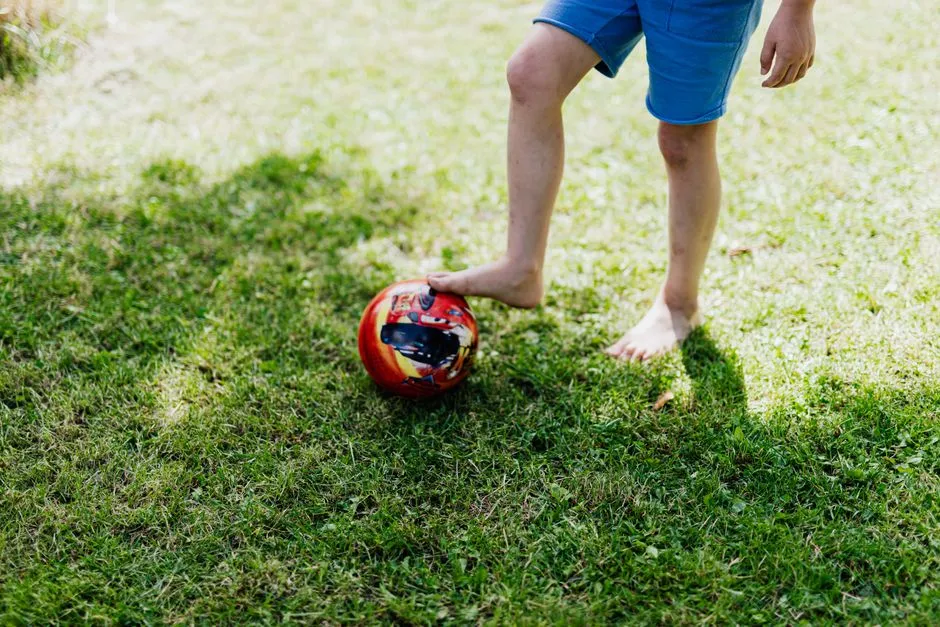
Evidence suggests that repeated exposure to high-quality, unstructured outdoor play has a positive impact on social and cognitive development, including executive functions. The key word in that sentence is “unstructured.” Recent co-design research highlights children’s desire for diverse features in play environments, including physical challenge, cooperative play, adventure, and risk. These aren’t the elements adults typically prioritize when setting up a backyard. Kids, left to their own devices, prioritize exactly those things.
The Parental Anxiety Is Real, But Manageable

Research notes that implementation barriers to risky outdoor play persist, including parental anxiety, institutional liability concerns, and cultural risk aversion. That describes my initial headspace with uncomfortable precision. The shift I made was accepting that a scraped knee and a bruised ego are part of how children build resilience, not accidents to prevent at all costs. Outdoor play is recognized as crucial for children’s holistic development, contributing to improved physical health, cognitive stimulation, social interaction, and emotional well-being. Knowing that made the anxiety easier to sit with.
The Nature Connection Happened Without Me Forcing It
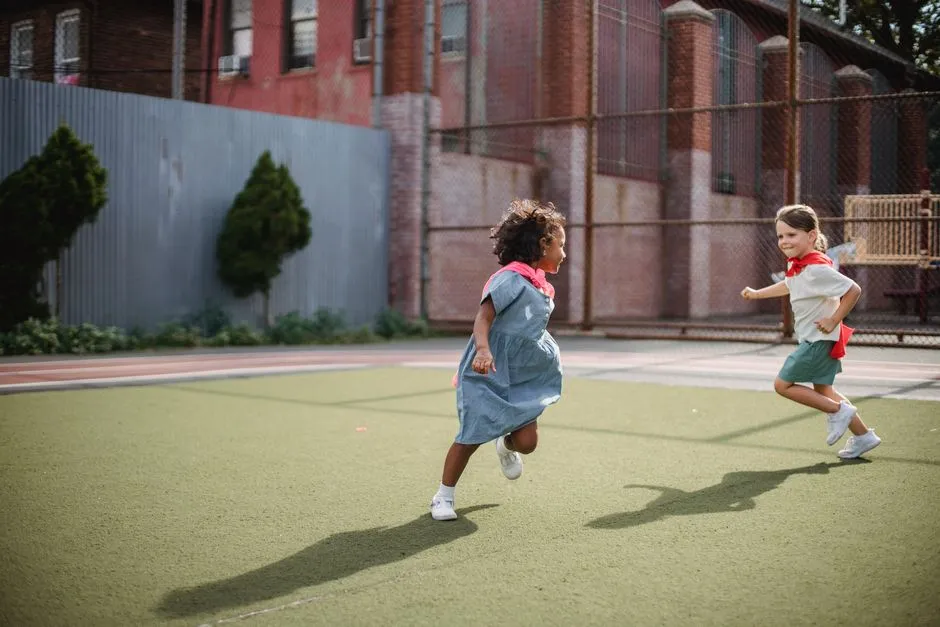
Outdoor play in nature-rich spaces has been associated with healthy development among young children, and the diverse play opportunities afforded by natural environments can scaffold health benefits, appreciation of nature, and pro-environmental behaviors into adulthood. By midsummer, my kids were genuinely curious about bugs, soil, and which plants attracted which insects. That curiosity wasn’t a lesson I planned. Contact with nature during childhood promotes creativity, imagination, intellectual and cognitive development, and boosts social relationships. It emerged from time and space to simply be outside.
What the Summer Actually Changed

By the end of August, the yard was unrecognizable, in the best way. There was a garden patch they had planted themselves, a small obstacle course, and a very official-looking “headquarters” fashioned from bamboo sticks and old bedsheets. Prioritizing time outside supports children’s physical health, cognitive growth, social skills, and emotional well-being, laying the foundation for a balanced and fulfilling life.
I noticed real changes: more patience between siblings, longer attention spans during meals, and far fewer requests to watch something on a screen. Children who spend more time in nature demonstrate stronger developmental patterns according to research published in 2025, and I’d say our summer confirmed that quietly and convincingly.
The Takeaway
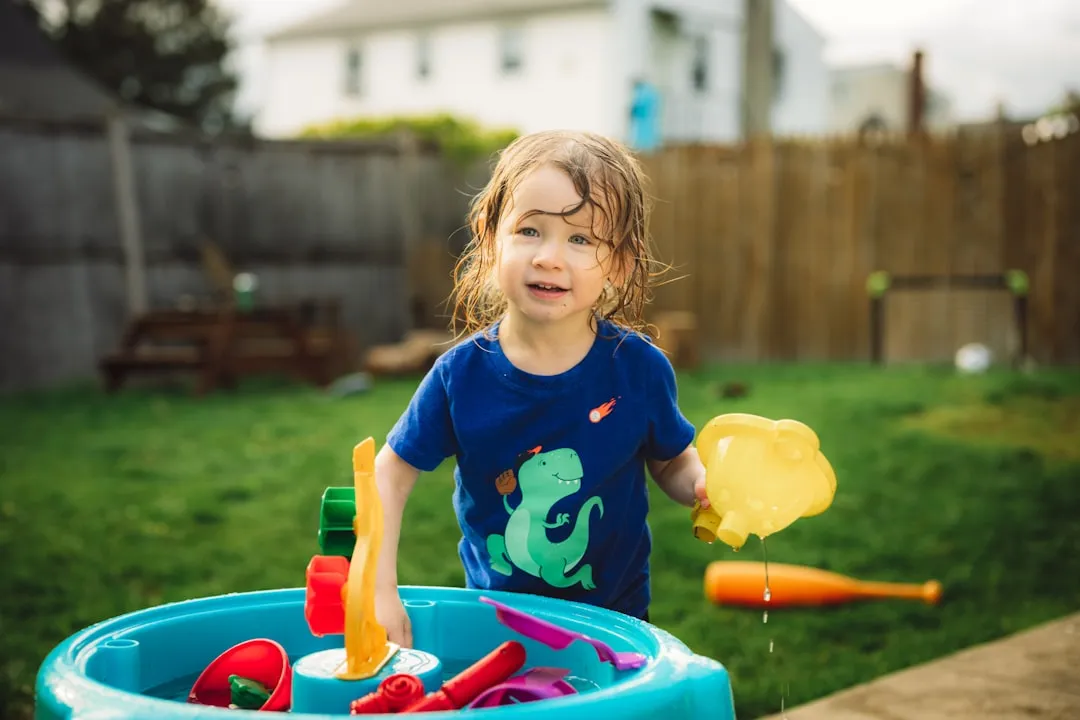
Handing over control of a space to your kids isn’t about withdrawing as a parent. It’s about making room for a kind of learning that doesn’t happen when adults arrange everything in advance. The backyard looked chaotic to visitors. To us, after a summer of watching it evolve, it looked like evidence.
The decline in children’s outdoor playtime and the rise of excessive screen usage have raised genuine concerns about long-term physical health, mental well-being, and overall development. One backyard, one summer, and a willingness to tolerate a little disorder might be the most straightforward counterargument available to most families right now.
AI Disclaimer: This article was created with the assistance of AI tools and reviewed by a human editor.