
There’s something genuinely tempting about handing a complicated task to a chatbot. Vegetable gardening involves timing, spacing, soil knowledge, climate zones, pest management, and a hundred small decisions that trip up even experienced growers. So when ChatGPT arrived promising thoughtful, personalized answers to almost any question, it was only a matter of time before gardeners started asking it to take the wheel entirely.
The results have been educational, though not always in the way people expected. Across real-world tests carried out by gardeners, journalists, and horticultural experts from 2024 through 2026, a clear picture has emerged: the AI can be genuinely useful, but it makes specific, repeatable mistakes that cost real time, money, and harvests. Here’s what those mistakes actually look like.
The Plan Looked Great on Paper
The first thing ChatGPT does remarkably well is generating a plan that feels authoritative and complete. It lists varieties, spacing figures, timing windows, and companion planting suggestions with impressive confidence. When asked for a beginner garden in a specific hardiness zone, the tool offered 14 plants complete with care needs, botanical names, and layout guidance. That kind of structured output feels like genuine expertise.
The problem is the confidence itself. Real testers found that one could not really act on ChatGPT’s garden plan, given the fact that it is so vague. The plans read well but often lacked the precise, local detail a gardener actually needs to break ground. It’s the difference between a plausible-sounding recipe and one that’s actually been tested in a kitchen.
It Didn’t Know Your Actual Soil
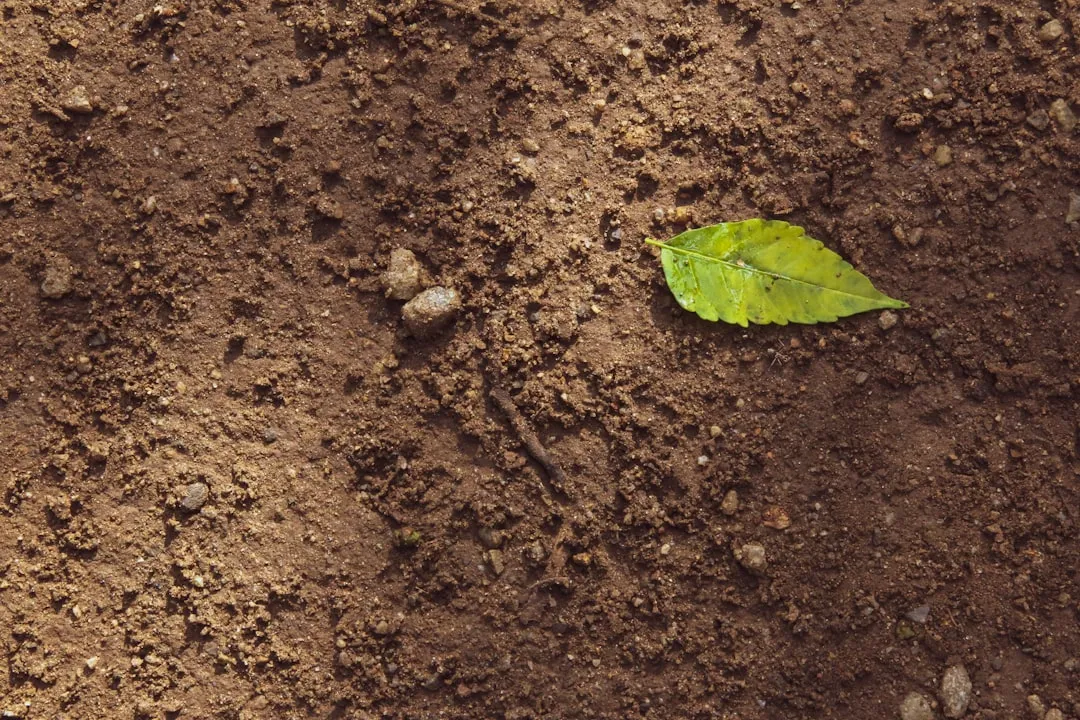
Soil is one of those variables that changes dramatically from one yard to the next, and it’s the one thing ChatGPT can never actually assess. One of the key components of AI in vegetable garden design is data analytics used to assess garden conditions, with AI systems analyzing soil moisture levels, sunlight exposure, and nutrient content to make recommendations – but only when real sensor data exists. Ask a general chatbot about your soil, and it’s working entirely from what you tell it, which is rarely complete.
Gardeners who followed AI-generated soil advice without getting a basic soil test first often found themselves applying the wrong amendments. Clay soil, sandy soil, and loamy soil behave completely differently when it comes to drainage, water retention, and nutrient availability. ChatGPT, without local data, defaults to generic assumptions that may not apply to your plot at all.
The Invasive Plant Problem
One of the more surprising findings from real-world testing was ChatGPT’s casual attitude toward potentially invasive species. When experimenting with AI garden planners, testers noticed that ChatGPT readily recommended plants that are on Pennsylvania’s invasive plant list, unless it was specifically asked for native plants. The same issue likely applies in many other regions with their own invasive species lists.
This matters because invasive plants don’t just compete with your vegetables. They can spread beyond your garden boundary, affecting neighbors and local ecosystems. The AI isn’t being reckless on purpose. It simply lacks the regional, regulatory awareness that a local cooperative extension office or experienced master gardener would have by default.
Companion Planting Advice Was Hit or Miss
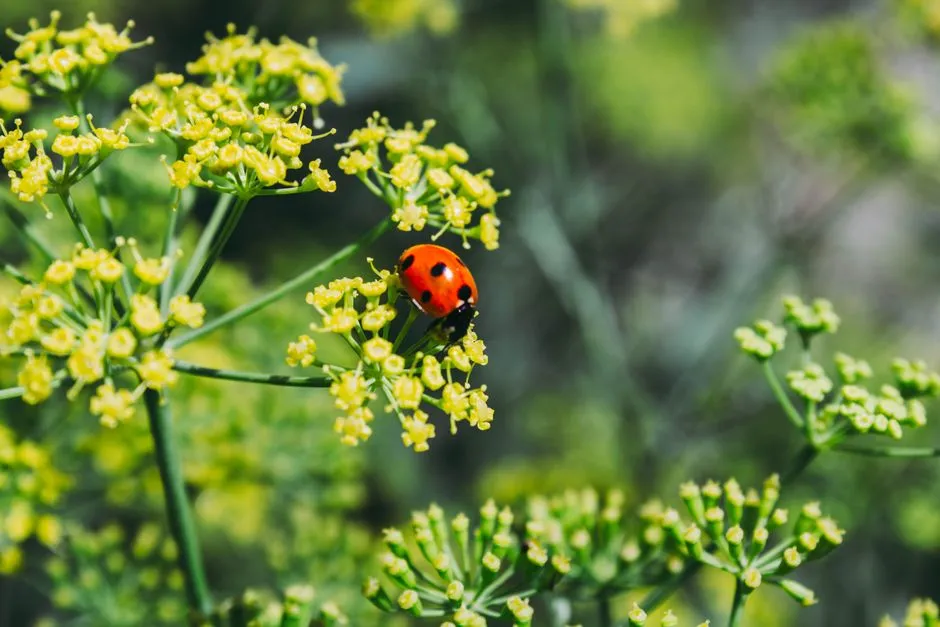
AI can generate garden layouts and suggest companion planting strategies, and can even help with crop rotation to keep soil healthy. In theory, this is genuinely valuable. In practice, companion planting recommendations from ChatGPT have proven inconsistent, sometimes contradicting well-established horticultural guidance.
A good example involves fennel, which is notoriously bad company for most vegetables and should generally be isolated or left out of a mixed bed entirely. Some AI-generated plans have placed it near tomatoes, peppers, or basil without flagging the conflict. ChatGPT does not necessarily provide accurate information, and it doesn’t fully understand concepts the way humans do. Companion planting, which relies on nuanced ecological relationships, is exactly the kind of topic where that gap shows up.
Spacing Recommendations Were Often Impractical
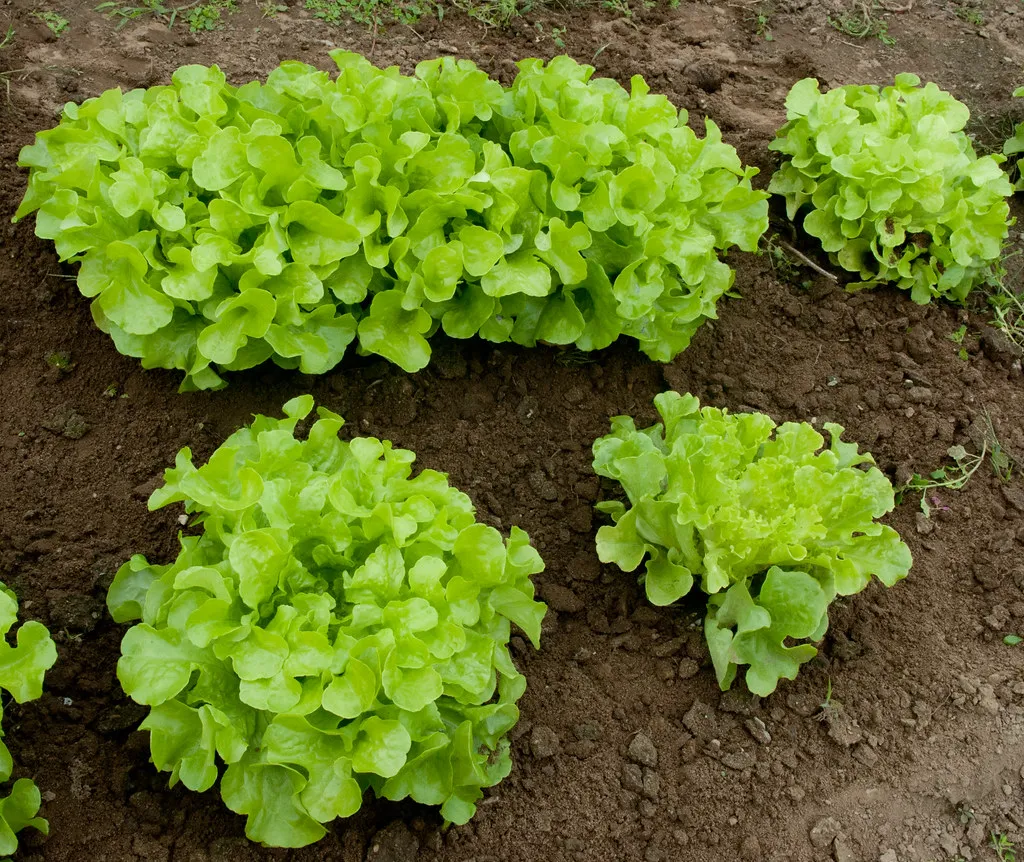
Spacing is one of gardening’s less glamorous details, but get it wrong and you’ll end up with overcrowded plants competing for light, air, and nutrients. At the time of testing, it seemed beyond ChatGPT to include links to each recommended plant so that one could see a photo and read about height and spacing requirements and common problems. The numbers it offered were sometimes correct in isolation but didn’t account for how multiple crops would interact across a shared raised bed.
Following specific spacing recommendations for each plant within its square foot to avoid overcrowding is important, and while ChatGPT can generate those numbers, it often failed to reconcile them with the total space available. Testers found layouts where the plants ChatGPT recommended, placed at ChatGPT’s suggested distances, would have required significantly more square footage than the actual bed provided.
It Hallucinated with Confidence

The most technically documented problem is what AI researchers call hallucination. AI hallucination occurs when large language models generate text that contains inaccurate or false information, often in an affirmative manner that makes it difficult for humans to even suspect errors. In gardening, this can look like a planting date that’s weeks off for your region, or a care tip that’s simply incorrect.
A chatbot is prone to make up information it is unable to find, a phenomenon called “hallucinating,” which means it is important to check every ChatGPT reference to make sure it is reliable, research-based information. Purdue University’s Master Gardener program flagged this concern explicitly in their 2025 newsletter, warning volunteers not to trust AI output without independent verification. The danger is that the wrong information is delivered in the same confident tone as the right information.
It Missed the Local Climate Nuance
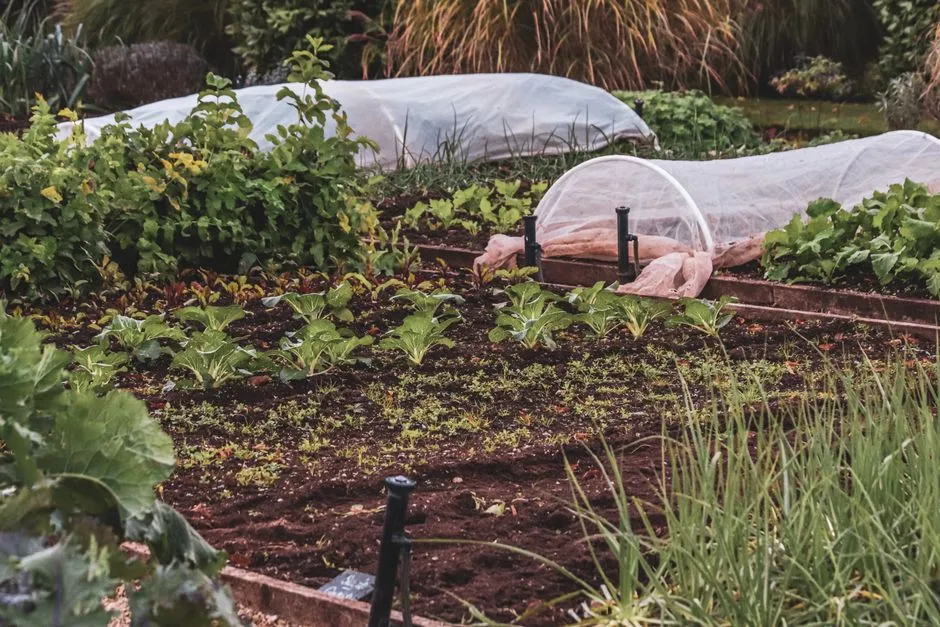
AI can generate a customized gardening calendar based on local climate, but only if you supply detailed, accurate location data upfront. Most users don’t. They type something like “vegetable garden in the northeast” without specifying last frost dates, local rainfall patterns, or microclimate factors like a wind-exposed slope or a frost pocket in a low-lying corner of the yard.
ChatGPT then fills in the blanks with regional averages that may not reflect ground-level reality. A gardener in coastal Maine and one in inland Vermont both live in “the northeast,” but their planting windows can differ by three weeks or more. Generic climate advice, applied too literally, leads to seeds started too early or transplants set out just before an unexpected late frost wipes them out.
The Prompt Quality Problem
A consistent finding across multiple real-world tests is that ChatGPT’s gardening output is only as good as the question asked. A bad prompt will produce less than optimal results, and while gardeners are often told to be concise, the more context provided, the more likely the results will be helpful. Most first-time users type short, vague prompts and receive vague, generic plans in return.
To receive useful garden planning advice from ChatGPT, being as specific as possible with a prompt is recommended, perhaps even asking for suggestions for a specific type of garden. The practical implication is that ChatGPT rewards users who already know enough about gardening to ask detailed questions, which creates a bit of a circular problem for true beginners who need the most help.
Professional Gardeners Spotted the Gaps Immediately
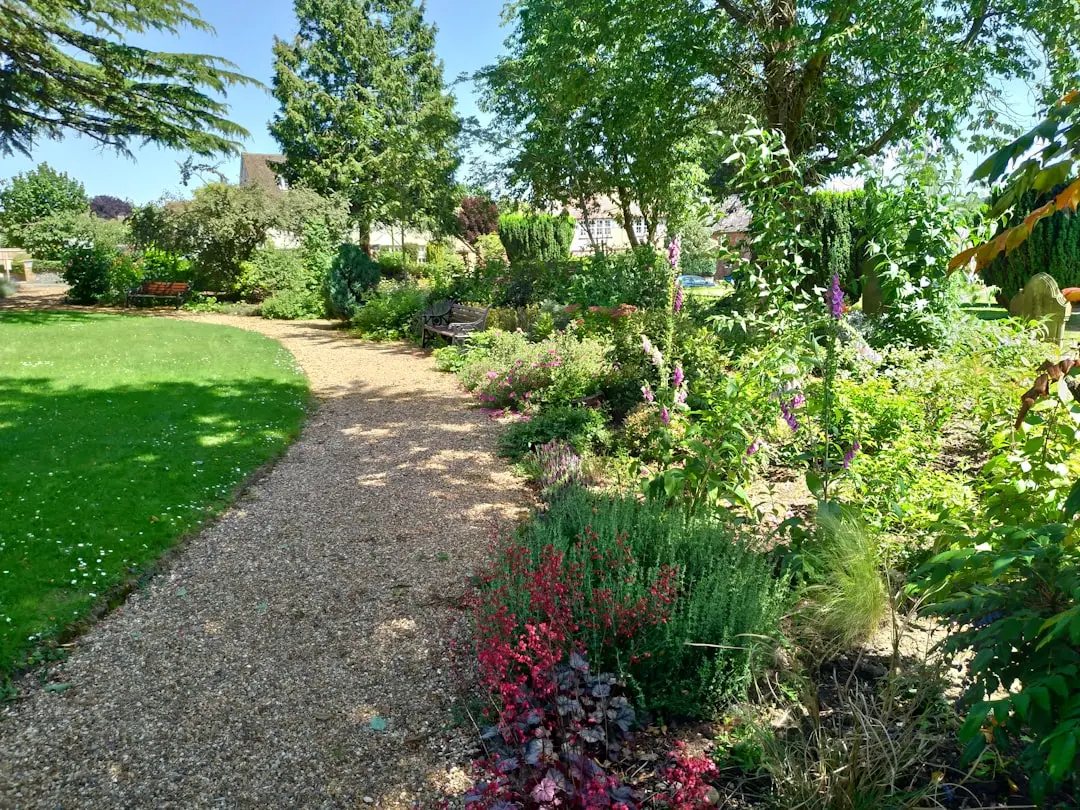
An AI-designed vegetable garden wasn’t a total disaster, but it wasn’t the foolproof plan it first appeared to be, as a real garden designer analyzed the plan and spotted some surprising mistakes. That gap between a plan that looks coherent and one that actually works in real soil is exactly where expert knowledge earns its place.
While professional designers don’t think AI is entirely useless, they insist on treating it as a starting point rather than a finished plan. The concern isn’t that AI advice is always wrong. It’s that when it is wrong, a novice gardener is often the least equipped to spot the error before it becomes an expensive or time-consuming problem in the ground.
Where ChatGPT Actually Helped
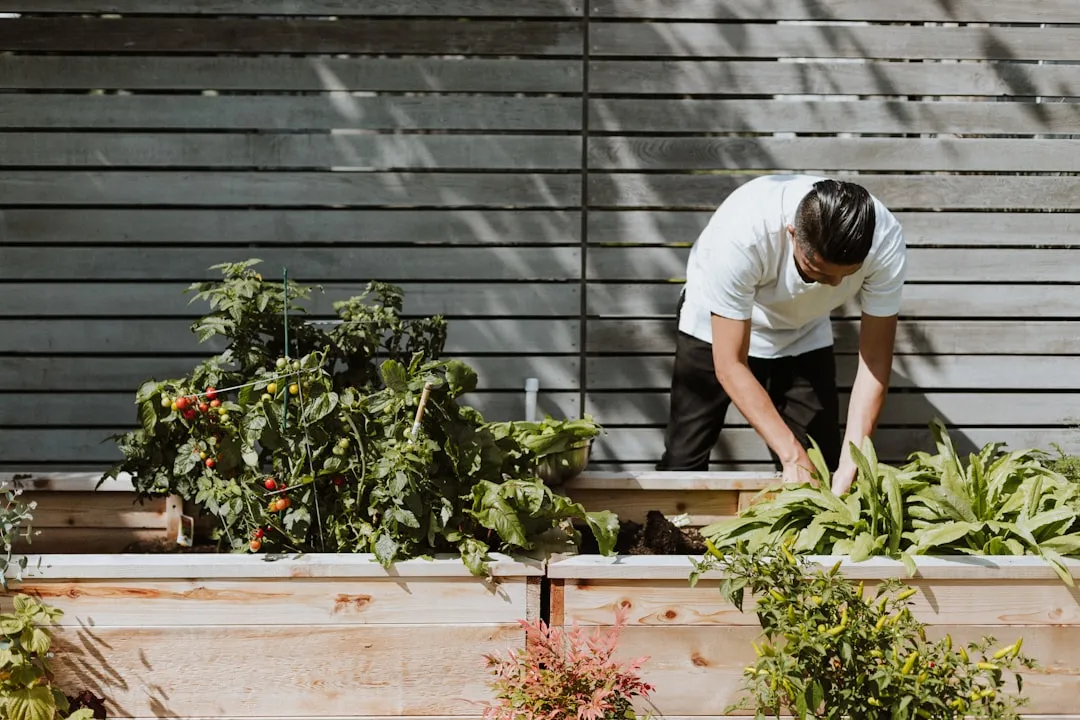
To be fair, the experiment wasn’t a complete write-off. Conversational AI assistants have become powerful garden-planning partners, offering personalized suggestions, plant insights, and layout concepts with simple prompts. For brainstorming what to grow, understanding basic care needs, or getting a rough planting timeline started, the tool genuinely reduced friction.
The goal of simply growing a modest amount of vegetables while avoiding mistakes was achievable, with the approach of giving ChatGPT as many relevant details as possible about the gardening situation and having it produce planting instructions and maintenance schedules for each crop. Used that way, as a research starting point rather than a final authority, ChatGPT added real value. The gardeners who got into trouble were those who skipped the follow-up verification step entirely.
The Takeaway
ChatGPT is a useful tool for vegetable garden planning in roughly the same way a search engine is useful for medical symptoms. It can point you in a reasonable direction quickly, but it lacks the local knowledge, sensory awareness, and professional accountability that separate good advice from costly mistakes. If you rely too much on ChatGPT, it can impair your ability to develop real skills, like finding accurate, useful information about gardening.
AI garden planning still has a lot to learn, but with so much information available, it could quickly become a powerful tool for gardeners, especially beginners. For now, being as specific as possible with prompts is probably the best way to make this technology useful. Cross-check the planting dates with your local cooperative extension service. Get a soil test. Talk to someone who has gardened in your specific area for years. The AI can sketch a draft, but the garden still belongs to you.
AI Disclaimer: This article was created with the assistance of AI tools and reviewed by a human editor.