

It started with a near-empty pantry, a vague hunger, and zero motivation to plan a grocery run. Most of us have been there: a can of chickpeas, some dried pasta, a lonely onion, and a bottle of olive oil that’s seen better days. Instead of defaulting to takeout, I typed my sad inventory into ChatGPT and asked it to do something useful. What came back surprised me.
The recipe actually worked. More than that, it was the kind of meal I’d have ordered at a casual restaurant without thinking twice about it. That experience sent me down a rabbit hole, and what I found says a lot about where AI-assisted cooking is right now in 2026.
The Moment AI Entered My Kitchen
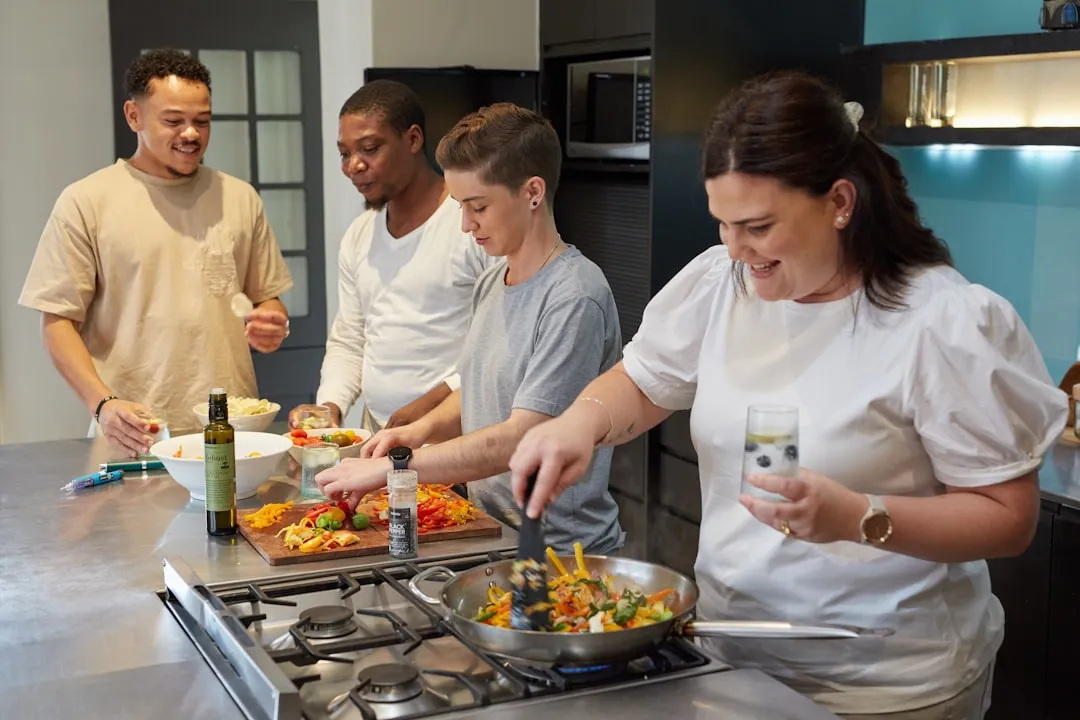
Most people don’t think of ChatGPT as a cooking tool first. It’s better known for writing emails or explaining tax forms. Still, ChatGPT is trained on a large dataset of existing recipes and ingredient lists, which allows it to understand how different ingredients and flavors work together, and with that understanding it can generate new recipe ideas by suggesting ingredient combinations and providing preparation instructions. That’s not a small thing when you’re staring at three half-used vegetables at 7 p.m.
A food blogger who used ChatGPT for recipe content found that by inputting a list of ingredients they wanted to use, ChatGPT was able to suggest different recipe options and provide step-by-step instructions for each one. That’s almost exactly what I did, and the results were more structured than I expected. The AI didn’t just throw ingredients together randomly; it thought about method, timing, and seasoning.
How Many People Are Actually Doing This?
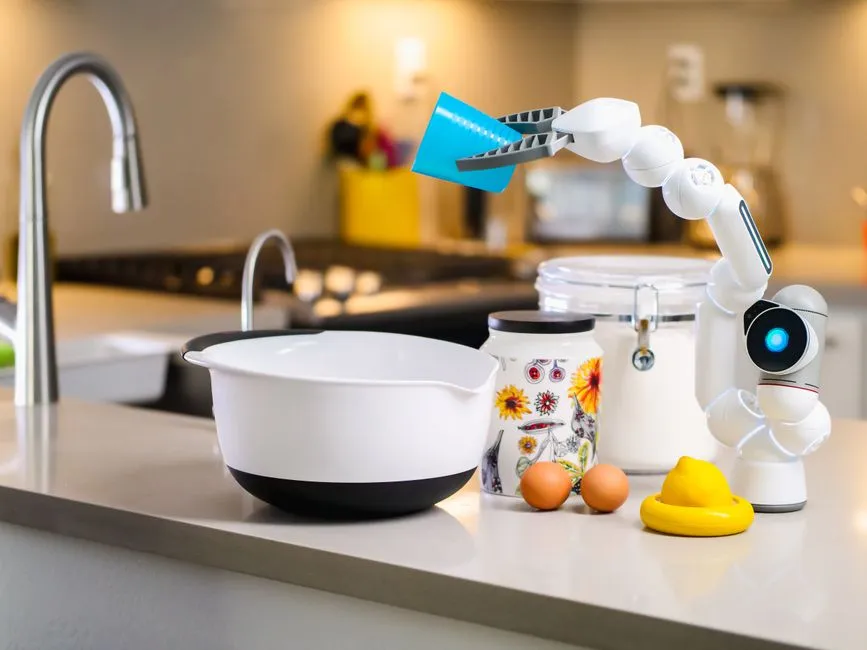
According to a 2024 report by the Food Industry Association, roughly 35 percent of home cooks in the United States had used AI tools for cooking-related tasks. That’s not a niche group anymore. It’s a significant share of the everyday cooking population, and the number had grown substantially in just a few years.
A 2023 survey found that almost half of American adults were interested in AI-generated recipes. Interest and actual use are different things, of course, but the gap between the two is clearly closing. The speed of adoption reflects something real: AI is faster than scrolling through a food blog’s life story before the recipe, more responsive than a cookbook index, and more flexible than a meal kit service.
What Happens When You Type Your Pantry Into ChatGPT

You can ask your chatbot to whip up custom recipes tailored specifically to your tastes, then set specific variables including ingredients, dietary preferences, time, serving size, and degree of difficulty. That flexibility is what makes it feel less like a search engine and more like talking to someone who actually cooks.
The AI scans your available ingredients, understanding their properties, potential combinations, and nutritional values. It’s not just pattern matching. Using complex flavor databases and culinary science, the AI can predict and create taste combinations that are both innovative and delicious. The chickpea dish I ended up with had a spice ratio I wouldn’t have arrived at on my own.
The Science Behind the Suggestions
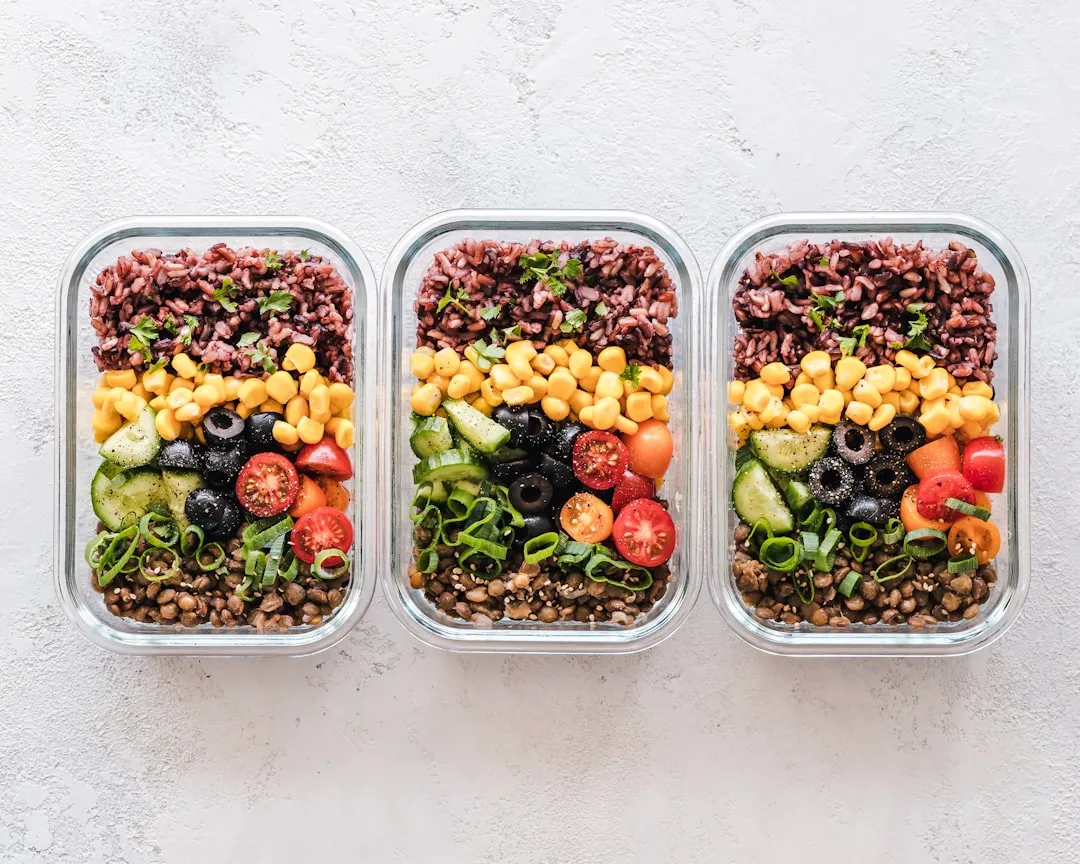
Research published in February 2026 presented an intelligent recipe generation system designed to support users in everyday meal planning, recommending recipes based on the availability of ingredients and individual food preferences, and addressing common challenges faced by users when time is limited or ingredient choices are restricted, employing AI through practical and user-friendly methods suitable for real-world cooking scenarios.
The system monitors daily nutritional objectives including caloric intake, protein, carbohydrates, and fat consumption, while recipe recommendations dynamically adapt to user preferences, reducing monotony and simplifying daily cooking routines. That’s a far cry from simply Googling “what to make with canned tomatoes.”
A Booming Market That’s Hard to Ignore
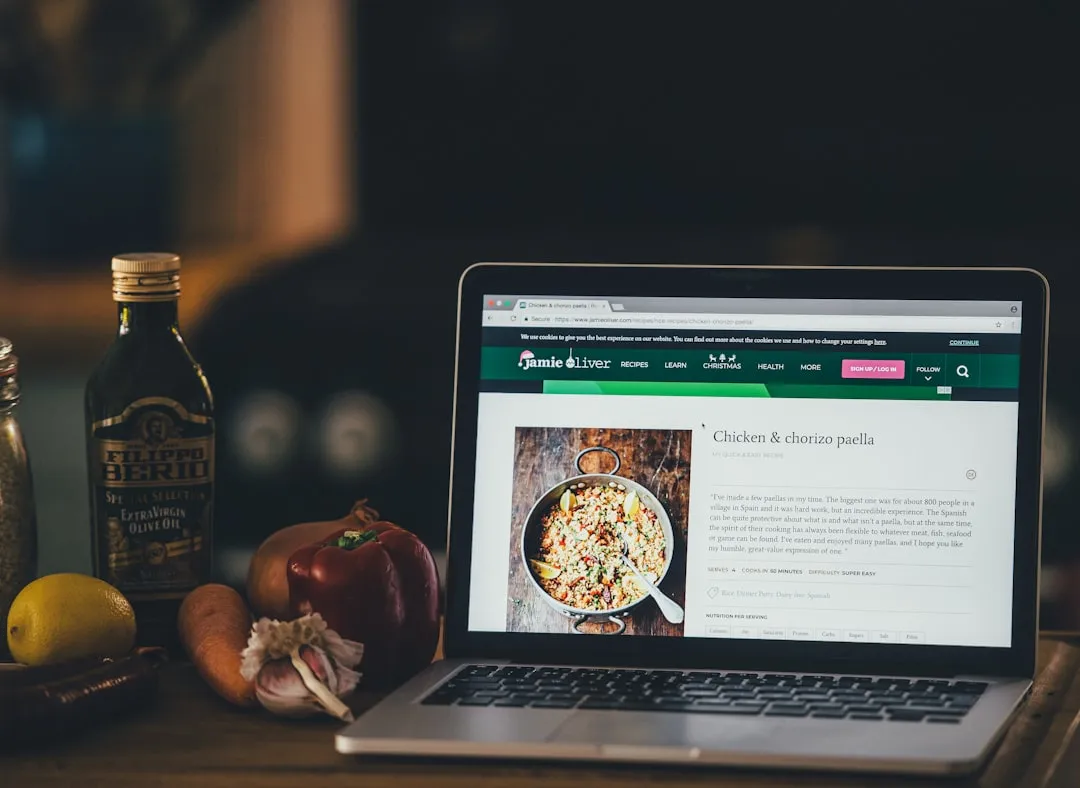
The global recipe app market grew to USD 5.80 billion in 2024, projected to reach USD 6.41 billion by 2025 with a 10.5 percent compound annual growth rate, and is on track to exceed USD 14 billion by 2033, according to a report by Straits Research. That kind of growth doesn’t happen without genuine consumer demand driving it.
North America is projected to lead this surge, with the market expected to reach USD 844 million by 2034, growing at a strong 12.7 percent compound annual growth rate, as highlighted by Market Scoop. The pantry-to-plate use case is one of the clearest reasons people keep coming back to these tools. It solves a real, daily problem without requiring any extra shopping.
Where AI Cooking Gets It Right
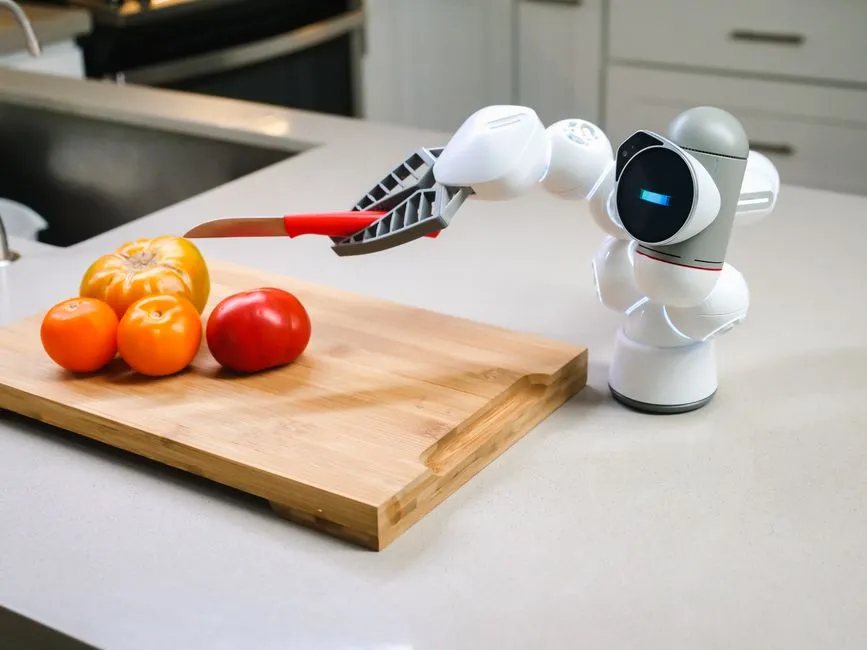
AI-generated recipes were rated similarly to human-written content on several metrics, including perceived ease of preparation, use of common ingredients, and time requirements, according to research from Utah State University’s Department of Nutrition, Dietetics and Food Science. That’s a meaningful finding, because ease of preparation matters a lot for the average home cook who isn’t trained.
AI is very good at generating and scaling food ideas quickly. It can synthesize thousands of flavor combinations, cuisines, and dietary constraints in seconds, which for home cooks can be inspiring. It lowers the barrier to entry and helps people experiment with ingredients they might not normally combine. That experimental quality is exactly what I experienced – the result felt more adventurous than anything I would have defaulted to on my own.
Where It Still Falls Short
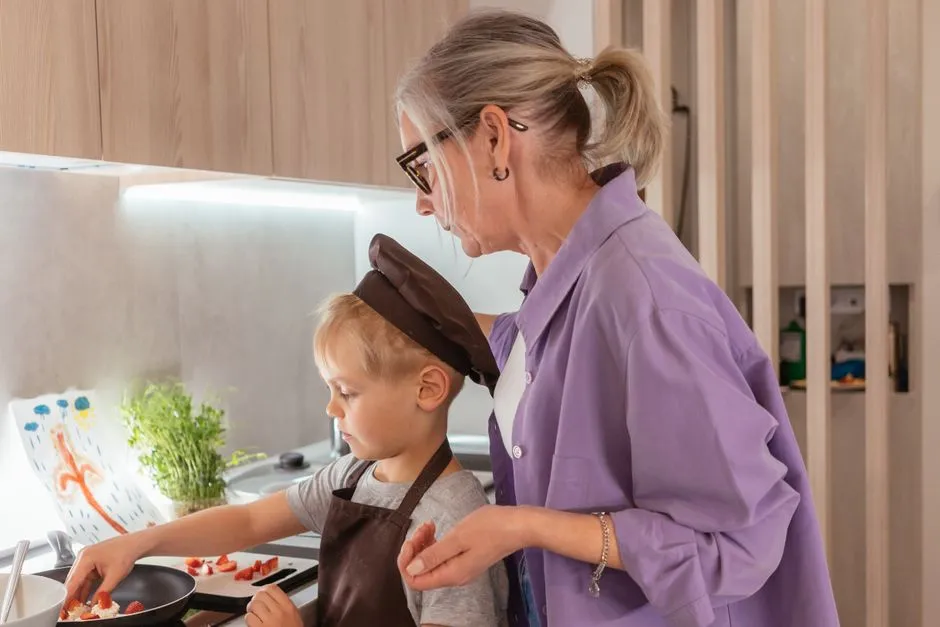
AI cannot taste food. It does not intuitively understand texture, seasoning balance, or how a sauce should feel when properly reduced. It also may miss subtle but important technical steps that experienced cooks know instinctively, like blooming spices, salting in stages, and watching visual cues instead of time.
Getting the best results from AI still requires a human to feed it the right prompts. That’s the practical reality most people learn quickly. A vague prompt like “make something with pasta” returns a generic result. A specific prompt that includes quantities, what you want to avoid, and how long you have to cook produces something genuinely useful. The human still has to show up.
The Food Waste Angle Nobody Talks About Enough
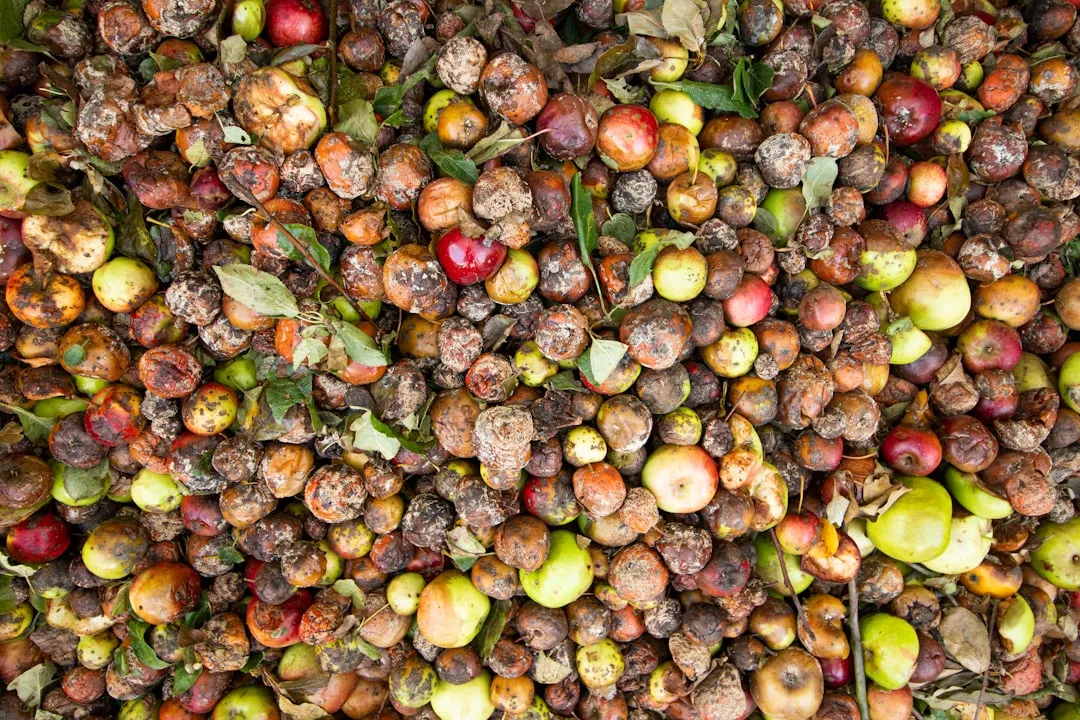
These AI-powered features aren’t just about convenience: they also help save money and reduce waste. In November 2025, a CNET editor tested an AI-generated meal plan and achieved zero food waste, avoiding the typical $125 monthly loss many U.S. households face. That’s a real financial benefit, not just a lifestyle perk.
AI cooking tools directly tackle the alarming statistic that around 40 percent of the nation’s food supply goes to waste every year. Apps like Samsung Food now utilize Vision AI to identify ingredients from photos of your pantry or fridge, suggest recipes, and prioritize items that are close to expiring. The pantry-first approach isn’t just convenient; it’s one of the most practical things a household can do to cut down on waste.
How to Get Better Results From ChatGPT in the Kitchen

You can snap a photo of your pantry ingredients and ask the AI what the simplest way to cook with them would be, and it can identify the ingredient and generate a lesson plan instantly. Even without a photo, specificity matters enormously. Tell it your dietary restrictions, how many people you’re cooking for, and how much time you actually have.
You can ask ChatGPT complex questions like why a sauce separated, or what happens chemically when you caramelize onions, and it explains the mechanism, helping you internalize the principles of heat and acid so you can eventually cook without recipes. That’s a genuinely underrated use of the tool: not just getting a recipe, but understanding why the steps work the way they do. Over time, that builds real cooking instinct.
What This Means for the Everyday Cook
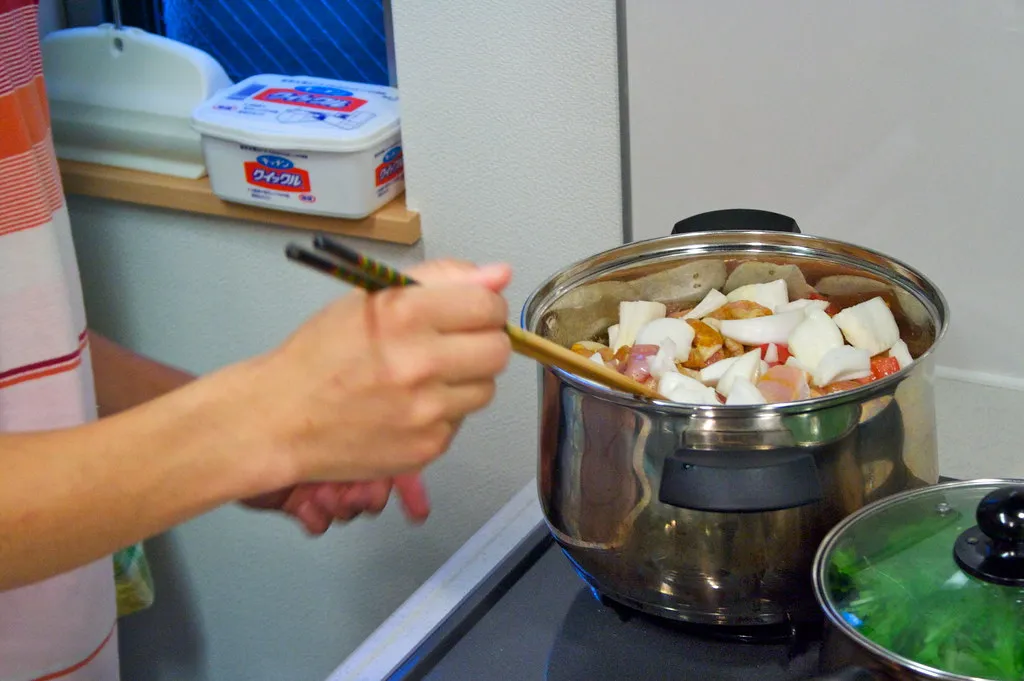
AI recipe generation demonstrates how technology can complement the creative process that has always relied on human intuition and experience. Used thoughtfully, it doesn’t replace the cook in the kitchen; it becomes a capable partner, offering inspiration while you contribute judgment, skill, and the finishing touches that make a meal truly your own.
Research examining how users perceive AI in culinary scenarios found that perceived AI accuracy and general attitudes toward AI positively shaped trust in AI cooking applications, while AI anxiety had a negative effect. Data from 380 UK participants revealed two groups: a small segment open to AI-assisted cooking, and a larger group of avoiders. The hesitance is real, but it often fades after a first successful meal. Mine certainly did.
The Takeaway
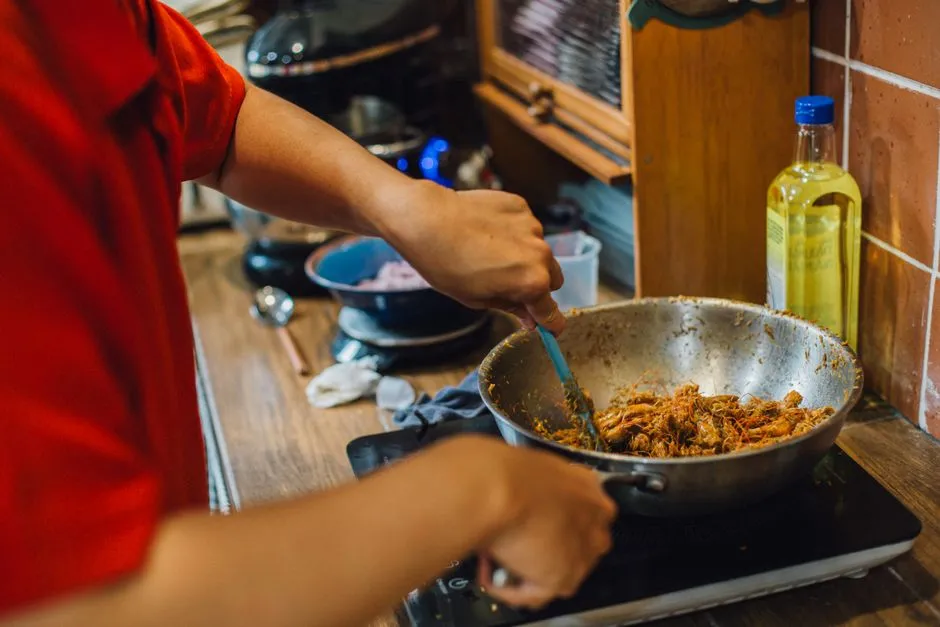
There’s a version of this story that ends with AI replacing cookbooks, food bloggers, and the intuition built over years of actual cooking. That version is probably overstated. The technology is genuinely useful, widely adopted, and structurally indifferent to the expertise that makes a recipe trustworthy – which means the human judgment you bring to the kitchen still matters, maybe more than ever.
What ChatGPT did for me wasn’t magic. It looked at what I had, understood how those things could work together, and gave me a direction I hadn’t thought of. The cooking was still mine. The decisions about seasoning, texture, and timing were still mine. The AI just cleared the blank-page paralysis that so often leads people to order delivery instead. For that alone, it earned a place in my kitchen rotation.
AI Disclaimer: This article was created with the assistance of AI tools and reviewed by a human editor.