
Most gardening advice follows a familiar script: till the soil in spring, water on a schedule, space everything perfectly, and never let weeds get ahead of you. It’s the kind of guidance that fills books and fills garden centers with products you probably don’t need. What happens, though, when you quietly decide to ignore most of it?
That question sat in the back of my mind through one full growing season. The results weren’t just surprising. They pointed to a growing body of research that suggests many conventional gardening habits may actually be working against the gardener. Here’s what broke, what thrived, and why the science behind it all is more interesting than any rulebook.
I Stopped Tilling – And the Soil Came Alive
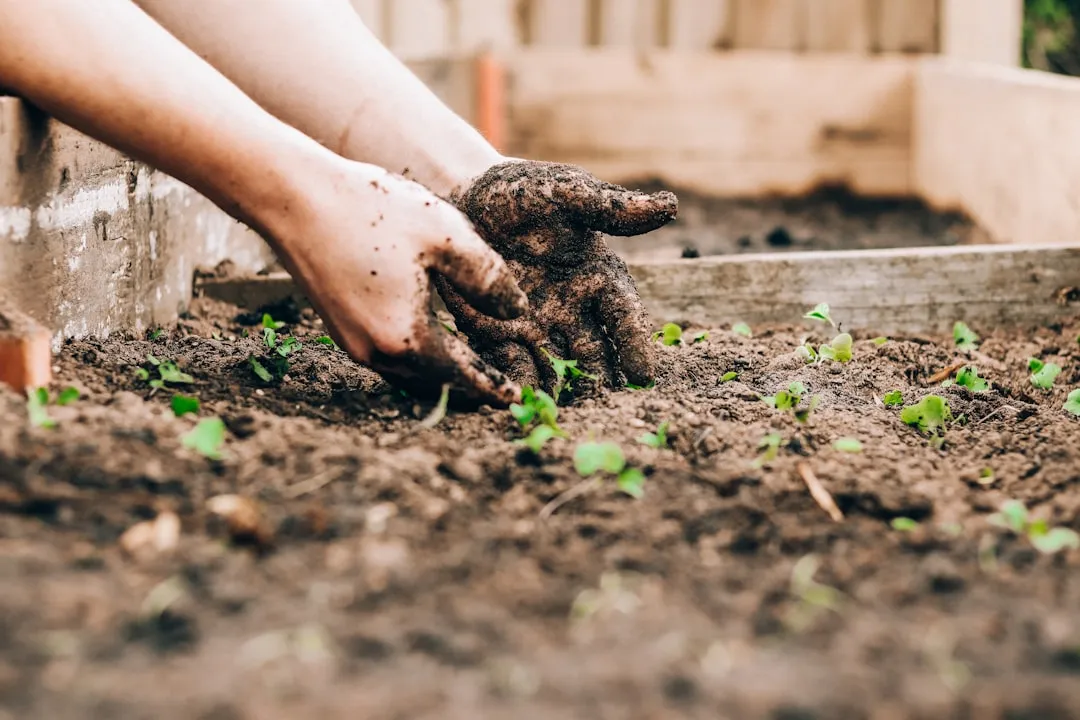
The first rule I dropped was tilling. Every spring I’d rented a rototiller, churned everything up, and called it preparation. This time I left the ground alone completely. No-till or no-dig gardening is a minimal disruption technique that enhances the underground food web and improves soil quality over time. That’s not marketing language – it’s what the soil actually showed me by midsummer.
Tilling damages the soil in several significant ways: rototillers ruin soil structure by pulverizing, tilling compacts soil, and digging and tilling exposes soil biota to air and heat which kills them. Once I understood that, leaving the ground undisturbed felt less like laziness and more like sense. Research from Oregon State University shows that tilling weakens soil structure and can increase runoff and erosion.
I Piled on Mulch Without Measuring a Thing
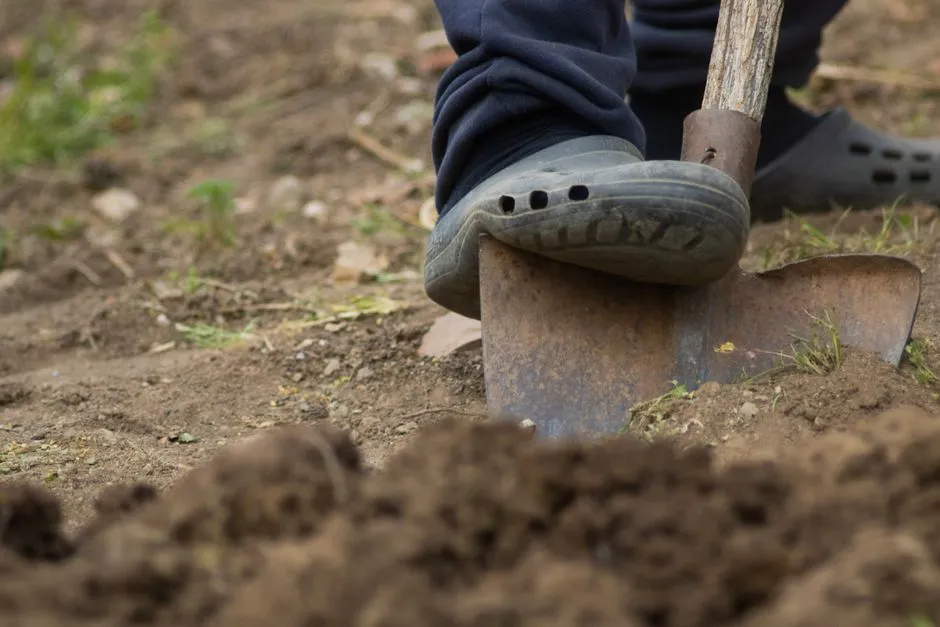
Rather than tilling, I started layering. Wood chips, straw, shredded leaves – whatever was available went on top. No-dig gardening is a method where you avoid disturbing the soil structure. Instead of turning or breaking up the soil, you build it from the top down using compost, mulch, and organic matter. This approach mimics how soil develops in nature – layer by layer, with minimal disruption.
The water savings alone made it worth it. Proper mulching can reduce water evaporation by up to roughly seventy percent while suppressing weeds and moderating soil temperatures. Less watering, fewer weeds, cooler roots in July heat. A thick layer of mulch blocks sunlight from reaching weed seeds. This stops many weed seeds from sprouting in the first place. Fewer weeds in the garden means your plants get more of the water and food they need.
I Let Weeds Hang Around (Within Reason)
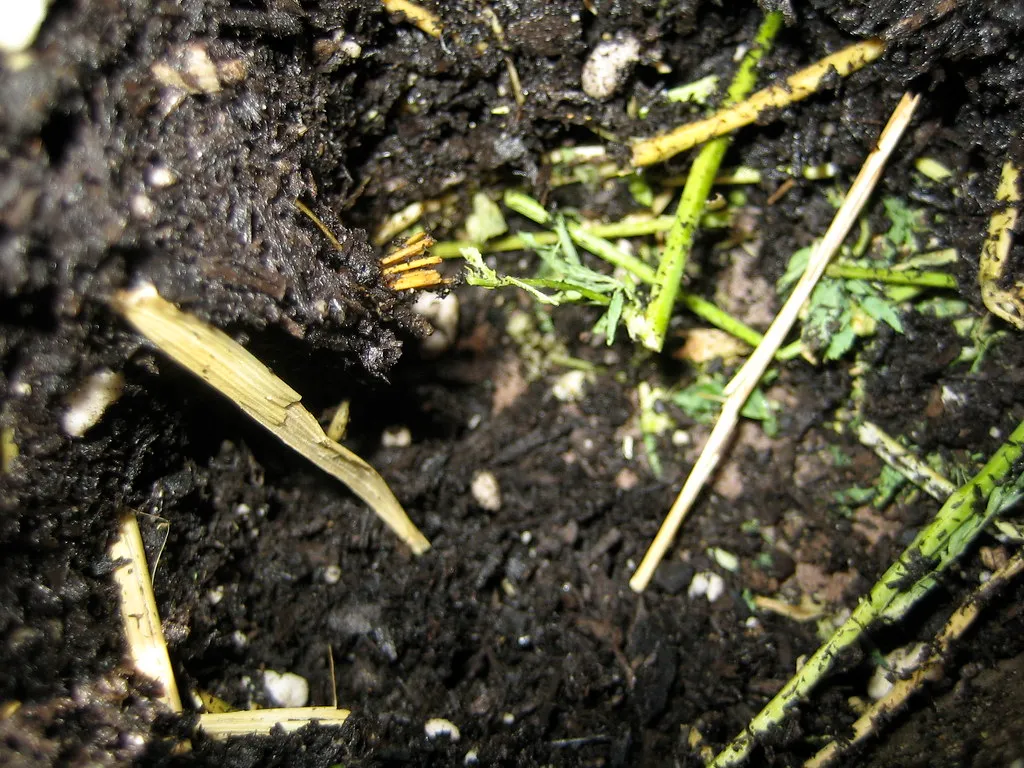
This one made the neighbors nervous. I didn’t attack weeds the moment they appeared. Instead, I watched which ones were growing where, pulled the worst offenders, and let low ground covers stay put. The logic came from no-till research: weed seeds, some of which can remain dormant in the soil for several years, come to the surface under the blades of a tiller, then germinate and become a problem.
By not tilling, I wasn’t constantly germinating a new wave of weeds from below. A big part of no-till gardening is keeping the soil protected with a mulch layer, leaving the seeds in place and suppressing any weeds that pop up. The mulch did most of the heavy lifting. My hands stayed cleaner than they ever had in previous seasons.
I Planted Everything Too Close Together
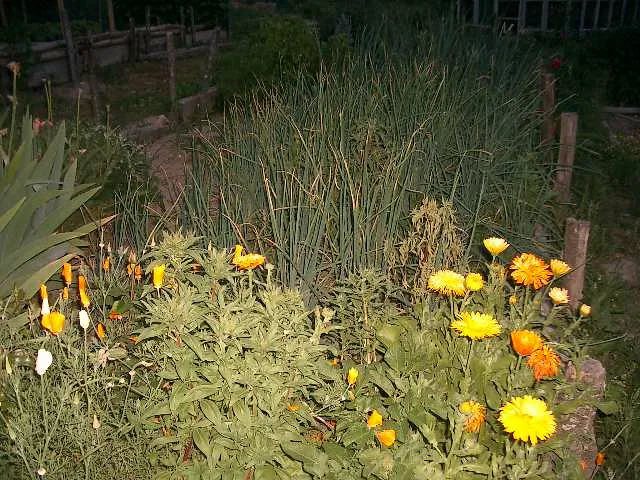
Conventional spacing rules suggest giving each plant significant room. I ignored them and planted densely, mixing vegetables, herbs, and flowers in a way that looked almost chaotic. This is essentially companion planting by accident – and it turns out to be one of the most research-supported ideas in home gardening. Companion planting is the practice of growing specific plants together to boost productivity, deter pests, and improve soil health naturally. By harnessing the unique relationships between plants, this sustainable method reduces the need for chemicals while supporting a balanced garden ecosystem.
Research published in the Journal of Chemical Ecology has shown that certain plants release chemicals through their roots or foliage that can repel pests or attract beneficial insects. Marigolds are known to secrete a substance called thiophene, which has been proven to deter nematodes and other soil-borne pests. A study from the American Society for Horticultural Science confirmed that marigolds planted among vegetable crops reduced nematode damage by up to ninety percent. I had marigolds scattered everywhere, not for looks, but because I ran out of space. That turned out to be the right call.
I Never Fertilized With Anything From a Bag
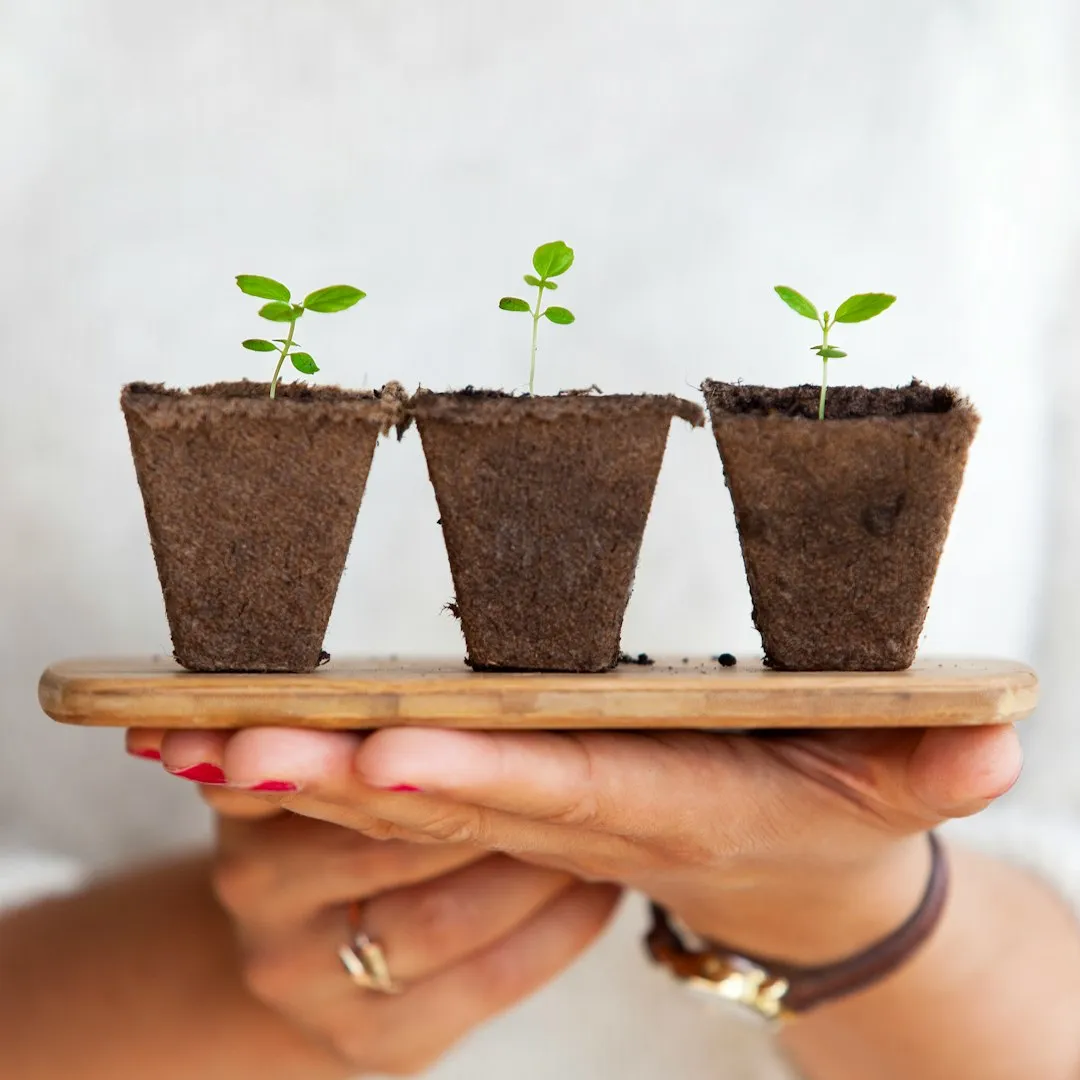
I skipped the standard fertilizer routine entirely and leaned on what the plants could do for each other instead. Companion planting can improve your garden soil’s overall health, nutrient availability, soil structure, and moisture. Leguminous plants fix nitrogen into the soil through a symbiotic relationship with Rhizobium bacteria. Inside nodules on the legume’s roots live these bacteria. They convert atmospheric nitrogen gas into ammonia, which plants in the soil can take up.
Beans grew alongside corn, just as traditional three sisters planting has practiced for centuries. The beans naturally fertilized the corn and squash after converting nitrogen into nitrates. These three crops grew better together and nurtured each other the way a family would, hence the nickname, the three sisters. It wasn’t a new idea. It was just one I’d been skipping in favor of granulated products I didn’t actually need.
I Switched to Native Plants in Half the Yard
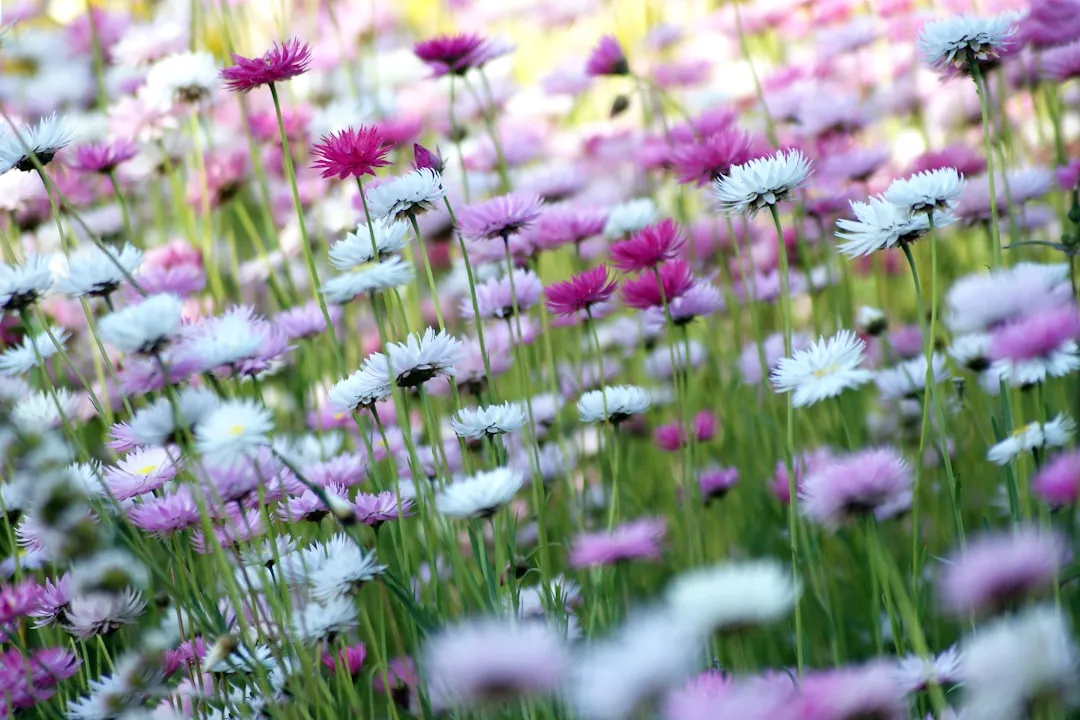
One major shift was replacing a stretch of struggling ornamentals with plants native to my region. The difference in effort was immediate. Native plant gardens typically require sixty to eighty percent less water and maintenance than traditional landscapes once established. That’s a dramatic reduction for something most people assume requires careful research and a specialty nursery.
In 2025, gardeners increasingly focused on native plants as a means to support biodiversity and create resilient landscapes. Because native plants are adapted to local climates and soils, they require less water and fewer resources to thrive. Native plants require between thirty and fifty percent less water than non-native alternatives because they’ve naturally adapted to local rainfall patterns. These indigenous species have developed deep root systems that access underground moisture without additional irrigation. My water bill reflected that by August.
I Watered at the Wrong Time on Purpose
Every guide says water in the morning. I was often out there in the evening, sometimes late afternoon. I stopped stressing about it and simply watched what the plants were telling me. Soil moisture, not the clock, became my guide. Many gardeners in 2025 are turning to water-saving technologies, such as drip irrigation systems and rainwater harvesting setups. These types of systems help conserve water while ensuring plants get the moisture they need.
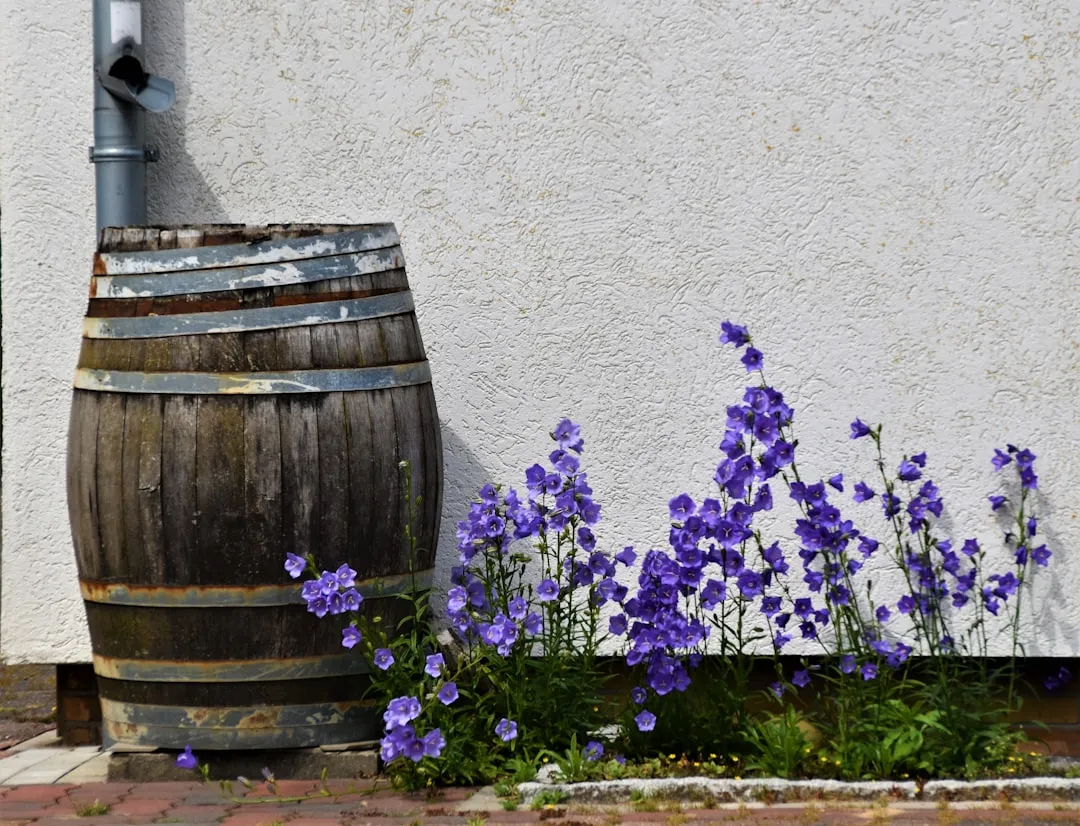
I didn’t install a drip system immediately, but I did set up a simple rain barrel. The logic behind it made sense: collect what falls freely, use it first, and reduce dependence on treated municipal water. The soil sensors and apps that track real-time moisture data are genuinely useful tools for this, and they’re more accessible than ever in 2026.
I Let the Soil Stay Covered Year-Round
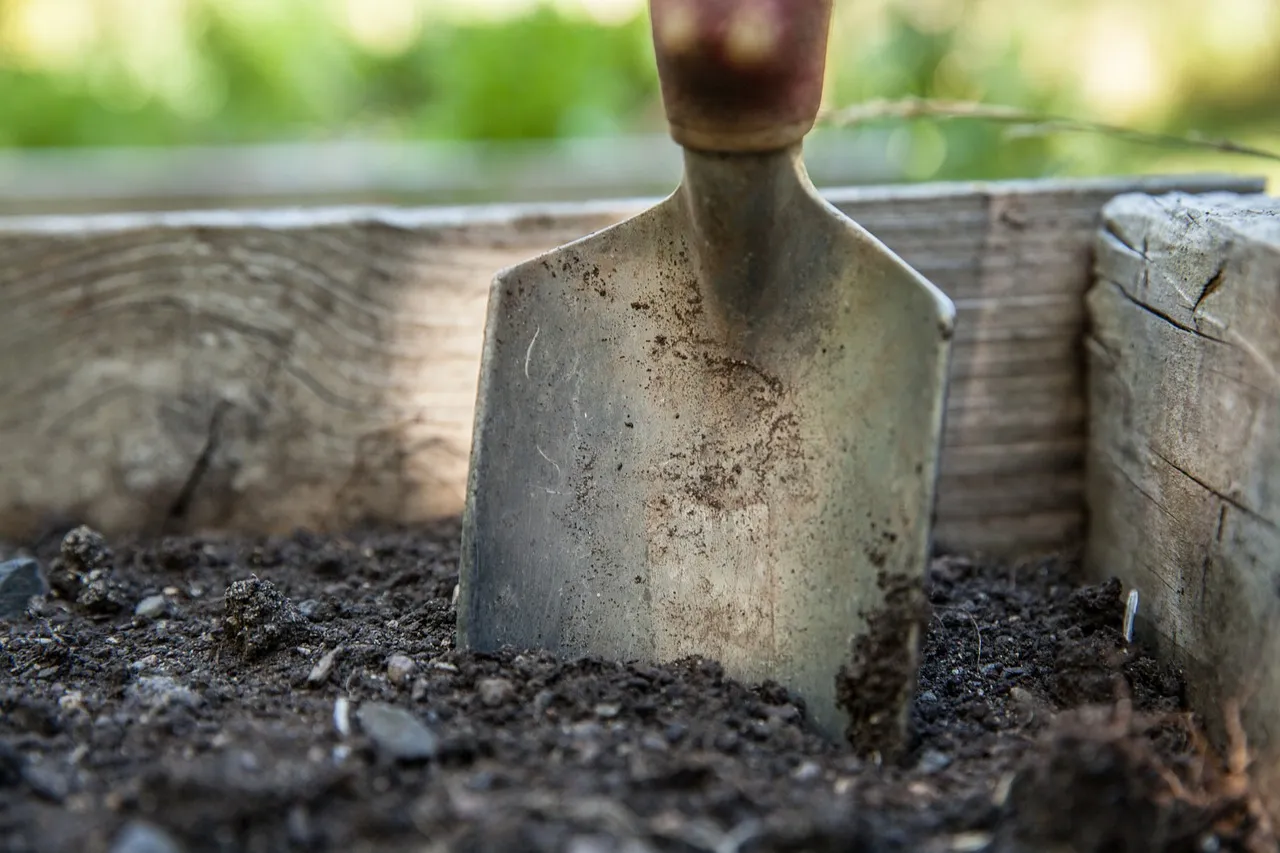
Bare soil, I learned, is basically an open wound. The moment a bed emptied after a harvest, I covered it – with compost, cardboard, straw, or a fast cover crop like clover. Keeping the soil covered by plants year-round helps to hold soil in place to prevent topsoil loss and allows for proper air and water circulation within the soil.
The no-dig method complements this trend by enhancing soil health and reducing labor. By layering organic matter on the soil surface, gardeners add to soil health with minimal soil disturbance. This technique boosts productivity and aligns with sustainable gardening practices. The transition wasn’t overnight. By the second half of the season, though, bare patches had essentially disappeared from my garden, and the beds looked more alive than I’d ever seen them.
I Skipped Pesticides Entirely
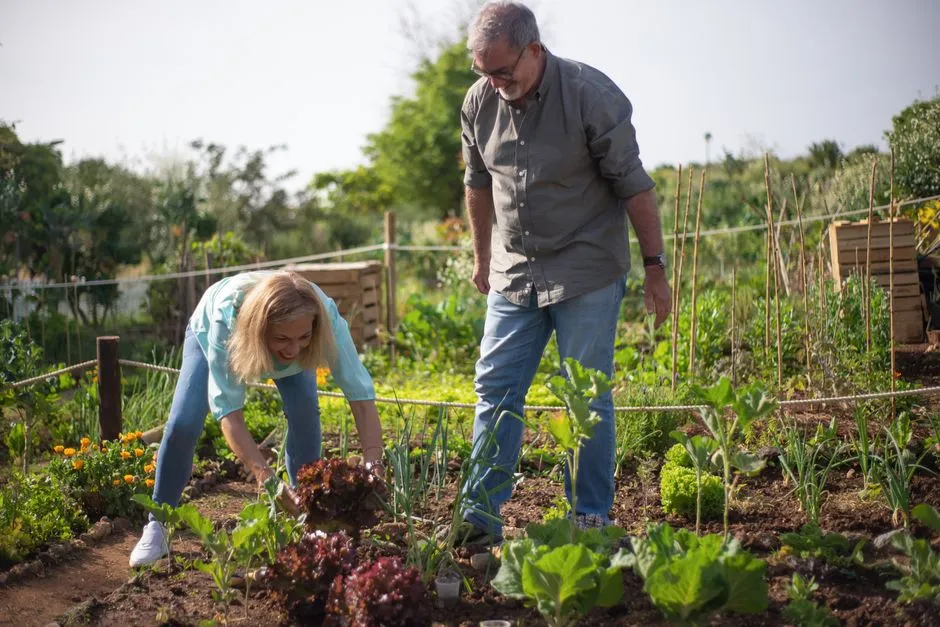
There was one aphid outbreak on the tomatoes. I sprayed them off with water, planted some basil nearby, and moved on. Basil has been shown to repel whiteflies, mosquitoes, and spider mites, enhancing the growth and health of nearby plants. The problem didn’t come back. I won’t pretend every pest situation is that simple, but in a densely planted, mulched garden with strong soil life, the balance shifts.
Proper companion planting will reduce the need for pesticides in general. A well-chosen organic mulch can improve plant growth and productivity better than the use of nitrogen-fixing companion plants alone. A combination of organic mulch and companion plants has also been found to be more effective than companion planting alone. The whole system worked together in a way that no single product from a garden center ever managed to replicate for me.
I Stopped Following a Calendar and Started Watching the Garden
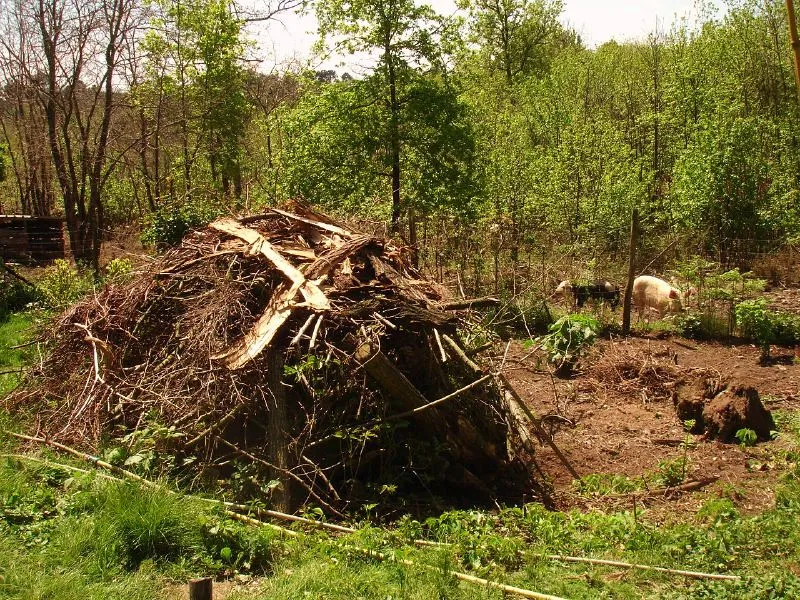
Every year I’d plant on fixed dates, prune on a schedule, and harvest based on what the seed packet said. This season I watched instead. I planted when the soil felt right, harvested when the plant told me it was ready, and pruned only when something was visibly struggling. Gone are the days when gardening was simply about aesthetics. In 2025, regenerative gardening is taking center stage.
As gardening continues to evolve, 2025 shaped up to be a year of exciting innovation and deeper connection to nature. Driven by a collective push toward sustainability, biodiversity, and self-sufficiency, today’s gardeners are embracing new methods, plant varieties, and design styles that not only beautify their spaces but also nourish ecosystems and communities. That shift in mindset – from calendar gardener to observant one – changed more about my results than any single technique I tried.
The Takeaway
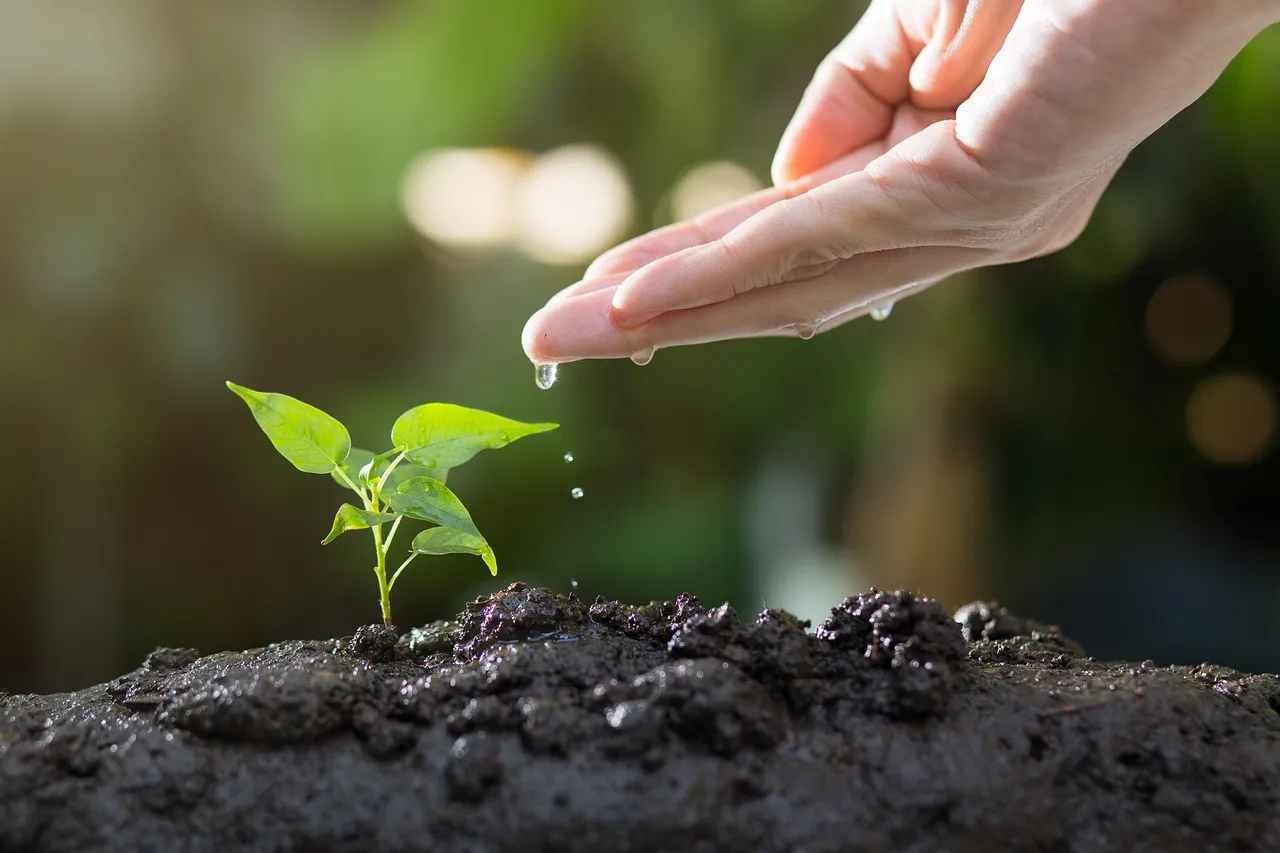
The yard didn’t outgrow the neighbors because of a clever trick or an expensive product. It happened because most of the rules I dropped were actually harming the soil, the water retention, the microbial life, and the plant relationships that make a garden genuinely productive. The research backs this up consistently: no-till gardening offers many scientifically proven benefits, including up to ten times higher yields, greater drought resilience, and increased fertility.
None of this requires starting from scratch or spending a lot. It requires paying attention and being willing to leave well enough alone. The soil already knows what it’s doing. Sometimes the best gardening move is simply to stop interrupting it.
AI Disclaimer: This article was created with the assistance of AI tools and reviewed by a human editor.