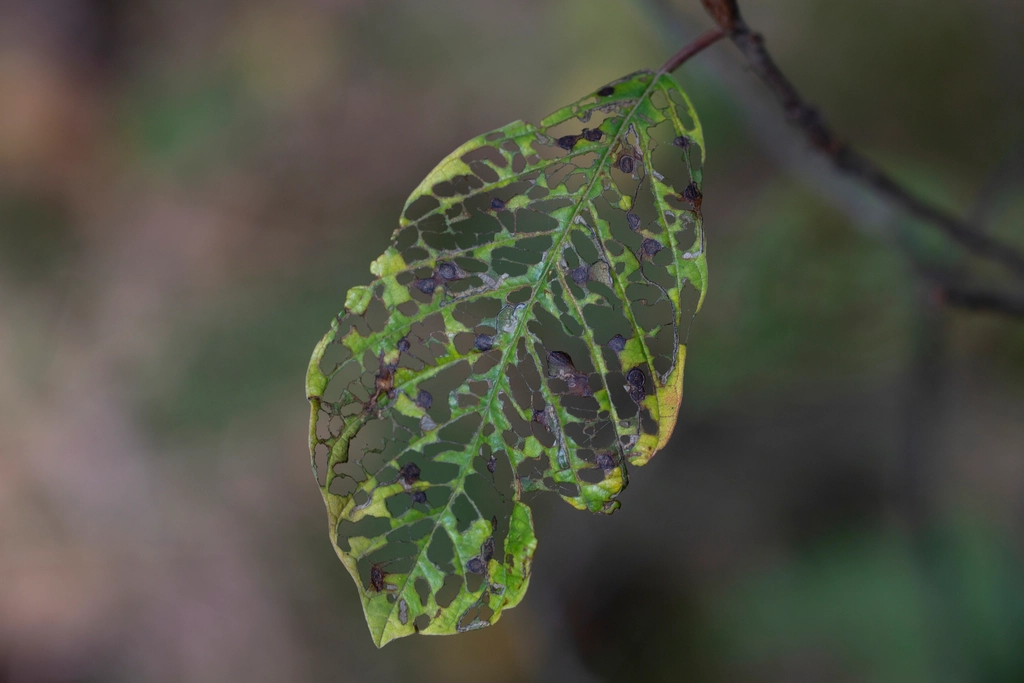

My peace lily had been drooping for two weeks. The tips of my pothos were turning brown at a pace that suggested something more serious than neglect. After failing to find a convincing answer through the usual gardening forums, I did what felt a little absurd at the time: I photographed both plants and fed the images directly into an AI chatbot. What came back surprised me enough to look into how this technology actually works.
The results were specific, fast, and in one case, genuinely illuminating. It named conditions I hadn’t considered. Whether it was always right is a different question, and one worth examining carefully.
The Moment I Decided to Try It
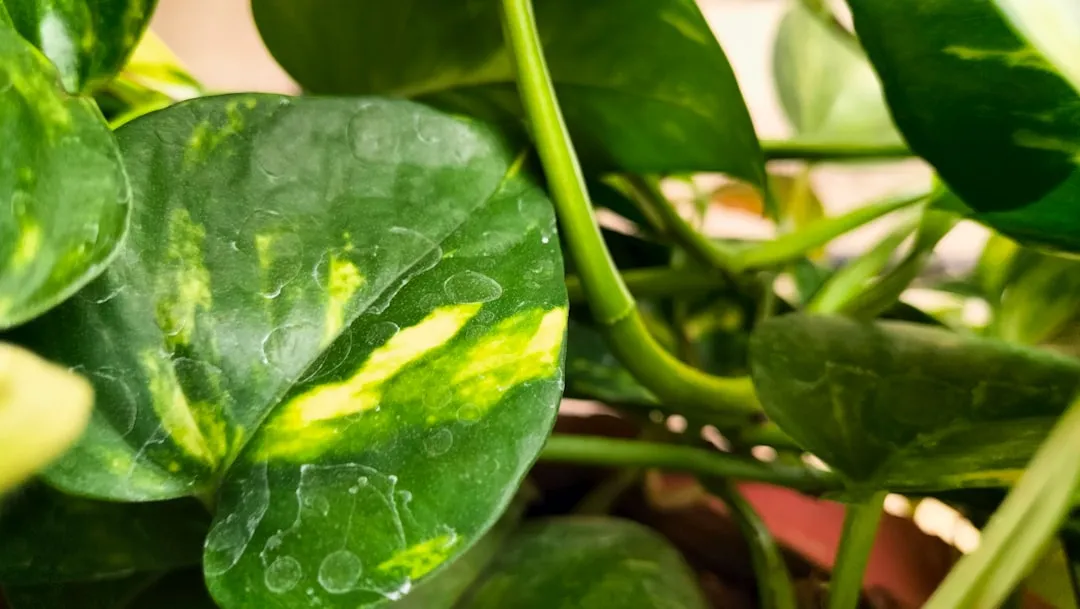
I’d spent the better part of a week googling “why is my pothos turning brown” and cycling through the same five vague answers. Overwatering, underwatering, low humidity, root rot, fluoride in tap water – every source offered a different culprit with equal confidence. That circular experience is common, and it pointed me toward something more direct.
Snapping a clear photo of the affected leaf and uploading it to a multimodal AI felt like a long shot. The development of large multimodal models like GPT-4 combines image recognition with natural language processing for more accurate diagnostic information – which sounded promising on paper. The result was a structured paragraph naming root rot as the likely cause, with a secondary note about overwatering patterns. It was specific in a way the forums hadn’t been.
How These AI Systems Actually “See” Your Plant
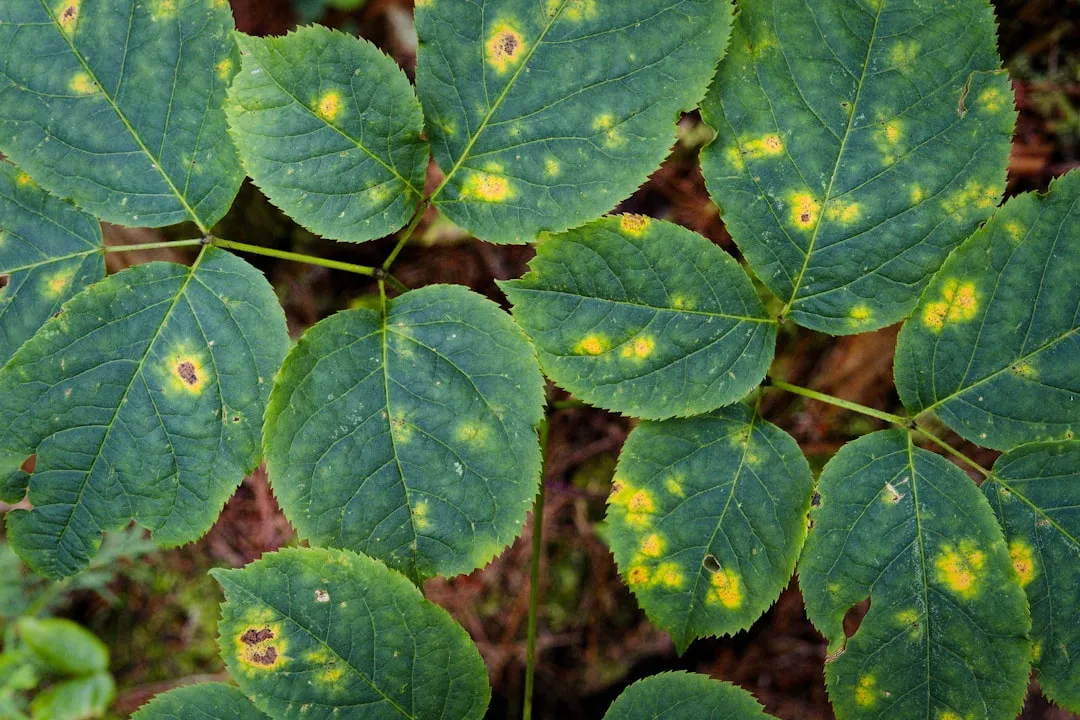
Users simply capture photos of their plants or crops using a smartphone camera, and advanced AI algorithms then analyze those images for signs of diseases, nutrient deficiencies, pest infestations, or environmental stresses. This isn’t guesswork – it’s pattern recognition trained on enormous image libraries.
Advanced neural networks trained on millions of annotated images learn to identify plant diseases, deficiencies, and infestations with remarkable accuracy, and this continuous learning as new data is uploaded leads to dynamic improvement in detection rates. The system isn’t comparing your photo to a single reference; it’s weighing probabilities across thousands of known symptom patterns simultaneously.
What the AI Told Me About My Peace Lily
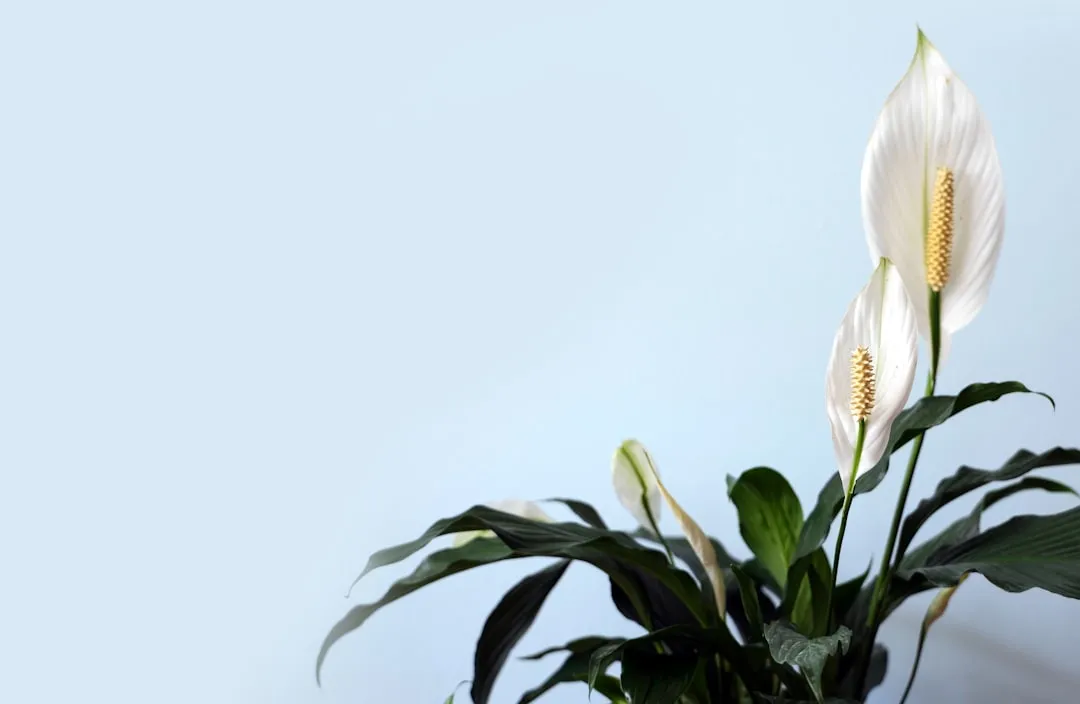
The peace lily diagnosis came back quickly. The chatbot identified the yellowing lower leaves and collapsed stems as symptoms consistent with root rot caused by prolonged overwatering. It then asked a follow-up question about drainage – something I had genuinely not thought to mention.
After processing, AI diagnostic systems integrate results and present them to the user through a chatbot interface, where the chatbot generates natural language responses including disease diagnosis, treatment suggestions, and additional guidance. That conversational layer made the exchange feel less like running a search and more like consulting someone who was paying attention to detail. The AI recommended repotting into fresh, dry soil and trimming blackened roots. That advice turned out to be correct.
The Pothos Was a Different Story
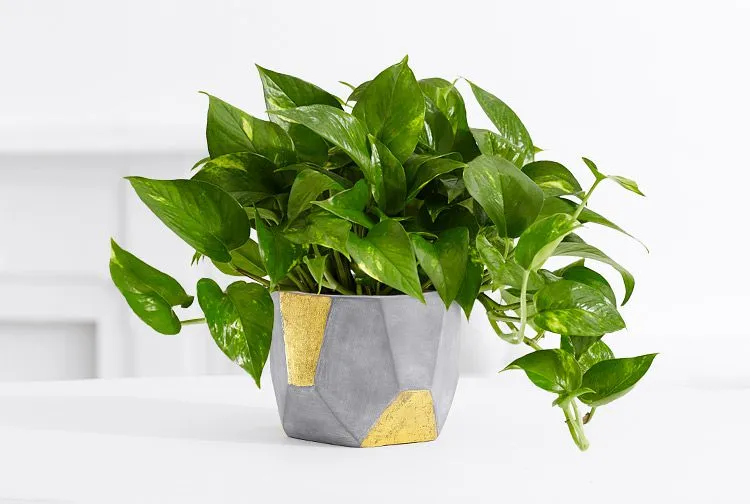
The brown-tipped pothos diagnosis took a turn I didn’t expect. Rather than confirming my assumption about overwatering, the AI flagged a likely nutrient deficiency, specifically pointing toward low magnesium as a possible driver of the browning pattern. It noted the leaf edges and midrib coloration as distinctive markers.
AI models analyze plant leaf images and accurately describe the diseases affected, while NLP-based chatbot systems deliver actionable insights and treatment recommendations. In this case, the recommendation was to flush the soil and introduce a balanced liquid fertilizer. After trying it, the new growth came in noticeably healthier within a few weeks. The AI had caught something the forums missed entirely.
The Accuracy Question Is More Complicated Than It Looks
It’s tempting to declare AI plant diagnosis a solved problem based on a few personal successes. The underlying numbers, though, require some nuance. Using vision transformers with optimized parameter counts, researchers in 2024 reported accuracy as high as nearly perfect on the PlantVillage dataset, but only about three quarters accuracy on PlantDoc, which uses real-world data. That gap matters a lot in practice.
Controlled laboratory datasets and a wilting houseplant on a kitchen counter are very different environments. Unlike traditional machine learning and deep learning models, pre-trained GPT-style models lack standardized methods for measuring accuracy and reliability, which poses considerable challenges in objectively evaluating and benchmarking performance. A confident-sounding answer is not the same as a verified one.
Dedicated Plant Apps vs. General AI Chatbots

Not all AI tools are built the same way for this task. Apps designed specifically for plant diagnosis carry some meaningful advantages over general-purpose chatbots. Plantix, for example, leads in 2025 with a reported photo-diagnosis accuracy across 30 major crops, and with a focus on agriculture and edible crops, it’s suited for farmers, greenhouse managers, and kitchen gardeners alike.
The app diagnoses more than 780 damage types using real-time image recognition and offers chemical and biological treatment suggestions curated by botanical pathologists. That depth of plant-specific training gives dedicated apps an edge in narrow, well-defined scenarios. General chatbots bring broader reasoning and follow-up ability, but may be less precise for rare or unusual plant conditions.
Why Photo Quality Changes Everything
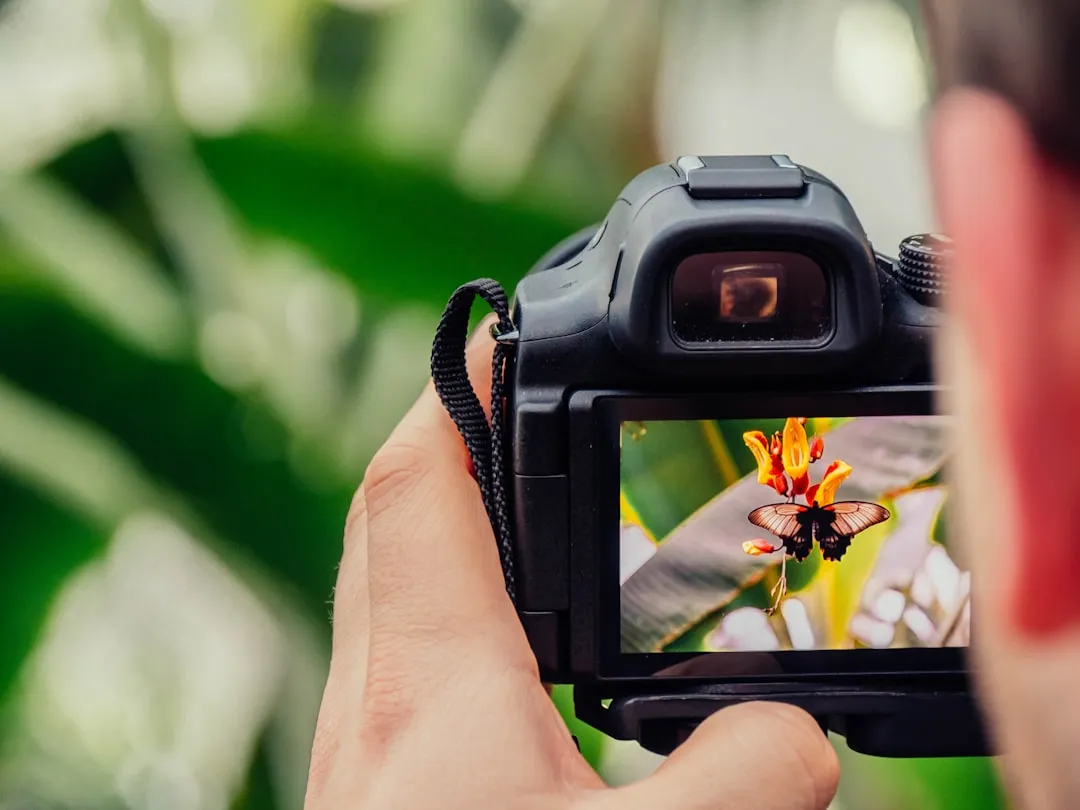
One thing the AI made clear early on: photo quality is not optional. A blurry image taken in dim indoor light produced a noticeably vaguer response than a sharp photo taken near a window. Research on machine learning-based detection highlighted the effectiveness of convolutional neural networks and transfer learning, while also demonstrating that data augmentation and transfer learning improve model performance especially under varying lighting and complex field conditions.
In practical terms, this means the way you photograph your sick plant influences the quality of the diagnosis you receive. Multiple angles, close-up shots of affected leaves, and good natural light consistently produce better AI responses. Experts suggest always verifying results visually and considering watering habits, light levels, and airflow before finalizing a diagnosis. The AI is working from whatever information is in the frame – nothing more.
When the AI Got It Wrong
Not every diagnosis landed well. My third plant – a struggling fiddle-leaf fig – received a confident assessment pointing to bacterial infection. After following the AI’s advice for two weeks with no improvement, I tried adjusting its position away from a cold draft, which resolved most of the symptoms within days.
Research has found that ChatGPT-4 with vision predominantly relies on textual data, limiting its ability to fully use the diagnostic potential of visual information. Environmental context that doesn’t show up in a photograph – a cold windowpane, inconsistent watering schedules, seasonal changes in indoor humidity – can tip an otherwise reasonable AI diagnosis in the wrong direction. The AI doesn’t know what it can’t see.
The Bigger Picture: AI Is Closing a Real Gap
For all its limitations, AI plant diagnosis is addressing something genuinely useful. Early and precise disease detection is crucial for effective plant management, yet conventional diagnostic approaches are often slow, labor-intensive, and rely on specialized expertise that may not be widely accessible. For most home gardeners, a plant pathologist isn’t a realistic option.
The limited availability of plant pathology experts often results in delayed disease detection until significant damage has already occurred. AI tools don’t replace that expertise, but they meaningfully compress the gap between noticing a problem and acting on it. For the average person with a windowsill full of struggling succulents, that compression has real value. In 2025, plant health has become a top priority for gardeners everywhere, with AI plant diagnosis tools making identifying diseases faster and more accurate, empowering both beginners and experts to detect problems early.
How to Use AI Plant Diagnosis Without Overrelying on It
The most useful framing is to treat AI diagnosis as a strong starting point rather than a final verdict. Combining AI guidance with traditional care remains the most reliable approach for accuracy and balance. Cross-checking what the chatbot says against plant-specific care guides or a local nursery professional adds a layer of verification that’s easy to overlook when an AI answer sounds authoritative.
The best AI diagnostic systems support multi-turn conversations, allowing users to refine inputs or ask follow-up questions – so use that capability. Describe the plant’s environment, recent changes in watering, soil type, and light exposure. The more relevant context you provide alongside the photograph, the more the AI has to work with. Think of it less like a diagnosis machine and more like a knowledgeable friend who needs good information to give good advice.
The Takeaway

Feeding photos of my dying houseplants into an AI chatbot turned out to be more useful than I expected, and less reliable than it initially seemed. Two out of three diagnoses were genuinely helpful and led to real improvements. The third was a reminder that a photograph can’t capture everything a plant is going through.
What surprised me most wasn’t the accuracy – it was the speed and specificity. Within seconds, the AI was pointing toward causes and remedies I hadn’t thought to consider. That speed has real value when a plant is declining fast. The technology is good enough now to be a serious first step in diagnosing plant problems at home, as long as it’s treated as the beginning of a conversation rather than the end of one.
AI Disclaimer: This article was created with the assistance of AI tools and reviewed by a human editor.