
Most people assume a musty basement is just part of owning an older home. It’s that smell you notice when you head downstairs to grab holiday decorations, and then quickly try to forget. It feels harmless, almost normal. What ChatGPT laid out when I asked about it was anything but reassuring.
The real story behind that familiar damp odor involves living biology, invisible chemistry, and structural risks that quietly build over time. Here’s what the research actually says, and why ignoring it is a gamble most homeowners don’t realize they’re taking.
The Smell Has a Name – and It’s Not Just “Damp”
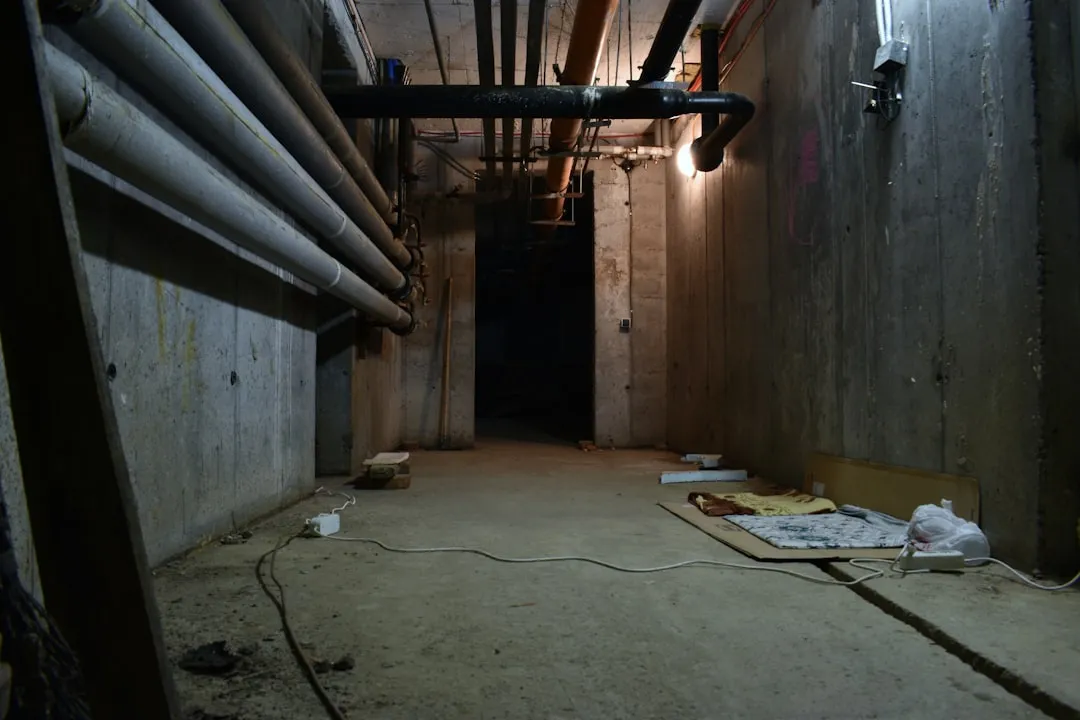
That distinct “basement smell” is almost always caused by microbial volatile organic compounds, or mVOCs. These are gases released as a byproduct of mold and mildew growth and decay. So when you wrinkle your nose at the bottom of the stairs, you’re literally inhaling the metabolic exhaust of fungal colonies.
When moisture lingers in your basement, mold and mildew start growing and release these mVOCs, which the EPA notes are a common source of that “moldy” or musty odor. The smell isn’t separate from the problem. It is the problem, in its most detectable form.
Why Basements Are Basically Designed for This
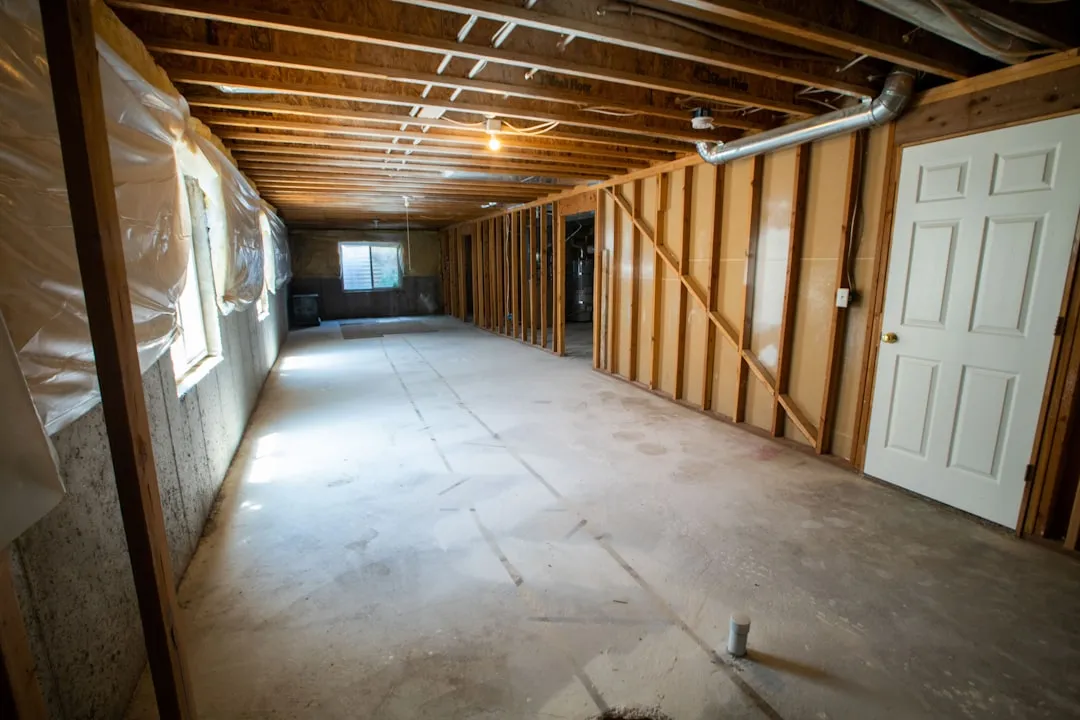
Basements are naturally prone to moisture issues due to their below-grade location. Clay-rich soil, high seasonal humidity, freeze-thaw cycles, and poor drainage all create ideal conditions for basement moisture problems.
Basements, with their limited ventilation, below-grade locations, and moisture issues ranging from seepage or groundwater infiltration, leaky bulkheads or windows, and condensing pipes, create ideal conditions for mold growth. It’s less a question of whether moisture will find its way in, and more a question of how much and how fast.
You Don’t Need a Flood for Mold to Thrive
Mold doesn’t need a flood to grow. It only needs organic material like wood, drywall, or cardboard boxes, and moisture. Once spores settle, they can begin growing within 24 to 48 hours. That box of books sitting in the corner of your basement? Potential mold food.
According to the EPA’s Guide to Mold and Moisture, keeping indoor humidity below 60% is critical. During humid weather, basement humidity can easily spike above 70 to 80 percent without intervention, providing plenty of moisture for mold to thrive on surfaces. The gap between “fine” and “problem” is surprisingly narrow.
Your Whole House Is Breathing Your Basement Air
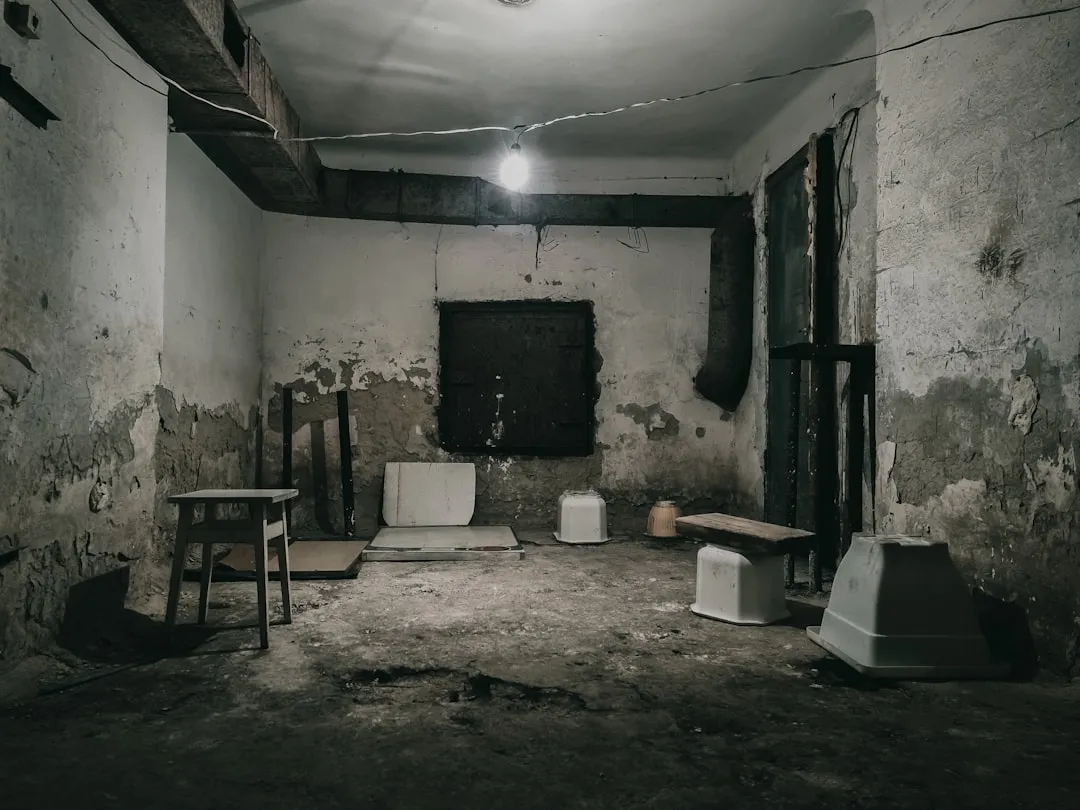
This was the part of ChatGPT’s answer that genuinely caught me off guard. Warm air rises and escapes through the upper levels of your home, pulling air upward from the basement. Building scientists estimate that up to half of the air you breathe on the first floor comes from your basement. That means damp, musty basement air does not stay contained. Even if you rarely go downstairs, your basement directly affects your home’s air quality and your family’s health.
One of the most significant ways a damp basement affects upstairs areas is through mold spore transmission. Mold thrives in moist environments, and once it takes hold in your basement, it doesn’t stay there. Mold spores are microscopic and easily become airborne because of the stack effect, traveling through your home via air currents, on pets, people, and personal belongings.
The Health Consequences Are More Serious Than Most People Realize
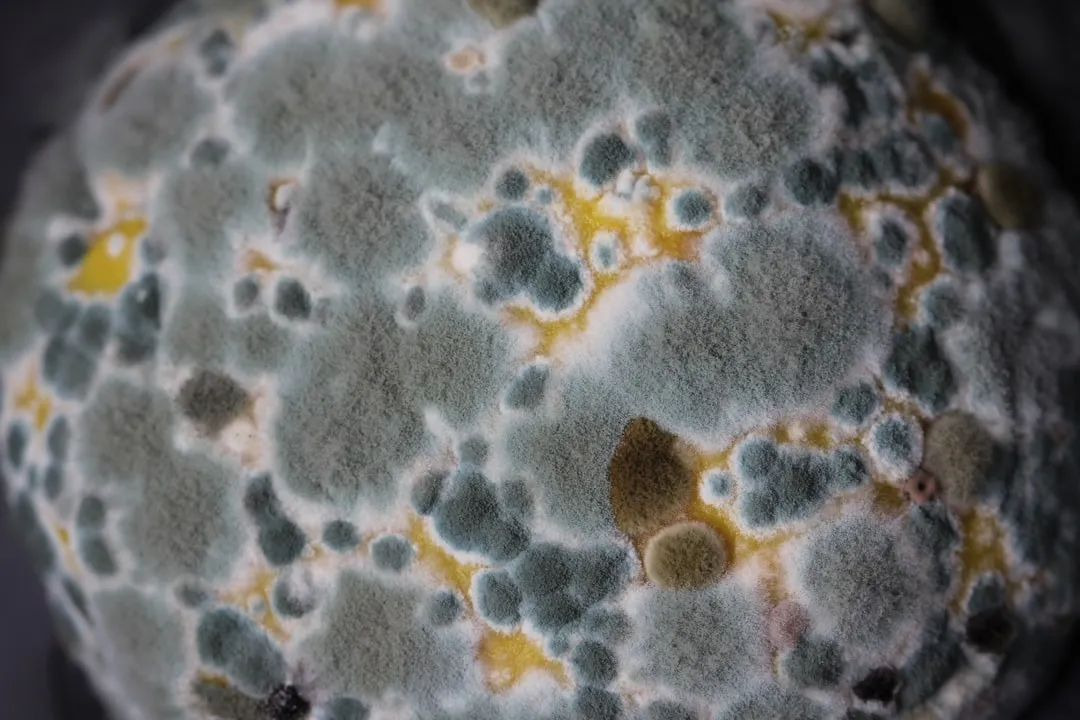
Based on multiple critical reviews and meta-analyses of a large body of research, indoor dampness or mold is associated with increases in asthma exacerbation, cough, wheeze, upper respiratory symptoms, asthma development, shortness of breath, respiratory infections, bronchitis, allergic rhinitis, and eczema. Meta-analyses often indicate between roughly a third and nearly three-quarters increase in the prevalence rates of health effects in homes with dampness and mold.
For some people, mold can cause a stuffy nose, sore throat, coughing or wheezing, burning eyes, or skin rash. People with asthma or who are allergic to mold may have severe reactions. Immune-compromised people and people with chronic lung disease may get infections in their lungs from mold. Those are CDC findings, not worst-case estimates.
There May Also Be a Neurological Component

Research highlights the complex neurological and neuropsychiatric symptoms that can arise from mold and mycotoxin exposure. This is a newer area of study, and the science is still developing, but it’s worth taking seriously.
Prolonged exposure to certain molds, such as Stachybotrys, has been associated with cognitive impairment, memory problems, mood disorders, and difficulty concentrating. However, more studies are needed to fully understand the relationship between mold and neurological health. It’s not settled science yet, but it’s no longer being dismissed either.
Structural Damage Creeps In Quietly
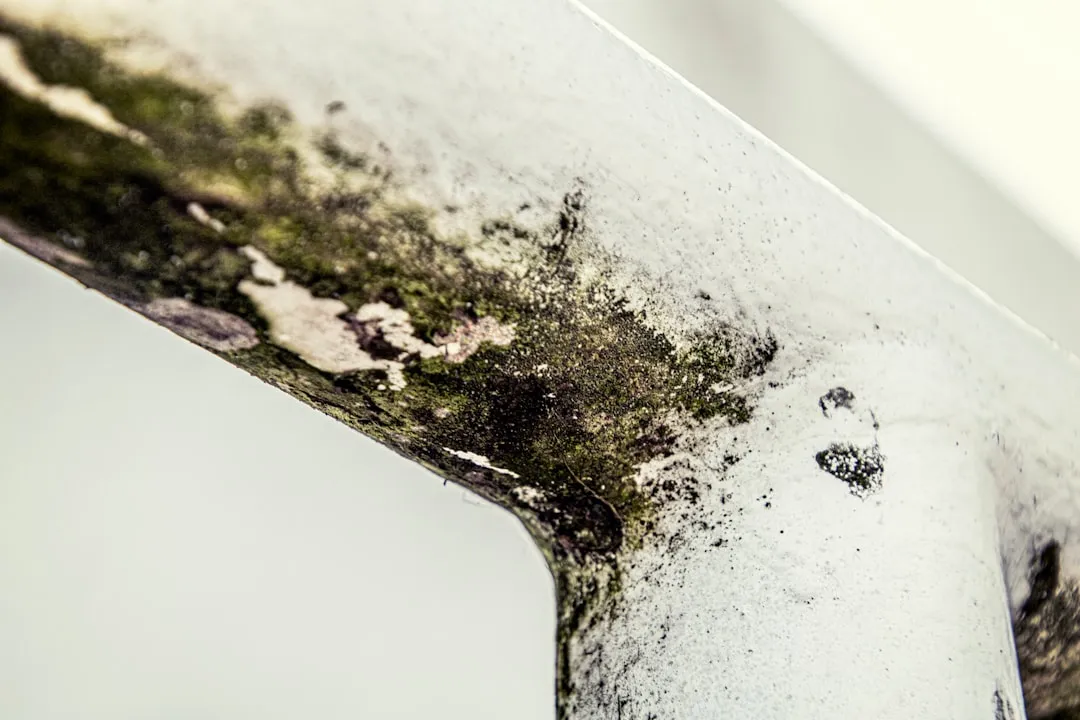
Mold and moisture can break down and rot your first floor’s wooden support beams from your basement ceiling within a matter of weeks. Most homeowners only discover this damage during a renovation or a real estate inspection. By then, it tends to be expensive.
As humid air rises from the basement, your HVAC system has to work harder to maintain a comfortable temperature and humidity level upstairs. This can lead to increased energy bills and unnecessary wear on your heating and cooling systems. A damp basement costs you money in ways that don’t show up on a single bill.
The Humidity Number That Actually Matters
According to the U.S. Environmental Protection Agency, maintaining relative humidity between 30 and 50 percent helps prevent mold growth while maintaining comfortable living conditions. Going below 30 percent can cause dry air issues, while above 50 percent creates conditions favorable for mold and mildew.
Even if your hygrometer reads 60 percent relative humidity in the middle of the room, the relative humidity right at the concrete wall surface can be 80 percent or higher. Mold doesn’t care about the humidity in the middle of the room. It cares about the humidity at the surface. That detail explains why basements that seem “okay” can still develop significant mold problems.
Common Sources of Moisture You Might Be Overlooking
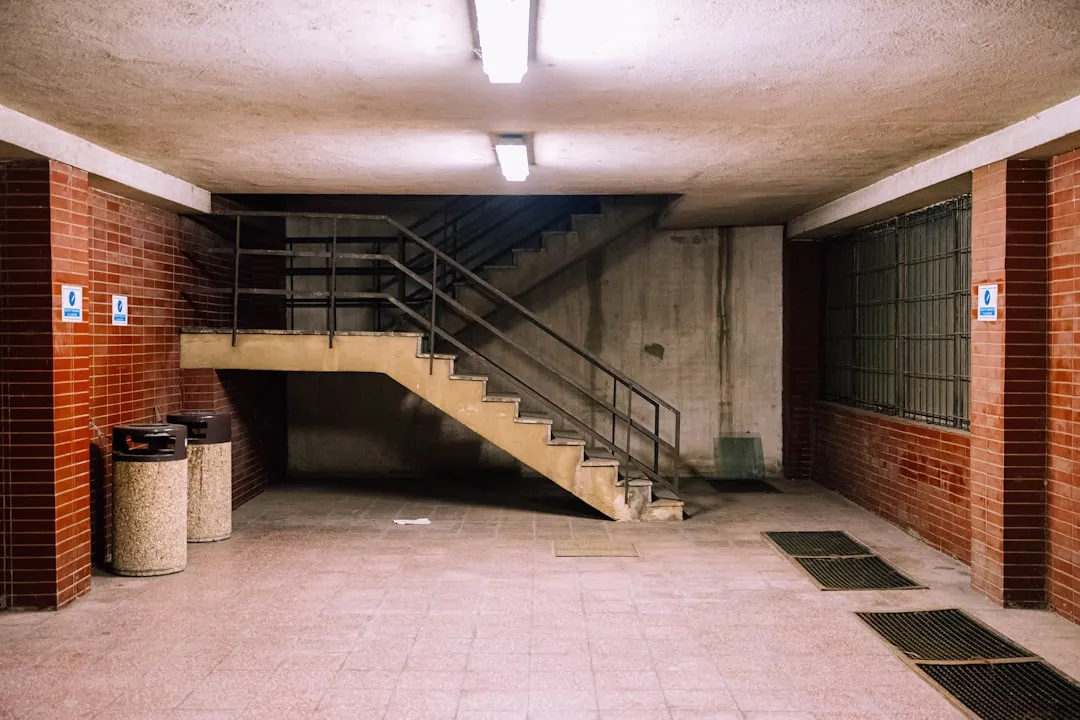
Two common and easily handled problems are condensation dripping off an uninsulated pipe or water leaking through a basement window. Many basements have exposed pipes running along the ceiling or down the walls. These aren’t dramatic leaks. They’re slow, steady contributors that most people tune out entirely.
Sometimes what people describe as a “musty” basement smell isn’t mold at all – it’s sewer gas coming up through a floor drain with a dried-out trap. Many basement floor drains have a U-shaped section of pipe called a trap that’s designed to hold a small amount of water. That water acts like a seal, blocking odors and gases from the sewer line. If the trap dries out, gases flow freely upward. Simply pouring a cup of water into the drain can resolve it.
What Actually Works to Fix It

The recommended approach includes identifying the moisture source, controlling humidity with a dehumidifier kept below 50 percent, cleaning existing mold with EPA-registered disinfectants, improving ventilation, sealing and waterproofing the foundation, and calling professionals for mold areas larger than ten square feet or persistent odors.
Installing vapor barriers on basement floors and walls can prevent moisture from the ground from rising into the basement. Humidity that stays high for even a few days can allow mold spores to take hold on wood, drywall, and insulation. Once mold starts, it spreads quickly. Keeping your humidity in check is far easier than dealing with a mold remediation project later.
The Takeaway
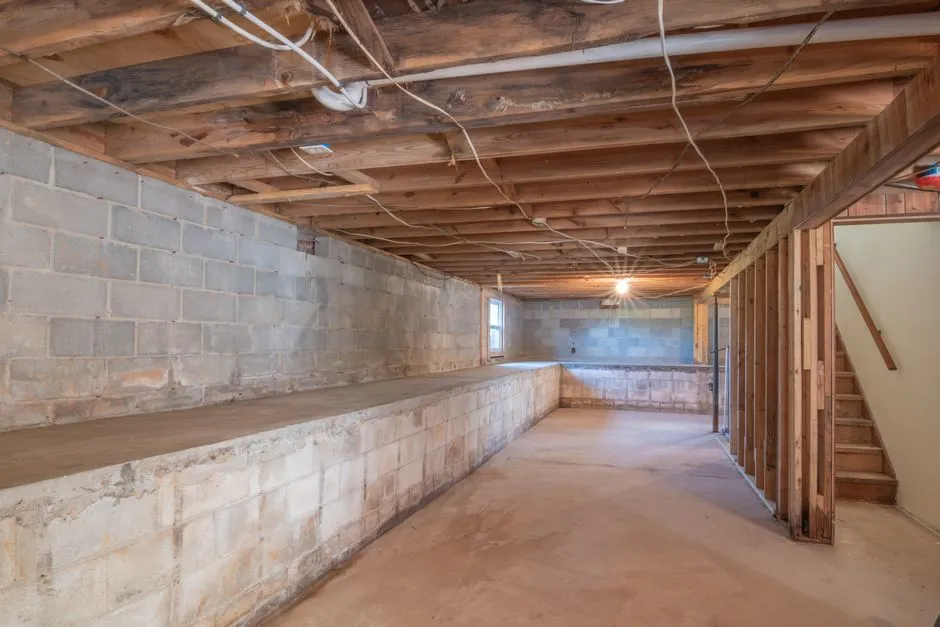
The musty smell in your basement isn’t a personality quirk of old houses. It’s a signal, and it’s been there long enough that you’ve stopped hearing it. The research from the EPA, CDC, and building scientists is consistent: moisture in your basement affects your air, your health, your structure, and your energy costs.
A digital hygrometer costs less than a dinner out. You can buy one at most hardware stores for around ten to twenty dollars. Knowing your actual basement humidity level is the first honest step. Everything else follows from there, and most of it is more manageable than the smell has been suggesting all along.
AI Disclaimer: This article was created with the assistance of AI tools and reviewed by a human editor.