

Paint has always been one of the most deceptively difficult home decisions. A color that looks warm and inviting on a small chip in the store can turn cold and flat on an entire wall. So when AI tools like ChatGPT started getting good enough to generate room visualizations, plenty of homeowners started wondering whether they could skip the professional color consultation entirely. Turns out, the answer is more complicated than a simple yes or no.
The experiment of asking ChatGPT to plan an entire home’s color palette is less fringe than it sounds. The tools have genuinely improved, and the results can be striking. But there are real gaps between what looks right on a screen and what you actually live inside.
The AI Interior Design Market Is Growing Fast
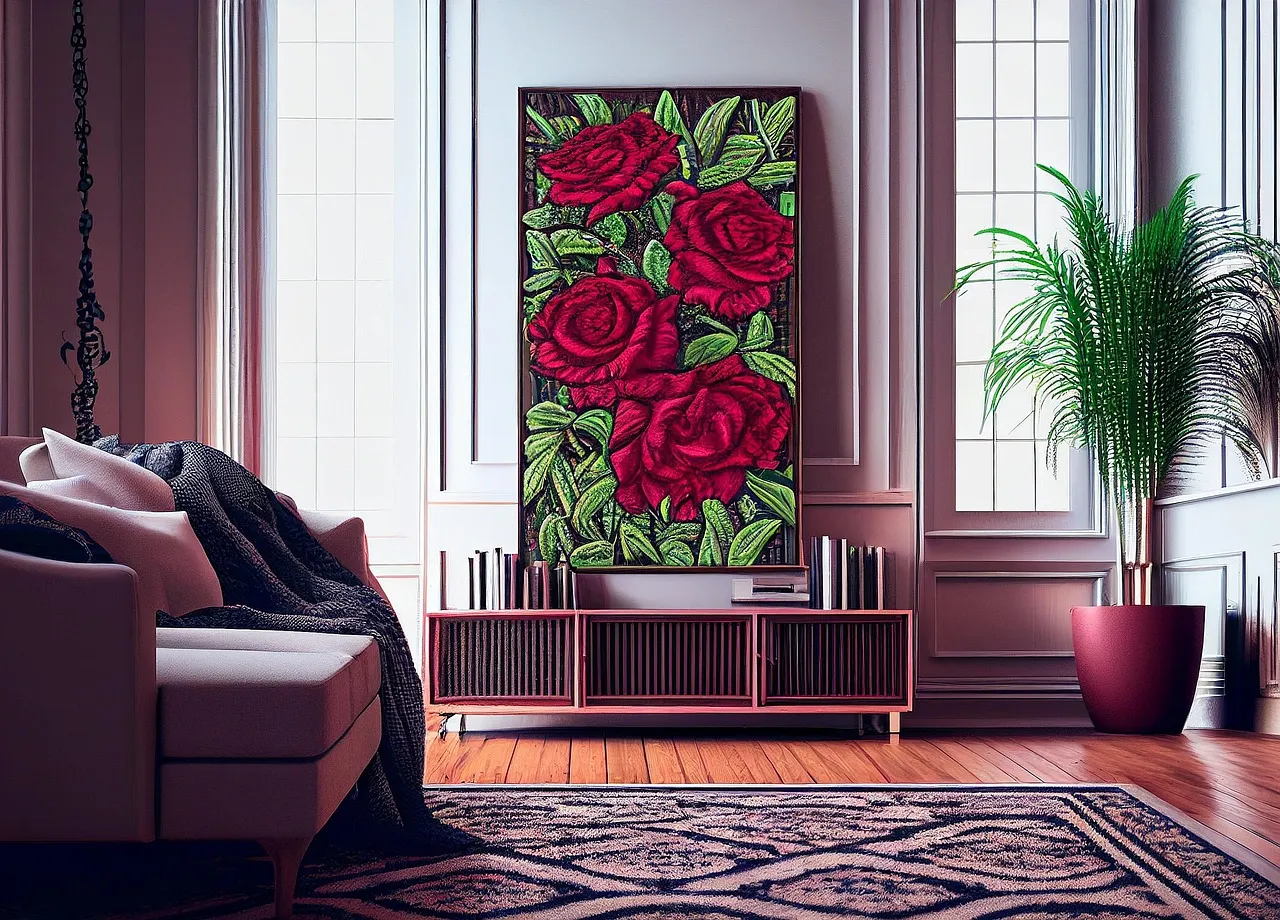
This isn’t just a casual experiment anymore. According to a forecast from market research firm SNS Insider, the AI interior design market was worth roughly 1.47 billion dollars in 2024 and is projected to reach nearly 7 billion dollars by 2032, at a compound annual growth rate of more than 21 percent over 2025 to 2032. That’s not a niche hobby trend. The market grew from approximately 1.09 billion dollars in 2024 to around 1.39 billion dollars in 2025. More homeowners are actively hunting for faster, cheaper alternatives to traditional interior design, and AI paint tools are sitting squarely in the path of that demand.
How ChatGPT Actually Handles Paint Colors
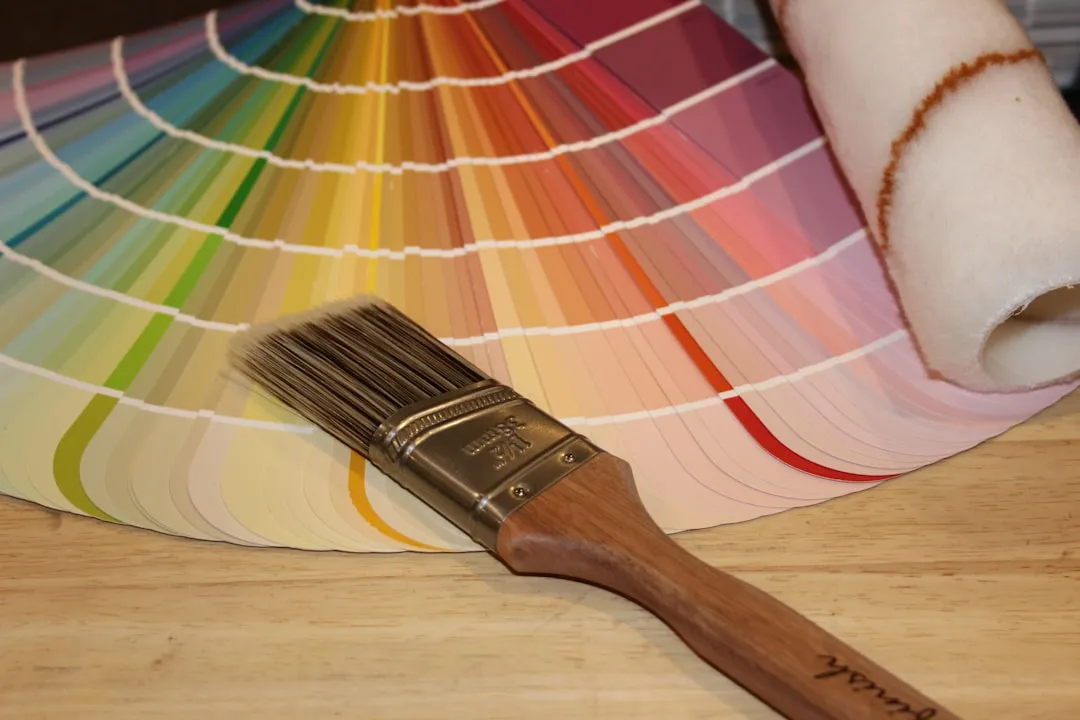
If you’re thinking about redecorating your home, ChatGPT’s image generator is one way to bring your ideas to life, especially when it comes to choosing paint. It can pull in colors from across the web, from Benjamin Moore and Sherwin-Williams to newer brands like Clare, to show you how they’d look in your room. You can ask it to create a room scene using specific named colors for the trim, walls, and ceiling, and it will pull those color codes on its own from the web without you needing to provide links or codes manually. That’s genuinely impressive and a real time saver for early-stage planning.
The Prompts That Actually Work

You can ask ChatGPT things like what colors make a specific-sized room look bigger while still feeling spacious, or request wall, ceiling, and trim color recommendations with specific paint codes, or ask for a Japandi color palette with warm undertones. You can even describe your room’s light conditions, like a north-facing room that gets cold light, and ask which warm paint colors will counteract the blue cast. The more specific and contextual your prompt, the more usable the suggestion tends to be.
Where the Screen Lies to You
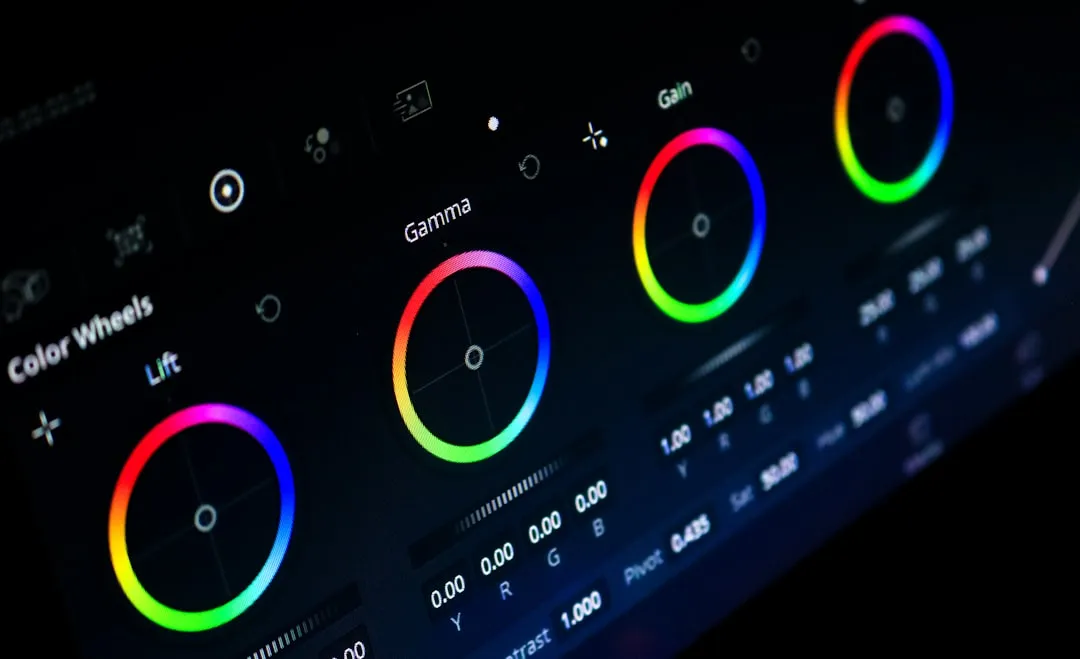
Digital visualizers are great for narrowing a long list, but “perfect on screen” colors frequently fall apart in person because screens shift the undertone, and they can’t show how natural daylight, your trim, your roof, and even nearby trees bounce color onto a wall. Sheen, texture, metamerism, and lighting conditions can all shift how a color reads on a full wall compared to a digital preview. This is the part that catches people off guard. What ChatGPT generates is a plausible room. Your room has specific quirks that no AI has actually seen.
Lighting Is the Variable AI Can’t Fully Control

Color temperature measured in Kelvin is a real factor here: warm bulbs around 3000K and daylight bulbs around 5000K change how undertones appear on the exact same painted wall. A color AI recommends for a south-facing room flooded with warm afternoon light will behave differently in a north-facing bedroom lit mostly by overcast sky. AI-powered tools have improved accuracy, but results consistently depend on photo quality, lighting, and calibration, so using natural lighting conditions gives the most reliable output. The AI doesn’t know which direction your windows face unless you tell it explicitly.
Industry Adoption Is Accelerating, but It’s Still Early

According to Home Innovation Research Labs, a U.S.-based construction innovation organization, the proportion of U.S. home builders using AI for design and planning increased from 9 percent in 2024 to 17 percent in 2025, highlighting rapid acceleration in adoption. Houzz’s 2025 State of AI in Construction and Design report found that roughly a third of design and construction professionals now use AI in their businesses, which shows adoption is real but still early, since most professionals haven’t made the switch yet. The gap between the enthusiasm around AI tools and their day-to-day professional use is still significant.
AI Can Suggest Color Flows Across an Entire Home

ChatGPT can create a color flow plan for an open-concept apartment where the kitchen, dining, and living areas are all visible at once. This is one of its most genuinely useful capabilities. Getting colors to transition coherently through connected spaces is something homeowners and even experienced painters find tricky. AI tools enhance decision-making by allowing homeowners to interact with design elements before any physical work begins. Running room-by-room color scenarios through AI before you buy a single can of paint is a legitimately smart use of the technology.
The Budget Problem That AI Helps Solve (Partially)

According to Houzz Research in its 2024 U.S. Houzz and Home Study, an average of roughly two in five homeowners go over budget on their renovation projects. Using AI to visualize colors before committing saves money on paint samples, return trips to the hardware store, and the cost of repainting a room that didn’t turn out the way you imagined. This adoption is rising as homeowners and professionals seek faster, more accurate, and cost-efficient ways to conceptualize renovation ideas and reduce uncertainty before committing to physical work, with AI supporting smarter design decisions through data-driven insights and virtual simulations. Still, visualization is only as reliable as the information you feed it.
The Color Trends AI Draws From

For 2025, earth tones emerged as the dominant trend, with Pantone’s Mousse Chocolate joined by cinnamon, brown, and burgundy shades from multiple major brands, while companies like AkzoNobel and Valspar opted for more vibrant colors to express optimism, and Sherwin-Williams introduced entire palettes centered on tranquility rather than a single color. ChatGPT draws on this kind of public trend data when making suggestions, which means it tends to recommend what’s broadly popular rather than what’s uniquely right for your home. AI is strongest as a pattern detector across searches, saves, and project photos, not as a substitute for client-specific design judgment.
Always Verify Before You Buy
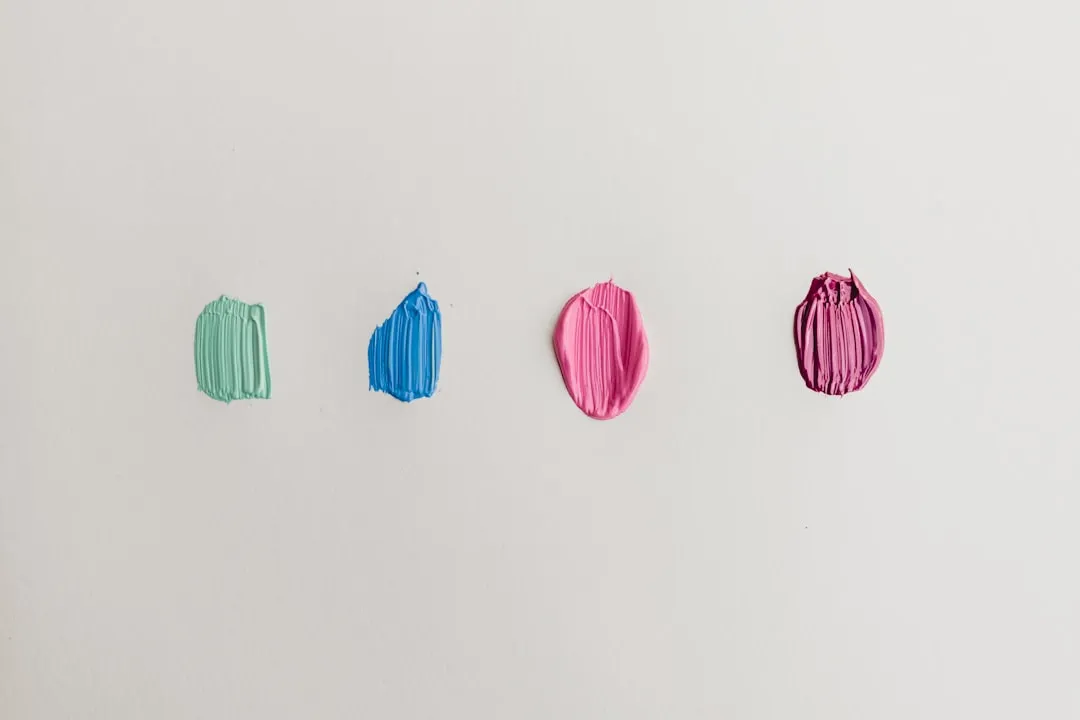
The right approach is to use a visualizer to get to a shortlist, then test real samples in the actual room or on the actual siding at a few different times of day, before buying a single gallon, because the final color decision should always happen in your actual space. Never buy based on a photo alone, since color and texture look different under your own lighting conditions. This isn’t a knock on the technology. It’s simply how paint works, and it always has been. The AI accelerates your shortlist. It doesn’t replace your walls.
The Takeaway

ChatGPT is genuinely useful for picking paint colors, and the results can be transformative in the best possible way. AI is a helper here, not a replacement. The homes that turn out differently after an AI-assisted color experiment usually turn out better, because the process forces clearer thinking about what you actually want before you’re standing at the paint counter guessing.
The smart move is to use ChatGPT to explore, compare, and narrow your options with real paint names and room-specific prompts, and then commit to physical samples before the final decision. That combination, AI speed plus real-world verification, is where the tool genuinely delivers. The house doesn’t look the same. In most cases, that’s exactly the point.
AI Disclaimer: This article was created with the assistance of AI tools and reviewed by a human editor.