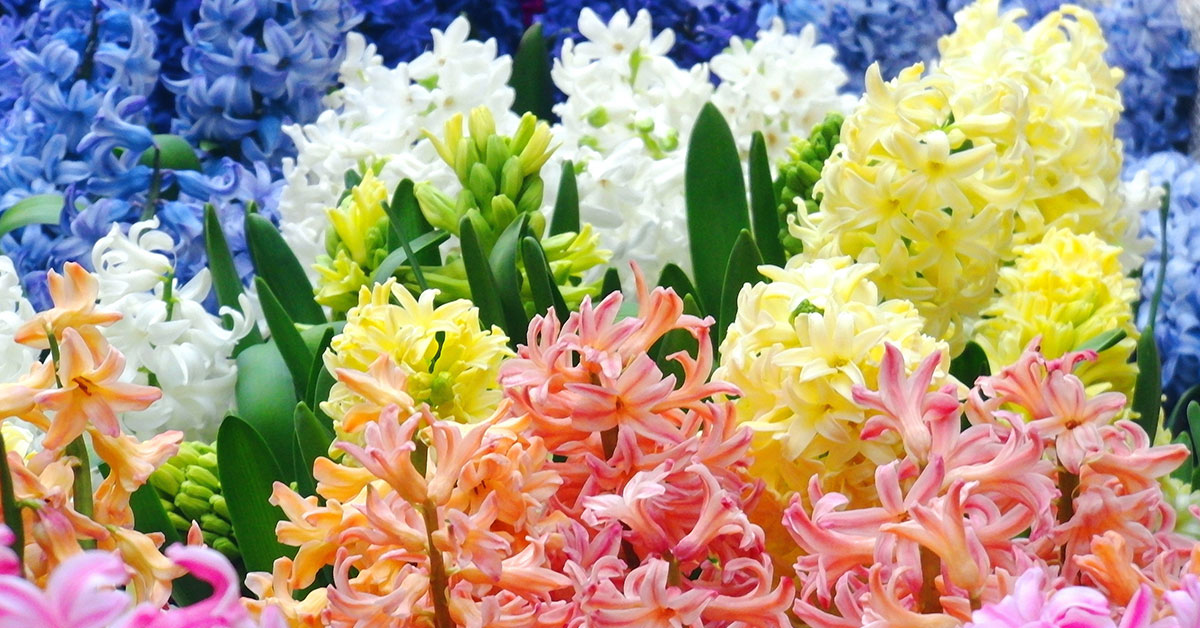

Hyacinth is a beautiful flowering plant that belongs to the Asparagaceae family. It is native to the eastern Mediterranean region and has been cultivated for its fragrant and colorful flowers for centuries.
Additionally, the plant is available in a variety of colors, from white to pink, blue, and purple, and is commonly grown as a garden plant or used as a cut flower in bouquets. We will explore the history, symbolism, and care requirements of Hyacinth, along with some interesting facts about this lovely plant.
What is a Hyacinth?
A hyacinth is a flowering plant that belongs to the family of Asparagaceae. It is native to the eastern Mediterranean, including Turkey, Iran, and Iraq. Hyacinths are known for their stunning blooms, which come in a variety of colors, including pink, blue, purple, and white.
The flower spikes of hyacinths are composed of small, fragrant, bell-shaped flowers that are tightly packed together. The plant typically grows to a height of 6 to 10 inches and has glossy, strap-like leaves.
Hyacinths have been cultivated for centuries and were highly prized by the ancient Greeks and Romans. Today, they are a popular choice for gardeners and are grown in gardens and as potted plants for indoor use.
In addition to their ornamental value, hyacinths are also used in the perfume industry. The essential oil extracted from hyacinth flowers is used to create fragrances that are prized for their sweet, floral scent.
Where is Hyacinth native?
Hyacinths are beautiful and fragrant flowers that are very popular among gardeners and flower enthusiasts. These flowers are native to the eastern Mediterranean region, including Turkey, Iran, Iraq, and Syria. Over time, hyacinths have been introduced to many other parts of the world and are now widely available in many countries, including the United States.
In the United States, hyacinths are grown in many states, particularly those with a mild climate that is suitable for bulb cultivation. Some of the states where hyacinths are grown include California, Oregon, Washington, Texas, Florida, and Georgia. These states have the right combination of temperature, soil type, and rainfall to support the growth and development of hyacinths.
In addition to being grown in gardens and parks, hyacinths are also grown commercially for their bulbs, which are sold to gardeners and landscapers. The bulbs are planted in the fall and will produce beautiful blooms in the spring. Hyacinths are also popular as cut flowers and are used in floral arrangements and bouquets.
They are versatile and beautiful flowers that can be grown in many parts of the world, including the United States. Whether you are a gardener or a flower enthusiast, hyacinths are a great addition to any collection.
How to start from seed
Hyacinths are a popular spring-flowering bulb that can be easily grown from seed. Starting hyacinth from seed is a cost-effective way to grow your own plants and allows you to grow a wider variety of colors and varieties than those typically available at garden centers. Here’s how to get started:
- Collect seeds: Collect seeds from a mature hyacinth plant in the fall after the flowers have faded. The seeds will be in a small pod that develops where the flower was.
- Prepare the soil: Choose a well-draining soil mix that is rich in organic matter. Fill small seed trays with the soil, leaving about 1/4 inch at the top.
- Sow the seeds: Place one or two hyacinth seeds on top of the soil in each tray and cover lightly with soil.
- Water and cover: Water the soil carefully to avoid dislodging the seeds. Cover the trays with plastic wrap or a clear plastic lid to create a greenhouse effect. Place the trays in a warm, bright location, but out of direct sunlight.
- Wait and watch: Germination can take anywhere from 2 to 8 weeks. Keep the soil moist and remove the cover once the seeds have sprouted.
- Transplant: Once the seedlings have developed two to three leaves, they can be transplanted into individual pots. Keep the soil moist and fertilize with a balanced fertilizer every few weeks.
- Prepare for planting: After a few months, the hyacinth plants should be large enough to be planted outside. Choose a sunny location with well-draining soil and plant the hyacinths at the same depth they were in their pots.
How to grow this plant in your garden
Hyacinths are fragrant and colorful spring-blooming bulbs that are easy to grow in gardens and containers. If you want to add a touch of beauty and scent to your garden, planting hyacinths is a great choice. Here are some tips on how to grow hyacinths:
- Choose a sunny spot: Hyacinths prefer full sun to partial shade. Choose a well-draining spot with at least 6-8 hours of direct sunlight every day.
- Prepare the soil: Hyacinths prefer well-drained soil with a neutral pH. Add compost or well-rotted manure to the soil to improve its texture and fertility.
- Plant the bulbs: Plant hyacinth bulbs in the fall, about 6-8 weeks before the first frost. Dig a hole that is about 4-6 inches deep and place the bulb with the pointed end facing up. Cover the bulb with soil and water well.
- Water and fertilize: Hyacinths need regular watering, especially during their growing season. Water them deeply once a week, or more often if the soil is dry. You can also fertilize them every few weeks with a balanced fertilizer.
- Care for the plants: Once the hyacinths start to grow, you can provide support by staking them. This will prevent them from flopping over and damaging the flowers. Deadhead the faded flowers to encourage more blooms.
- Harvest the bulbs: After the hyacinths have finished blooming, allow the foliage to die back naturally. Once the leaves have turned yellow, you can dig up the bulbs and store them in a cool, dry place until the next planting season.
Interesting facts about Hyacinth
Hyacinths are beautiful flowers that are known for their sweet fragrance and vibrant colors. But did you know that there is more to these flowers than meets the eye? Here are some interesting facts about Hyacinths that you may not have known:
- Hyacinths are native to the eastern Mediterranean region, particularly in Turkey and Iran.
- The name “Hyacinth” comes from the Greek word “Hyakinthos,” which was the name of a young man in Greek mythology who was loved by the god Apollo. When Hyakinthos died, Apollo turned his blood into a flower, which is now known as the Hyacinth.
- Hyacinths come in a variety of colors, including pink, white, blue, purple, and yellow.
- The fragrance of Hyacinths is said to be soothing and calming, making them a popular choice for aromatherapy.
- In the language of flowers, Hyacinths are often associated with rebirth and renewal, making them a popular choice for springtime weddings and other celebrations.
- Hyacinths are also a popular choice for indoor gardening, as they can be grown in pots or containers and will bloom year after year with proper care.
- In ancient times, Hyacinths were believed to have healing properties and were used in traditional medicine to treat a variety of ailments.
- Hyacinths are a symbol of love, making them a popular choice for Valentine’s Day and other romantic occasions.
- In some cultures, Hyacinths are used to celebrate the Persian New Year, which falls on the first day of spring.
- Hyacinths are also a popular choice for Easter decorations, as they symbolize the resurrection and new life associated with the holiday.