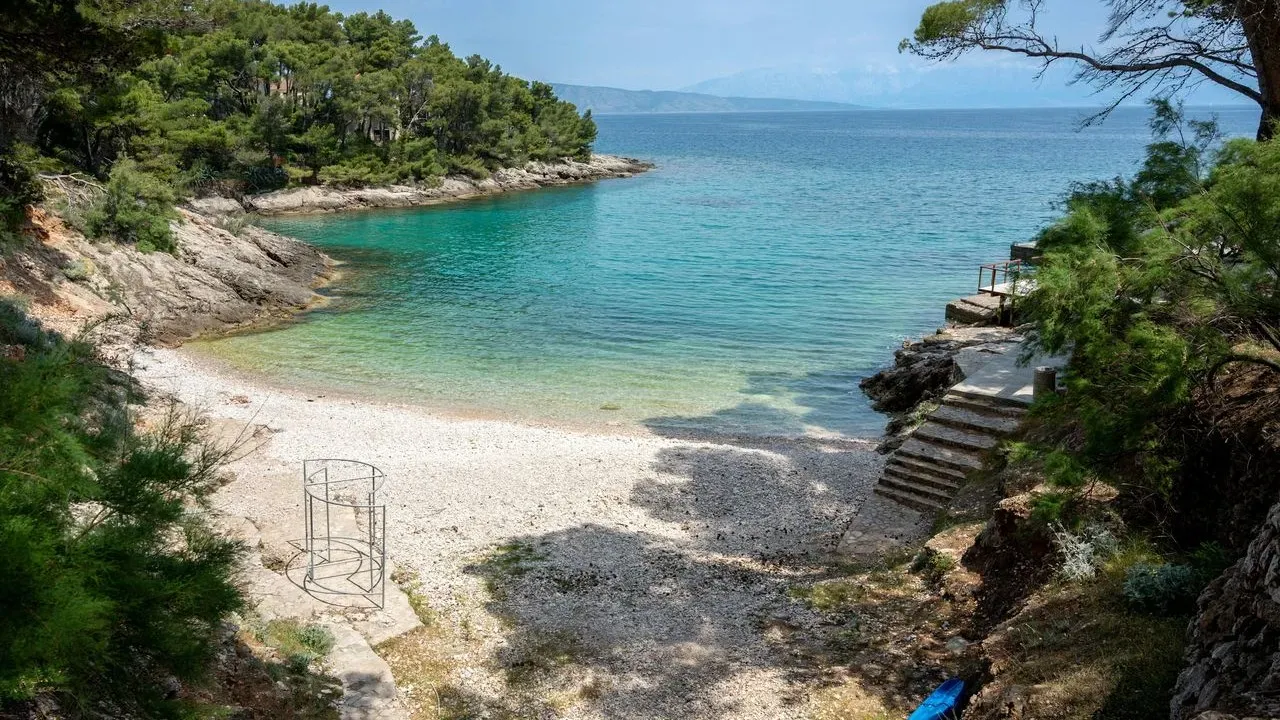

Hvar, Croatia – Many visitors arrive expecting the high-profile yachts and beach clubs of Hvar Town, yet the island’s quieter stretches reveal pine forests sloping to pebbly coves and a pace that suits families seeking outdoor time rather than nightlife. The contrast is striking once travellers move beyond the main harbour. Clear waters and reliable sunshine create an inviting setting for relaxed villa stays focused on gardens, terraces and simple coastal walks.
The Island’s Natural Appeal for Outdoor Living
Pine woods dominate much of the landscape outside the busiest areas, offering shade and a sense of seclusion that appeals to those who value time in nature. These forests reach down to sheltered bays where the sea remains calm through most of the summer months. Families often find that the combination of greenery and accessible shoreline encourages unhurried days spent between villa gardens and short coastal paths. The island records around 2,700 hours of sunshine annually, one of the higher totals in Croatia, while sea breezes moderate afternoon heat.
Choosing a Base That Matches a Garden-Oriented Pace
Jelsa stands out as a practical choice on the north coast, with its flat harbour front, nearby playground and gently shelving beaches within easy reach of central accommodation. Stari Grad, located at the head of a long sheltered bay, provides consistently calm water and serves as the arrival point for the car ferry from Split, simplifying travel with children and equipment. Smaller Vrboska, built around a narrow inlet crossed by stone bridges, offers a village atmosphere close enough for evening strolls along the coast path. Hvar Town itself functions better as a day visit than a base for most families because of its evening activity levels in peak season.
Selecting a Villa for Outdoor Comfort
Several practical details help ensure a villa supports relaxed outdoor living. Enquiries about pool safety features, such as fencing or covers, remain worthwhile given varying standards across properties. Adequate shade from a covered terrace or pergola makes a noticeable difference during warmer afternoons. Air-conditioned bedrooms provide welcome relief after time spent outside, while the steepness of steps and terraces deserves checking in older stone buildings. Proximity on foot to a beach and shop reduces the need for frequent car journeys. An outdoor kitchen or barbecue adds further appeal for meals prepared with local produce.
Day Trips That Highlight Landscape and Heritage
Short boat rides reach the Pakleni Islands, where shallow waters and pine-backed beaches create an easy island-hopping experience suitable for children. The Stari Grad Plain, laid out by Greek settlers more than two millennia ago and still under cultivation, offers flat lanes ideal for cycling with a story attached to the fields. Lavender fields near Velo Grablje and Brusje typically flower from late June into early July, allowing visitors to purchase oils and small souvenirs directly from producers. An evening climb to the fortress above Hvar Town rewards the short but steep walk with expansive views over the harbour and surrounding islands.
Timing and Practical Access
June and September often deliver the most comfortable balance of warm seas, fewer crowds and lower villa rates compared with peak summer weeks. Those tied to school calendars may find late August slightly calmer than early in the month. Direct flights from several UK airports reach Split in roughly two and a half hours during summer, after which the car ferry to Stari Grad takes about two hours. Advance reservations for vehicle space on the ferry prove useful in high season. Hvar rewards visitors who prioritise the island’s quieter, greener character over its more publicised reputation. A measured approach to one outing per day, with afternoons reserved for villa terraces and nearby coves, allows the natural setting to shape the experience.
AI Disclaimer: This article was created with the assistance of AI tools and reviewed by a human editor.