
I know how magical it feels to hear that rapid hum before a flash of iridescent green zips by your shoulder—and nothing beats the thrill of spotting a ruby‑throated hummingbird darting among your blooms! If you’ve ever found yourself scrambling for sugar water or adding more feeders, only to watch those tiny aviators zoom off, you’re not alone. It’s such a bummer when your garden feels more like a pit stop than a sanctuary, but the right perennials can turn it into an all‑you‑can‑eat buffet that keeps hummingbirds lingering.
In this guide, I’m thrilled to share twelve tried‑and‑true perennials—each native to different corners of the globe—that promise nectar‑rich blossoms and visitor‑friendly cover for nesting and rest. I’ve mixed favorites from my own beds with some irresistible newcomers, all chosen for their proven hummingbird appeal, ease of care, and overall garden impact. Let’s dive into the plants that will have those little marvels returning season after season!
Lantana (Lantana camara)

Lantana camara hails from Central and South America, where it thrives in warm climates with plenty of sun. Its clusters of tiny tubular flowers fade from yellow to orange to red, providing a multi‑hued buffet that hummingbirds can’t resist! Though considered invasive in certain subtropical regions, it’s a superstar in containers and well‑drained borders, offering both nectar and perching spots.
One of my favorite things about lantana is how it continues blooming into autumn, long after many perennials have bowed out. Hummingbirds looking to stash fuel for migration will flock to these blossoms, and the dense foliage even gives them a bit of cover when they need a quick rest between sips—so you get both activity and adorable hiding‑spot moments!
Bee Balm (Monarda didyma)

Native to eastern North America, Monarda didyma—often called bee balm or bergamot—packs a punch with bright red, pink, or lavender flower heads. It’s a perennial powerhouse for pollinators, and hummingbirds are no exception, jabbing their slender bills deep into the nectar‑filled tubes. Despite its name, this plant isn’t invasive in most temperate gardens, though it can spread by rhizomes if unchecked.
I’ve had afternoons where two ruby‑throats vie for the best flower spike, wings blurring like miniature helicopters! Beyond its hummingbird draw, bee balm’s aromatic foliage repels some pests, making it a win‑win. Just be sure to divide clumps every few years to keep it from overtaking nearby plants.
Cardinal Flower (Lobelia cardinalis)
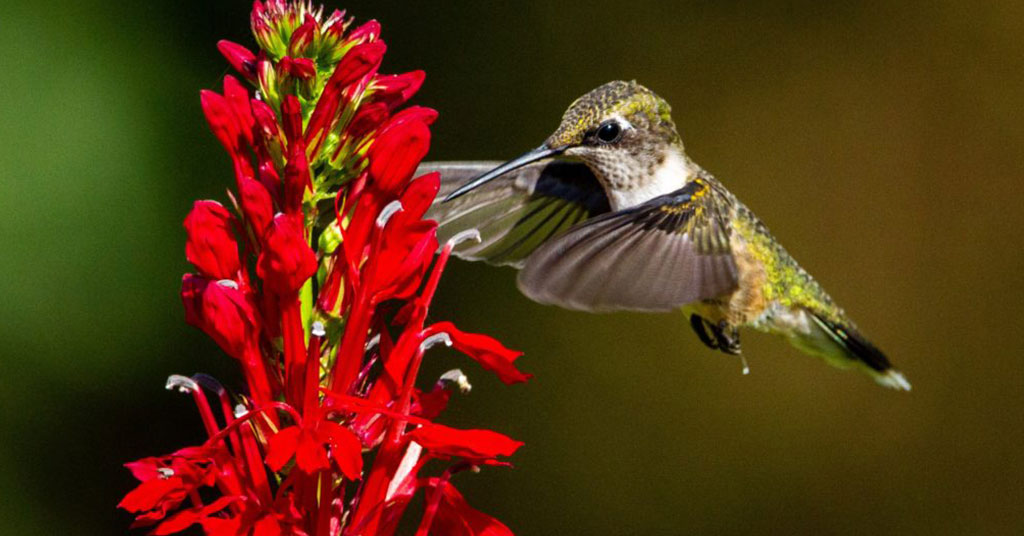
With its fiery scarlet spires, Lobelia cardinalis is native to wetlands across eastern North America. These statuesque blooms can reach over three feet tall, creating a beacon that hummingbirds spot from afar. Although it prefers consistently moist soil, it tolerates average garden conditions in cooler climates and rarely escapes cultivation, so invasiveness isn’t a major concern.
It’s such a thrill to watch hummingbirds hover effortlessly before darting inside each tubular blossom! I know how frustrating it is when hummingbirds can’t perch, but cardinal flower allows them to cling and feed at the same time—perfect for birdwatchers who want both action and adorable poses.
Salvia (Salvia spp.)
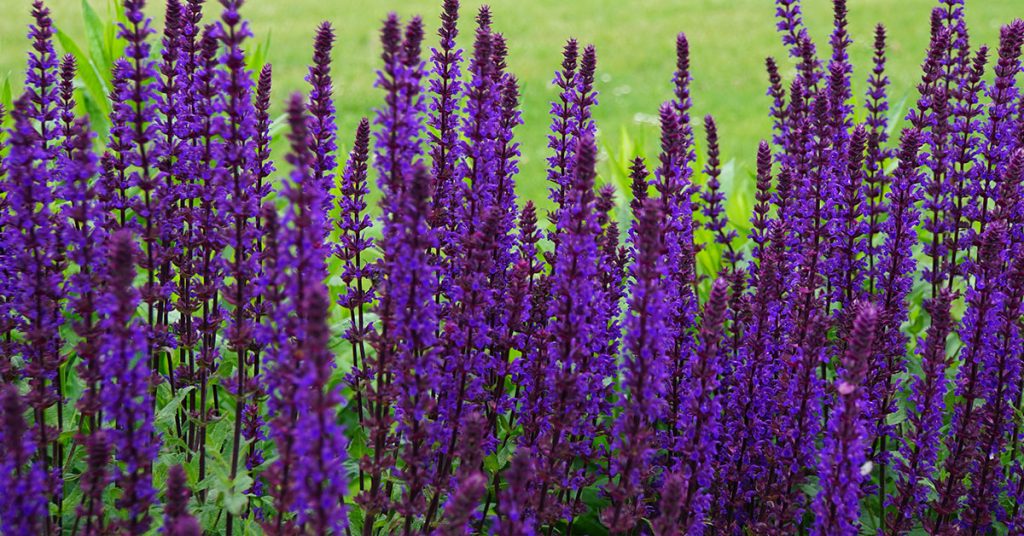
Sage or salvia covers a broad genus—ranging from the Mediterranean‑native Salvia officinalis to the Mexican Salvia guaranitica—with flower colors spanning blue, purple, red, and white. Their bilabiate (two‑lipped) flowers are tailor‑made for hummingbird tongues, and many species re‑bloom if trimmed after the first flush. Most salvias are non‑invasive, though a few self‑sow generously in favorable conditions.
I love how a single salvia plant can host dozens of tiny green gems, all sipping peacefully side by side. The contrasting textures of their aromatic foliage and spiky blooms add structure to any border, and watching those long bills probe each flower feels like catching a secret handshake between gardener and bird!
Phlox (Phlox paniculata)

Phlox paniculata, native to the eastern United States, lights up summer borders with fragrant clusters of pink, white, or purple flowers. While some gardeners worry about mildew, selecting mildew‑resistant cultivars and providing air circulation prevents most issues. It’s non‑invasive and holds upright spikes that hummingbirds adore for easy feeding.
One summer, my phlox was swarming with hummingbirds at dusk—each seemed determined to sample every open flower before nightfall! The heady scent wafting through the air is an added bonus for human senses, creating an immersive wildlife‑friendly oasis you’ll want to linger in long after the birds have flown.
Trumpet Vine (Campsis radicans)
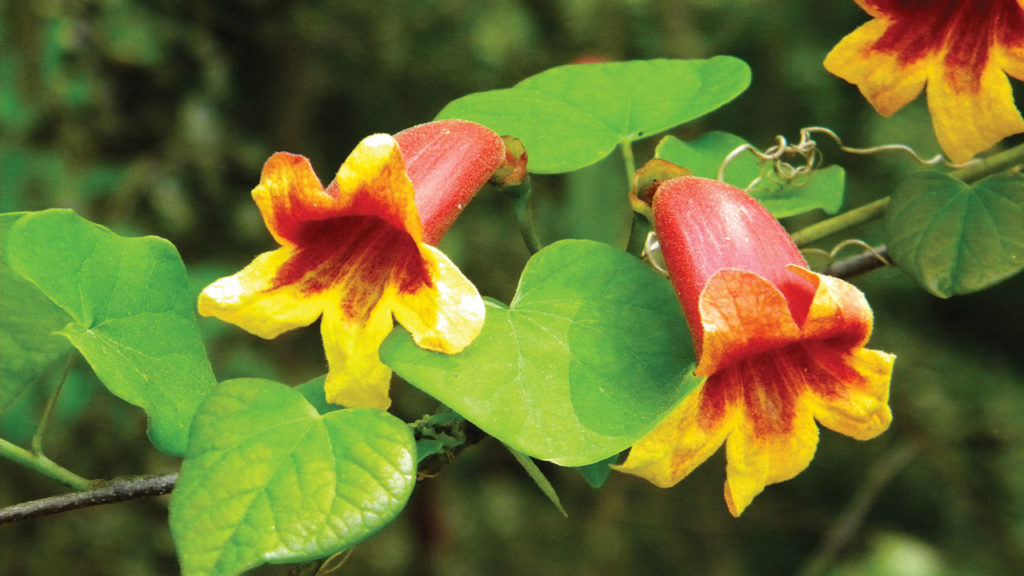
Campsis radicans, commonly called trumpet vine or trumpet creeper, is a vigorous native of the southeastern United States. Its orange‑red, trumpet‑shaped blooms dangle enticingly, drawing hummingbirds like magnets. Beware: in warm zones it can become invasive if left unchecked, so training it on a sturdy trellis or espalier helps keep its growth in line.
I’ve planted it against an old fence, and it quickly became hummingbird central—wings buzzing, calls echoing, and me grinning ear to ear! The dense foliage also offers cozy nesting spots close to food sources, so you might even find tiny nests tucked just above the blossoms.
Penstemon (Penstemon digitalis and hybrids)
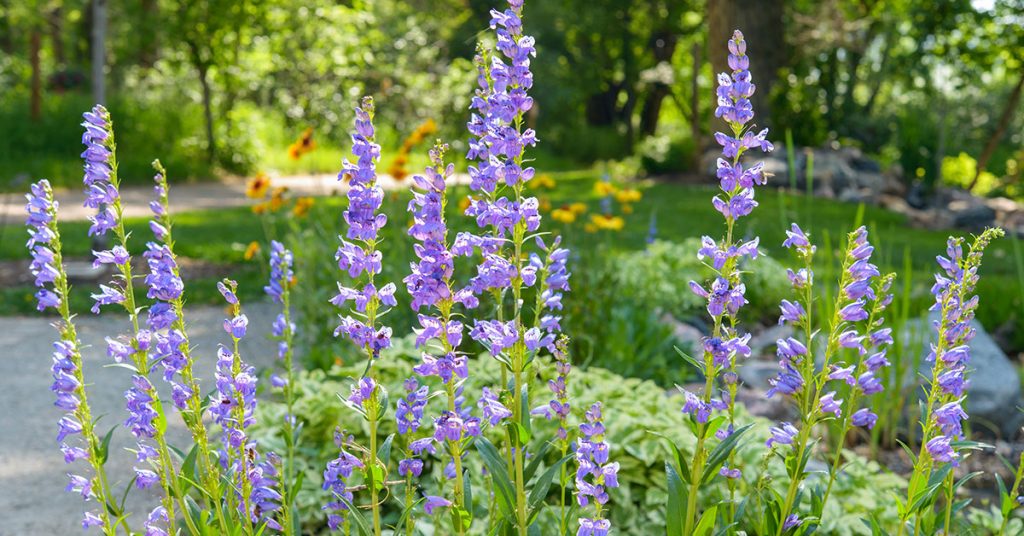
Native to North America, penstemons—often called beardtongues—produce tubular flowers in shades from vibrant red to soft pink and white. They prefer well‑drained soil and full sun, resisting invasiveness by sticking to clump‑forming growth rather than aggressive spreading. Their long flowering season means hummingbirds can rely on them from late spring through summer.
I remember leaning in to admire the delicate “beardtongue” hairs inside each corolla—select hummingbirds seem fascinated by their texture! The sturdy stems and pointy leaves also add architectural interest, providing beautiful contrast alongside softer perennials.
Anise Hyssop (Agastache foeniculum)
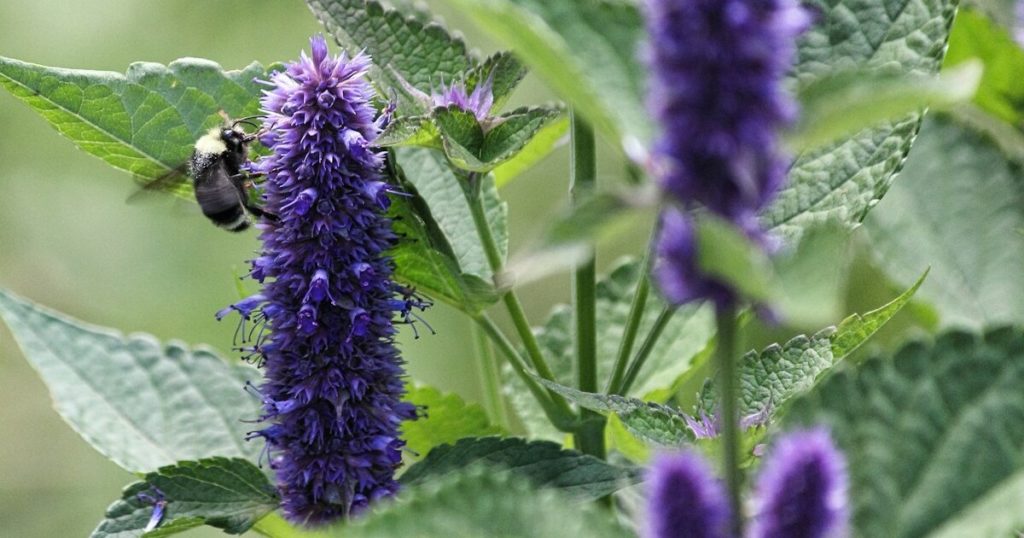
Agastache foeniculum, native to the northern parts of North America, is famed for its fragrant licorice‑scented foliage and spiky violet‑blue flowers. It’s non‑invasive and thrives in poor to average soils, rewarding gardeners with bees, butterflies, and hummingbirds alike. Its aroma also deters deer and rabbits, so your nectar bars stay intact!
One of my favorite memories is watching a hummingbird tip its head to one side as it explored agastache blooms, seemingly savoring both scent and taste. Between the aromatic leaves and the delicate humming of wings, it’s a multi‑sensory delight that turns any garden corner into a wildlife magnet.
Fuchsia (Fuchsia magellanica and hybrids)

Originating from South America, Fuchsia magellanica is a hardy perennial in mild climates, flaunting pendulous, lantern‑like flowers in rich reds, purples, and whites. While it can naturalize in certain coastal regions, it rarely overtakes native flora if pruned and monitored. The dangling blooms are perfect perches for hummingbirds, who swoop in from below for an aerial feast.
I love how fuchsia’s backward‑arched petals give you a clear view of a hummingbird’s face—and those delicate long stamens look like brushstrokes against the sky! Plant it in partial shade to shield blooms from scorching sun, and you’ll have hummingbird theater from late spring until frost.
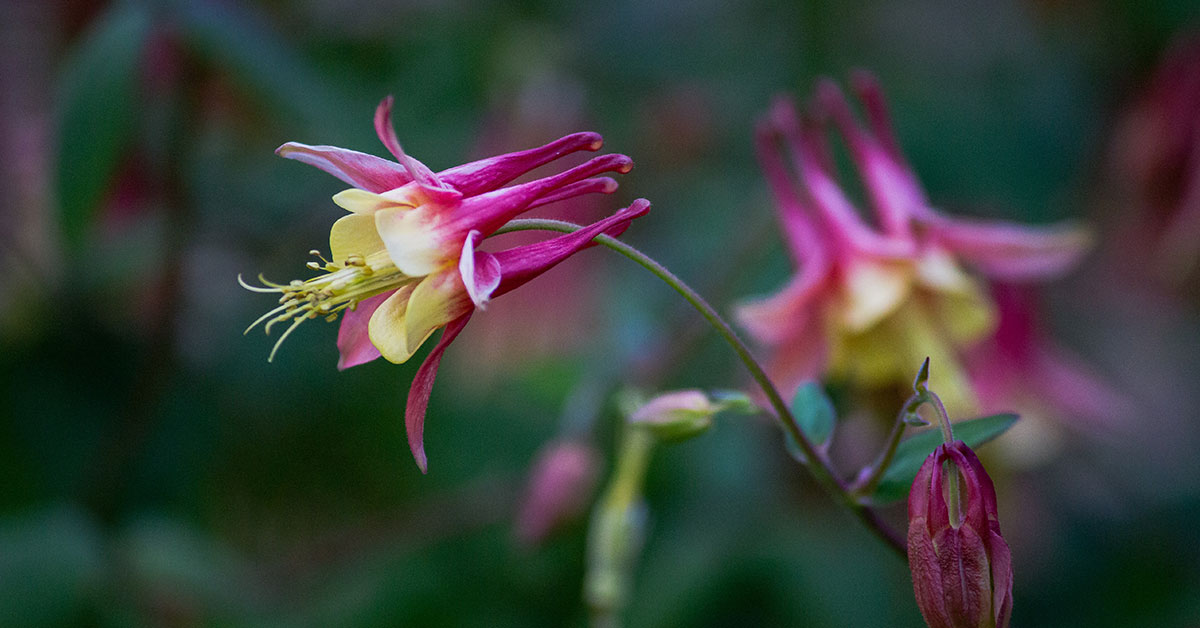
Columbine (Aquilegia canadensis)
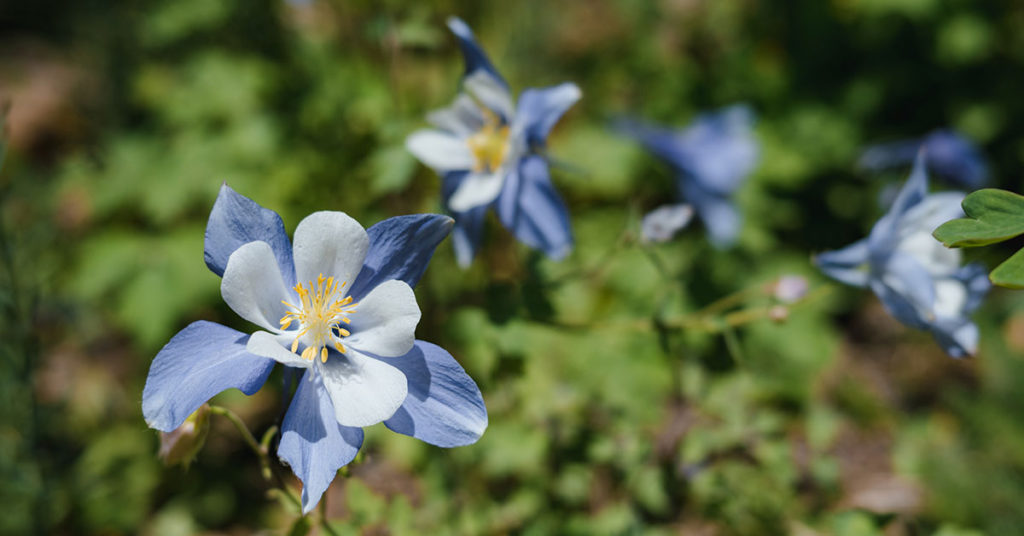
Aquilegia canadensis, or red columbine, is native to woodland edges of eastern North America. Its nodding, bell‑shaped flowers come in red and yellow, offering hummingbirds both nectar and a safe cover for nesting overhead. As a non‑invasive self‑seeder, it quietly populates rocky gardens and shaded beds without outcompeting neighbors.
I planted columbine under a maple tree, and it quickly became a hummingbird highway—each bird weaving among branches before diving into a blossom! The graceful fern‑like foliage also pairs beautifully with hostas and ferns, creating cool retreats where birds and humans alike can pause and enjoy the show.
Echinacea (Echinacea purpurea)

Native to the prairies of central and eastern North America, Echinacea purpurea—commonly called purple coneflower—sports rosy‑pink petals around a spiky orange central cone. Though more famous for attracting butterflies, these rich nectar sources are also magnets for hummingbirds on migration or in search of mid‑summer snacks. They’re non‑invasive and drought‑tolerant once established.
It’s such a treat to watch hummingbirds balance on the rigid cone, wings beating so fast they blur into near‑invisibility! Plus, those sturdy stems make excellent perches, giving photographers and bird lovers perfect viewing angles. With minimal maintenance, echinacea delivers both long‑lasting beauty and winged visitors year after year.