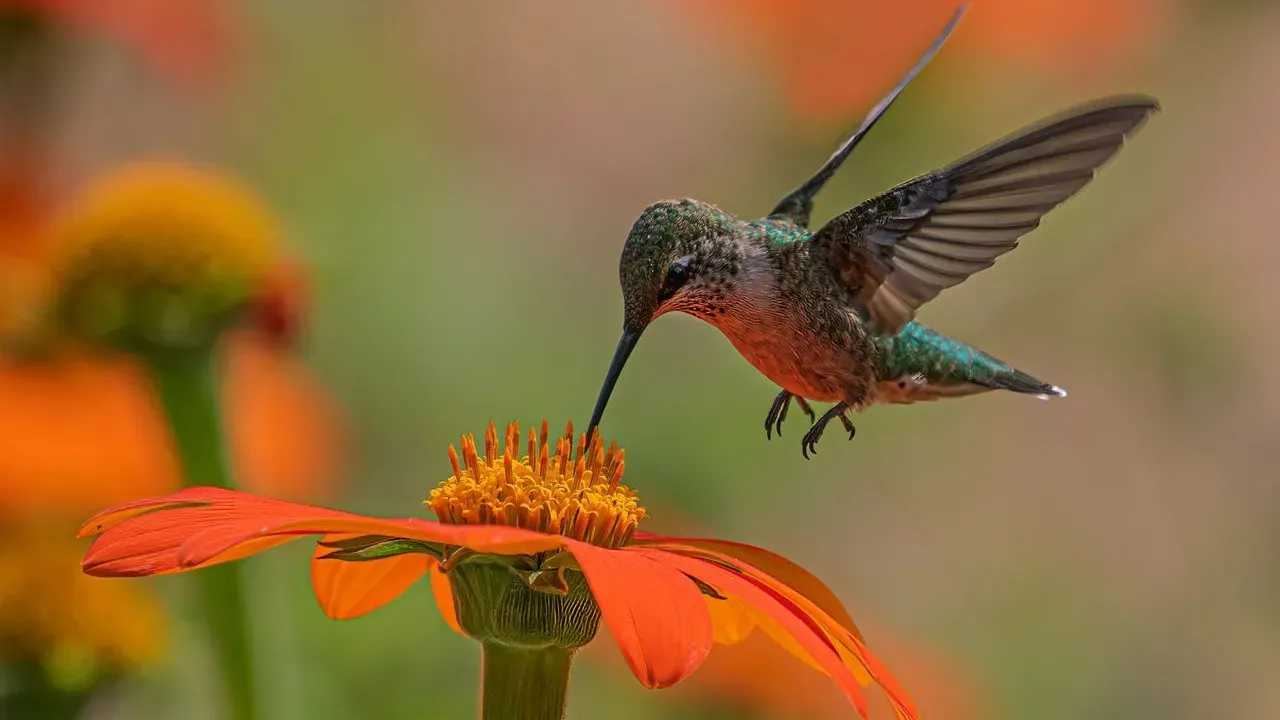

Gardeners across Canada and the northern United States face a clear shift in backyard activity as summer ends. Ruby-throated hummingbirds and other species begin their individual southward flights, with departures varying by latitude and local conditions. The process affects how long sugar-water feeders should stay available to support birds that still need refueling stops.
Regional Timing Patterns
Migration does not follow a single date. In southern Canada and the northeastern United States, movement often begins in late July or August. Further south, activity can extend into September or October. – Northern areas see males depart first, followed by females roughly one to two weeks later.
- Peak numbers at feeders in some locations occur in early September.
- Last sightings in southwestern Ontario typically arrive by mid-October, just before the first frosts.
- In the broader United States, birds continue passing through until winter temperatures arrive. These patterns mean gardeners in different zones must monitor local sightings rather than rely on a fixed calendar.
Daily Travel Routine
Hummingbirds maintain energy through a consistent daily cycle during migration. They feed heavily in the early morning, travel during midday hours, and forage again in the late afternoon. This schedule allows them to cover long distances while managing body weight. Most ruby-throated individuals head toward wintering grounds in Mexico and Central America. Some gather along the Gulf Coast in September before crossing open water or taking an overland route. Western species show more variation, with some remaining year-round in milder climates.
Feeder Guidance for Gardeners
Stakeholders who maintain feeders play a direct role in supporting the migration. Experts advise keeping sugar-water stations filled until two to three weeks after the last local sighting. In many regions this extends into late September or mid-October. Removing feeders too soon can leave late travelers without a reliable energy source after cold nights. Continuing to offer nectar also benefits any stragglers still moving through from farther north. Gardeners should clean feeders regularly to prevent mold while the birds remain active.
Practical Steps for the Season
Preparation now centers on observation and maintenance. Track daily visits at feeders and note when numbers drop. Combine feeder support with late-blooming nectar plants to provide additional resources. The migration represents a predictable annual event that gardeners can accommodate without major changes to their routines. Continued monitoring through October helps ensure the final birds receive the assistance they need before colder weather sets in.
AI Disclaimer: This article was created with the assistance of AI tools and reviewed by a human editor.