
Growing your own vegetables is a rewarding experience that offers fresh, healthy produce right from your backyard. However, it’s important to be aware of potential contamination risks that can compromise the safety and quality of your harvest. Contaminated garden produce can pose serious health risks, including exposure to harmful bacteria, chemicals, and heavy metals. Understanding these risks and taking preventive measures can help ensure your garden remains a safe source of food.
In this article, we’ll explore seven common ways your vegetable garden could be contaminating your food and provide practical tips to mitigate these risks. From soil quality to water sources, each aspect of your gardening practice plays a crucial role in maintaining the safety of your produce. Let’s dive in and learn how to keep your vegetable garden healthy and contaminant-free!
Contaminated Soil
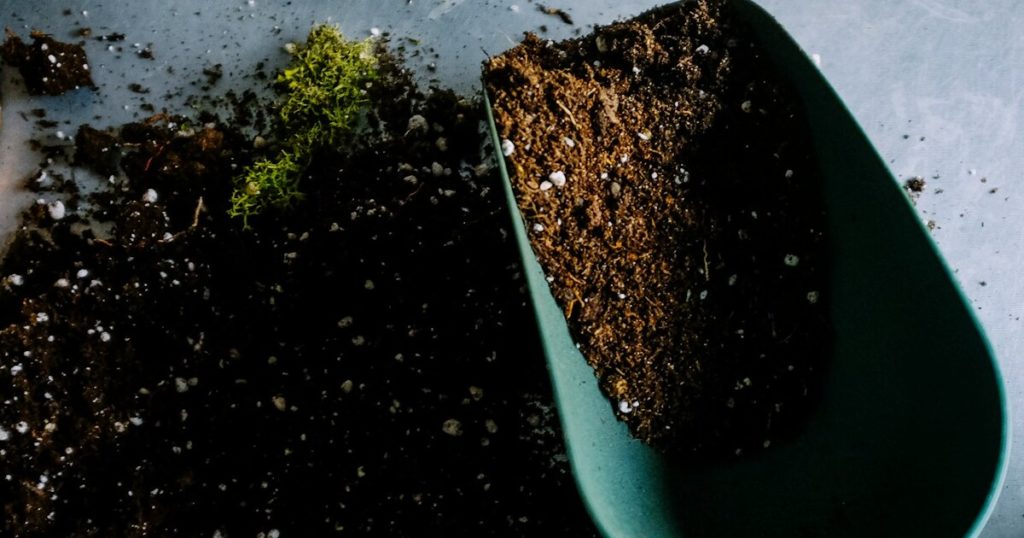
One of the most significant sources of contamination in a vegetable garden is the soil itself. Soil can contain harmful substances such as heavy metals (like lead and cadmium), pesticides, and other pollutants. These contaminants can be absorbed by plants and enter the food chain, posing health risks to those who consume the produce. It’s particularly concerning in urban areas where soil contamination is more likely due to past industrial activities or proximity to busy roads.
To ensure your soil is safe, conduct a soil test before planting. Many agricultural extension services offer testing for heavy metals and other contaminants. If high levels of contaminants are found, consider raised beds with clean soil or soil remediation techniques. Regularly adding organic matter such as compost can also help dilute contaminants and improve soil health, providing a safer environment for your vegetables.
Using Contaminated Water
Water quality is crucial for a healthy vegetable garden. Using contaminated water for irrigation can introduce pathogens and chemicals into your soil and plants. Sources of contaminated water include untreated surface water, polluted groundwater, and even rainwater collected from roofs with lead-based paints or other pollutants. These contaminants can lead to foodborne illnesses or chemical exposure when consuming the produce.
To mitigate this risk, use clean, potable water for irrigation whenever possible. If you rely on rainwater or surface water, consider filtering or treating the water before use. Regularly testing your water sources for contaminants can help identify potential issues early. Installing a drip irrigation system can also reduce the risk by minimizing contact between water and the edible parts of the plants, keeping your vegetables safer.
Improper Use of Manure
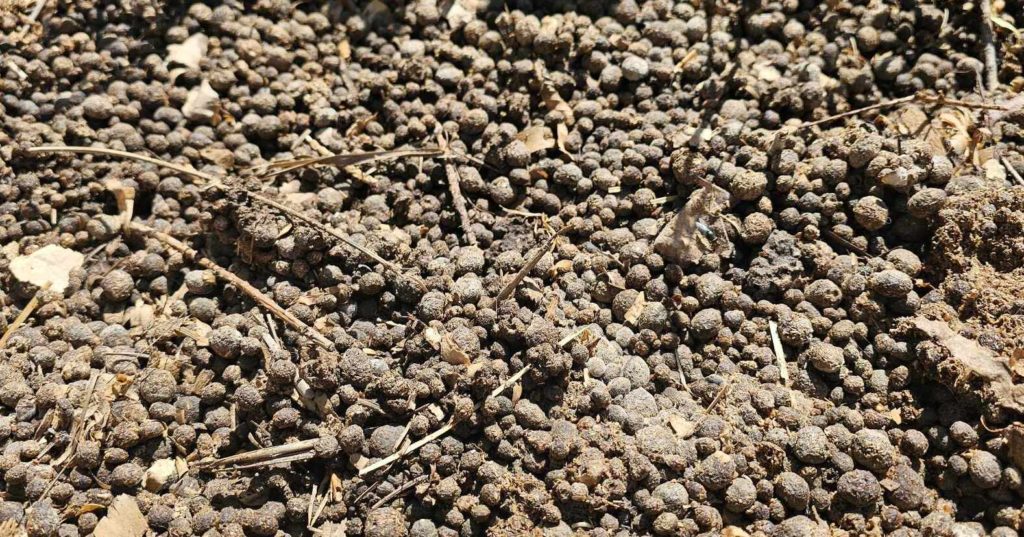
Manure is an excellent source of nutrients for your vegetable garden, but if not properly composted, it can introduce harmful pathogens such as E. coli and Salmonella. Fresh manure can contaminate plants directly or leach into the soil, posing significant health risks. It’s essential to use well-composted manure to ensure that harmful bacteria are killed during the composting process.
When using manure, ensure it is aged and fully composted before applying it to your garden. This typically involves composting the manure for at least six months, reaching internal temperatures of 140°F (60°C) to kill pathogens. Apply composted manure at least 90 days before harvesting crops that do not touch the soil (like tomatoes) and 120 days for those that do (like carrots). This practice helps ensure your vegetables are safe to eat and rich in nutrients.
Pesticide Residues
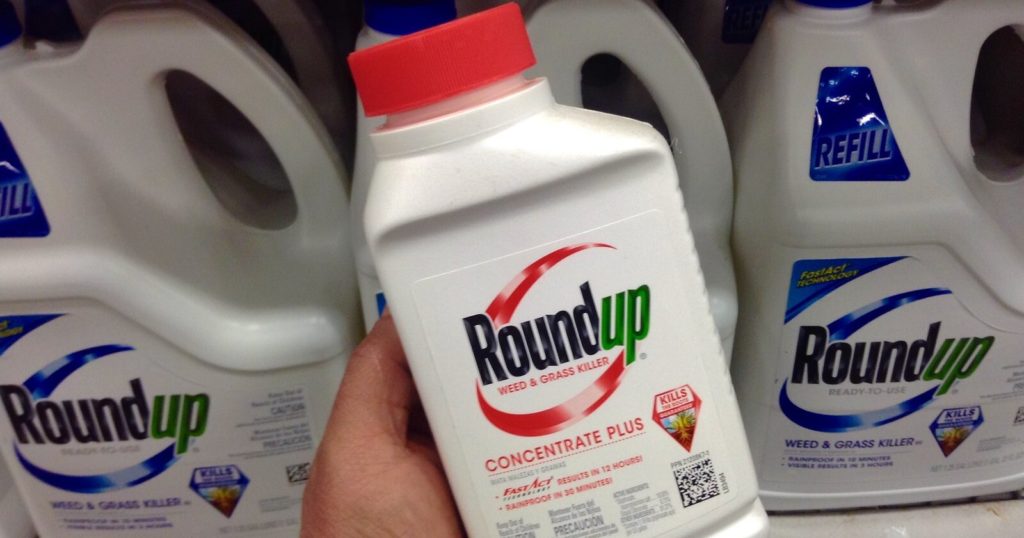
Pesticides can help manage pests and diseases in your vegetable garden, but their residues can contaminate your produce. Overuse or improper application of pesticides can leave harmful chemicals on your vegetables, posing health risks when consumed. Some pesticides can also leach into the soil and affect future crops.
To minimize pesticide residues, opt for integrated pest management (IPM) practices, which include using biological controls, mechanical methods, and organic treatments. If you must use chemical pesticides, follow the instructions carefully, including recommended waiting periods before harvesting. Washing your produce thoroughly under running water can also help reduce pesticide residues. By using pesticides judiciously and exploring organic alternatives, you can protect both your garden and your health.
Cross-Contamination from Tools and Containers
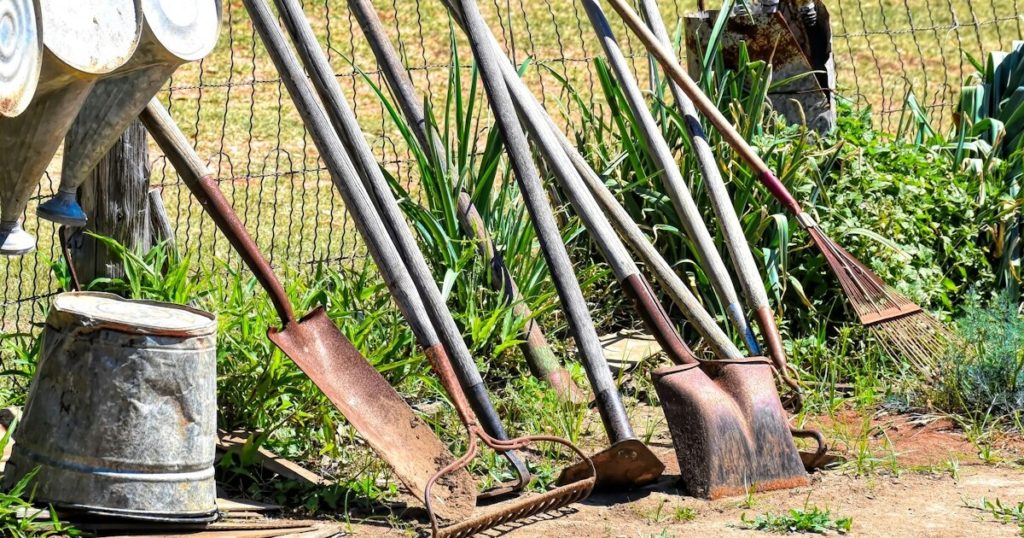
Garden tools and containers can be a source of cross-contamination if not properly cleaned. Tools used for different purposes, such as composting and harvesting, can transfer harmful pathogens and chemicals to your vegetables. Containers that previously held non-food items can also introduce contaminants if repurposed for gardening without thorough cleaning.
To prevent cross-contamination, regularly clean and sanitize your garden tools and containers. Use separate tools for composting and harvesting, and designate specific containers for gardening use only. Sterilize containers with a solution of one part bleach to nine parts water, and rinse thoroughly before use. By maintaining clean tools and containers, you can reduce the risk of contaminating your garden produce.
Inadequate Composting Practices
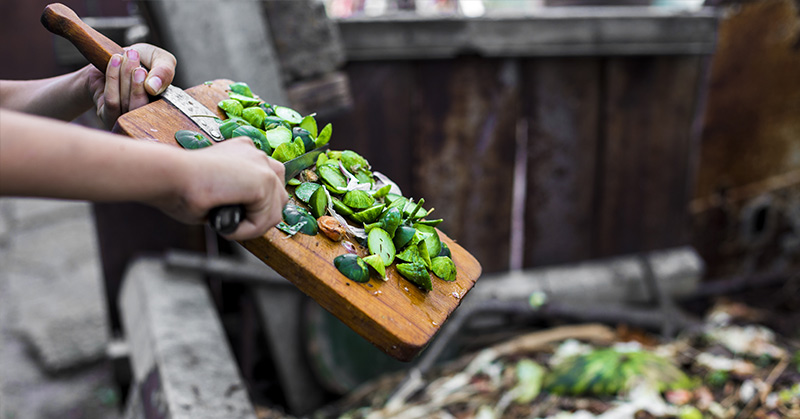
Composting is a fantastic way to recycle garden waste and enrich your soil, but improper composting can lead to contamination. Compost piles that do not reach high enough temperatures may not kill harmful pathogens, resulting in contaminated compost. Additionally, compost that includes materials like meat, dairy, or diseased plants can harbor bacteria and fungi that pose health risks.
Ensure your compost pile reaches temperatures of 140-160°F (60-70°C) for several days to kill pathogens. Turn the pile regularly to maintain aeration and promote even decomposition. Avoid adding meat, dairy, and diseased plant material to your compost. By following proper composting practices, you can create safe, nutrient-rich compost that benefits your garden without introducing contaminants.
Pets and Wildlife
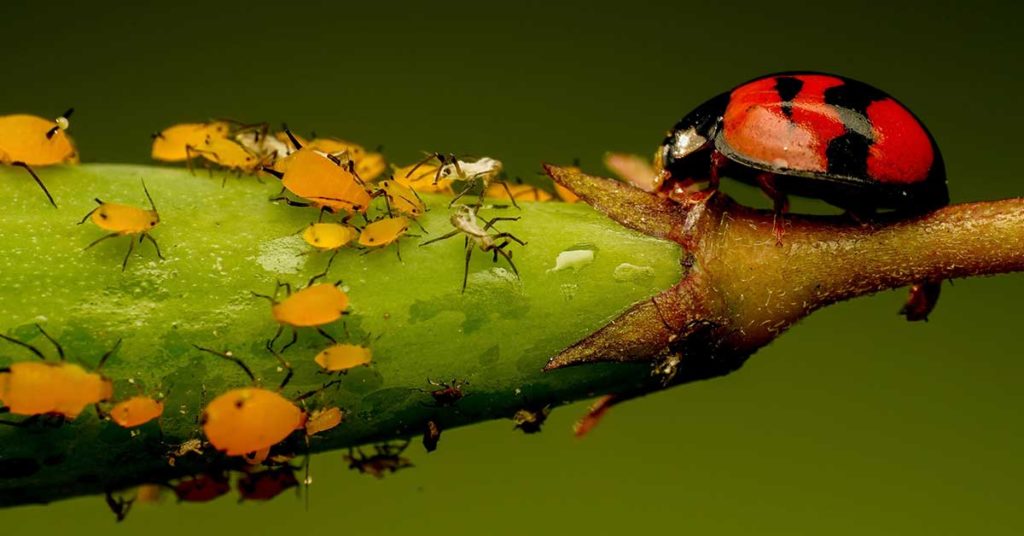
Pets and wildlife can introduce pathogens and parasites to your vegetable garden. Animals like dogs, cats, birds, and rodents can leave droppings that contain harmful bacteria such as E. coli and Salmonella. These pathogens can contaminate your soil and plants, leading to foodborne illnesses if the produce is not properly washed before consumption.
To minimize this risk, create barriers to keep pets and wildlife out of your garden. Fencing, netting, and raised beds can help protect your vegetables from animal intrusion. Regularly inspect your garden for signs of animal activity and remove any droppings immediately. Washing your vegetables thoroughly before eating them can also help reduce the risk of contamination from animal waste.
Growing your own vegetables is a rewarding and healthy endeavor, but it’s essential to be aware of potential contamination risks. By understanding these risks and taking preventive measures, you can ensure your garden produces safe, nutritious food. From using clean soil and water to practicing proper composting and pest management, each step you take contributes to a healthier garden and a healthier you.