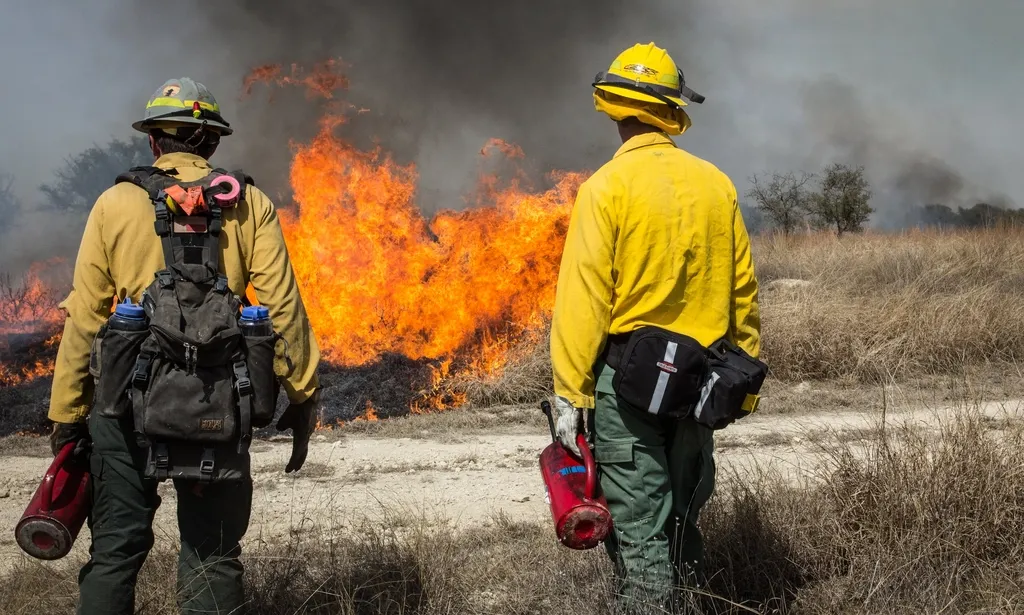

Most people assume wildfire smoke is a local problem, something that stays close to burning forests in the West and fades within a few counties. The reality is far more unsettling. Smoke from fires in California, Oregon, Washington, and western Canada now routinely settles over cities in the Midwest, the Northeast, and even the Mid-Atlantic, turning summer air hazardous for tens of millions of people who live nowhere near the flames.
This is no longer a seasonal curiosity. It has become one of the defining public health stories of the 2020s, driven by decades of research and confirmed by some of the most alarming air quality data ever recorded in the United States.
The Scale of the Problem Is Bigger Than Most Realize
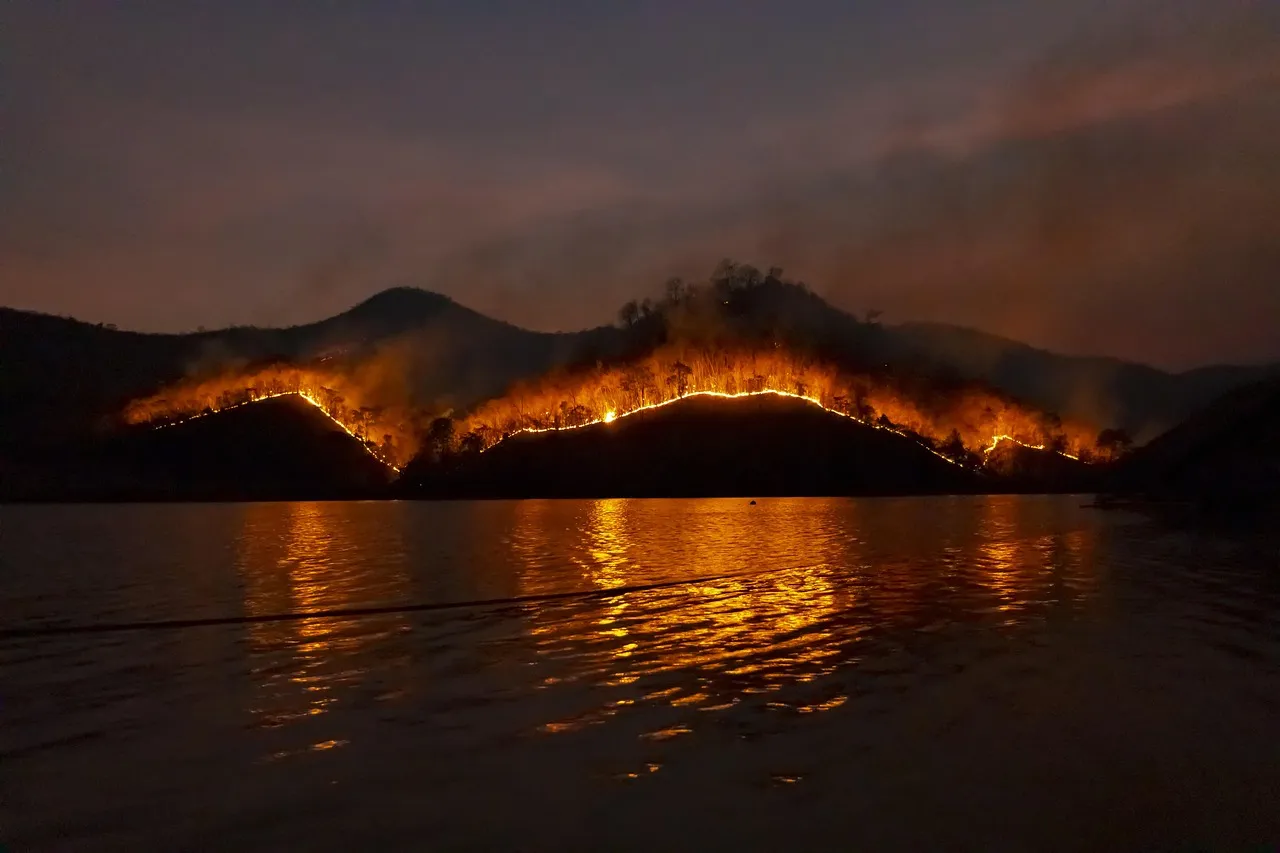
Although most large fires occur in the western U.S., roughly three-quarters of smoke-related mortality and asthma morbidity occurs in other U.S. regions, due to long-range smoke transport and high population density in eastern areas. That’s a striking inversion of what most people would expect.
Per-person exposure to harmful wildfire smoke in the U.S. was four times higher during 2020 to 2024, on average each year, than during 2006 to 2019, according to data from Stanford University’s Environmental Change and Human Outcomes Lab. The jump is not subtle. It represents a genuine shift in the country’s air quality baseline.
The average amount of U.S. land that wildfires burn each year is now roughly nine percent higher than it was from 2003 to 2014, according to the National Interagency Fire Center. Every additional acre burned sends more particles skyward.
How Smoke Travels Across a Continent
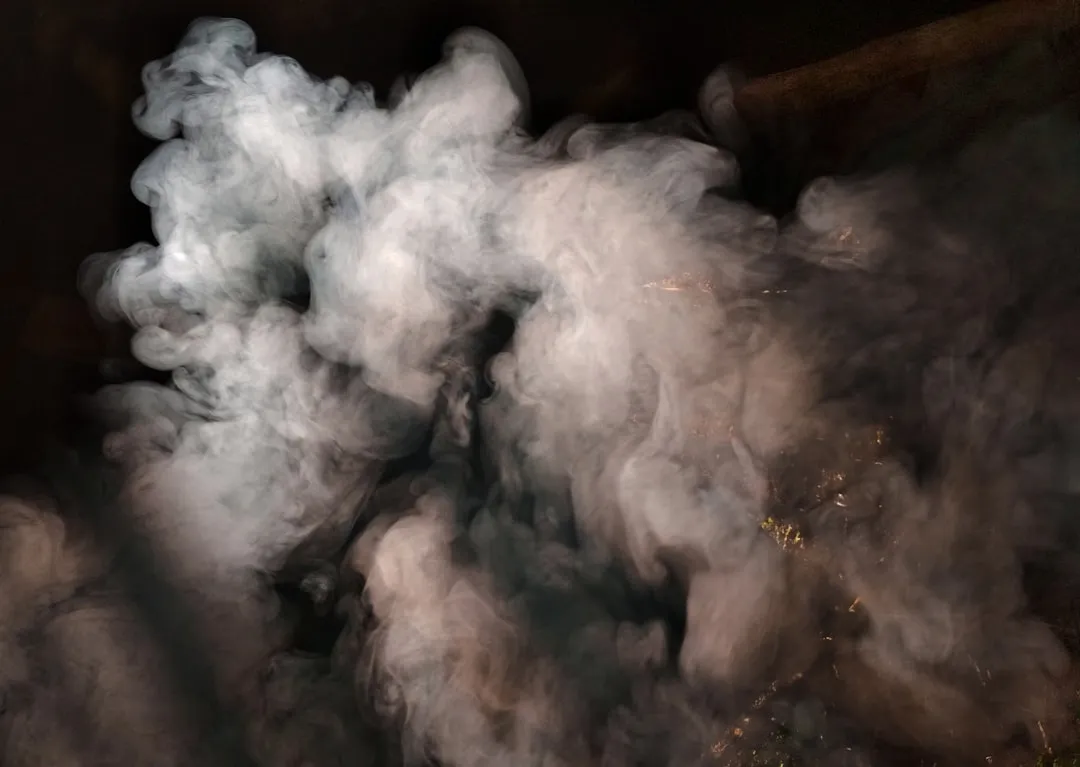
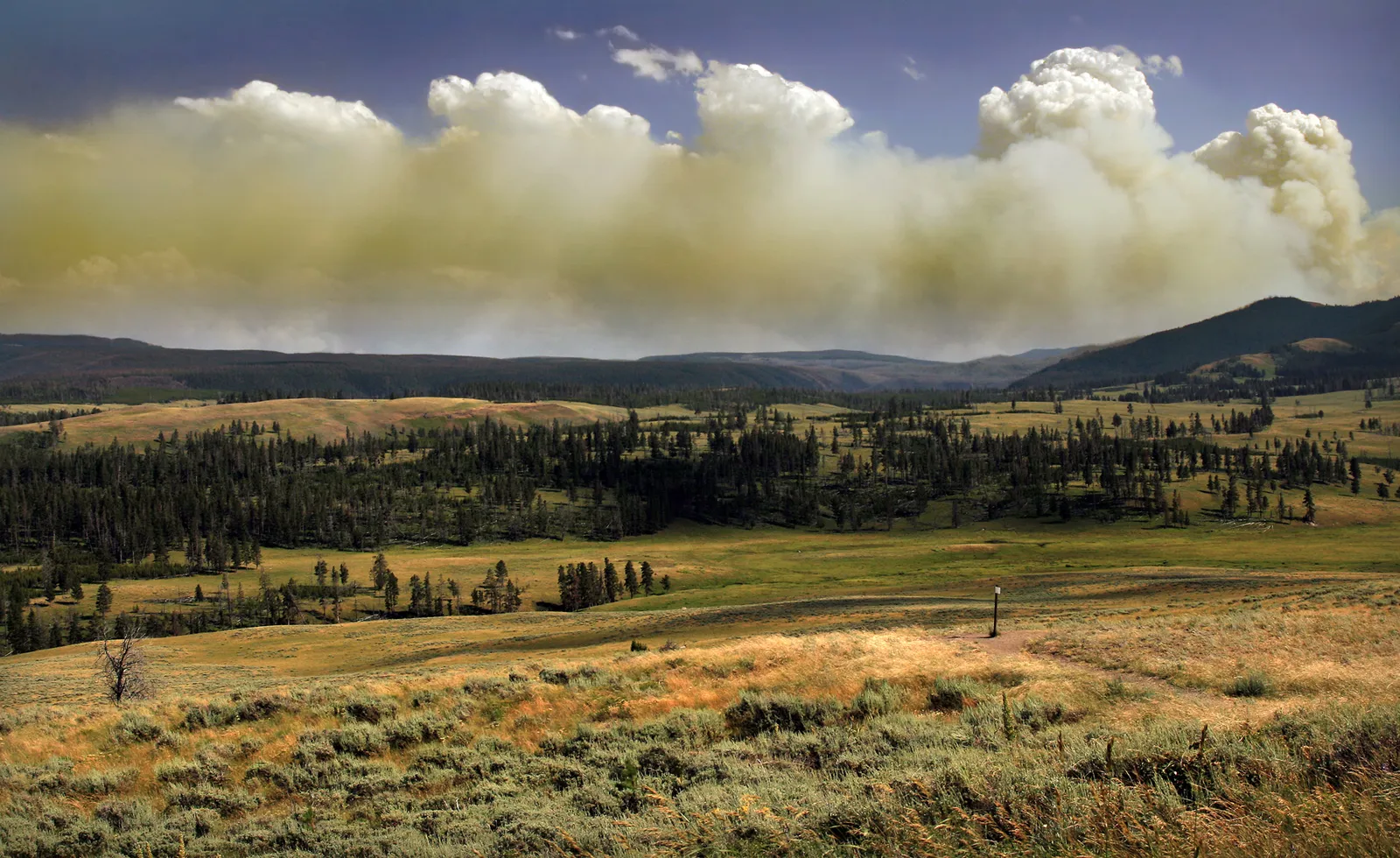
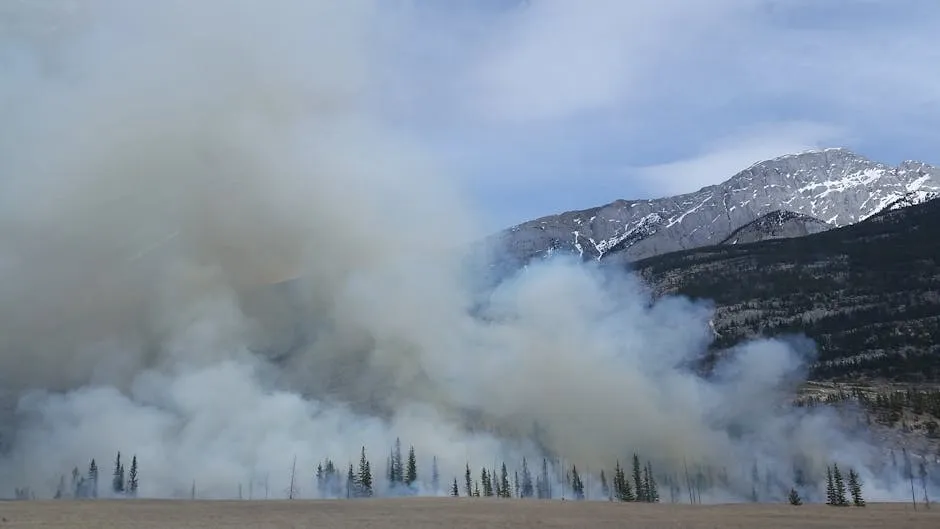
The intensity of major fires, fueled by drought, high temperatures, and strong winds, can give rise to pyrocumulonimbus clouds, towering storm-like formations created by the extreme heat of fires. These clouds are capable of injecting smoke and aerosols high into the atmosphere where the strong winds of the jet stream can transport them over vast distances.
Atmospheric circulation plays a key role in shaping smoke transport, with upper-level winds facilitating long-range horizontal movement, while surface high-pressure systems enhance that spread. Once smoke reaches the upper atmosphere, it can travel for days before descending to ground level far from its source.
Smoke initially remains localized near a fire but begins spreading eastward within days. Air quality in the western U.S. and Canada rapidly deteriorates, with PM2.5 reaching unhealthy levels, and during the following weeks the smoke continues to move eastward, with elevated concentrations detected across the central U.S. and Canada.
What PM2.5 Actually Is and Why It’s So Dangerous
Wildfire smoke is a complex mix of pollutants, but fine particulate matter, known as PM2.5, accounts for roughly ninety percent of it and is the main threat to human health. The name refers to particles smaller than 2.5 micrometers in diameter, roughly thirty times smaller than a human hair.
When people breathe in wildfire smoke, these tiny particles can make their way deep into the lungs and even into the bloodstream, causing a range of health effects from minor irritation to serious cardiovascular and respiratory illness. The body has no effective mechanism for filtering them out at that size.
Much like smoking, long-term exposure to PM2.5 is a risk factor for lung cancer, and even short-term exposures are now understood to have detrimental effects on pulmonary health. Researchers have also linked increased PM2.5 concentrations to heightened mortality risk that can appear as early as the first day of elevated exposure.
The Eastern United States Is Now Routinely Affected
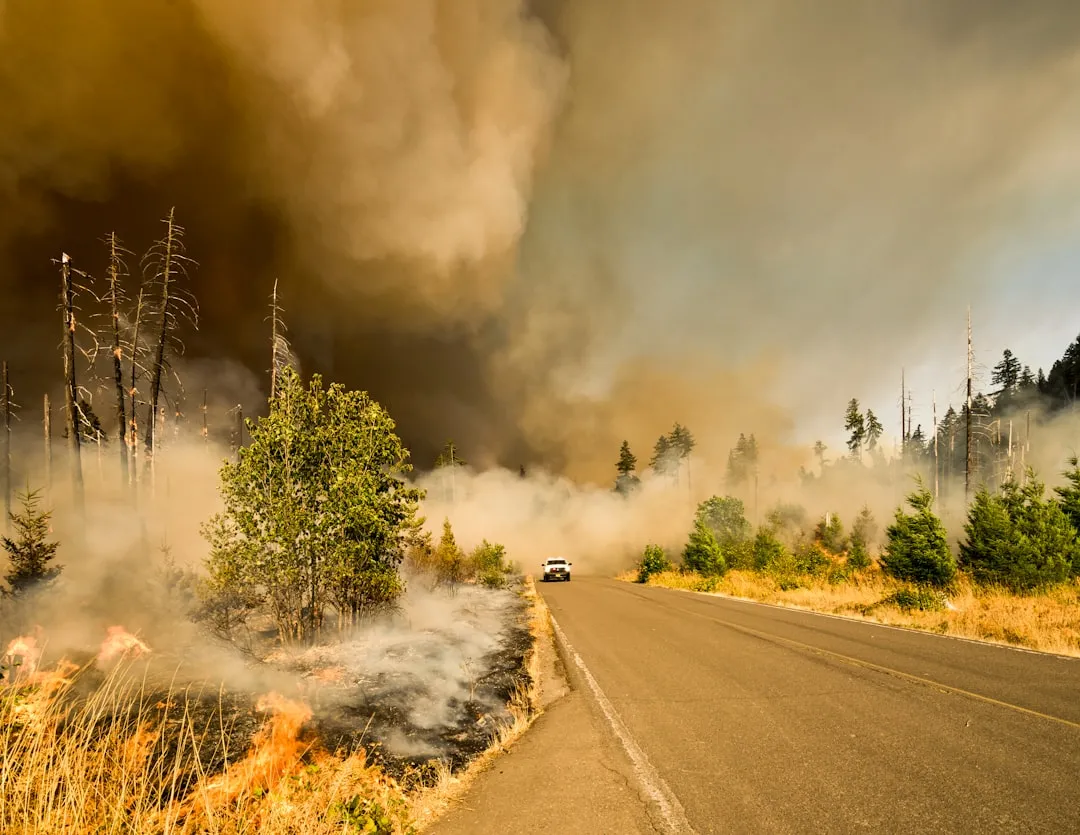
By late July, during major smoke events, smoke has been observed reaching the eastern states, affecting air quality from the Midwest to the Atlantic coast. PM2.5 concentrations in New York, Pennsylvania, and the Mid-Atlantic region have been measured at levels comparable to those of the western regions, significantly degrading air quality.
Smoke from wildfires in Canada drove levels of pollution in central and eastern states higher than they had been in many years. The sight of a hazy orange sky over New York City, which stunned millions of residents in June 2023, was not a freak event. It was a symptom of a systematic pattern.
The persistently elevated PM2.5 levels during peak smoke events have prompted health advisories from the West all the way to the eastern seaboard of both countries. Regions that had not historically tracked wildfire smoke now issue regular air quality alerts during summer months.
Record-Breaking Seasons Are Setting a New Normal
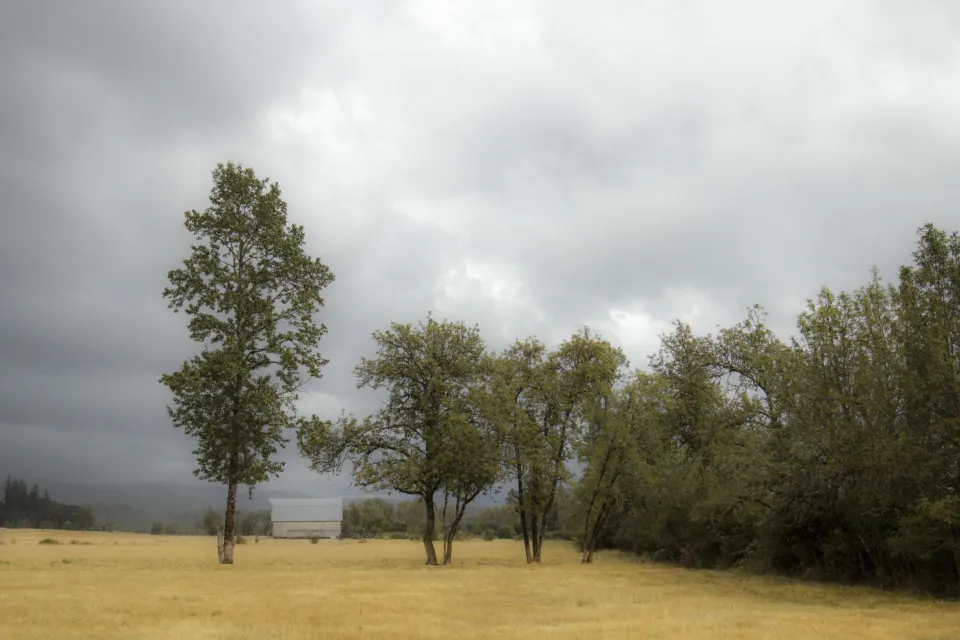
Smoke exposure shattered records in 2023, partly because of smoke from Canada’s worst wildfire season on record traveling over densely populated areas of the eastern U.S. The scale of that season caught many air quality officials off guard.
The amount of land burned in 2023 in Canada was not only a record but two times higher than the previous record. That volume of combustion released an extraordinary quantity of particulate matter into the atmosphere, with consequences felt across an entire continent.
In 2025, Canadian fires burned an area more than double the country’s ten-year average, making it the country’s second-worst wildfire season and again spreading unhealthy smoke to the Upper Midwest and parts of the Northeast. Back-to-back severe seasons suggest the threshold for “unusual” has shifted permanently upward.
The Death Toll Is Hidden in Plain Sight
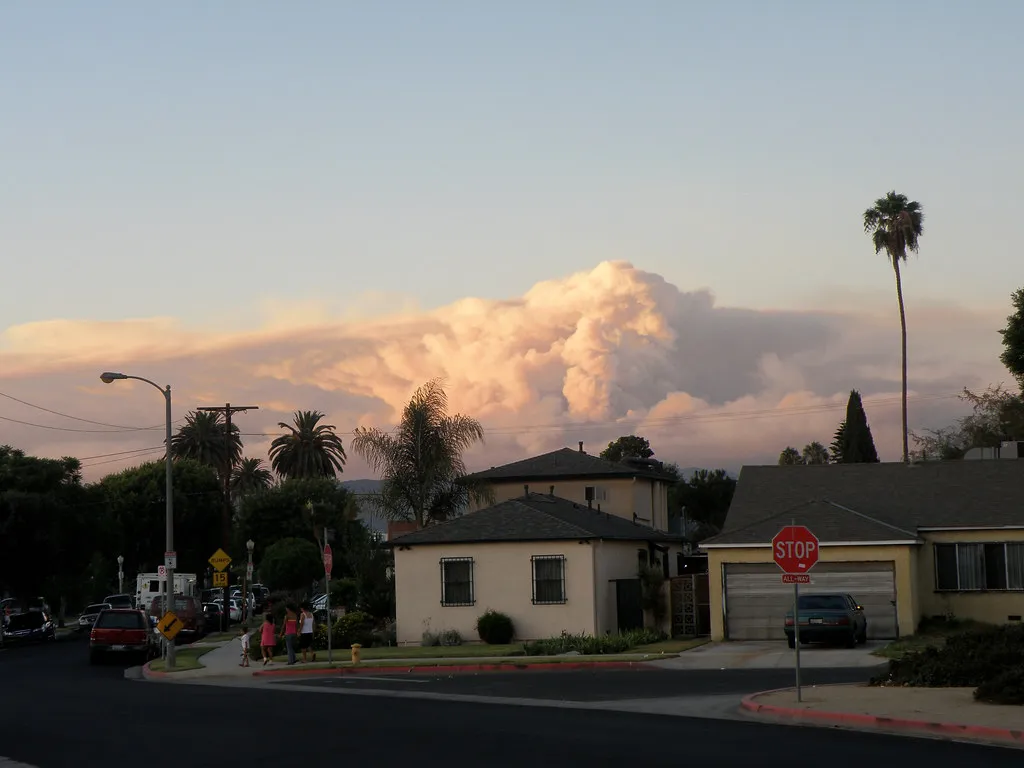
A study published in PNAS, led by Kai Chen of the Yale School of Public Health, examined the effects of smoke-related fine particulate matter on health in every county in the contiguous United States between 2007 and 2020. The health burden, they found, is significant and widespread, with more than eleven thousand deaths per year attributable to wildfire smoke PM2.5.
Smoke from the 2023 Canadian fires alone killed an estimated 82,100 people globally, including roughly 33,000 in the United States, because of particle pollution, according to a study published in 2025. These are not deaths from direct fire exposure. They are deaths from breathing contaminated air, often far from any visible flame.
New research shows that wildfire smoke caused approximately 164,000 premature deaths in the U.S. from 2006 to 2020, and that climate change accounted for around 15,000 of those smoke-related deaths. The numbers are cumulative, steady, and largely invisible in public discourse.
Decades of Clean Air Progress Are Being Reversed
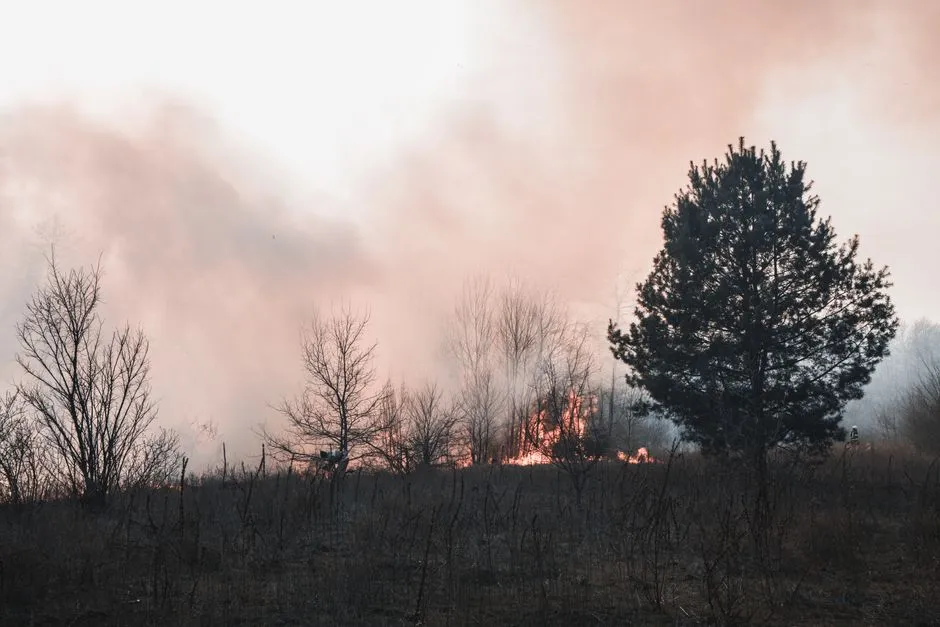
The national smog level dropped by roughly eleven percent from 2003 to 2015 as strict federal regulations on power plants, cars, and diesel engines took effect. Since then, as wildfires have grown, the nation’s average ground-level ozone, which is smog, has increased by four percent.
The rise in wildfire smoke since 2016 has either stalled or reversed decades-long air quality improvements in thirty U.S. states. That number reflects not just western states near the fires, but states across the interior and along the Atlantic seaboard.
If smoke increases at the current rate, smog will go back up to 2003 levels within twenty years, according to atmospheric scientist Weizhi Deng of the University of Iowa, the lead author of a study published in the journal Science in June 2026. That would effectively erase a generation of environmental policy work.
Ozone: The Secondary Pollutant Nobody Talks About
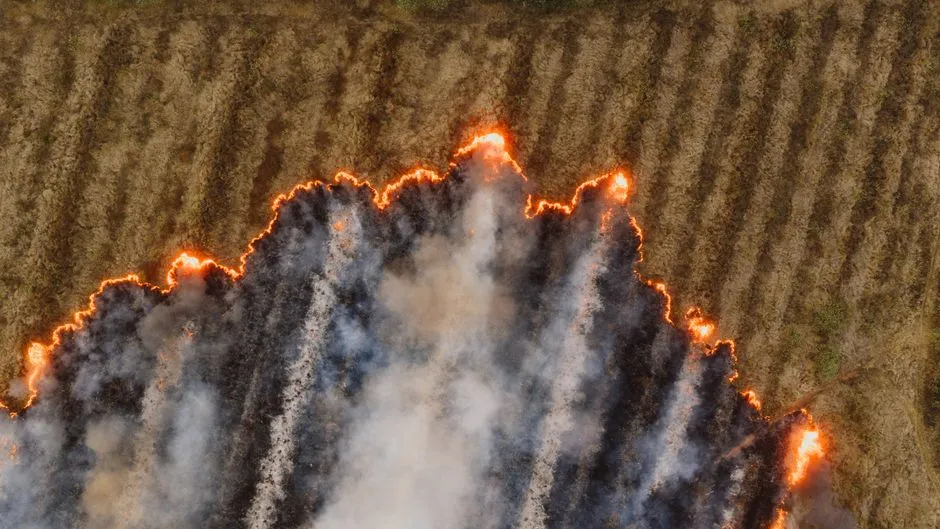
Fires don’t produce ozone directly, but they release precursor chemicals that become smog when they interact with sunlight. This means the ozone problem from wildfire smoke is delayed and often shows up far downstream, in cities that may not even be seeing smoke-darkened skies.
Between 2015 and 2024, ozone levels increased by 0.13 parts per billion each year, wiping out gains that took more than a decade to achieve. Researchers found that without the impact of wildfires, ozone levels would have continued to fall, making fires the main driver of the reversal.
The biggest increases in ozone levels were recorded in the Northern Rockies, which were near many of the fires, and in the Midwest, where the smoke traveled next. The geography of the problem maps closely onto prevailing wind patterns, not fire locations.
Vulnerable Groups Face Disproportionate Risk
Vulnerable groups, including children, the elderly, and those with preexisting conditions, face heightened health risks from long-range smoke transport. These populations often have less capacity to stay indoors, relocate, or access clean air solutions.
Research has found an associated increase of nearly fifty percent in hospitalizations for respiratory diagnoses and roughly sixty-five percent for cardiovascular diagnoses when a smoke plume was present, compared to periods before the plume arrived, in elderly populations located far from the fires. That data comes from a study examining smoke transported across national borders.
People living with chronic lung or heart disease, diabetes, those who work or live outdoors, anyone under eighteen or over sixty-five, and pregnant individuals are all considered part of groups that are particularly sensitive to wildfire smoke. These groups overlap significantly with communities that already face other environmental burdens.
What This Means Going Forward
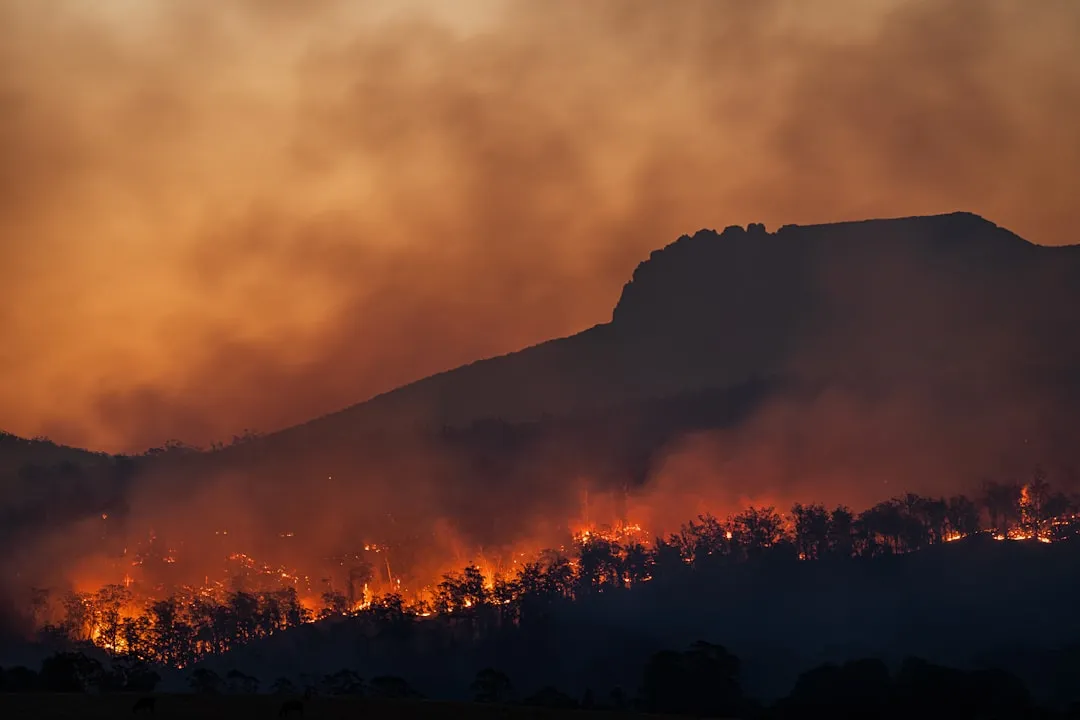
Human-caused climate change has fueled more fire activity in the western U.S., increased the frequency and intensity of fire weather, and expanded burned areas across the country. Emerging research shows that climate change is also making wildfire smoke and its related health effects worse.
The Clean Air Act effectively regulates point-source pollution, like soot from power plants. It is less effective at regulating risk from smoke, which drifts across state borders and affects people far from the wildfires themselves. This regulatory gap leaves millions of Americans in eastern states with little legal protection from a hazard originating thousands of miles away.
In the U.S., some forty-three million people were exposed to smog levels that exceeded the current EPA safety standard during the heavy wildfire smoke seasons, the Science study found. That figure is not a projection. It describes what has already happened, repeatedly, in recent years.
Conclusion: A Problem Without Borders
AI Disclaimer: This article was created with the assistance of AI tools and reviewed by a human editor.