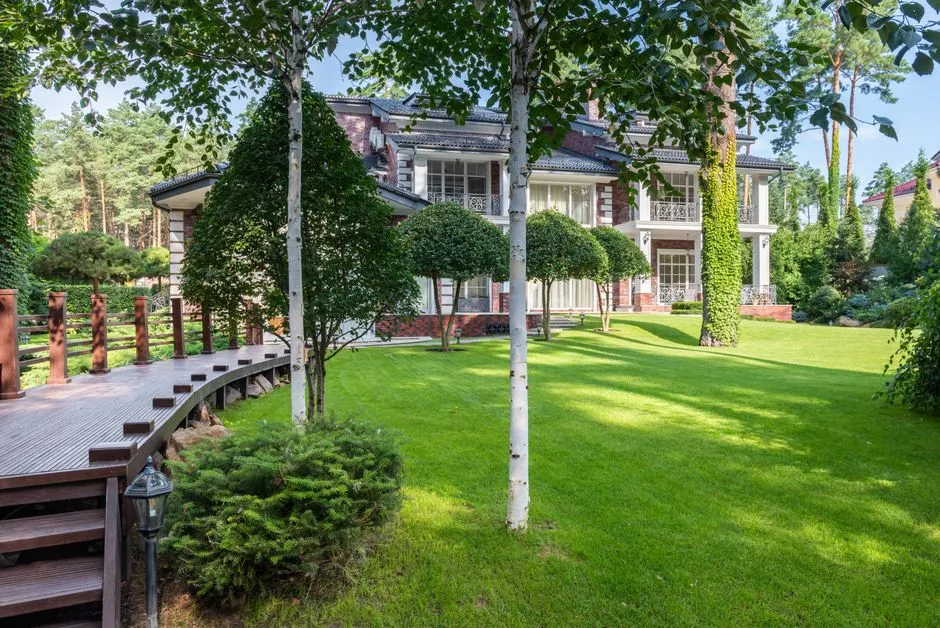

Most front yards are quietly wasteful. The average American household uses about 320 gallons of water per day, and roughly 30 percent of that goes straight to outdoor landscaping. Nationwide, Americans waste roughly 4 billion gallons of water every single day on landscape irrigation alone. The surprising part is that a well-designed front yard doesn’t have to work that hard or cost that much water to look stunning.
Xeriscaping is the practical answer to this problem. The term was coined by the Denver Water Department in 1981, and combines the root words “xeri,” meaning dry, and “scape,” meaning view, with the goal of creating a beautiful view using drought-resistant plants and landscaping features that require little to no additional water. It’s not about gravel deserts or cactus arrangements. It’s a full design framework, and the results speak for themselves.
1. Start With a Proper Site Plan Before You Touch the Soil
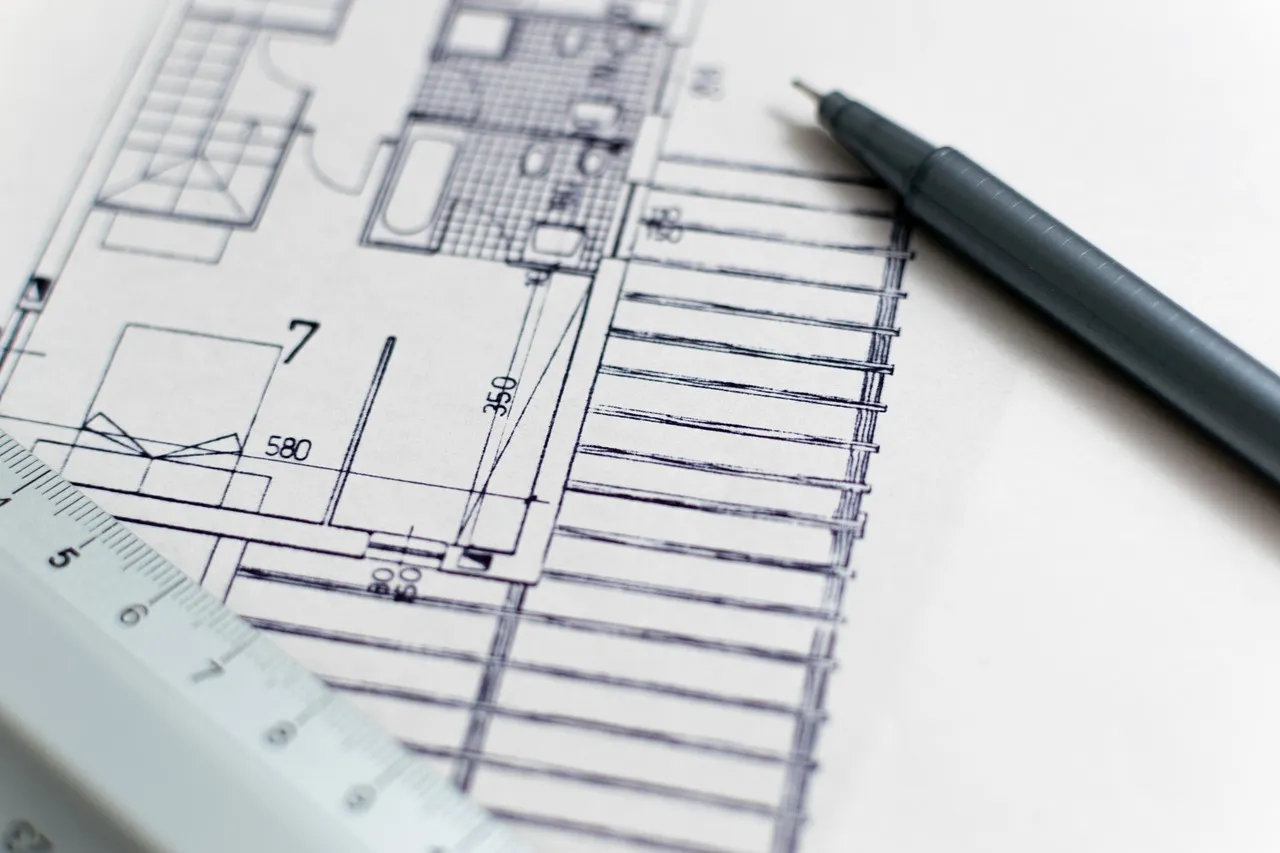
Every successful xeriscape begins on paper, not in the ground. Good xeriscape design starts with a thoughtful base plan that accounts for property lines, fences, slopes, existing plant material, driveways, sidewalks, and even spigots, ensuring the greatest functionality in the final result.
Assess your yard’s sun and shade zones, noting areas that get full sun, partial shade, or stay consistently moist after rain. Understand your soil type, since sandy soil drains fast while clay holds water longer, and both affect which plants will thrive. Also check local water restrictions, as some municipalities limit irrigation days or hours.
Starting with a good design plan and working in phases allows for better budgeting and time management, which leads to a more attractive landscape and better water conservation overall. Think of the plan as a blueprint you can execute gradually, rather than a weekend project you have to finish all at once.
2. Understand Why Your Lawn Is the Real Problem
Xeriscaping can reduce outdoor water use by up to 70 percent, lower maintenance time by nearly 90 percent, and create a colorful yard without the need for excessive watering. The biggest obstacle standing between you and those savings? Traditional turf grass.
The most high-maintenance and water-thirsty part of any yard is the lawn. Turf grasses need regular water, mowing, and fertilizing, which demands a lot of resources. In some arid regions, as much as 60 percent of residential water usage goes toward landscaping and lawns, driven by evaporation, wind, and runoff caused by inefficient irrigation.
You don’t have to replace your lawn all at once. Start in one part of the yard, gradually replacing the lawn with drought-tolerant garden beds, water-wise ground covers, and hardscape. Progress beats perfection here.
3. Improve Your Soil Before Planting Anything
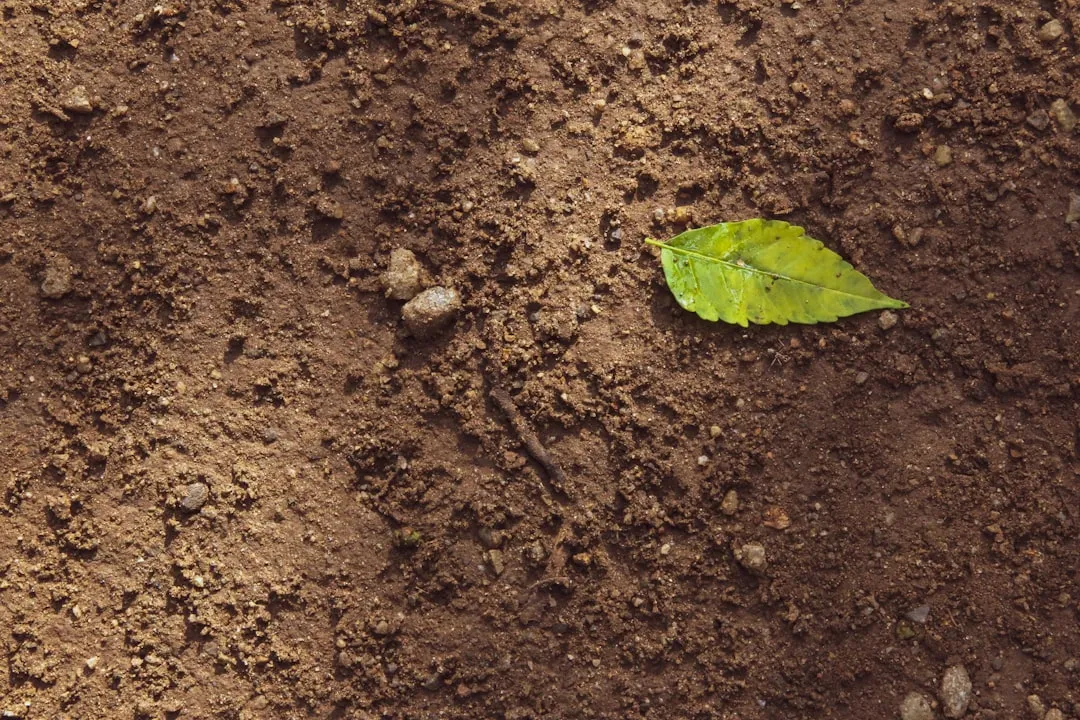
Soil is the foundation of any xeriscape, and it’s often the most overlooked step. The quality of your soil directly impacts your water use, and soil testing ensures you’re set up for success by determining whether amendments are needed to help your soil better retain and release water.
According to CSU Extension, the ideal organic matter content for most xeriscape soils is just 3 to 5 percent. Over-amending with compost, the go-to advice for traditional gardens, can actually harm drought-adapted plants by keeping roots too moist.
Sandy and clay soils that do not hold water well may be improved by adding organic matter. Terracing and retaining walls can also slow water runoff and improve its ability to move through the soil profile. Get the soil right first, and the plants take care of a lot of the rest on their own.
4. Choose Native and Drought-Adapted Plants Wisely
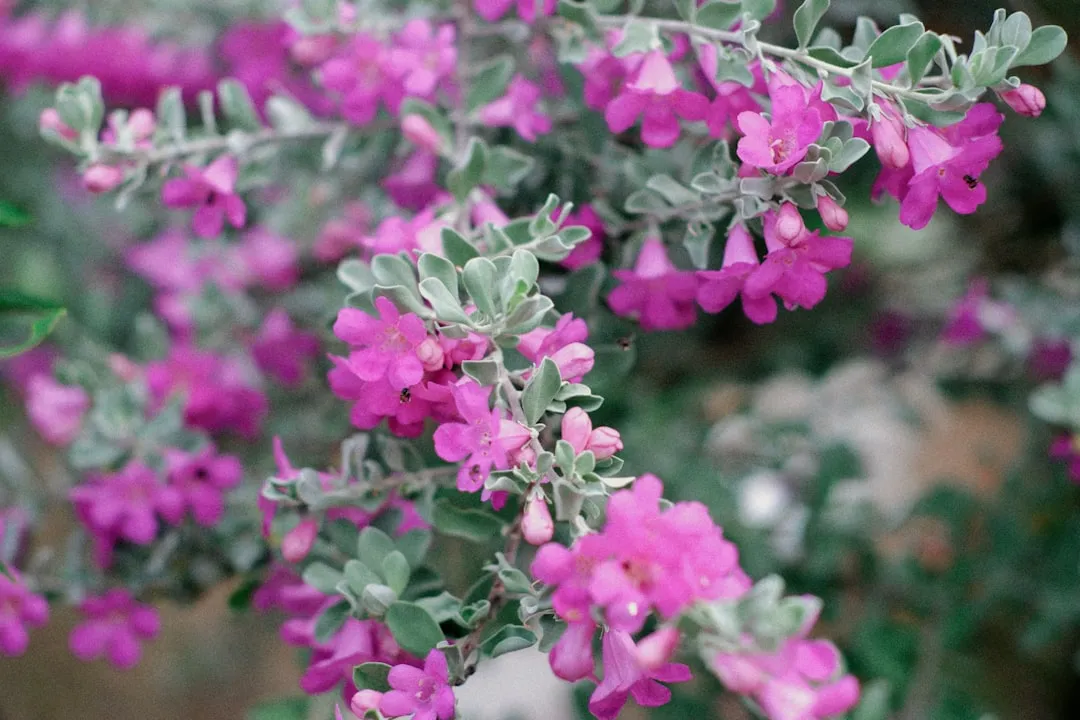
Plant selection is where a xeriscape either looks stunning or falls flat. Native plants are already adapted to local growing conditions and require minimal supplemental water or other maintenance. They’ve had thousands of years to figure out how to survive with what nature provides.
Native plants are one of the most effective ways to create a thriving drought-tolerant front yard. These plants have adapted to local climate conditions and require significantly less irrigation than non-native varieties. In Southern California, native species such as California sagebrush, manzanita, and ceanothus thrive in dry environments, and once established, need minimal watering and maintenance.
Xeriscaping supports local ecosystems by promoting the use of native plants, which provide habitat for pollinators and other wildlife. Additionally, by reducing the need for chemical fertilizers and pesticides, xeriscaping helps protect soil and water quality. That ecological benefit is built right into the design, not added on as an afterthought.
5. Zone Your Plants by Water Needs (Hydrozoning)
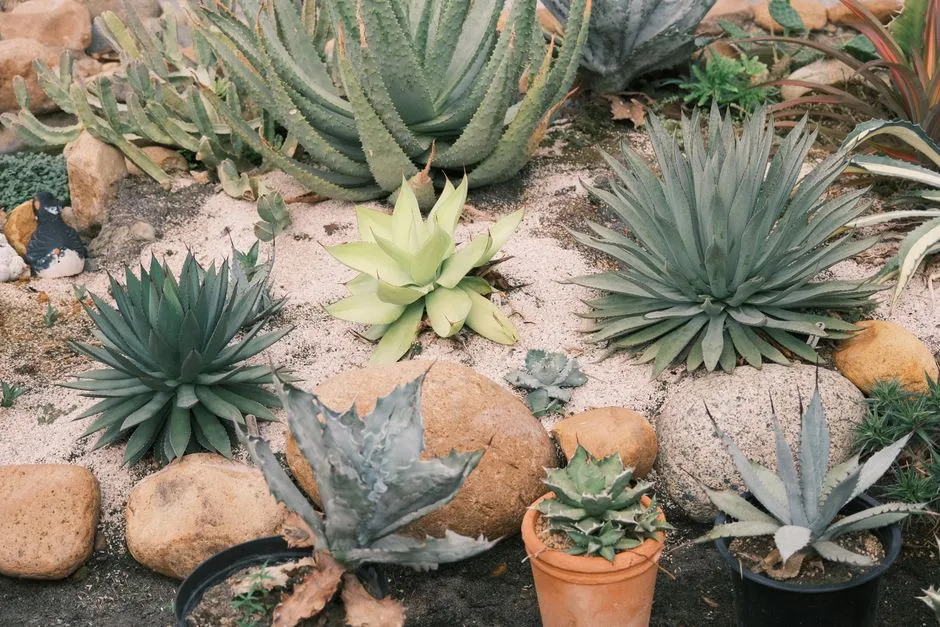
One of the smartest and least talked-about xeriscaping strategies is hydrozoning. Grouping plants based on water requirements, known as hydrozoning, further reduces overwatering across the entire yard. The idea is elegantly simple: plants with similar thirst live together, so you’re never over-watering one plant to keep another alive.
Plants that require frequent watering or maintenance should be clustered together and planted near the house for ease of maintenance, while plants that need less attention can be sited further away. This arrangement also makes irrigation management far easier over time.
A layered xeriscape design creates visual depth, with taller shrubs placed toward the back, mid-sized plants in central areas, and ground covers filling the front layers. Hydrozoning and layering together deliver both practical efficiency and strong visual appeal.
6. Install Drip Irrigation Instead of Conventional Sprinklers
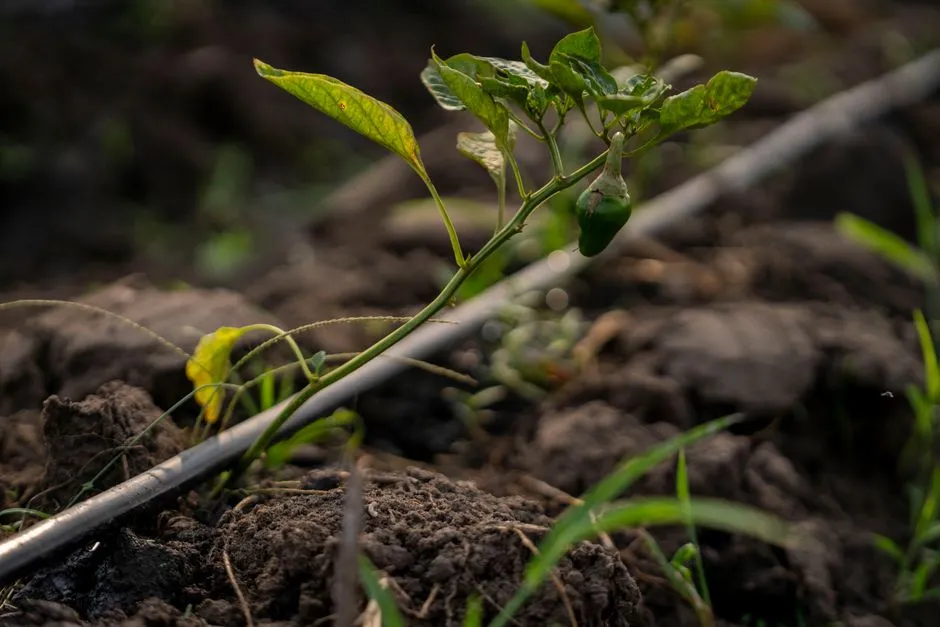
How you water matters just as much as how much you water. Drip irrigation systems deliver water directly to plant roots, minimizing evaporation and runoff. Smart controllers and rain sensors further optimize watering schedules.
Drip irrigation virtually eliminates evaporation and runoff since water goes straight to the soil rather than spraying through the air. Areas between plants stay dry, which naturally suppresses weed growth. That weed suppression alone can save hours of maintenance each season.
Using drip irrigation systems delivers water directly to the roots while minimizing evaporation. Early morning is the best time to water, as it reduces water loss and allows plants to absorb moisture before the heat of the day. A timer paired with a drip system is one of the most effective single upgrades a homeowner can make.
7. Use Mulch Heavily and Strategically
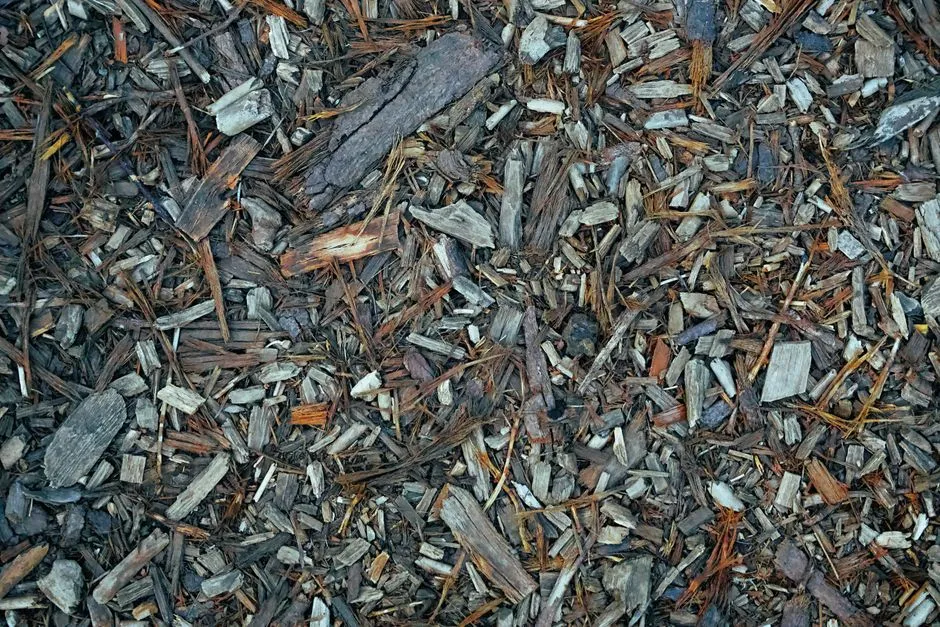
Mulch does quiet but significant work in a xeriscape. Mulch serves as a protective barrier, retaining soil moisture, suppressing weeds, and regulating temperature. Organic mulches like bark or compost gradually enrich the soil, while inorganic options such as gravel offer a clean, modern look.
Applying a two- to three-inch layer of mulch around plants can reduce evaporation by up to 70 percent. That’s a dramatic return for one of the cheapest investments in the entire process. Annuals should have a mulch thickness of 3 to 5 centimeters, while trees and shrubs benefit from 5 to 8 centimeters.
A useful moisture-management technique is a “mulch well” or “basin,” a shallow bowl-shaped depression around each plant filled with mulch. The depression catches rainwater and concentrates it at the root zone instead of letting it run off, making it especially useful on slopes and around newly planted shrubs.
8. Replace or Reduce Turf With Smart Hardscape

Hardscaping is not just an aesthetic choice in xeriscaping. It’s a functional water-management strategy. Rock gardens, common in xeriscaping, create a natural, low-maintenance landscape using gravel and stones of various sizes and colors, which add texture and visual interest while gravel improves drainage and deters weeds.
Hardscape is an effective low-maintenance substitute for turf lawns and water-thirsty garden beds. Instead of using solid concrete for driveways, pathways, and patios, use permeable paving materials such as gravel, stepping stones, or pavers that allow water to percolate into the soil instead of running off.
In many designs, hardscape features can cover up to 30 percent of the landscape, providing areas that require no irrigation. Paver patios reduce the need for lawns while connecting different parts of your yard, and permeable pavers allow rainwater to seep into the ground, reducing runoff and promoting water conservation.
9. Take Advantage of Government Rebate Programs
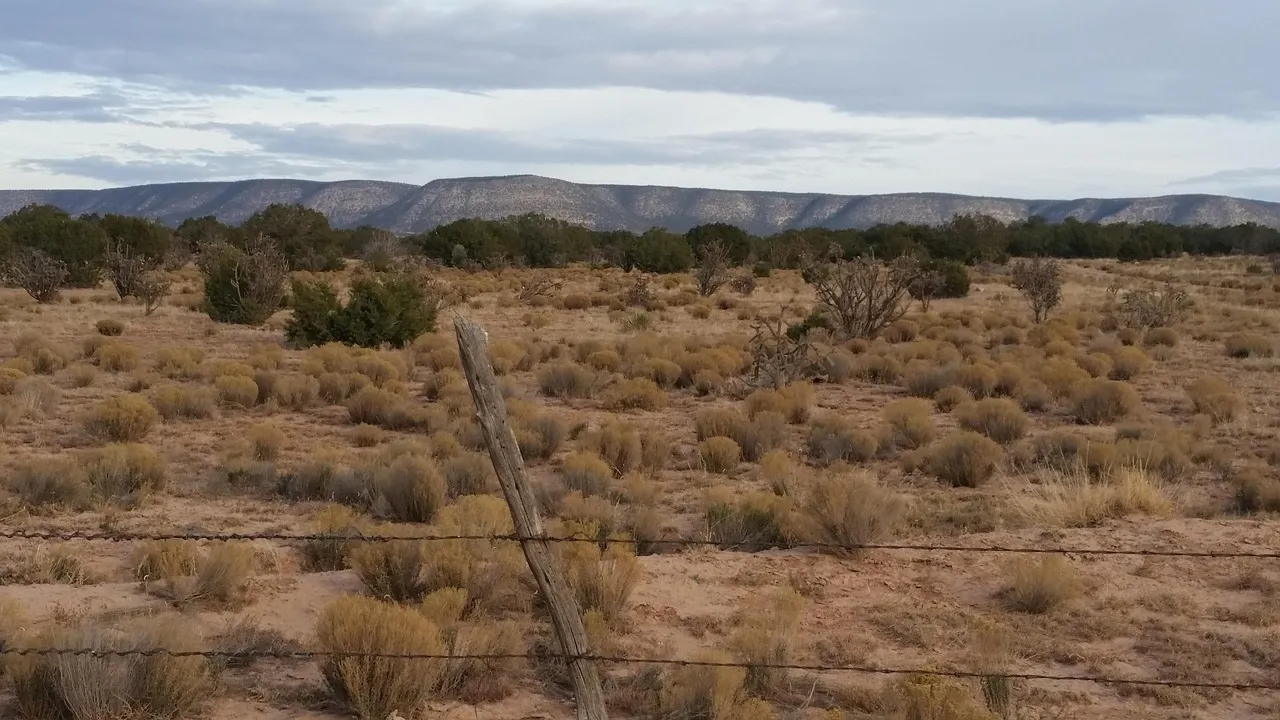
Switching to xeriscaping doesn’t have to be a purely out-of-pocket investment. Dozens of states and municipalities offer cash rebates to replace traditional lawns with water-wise landscaping. In Nevada, the Southern Nevada Water Authority offers homeowners up to $5 per square foot to convert their lawn to xeriscape, while California provides residential rebates of $3 per square foot through multiple water agencies.
Colorado cities from Fort Collins to Aurora run turf replacement programs with rebates ranging from $0.75 to $3 per square foot, and Arizona cities like Chandler offer $1.50 per square foot for grass-to-xeriscape conversions. These programs meaningfully offset the upfront cost of conversion.
To find programs near you, check with your local water utility or search your state’s water conservation website. Many programs have limited annual funding, so applying early in the season gives you the best chance of securing a rebate. The savings can be substantial, especially for larger front yards.
10. Maintain Your Xeriscape Through the Seasons
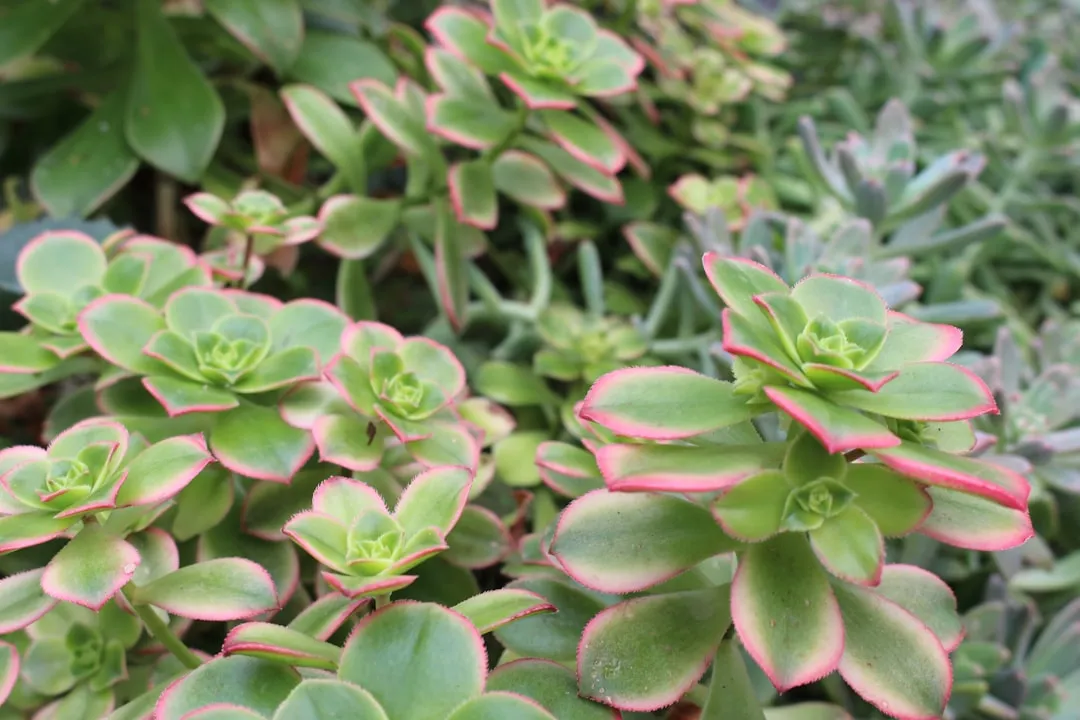
A mature xeriscape is largely self-sufficient, but it still benefits from a little seasonal attention. Total maintenance typically drops to 30 to 60 minutes per week for a mature xeriscape garden, roughly one quarter the time a conventional lawn-and-bed yard requires.
In spring, assess your xeriscape for any winter damage and prepare the soil for the growing season. Apply a fresh layer of mulch to retain moisture and suppress weeds, and test the soil for nutrient levels, amending it as necessary to support healthy plant growth. Fall is the time to prepare your xeriscape for winter by removing dead foliage and spent flowers to prevent disease and pests from overwintering, and adding organic compost to the soil to enhance its structure and nutrient content before the cold sets in.
Xeriscapes require less upkeep than traditional landscapes, but regular maintenance ensures long-term health and beauty. Tasks such as checking irrigation systems, replenishing mulch, and seasonal pruning keep your landscape looking its best year-round.
The Real Payoff: Beauty, Savings, and Long-Term Value
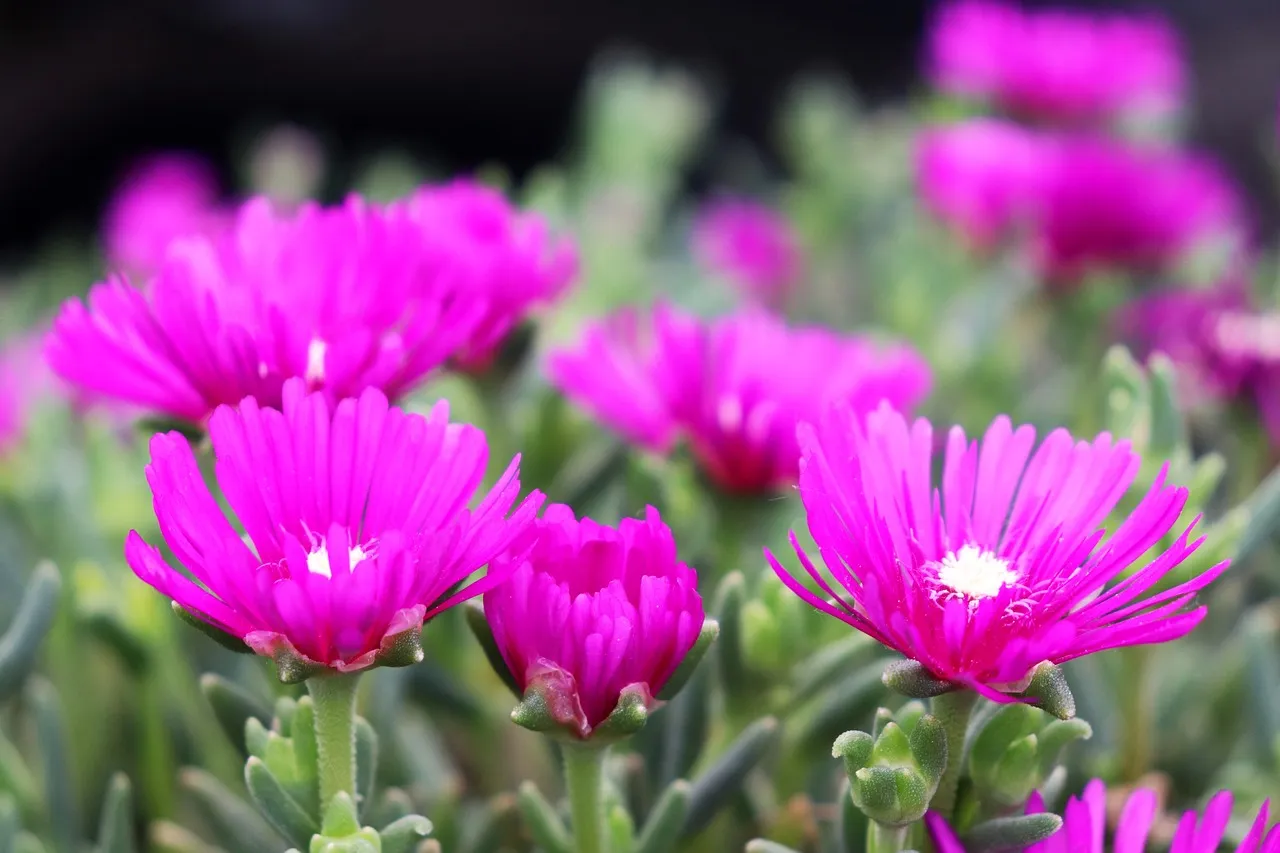
The results of a well-executed xeriscape go well beyond lower water bills. Xeriscaping can increase property values by up to 15 percent. That number reflects a growing shift in what buyers actually value in a home’s exterior, especially in water-stressed regions.
Contrary to popular belief, xeriscaping doesn’t mean sacrificing beauty for practicality. A well-designed xeriscape can be lush, colorful, and visually striking. With careful planning, you can create a garden that reflects your personal style while being environmentally responsible.
Xeriscapes foster biodiversity by attracting pollinators like bees and butterflies and providing habitat for native birds. In urban areas, these landscapes can also help mitigate the heat island effect, creating cooler microclimates around homes. That’s a front yard doing far more than just looking good.
The most durable landscapes are the ones that work with nature rather than against it. Xeriscaping isn’t a sacrifice of beauty for sustainability. It’s the recognition that the two were never actually in conflict.
AI Disclaimer: This article was created with the assistance of AI tools and reviewed by a human editor.