

Why Birds Target Ripening Berries in the First Place
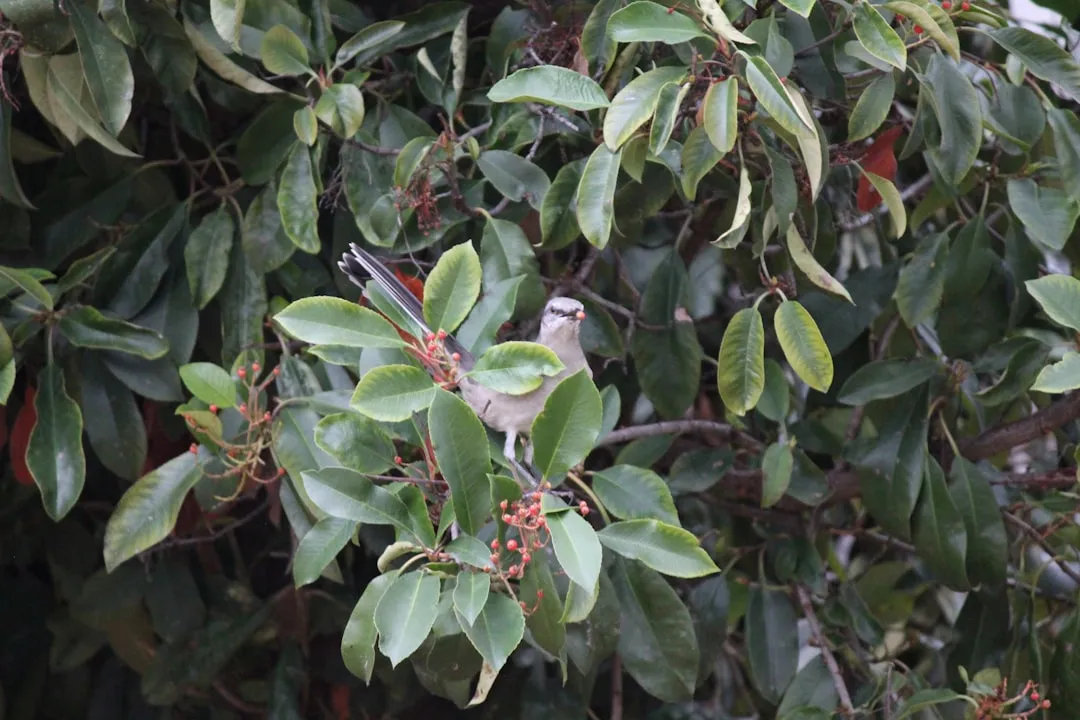
Many birds, especially robins, starlings, cedar waxwings, and grackles, eat fruit when it is available, whether wild or farmed. They’re not being malicious. They’re simply opportunistic foragers following food cues, and your carefully tended berry patch looks exactly like a free meal. The time when fruit matures impacts the amount of damage, and fruit that ripens early in the season or is found in geographically isolated plantings may be damaged more often because it provides a concentrated source of food in the area.
Economically, birds can cause up to roughly a third of crop loss in some regions, and that doesn’t account for indirect consequences like pecked fruit being more vulnerable to disease and mold, or damaged bushes experiencing stunted growth in subsequent seasons. This isn’t just a backyard inconvenience. A comprehensive survey found that bird damage to five fruit crops across five U.S. states was estimated at $189 million in losses.
The Science Behind Why Foil Pie Pans Actually Work

Birds rely heavily on visual cues to assess threats in their environment, with eyes that are highly sensitive to movement and changes in light. When strips or pans of aluminum foil catch and reflect sunlight, the shifting patterns and sudden glints mimic the flash of a predator’s movement, triggering an instinctive fear response.
Birds have excellent vision and are highly sensitive to fast, erratic motion. Many diurnal species possess tetrachromatic vision, which allows them to perceive ultraviolet light in addition to the visible spectrum, a capability that plays a key role in how they navigate, locate food, and detect potential threats. This makes the bright, unpredictable flashes from a spinning foil pan particularly unsettling to them. Flashing, moving reflections disrupt this visual sensitivity and can signal danger, making an area feel unstable and unsafe.
Getting Your Pie Pans Ready: What You Need
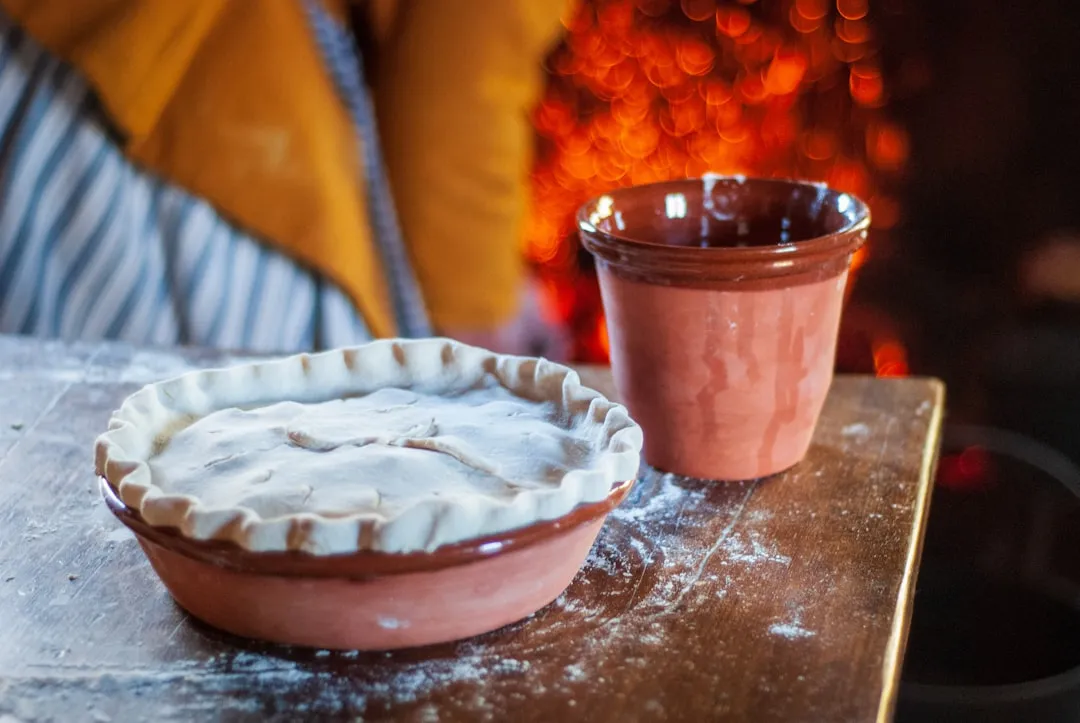
After every good holiday feast and party throughout the year, foil pie pans often end up in the trash bin. Instead of tossing them, clean them off and save them for garden use. A quick rinse removes any food residue, and they’re ready to deploy. The reflective surface stays effective as long as the pan retains its shine.
If you never buy food that comes in disposable foil plates, most supermarkets carry them in packages of two or three in the baking aisle for under five dollars. That makes this one of the most accessible deterrent methods available to any gardener. You don’t need to invest in commercial bird-scaring equipment to get started.
How to Hang Foil Pie Pans in Your Garden
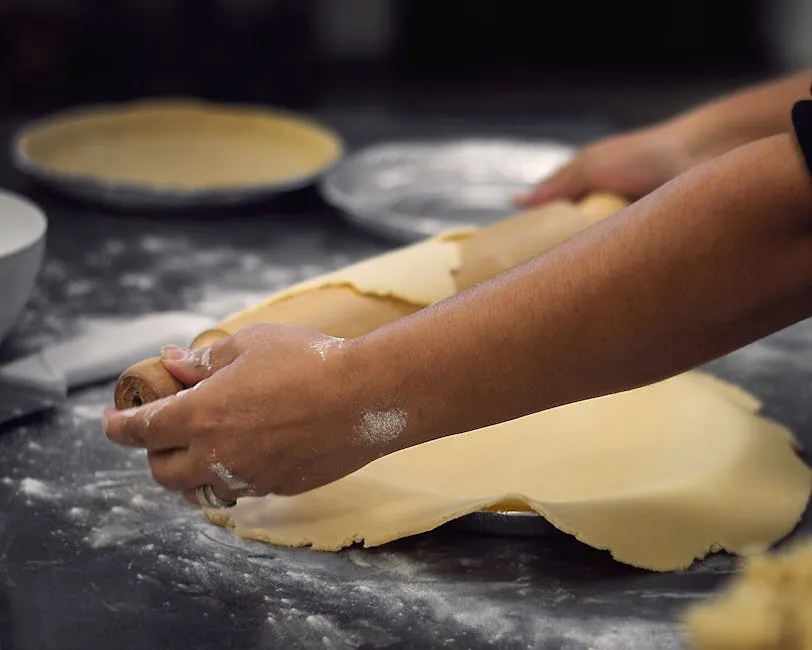
To use disposable pie pans, punch a hole in them and hang them using string, yarn, or wire in various spots around your garden beds. Position them at roughly the same height as your berry bushes so they’re visible at bird eye-level. The goal is to create movement and reflection across the entire zone where your berries are exposed.
Hanging things around your berry patch that reflect sunlight will deter birds, and foil pie pans work alongside other reflective items like unused CDs, metallic pinwheels, and reflective tape. Spacing pans every few feet along the length of your berry row tends to give better coverage than clustering them in one spot. Make sure the pans have room to swing and spin freely in the breeze.
Adding a Noise Component to Boost Effectiveness
One practical approach documented by Farm Show Magazine involves punching a hole in the edge of a pie plate, hanging it on a stiff wire extending horizontally from a post, then tying a string with a small hardware nut to the same hole so it hangs at the center of the plate. As the plate flaps around in the wind, the nut constantly bounces against it and makes an echoing noise that is quite loud.
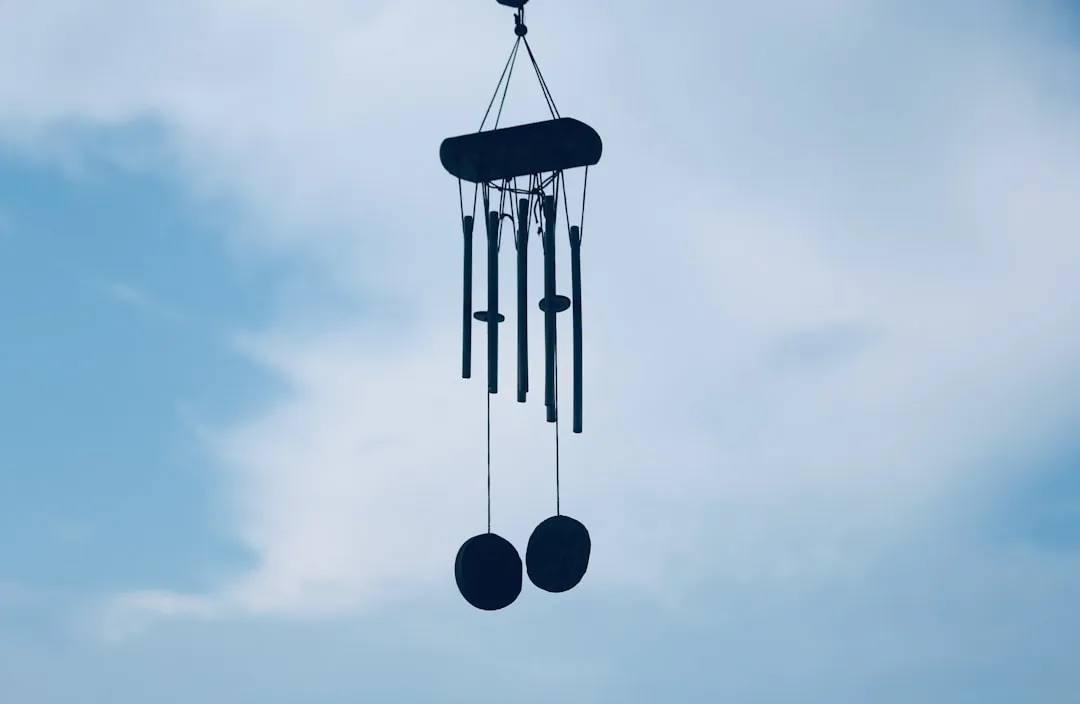
Wind chimes combine the movement and shine of other decoys with the added nuisance of noise, but they depend on the wind blowing. As with most deterrents, birds quickly acclimate to sounds, but if routine noise becomes unpredictable, it can have some impact in scaring away the birds, even if only temporarily. The combination of irregular sound and light from a single pie pan device covers two sensory channels at once, which tends to be more disruptive than light alone.
Timing Your Deployment for Maximum Effect
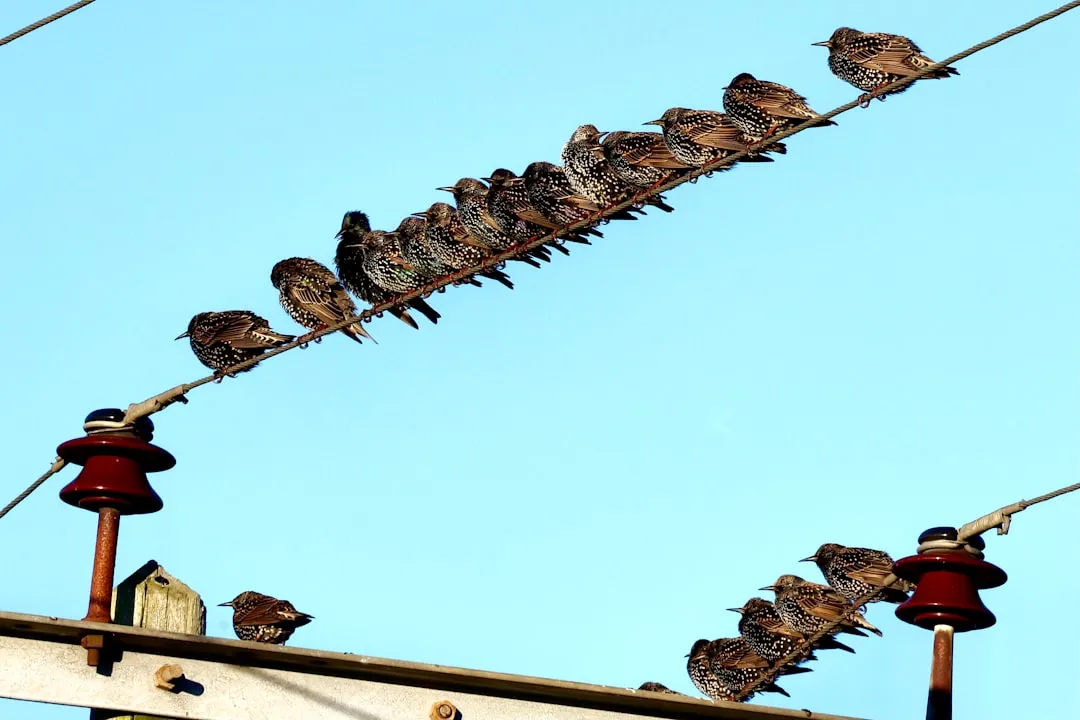
Hanging reflective items around your berry patch should be done only right before and during harvest season and then removed, as birds will learn that they are not harmful after a while. Deploying pans too early in the growing season gives birds unnecessary time to habituate before your berries are even vulnerable.
Harvesting berries a day or two before peak ripeness and allowing them to ripen inside your home is another timing strategy worth considering alongside your foil deterrents. The window when fruit is most attractive to birds is relatively short, and catching it precisely is half the battle. Start hanging your pans as soon as you see berries beginning to color up.
The Habituation Problem and How to Outsmart It
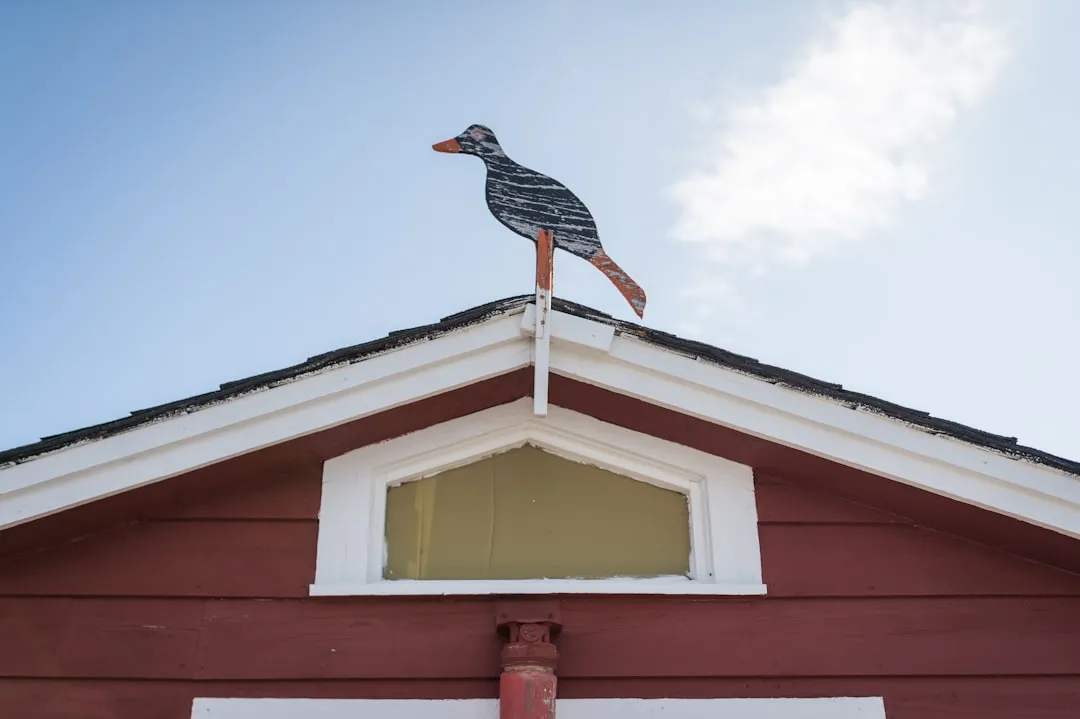
One complaint about this method of discouraging birds is that they get used to seeing the pans over time and start ignoring them. This is not a flaw unique to foil pans. It applies to virtually every visual deterrent method, and research consistently confirms it. No matter what is used as a decoy or visual deterrent, birds typically become acclimated in just a few days.
Rotating between different deterrents reduces habituation. For example, use foil one week, then switch to netting or motion-activated sprinklers the next. Moving the pans to new positions every few days also helps. Effectiveness typically lasts several days to a week, and to prevent habituation, changing the position or configuration regularly is essential.
Combining Pie Pans With Other Bird Deterrent Methods
The trick is combining deterrents so they hit multiple senses at once. Relying on a single method like foil strips will usually only work for a short time before birds adapt. Layering tools makes the environment unpredictable and keeps them from settling in.
There is no single, simple solution to bird predation, and a combination of methods should be used to reduce crop losses. Practical combinations include hanging pie pans near bird-repellent plants. Planting marigolds, lavender, or basil around your berry bushes may provide a natural deterrent to complement the visual disruption of the pans. The more varied and dynamic your defense, the longer it stays effective.
Legal Considerations: Keeping It Humane and Compliant
In many countries, including the United States, Canada, and members of the European Union, it is illegal to harm or kill native bird species without proper permits. The Migratory Bird Treaty Act in the U.S. protects over 1,000 species from intentional harm. Non-lethal methods like aluminum foil are not only practical but also legally compliant.
Robins and cedar waxwings are protected by the Federal Migratory Bird Treaty Act and can be taken only with a federal migratory bird depredation permit. Foil pie pans carry no such complications. Ethically, deterring rather than injuring birds aligns with growing public concern for animal welfare, and using aluminum foil to scare birds away avoids trauma or physical harm, making it a responsible first-line defense.
When Foil Pans Aren’t Enough: Knowing Your Backup Options
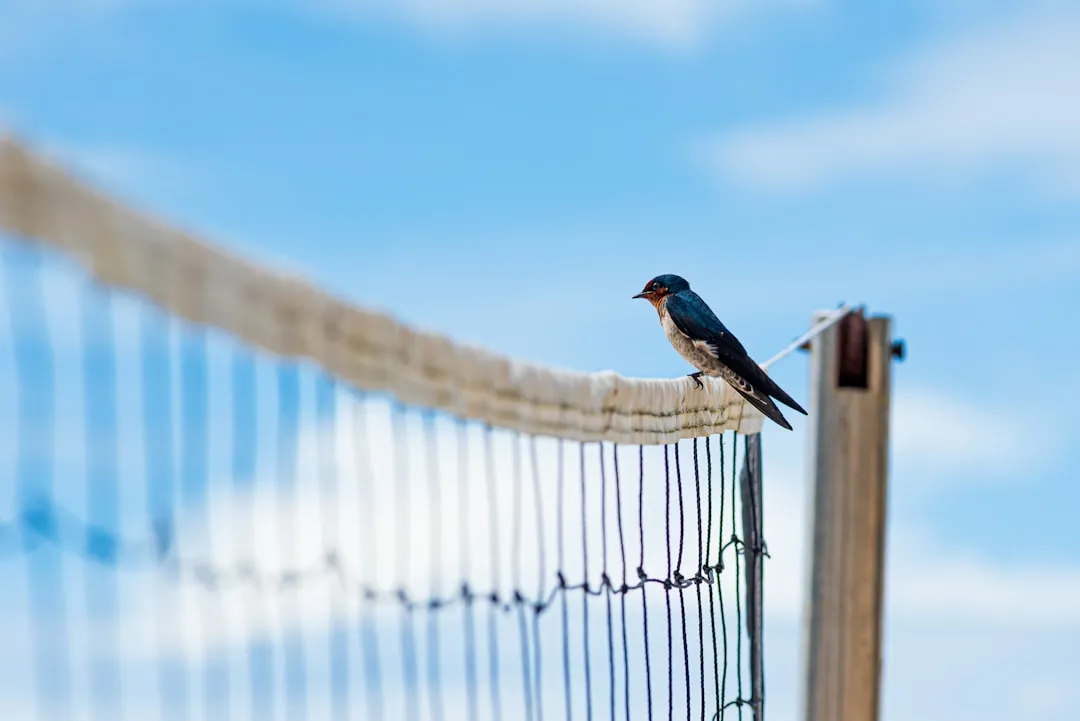
One of the disadvantages of foil objects is that they don’t always work, because birds will simply ignore them if they are hungry enough. Persistence from large flocks or during periods of food scarcity can overcome even a well-positioned pan setup. At that point, stronger measures may be warranted.
Netting used as absolute exclusion is the most effective method to reduce bird damage to fruit and berry crops, though it comes at a cost in infrastructure and labor. Netting is generally not a feasible option for large operations, but smaller operations and home gardeners can feasibly deploy this strategy. Think of foil pie pans as your first and most convenient line of defense, with netting held in reserve for particularly persistent situations.
Conclusion: A Simple Tool, Used Smartly
Foil pie pans won’t win every battle against determined birds, and it would be misleading to suggest otherwise. What they offer is something genuinely useful: a fast, free, and humane deterrent that works well when timed correctly and refreshed often. The key insight from the research is that no single method holds up on its own for long.
The most effective approach is one that keeps changing. Move your pans, combine them with sound, add companion plantings, and stay one step ahead of the ripening season. Birds are adaptive, but so are attentive gardeners. Sometimes a recycled pie tin, hung at just the right moment, is all you need to keep your berry harvest where it belongs.
AI Disclaimer: This article was created with the assistance of AI tools and reviewed by a human editor.