

September is here, and with it comes one of my favorite garden events—the leaves changing color and gently falling to the ground. I know it can seem like a chore to rake them all up, but don’t be so quick to bag them up and send them off! Fallen leaves are absolute gold for your garden, offering a wealth of benefits if you know how to use them. Whether you’re looking to enrich your soil, protect your plants, or create a cozy habitat for beneficial creatures, those leaves are just what you need.
I get it—dealing with a yard full of leaves can be overwhelming. You might be wondering what to do with all that organic matter, or maybe you’ve had issues with pests or diseases in the past. But trust me, with a little guidance, you can turn those leaves into a valuable resource that will keep your garden thriving. So, let’s dive into the many ways you can put those fallen leaves to good use this September!
Make Leaf Mulch
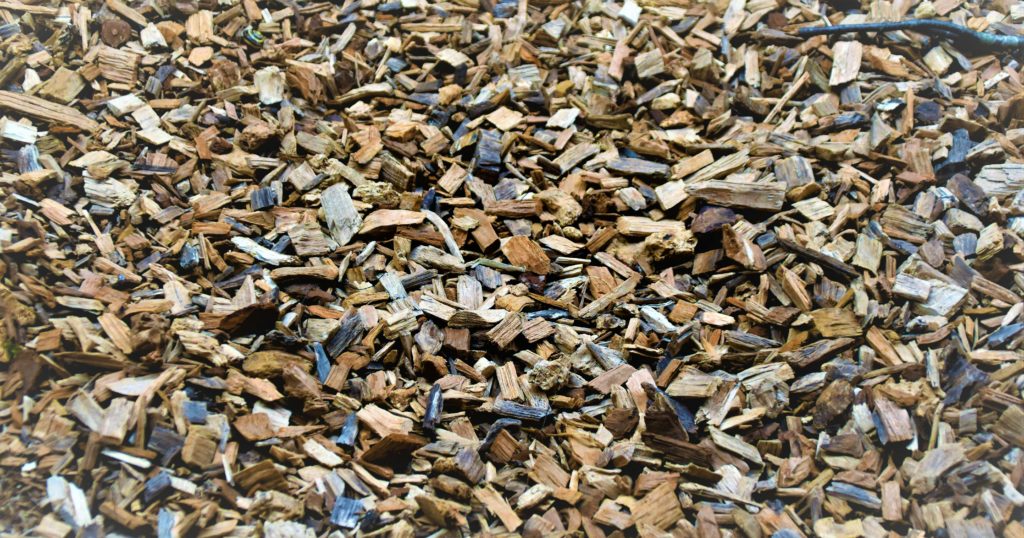
One of the easiest and most beneficial ways to use fallen leaves is to turn them into mulch. Leaf mulch is fantastic for insulating your garden beds, protecting the roots of your plants as temperatures begin to drop. By layering a few inches of shredded leaves around your perennials, shrubs, and trees, you help retain soil moisture and regulate soil temperature. Plus, as the leaves break down, they add organic matter to the soil, enriching it naturally.
The best part about using leaf mulch is that it creates a wonderful habitat for beneficial insects like ground beetles and spiders, which help keep pests in check. And, if you’re like me and enjoy watching wildlife, you’ll notice that birds like robins and sparrows will often forage through the mulch, searching for insects to eat. Just be sure to shred the leaves before using them as mulch to prevent matting, which can create a barrier that blocks water and air from reaching the soil.
Create Leaf Mold

If you’re looking to improve your soil’s structure and fertility, creating leaf mold is a fantastic option. Leaf mold is simply decomposed leaves that have been allowed to break down over time, resulting in a dark, crumbly material that’s perfect for improving soil texture. It’s especially beneficial for heavy clay soils, helping to lighten them and improve drainage. And the best part? Making leaf mold is super easy—all you need is time and a pile of leaves!
To make leaf mold, simply gather your leaves into a pile, or place them in a bin or wire enclosure, and let nature do the rest. Over the course of a year or so, the leaves will break down into rich, earthy goodness that you can mix into your garden beds. Leaf mold also supports a diverse community of soil organisms, from earthworms to beneficial fungi, which help break down organic material and release nutrients into the soil. And don’t worry—using leaf mold is completely safe for your plants, as it’s not considered invasive and won’t introduce any unwanted species into your garden.
Add to Your Compost Pile

Fallen leaves are an excellent addition to your compost pile, providing a crucial source of carbon, also known as “browns.” In composting, you need a balance of carbon-rich browns and nitrogen-rich greens (like kitchen scraps or grass clippings) to create a healthy, productive compost. Leaves break down slowly, adding bulk and texture to your compost, which helps to aerate the pile and keep it from becoming too wet or compacted.
Adding leaves to your compost pile also encourages beneficial microorganisms to thrive, which are essential for breaking down organic matter into rich compost. These microbes love the carbon-rich environment that leaves provide, and in return, they help speed up the decomposition process. Just be sure to mix the leaves with other materials and turn the pile regularly to keep everything balanced. Your garden will thank you for the nutrient-rich compost that results!
Use Leaves as Insulation
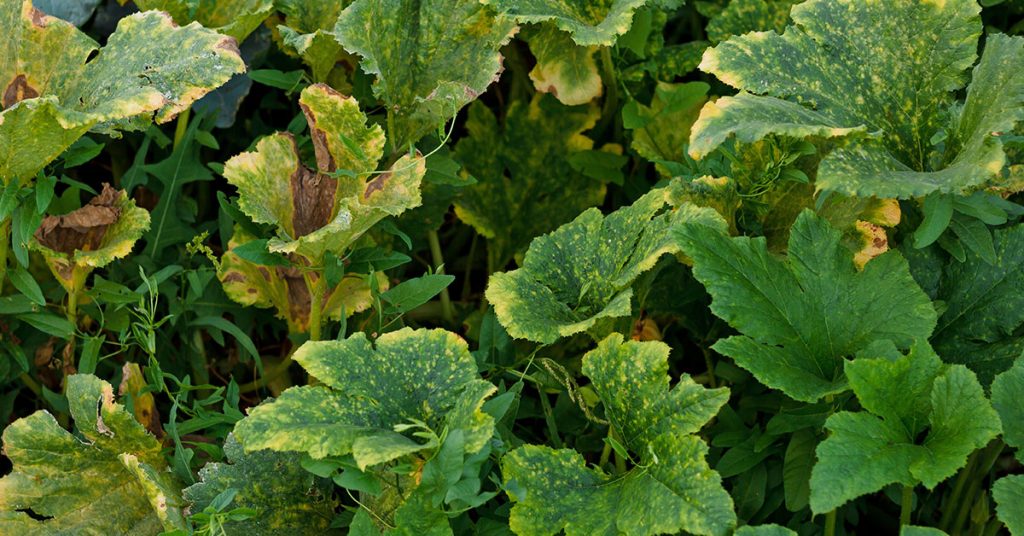
As the nights get cooler, many of us start to worry about protecting our more delicate plants from frost. This is where fallen leaves can be a real lifesaver! By piling leaves around the base of tender perennials, shrubs, or even in your vegetable garden, you can create a natural insulating layer that helps protect roots from freezing. This method is particularly useful for overwintering root vegetables like carrots or beets, which can stay in the ground longer if they’re properly insulated.
Leaves also provide a great home for overwintering insects, like ladybugs or lacewings, which are beneficial predators in the garden. These insects will hibernate in the leaf litter, emerging in the spring ready to help control pest populations. And let’s not forget about small mammals like hedgehogs, which can find shelter in piles of leaves during the colder months. It’s a win-win for your garden and the local wildlife!
Build a Wildlife Habitat

Fallen leaves can also be used to create a welcoming habitat for a variety of garden creatures. By leaving some leaf piles undisturbed, you provide essential shelter for amphibians like frogs and toads, which help keep pest populations under control. These critters love the cool, moist environment that leaf piles provide, and they’ll repay you by munching on slugs, beetles, and other garden pests.
Birds will also appreciate a leaf-covered garden, as it provides a rich foraging ground for insects and seeds. I love watching the little wrens and sparrows hopping around, turning over leaves in search of food. By creating a natural, leaf-covered habitat, you’re supporting the local ecosystem and ensuring that your garden remains a healthy, balanced environment. And who doesn’t love a garden full of life and activity, even in the cooler months?
Protect Bare Soil
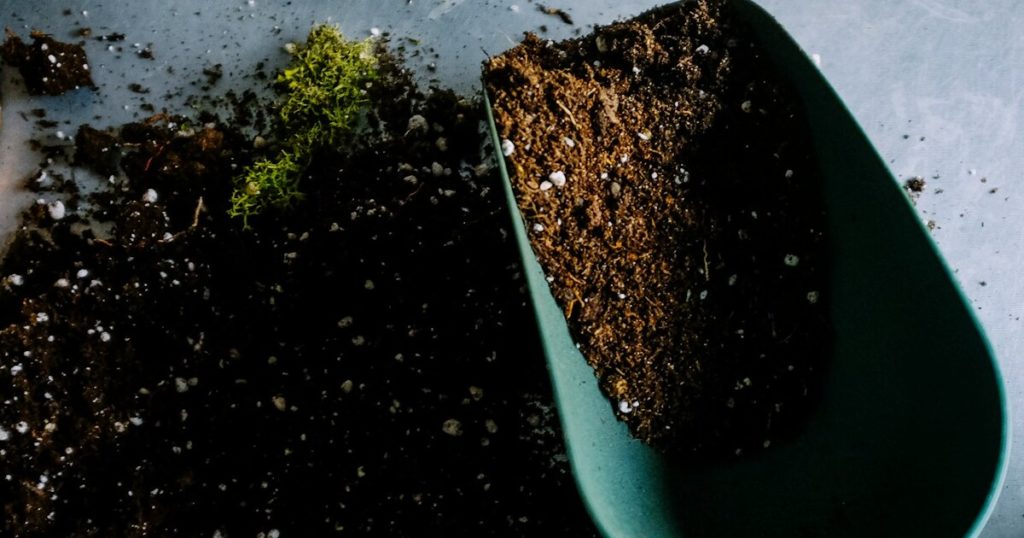
Bare soil can be vulnerable to erosion and nutrient loss, especially during the rainy days of autumn. Fallen leaves provide a simple and effective way to protect your garden soil. By covering bare areas with a layer of leaves, you help prevent soil from washing away during heavy rains and keep nutrients from leaching out. This protective layer also reduces the impact of wind and water, which can cause soil compaction and erosion.
Using leaves to cover bare soil is also a great way to encourage beneficial soil organisms, such as earthworms, to thrive. These little garden helpers love to tunnel through the leaf litter, breaking it down and incorporating it into the soil, which improves soil structure and fertility. Plus, the decomposing leaves add organic matter back into the soil, enriching it for future plantings. It’s a simple step that can have a big impact on your garden’s health.
Create a Leaf Pathway
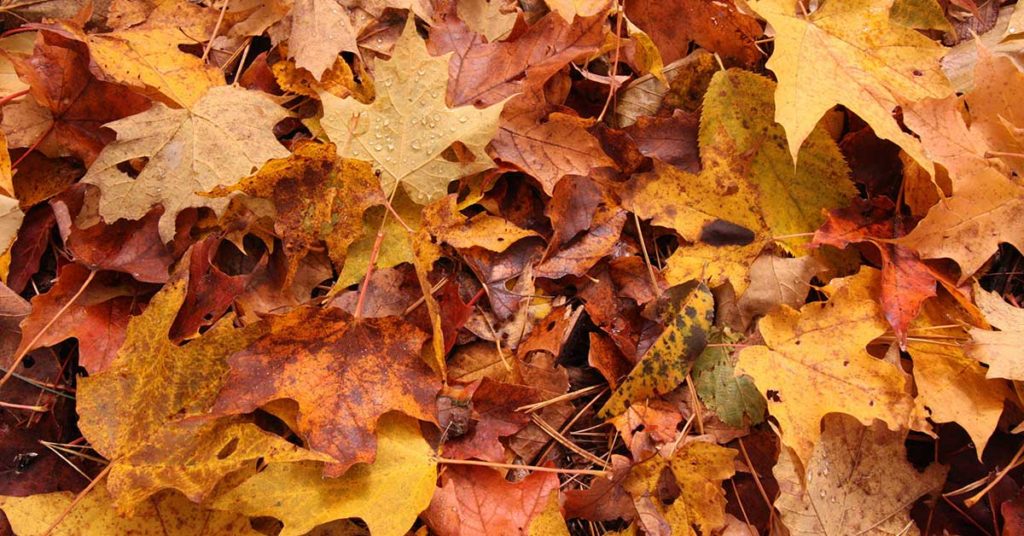
Why not get creative with your fallen leaves and use them to create a charming garden pathway? A leaf-covered path can add a rustic, natural touch to your garden, guiding visitors through your space and giving them a sensory experience of crunching leaves underfoot. This is especially delightful in a woodland garden or shaded area, where a leaf-covered path can blend seamlessly with the surroundings.
Leaves from trees like oak or maple, which are native to many parts of North America, are perfect for this purpose. They’re not invasive and will break down slowly over time, adding organic matter to the soil beneath the path. Plus, a leaf-covered pathway can provide a habitat for ground-dwelling insects and small animals, contributing to the overall health and biodiversity of your garden.