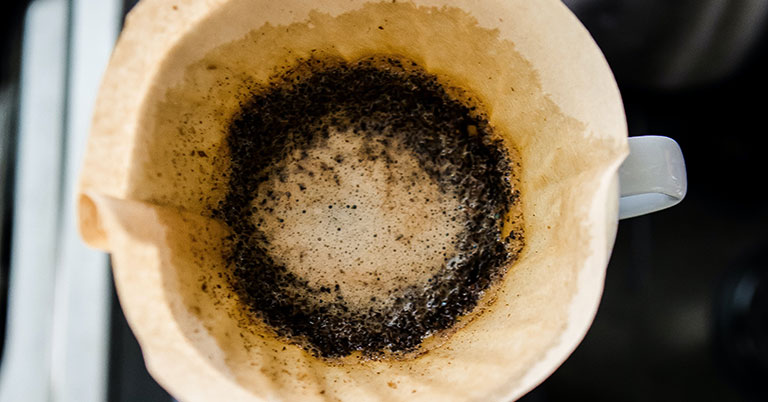

Every morning, millions of us start our day with a cup of coffee. But what happens to those coffee grounds after we’ve enjoyed our brew? Many of us simply toss them out, but did you know that they can serve a multitude of uses in your garden? Here’s how to put them to work to promote healthier plants and a more bountiful garden.
Uses for coffee grounds in the garden
Coffee grounds are rich in nitrogen, a mineral that is crucial for plant development. It’s an important part of the proteins, enzymes, and metabolic processes required for plant growth and photosynthesis. Furthermore, they contain other nutrients like potassium, phosphorus, and trace amounts of micronutrients like copper, magnesium, and calcium, all of which are beneficial to plant health.
Composting: Coffee grounds are considered green compost material, meaning they’re rich in nitrogen. Composting is a great way to recycle used coffee grounds, and it’s incredibly simple to do. Just add the grounds to your compost pile or bin, making sure to balance them with enough brown material, like dried leaves, newspaper, or sawdust, to ensure a good balance for composting.
The dark, rich end result of composting, often referred to as ‘black gold’, can be mixed with your garden soil. It will improve soil structure, increase nutrient content, and help retain water, thus providing a conducive environment for your plants to thrive.
Additional Resource: Can you compost coffee filters?
Mulch: Mulching is another excellent way to use this waste in your garden. Mulch is a protective layer spread on top of the soil to retain moisture, suppress weeds, keep the soil cool, and make the garden bed look more attractive.
Although coffee grounds alone are too fine and may become compacted, leading to water repellency or poor water percolation, they can be effectively used as part of a mixed mulch. Combine your grounds with other organic mulch materials like wood chips or leaves to ensure proper aeration and water flow.
Pest Control: Certain pests are repelled by coffee grounds. Slugs, snails, and some types of beetles may avoid grounds altogether, making it a good option if you’re looking for a natural pest deterrent. Similarly, a barrier around your garden can discourage cats from visiting your garden beds.
Fertilizer: Thanks to their high nitrogen content, coffee grounds can serve as a great fertilizer. You can scatter the grounds directly onto your soil. Over time, they’ll break down and release nutrients into the soil that your plants can use.
However, they are acidic and, if overused, can lower the pH of your soil which may be harmful to some plants. Make sure you’re aware of the pH requirements of your plants before you begin applying extensively as a fertilizer.
Vermiculture: Worms love coffee grounds, but only in moderation. If you maintain a worm bin for vermicomposting, adding your coffee waste is a great way to nourish your worms and keep your worm farm productive.
A word of caution
While coffee grounds can be beneficial when used as a garden amendment, there are certain situations when it is best to avoid using them:
- Acid-sensitive Plants: Coffee grounds are acidic, and if you have plants that prefer a more alkaline or neutral soil pH, such as certain vegetables (e.g., asparagus, broccoli) or flowers (e.g., geraniums, zinnias), it’s best to avoid using coffee grounds directly around them. The acidity can potentially disrupt the pH balance of the soil and affect the growth and health of these acid-sensitive plants.
- Excessive Use: Using coffee grounds in moderation is beneficial, but excessive application can lead to problems. If you use large quantities all at once or on a regular basis, it can cause the soil to become too acidic over time. This can adversely affect the overall soil health and the plants’ ability to absorb nutrients properly.
- Nitrogen-Sensitive Plants: Coffee grounds are often touted as a good source of nitrogen, but they are not immediately available to plants. During the decomposition process, they undergo microbial activity, which can temporarily tie up nitrogen in the soil. If you have plants that are sensitive to nitrogen levels, such as legumes (e.g., beans, peas) or certain root crops (e.g., carrots, beets), it’s best to use them sparingly or compost them before application to allow the nitrogen to stabilize.
- Worm Bin Use: If you have a vermicomposting system or a worm bin, it’s generally advised to avoid using coffee grounds in large quantities. While worms can consume coffee grounds, an excessive amount can lead to an imbalance in the bin’s pH or create conditions that are not favorable for the worms’ well-being.
- Don’t use fresh: It’s recommended to avoid using coffee grounds directly from the coffee maker or espresso machine. Fresh grounds are more acidic and can potentially harm plants. To neutralize the acidity and promote decomposition, it’s better to compost them before using them in the garden.
In general, it’s important to use coffee grounds in moderation, mix them with other organic matter, and observe the specific needs of your plants and soil. If you’re uncertain about using coffee grounds in your garden, it’s always a good idea to consult local gardening resources or seek advice from horticultural experts for recommendations tailored to your specific gardening situation.