
Most plant owners have lost at least one beloved houseplant to watering mistakes, and the frustrating part is that the soil surface often looks deceiving. The top layer might feel dry while the roots several inches down are still sitting in soggy conditions, or vice versa. A single unfinished wooden chopstick can cut right through this guesswork and give you a surprisingly accurate read of what’s actually happening at root depth.
Why Deep Moisture Matters More Than Surface Soil
Overwatering kills more houseplants than anything else. The trouble is that most people judge moisture by what they can see or feel right at the surface, which tells only part of the story. Soil dries differently depending on the season, pot size, soil type, and where the plant sits in your home.
In a healthy environment, soil is porous, filled with tiny air pockets that allow roots to breathe. When soil becomes waterlogged, these air pockets collapse. Without oxygen, the root cells begin to die and decay. This is why checking deep moisture rather than surface moisture is the smarter habit to build.
Choosing the Right Chopstick for the Job
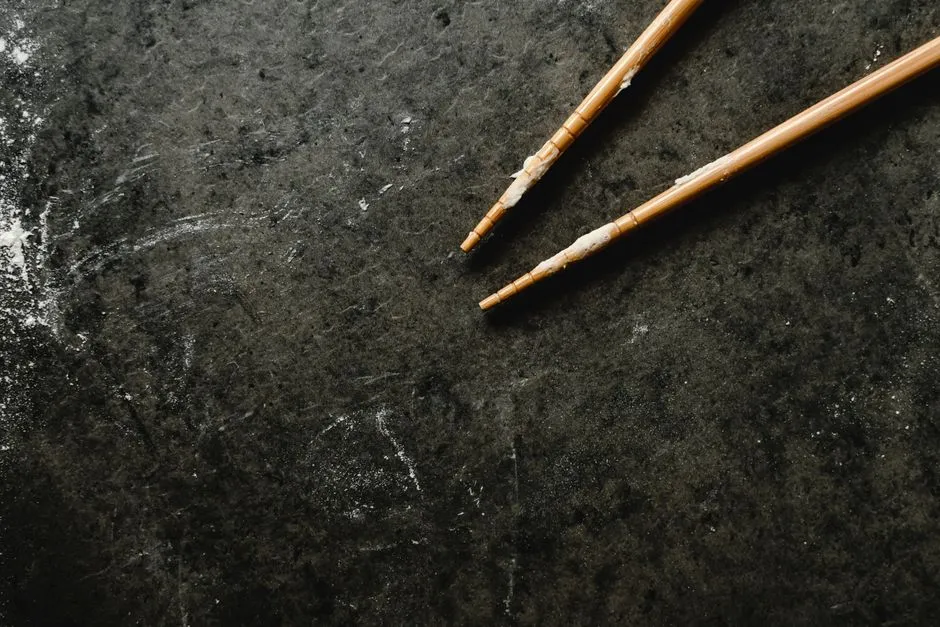
To correctly measure the water moisture in the plant’s soil, the chopsticks should be bare, with no finish or lacquer protecting the wood from direct contact with the dirt. A lacquered chopstick will not absorb moisture the same way raw wood does, which means you’ll get a false or meaningless reading.
Take a clean, unfinished wooden chopstick and gently insert it into the soil of your plant. The plain takeout chopstick that comes with your sushi order is actually ideal for this. Choose a chopstick or wooden skewer that is long enough to reach the bottom of your potted plant.
How to Insert the Chopstick Without Damaging Roots
Insert the chopstick or skewer into the soil at a 45-degree angle, about 2-3 inches away from the plant stem. Keeping distance from the stem reduces the risk of accidentally severing a major feeder root. Insert a wooden chopstick into the soil near the plant’s base and twist it gently.
It’s important that you don’t damage the root system too much when putting the chopstick into the soil. If you break or damage any of the larger roots, it can cause your plant to go into shock and can even, in more severe cases, cause your plant to lose leaves. A slow, steady push is always better than forcing the stick in quickly.
How Long to Leave the Chopstick In
Push the chopstick down into the soil and leave it there for at least 30 seconds. Some gardeners prefer to leave it for a full minute or two, especially in dense or compacted potting mixes. Leave the chopstick in the soil for a few minutes. This allows time for the moisture in the soil to be absorbed and transferred onto the chopstick.
Patience here pays off. Pulling the chopstick out too quickly before the wood has had a chance to absorb surrounding moisture may give you a misleadingly dry result, especially in clay-heavy soils that release moisture more slowly.
Reading the Results: What the Chopstick Tells You
The bare wood chopstick will become dark when pushed into wet soil and pulled out. This darkening is the key visual signal. When you pull it out, check to see if there is any soil clinging to the length of the chopstick. If the chopstick comes out damp or with soil clinging to it, the plant has enough moisture. If it’s mostly clean and dry, the plant will need a thorough soaking.
A chopstick that is soaked through means there is too much water in the pot. If the chopstick has patchy moist areas, then the soil may need a good watering within a day. A chopstick pulled from the soil that is completely dry means that you need to attend to the water needs of your particular plant.
Understanding Field Capacity and the Wilting Point
Field capacity is the amount of water that remains in the soil after it has been fully saturated and allowed to drain naturally. The water that stays behind is what we call field capacity. It’s the sweet spot where plants have all the moisture they need without any excess causing issues like root rot.
At the wilting point, the moisture in the soil is so tightly bound to the soil particles that plant roots just can’t access it anymore. Soil at permanent wilting point is not necessarily “dry.” When the water content of a soil is below the permanent wilting point, water is still present in the soil, but plant roots are unable to access it. A chopstick test that comes out bone dry is a warning that you may be approaching this critical threshold.
The Real Risk: What Happens When You Miss Deep Moisture Problems
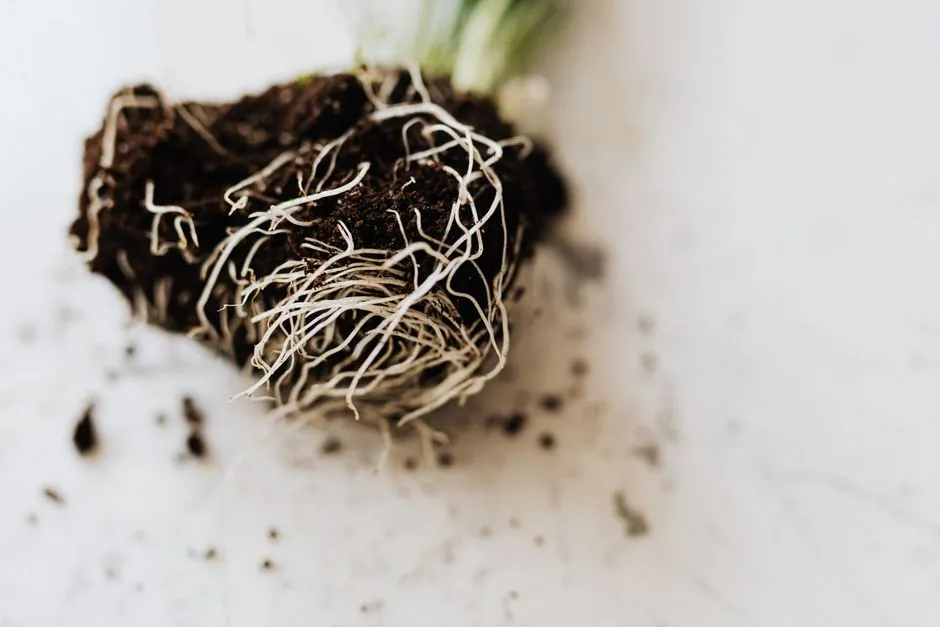
Root rot in houseplants is a fungal disease that occurs when the roots of the plant become waterlogged and begin to decay. This condition is typically caused by overwatering or poor drainage, which creates an environment conducive to fungal growth. The problem is that visible leaf symptoms often appear well after the roots have already been significantly damaged.
As roots rot away, plants lose their ability to take up water and nutrients. That’s why plants with root rot often wilt, yellow, or decline even when the soil is moist and nutrients are available. By the time leaves start yellowing, the root damage is typically already advanced. Regular chopstick checks catch the problem before it reaches that stage.
How Often Should You Use the Chopstick Method?
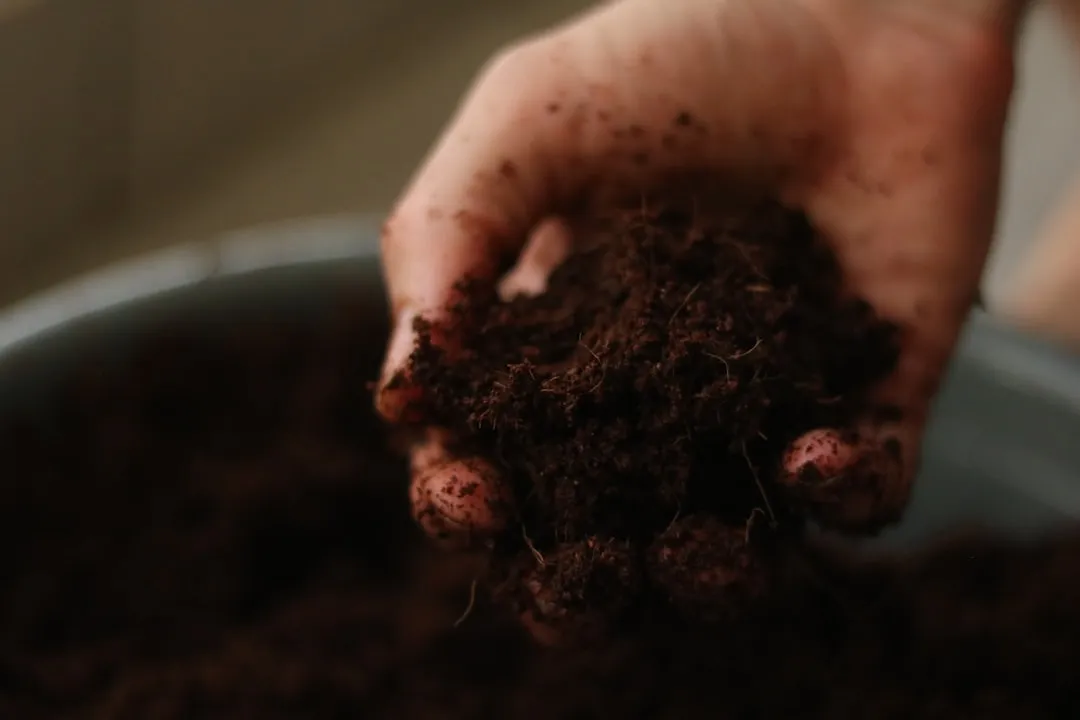
Every three to five days for most tropical houseplants. Weekly for succulents and drought-tolerant plants. More often in summer, less in winter. These are solid general benchmarks, though your specific plant, pot size, and indoor conditions will always have the final say.
Watering on a schedule is the number one mistake. Monday watering doesn’t care about humidity. It ignores temperature. It skips what your plant actually needs. The chopstick test takes under two minutes and replaces a fixed schedule with something far more responsive to actual soil conditions.
When the Chopstick Method Has Limits
It works best for medium to large pots, six inches and up. For small pots, the finger test is easier and just as accurate. For very deep pots, use a longer wooden dowel instead of a standard chopstick. Matching the tool to the pot size is a small but important consideration.
This method of checking soil moisture is simple and easy, but it is not always the most accurate. For plants with particularly sensitive roots or exotic watering requirements, combining the chopstick method with a basic understanding of your specific species will give you the best results. No single tool replaces knowing your plant.
Caring for Your Chopstick Between Uses
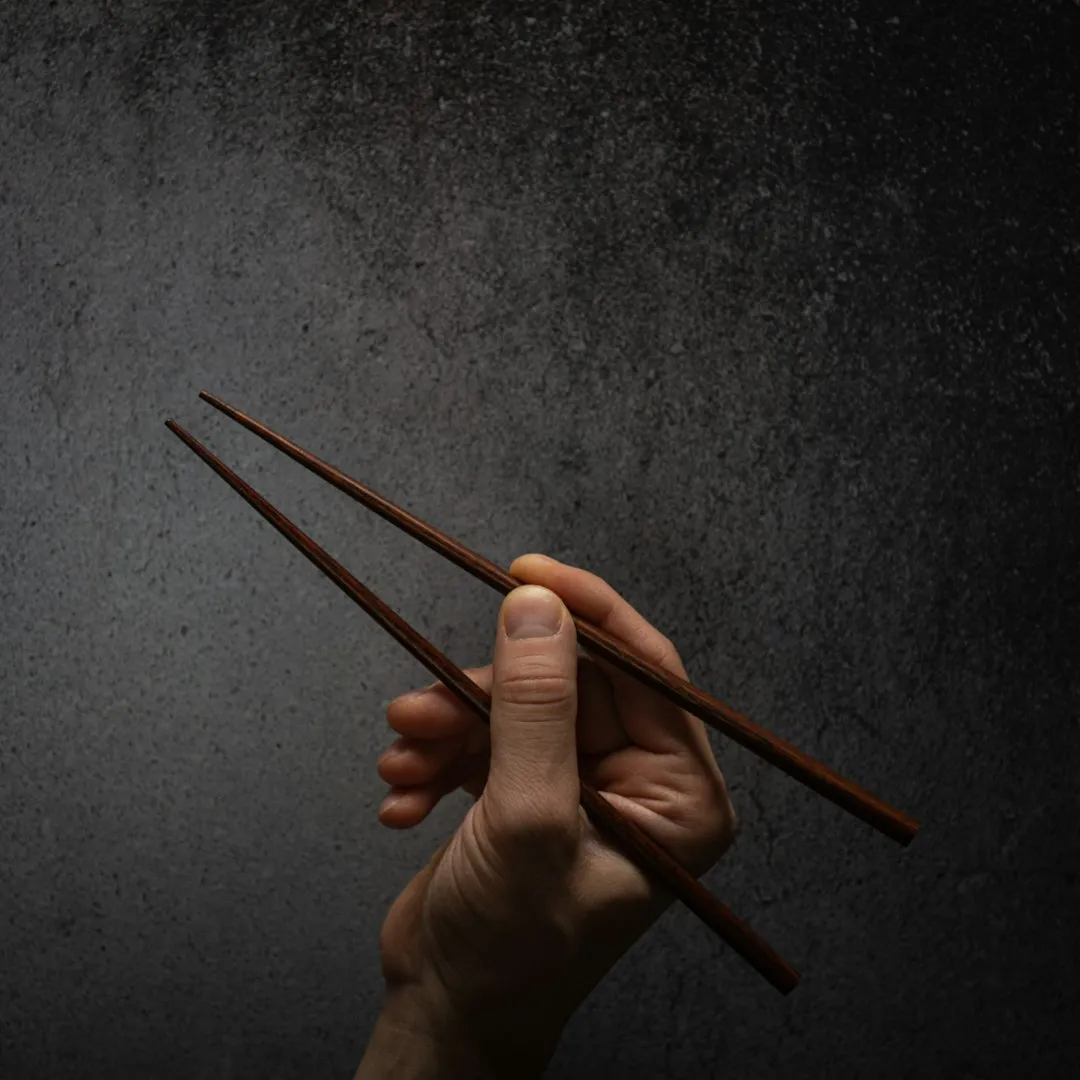
After each use in the soil, wipe the chopstick clean and allow it to dry fully before storing it. After washing, it’s crucial to dry your chopsticks immediately with a soft towel or cloth. Leaving them wet can cause stains, water damage, or allow moisture to seep into the wood, leading to mold or warping.
Wood is a natural material with small pores. These pores can trap food particles and moisture. If not cleaned properly, bacteria and mold may grow. A dedicated chopstick set aside just for plant care, kept clean and dry between uses, will remain an accurate moisture indicator for a long time. Keep it simple: rinse, dry, store upright.
Conclusion
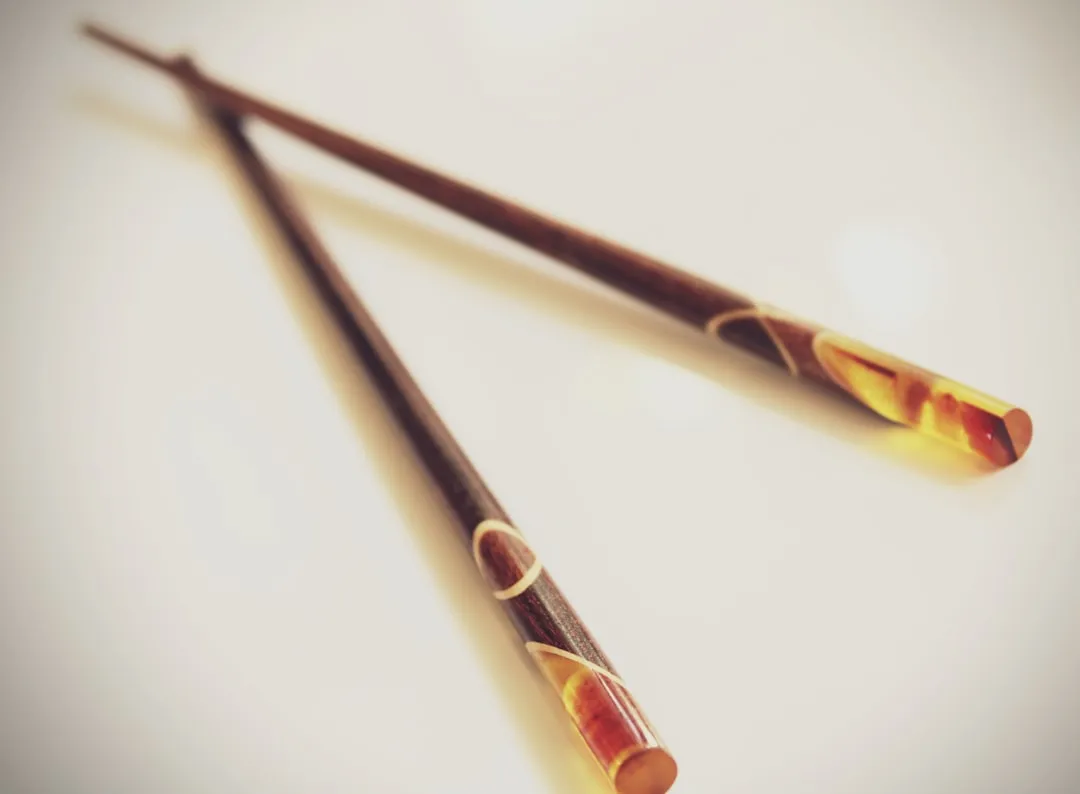
The chopstick method is one of those genuinely useful ideas that sounds almost too simple to work. Yet the science behind it is sound. Moisture measuring tools, such as a simple wooden chopstick, can quickly determine if a plant is thirsty or if it is drowning in too much water.
Using wooden chopsticks to assess the moisture level of your plants is preferable to other methods as it provides a non-intrusive way to gauge moisture without disturbing the plant’s root system. More than any watering schedule or rule of thumb, a two-minute check with a plain wooden stick gives you real information about what’s happening several inches below the surface, right where it counts most for root health.
AI Disclaimer: This article was created with the assistance of AI tools and reviewed by a human editor.