
There’s something quietly satisfying about growing herbs from a structure that was once destined for a skip. Wooden pallets sit in stacks behind warehouses and garden centers across the country, available for free or next to nothing, and they turn out to be surprisingly good at holding soil, roots, and flavor. The whole project takes a weekend at most, and the result is a vertical garden that earns its space on any patio, balcony, or fence line.
The global gardening market was valued at around $120 billion in 2024 and is projected to reach $150 billion by 2030, growing at roughly five percent each year. A big slice of that growth comes from people living in smaller spaces who want to grow food without a full garden bed. A pallet herb garden sits right at the center of that trend.
Why a Pallet Makes Such a Good Planter
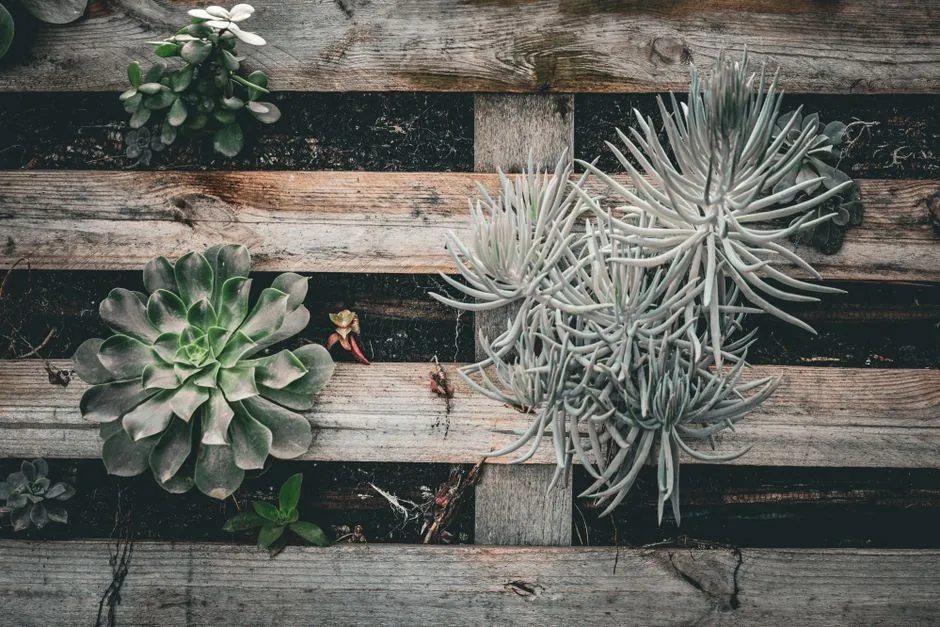
The slats of a pallet naturally divide your raised garden bed into rows, making it easy to arrange plants in organized sections. That built-in structure saves you the trouble of building compartments from scratch. It also gives each herb its own zone, which matters when you’re mixing plants with different water and light needs.
Building a DIY pallet planter is a good way to upcycle old materials and create a functional herb garden in a small space, especially if you’re short on room for traditional garden beds. The vertical orientation is a genuine space-saver for balconies and compact patios. You get the growing capacity of a sizable garden bed without sacrificing a square meter of floor space.
Checking the Stamp Before You Do Anything Else
This step is not optional. Not every pallet is safe to grow food in, and the difference comes down to a small branded stamp on the wood. The ISPM 15 stamp verifies international phytosanitary compliance. “HT” signifies heat-treated pallets, generally considered safe and free from chemical residues. “MB” warns of methyl bromide chemical treatment, which warrants caution due to potential health risks and should typically be avoided.
A heat-treated pallet is one that has been heated to a minimum core temperature of 56°C for at least 30 minutes to kill pests, making it safe. Methyl bromide fumigation has essentially been phased out due to health and environmental concerns, but older pallets stamped “MB” still circulate. If you can’t find a legible stamp, skip that pallet and find another.
Where to Source Your Pallet for Free
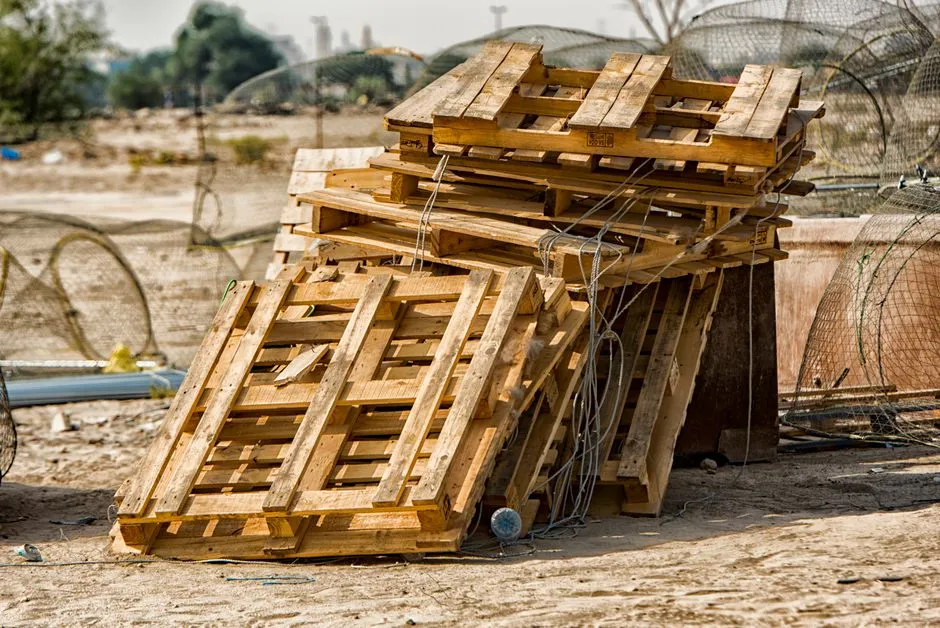
Many businesses will let you pick up pallets for free or for a few dollars apiece, or you can purchase them brand new from hardware companies. Garden centers, tile suppliers, flooring shops, and small furniture makers are all good places to ask. Most are happy to hand them over rather than deal with disposal.
The most popular standard pallet size is 40 by 48 inches, which gives you a solid growing surface without being unwieldy to move or mount. Once you’ve found a candidate, check it over carefully. Ensure the boards are in good condition, with no nails sticking out and no wood rot.
Preparing the Pallet Before Planting
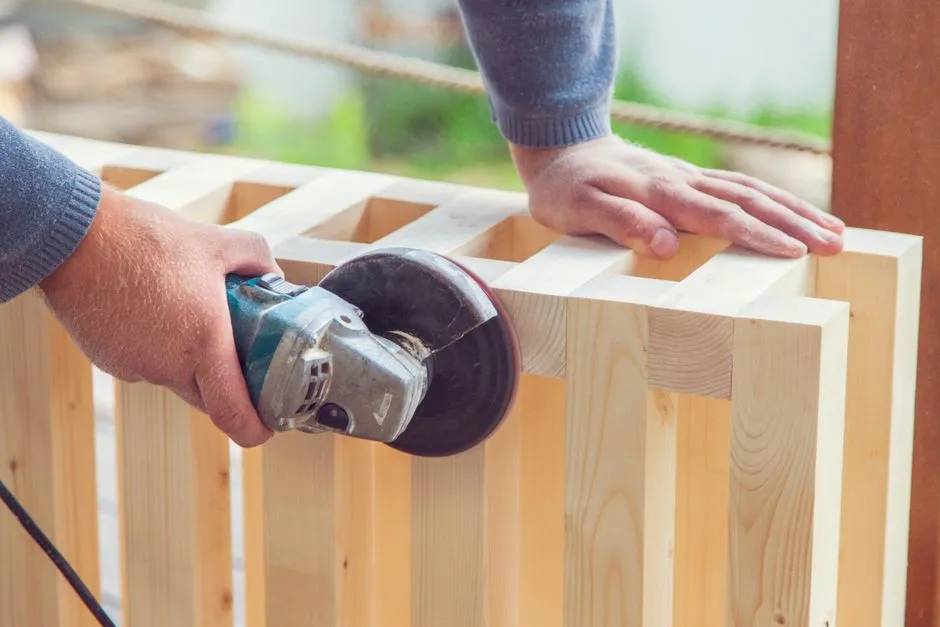
First, use sandpaper to smooth out rough areas and nail down any loose boards. This keeps the structure solid once it’s heavy with wet soil, and removes splinters that can make the whole thing awkward to handle. Take your time at this stage. It takes maybe twenty minutes and it makes everything easier later.
If you plan to stain or paint the pallet, it’s best to sand the areas first. You’ll need sandpaper and a plant-safe, non-toxic wood stain or paint. A coat of cedar stain and polyurethane can make the pallet more water-resistant and extend its life outdoors. This is worth doing if you want the garden to last more than one or two seasons.
Lining and Filling With the Right Soil
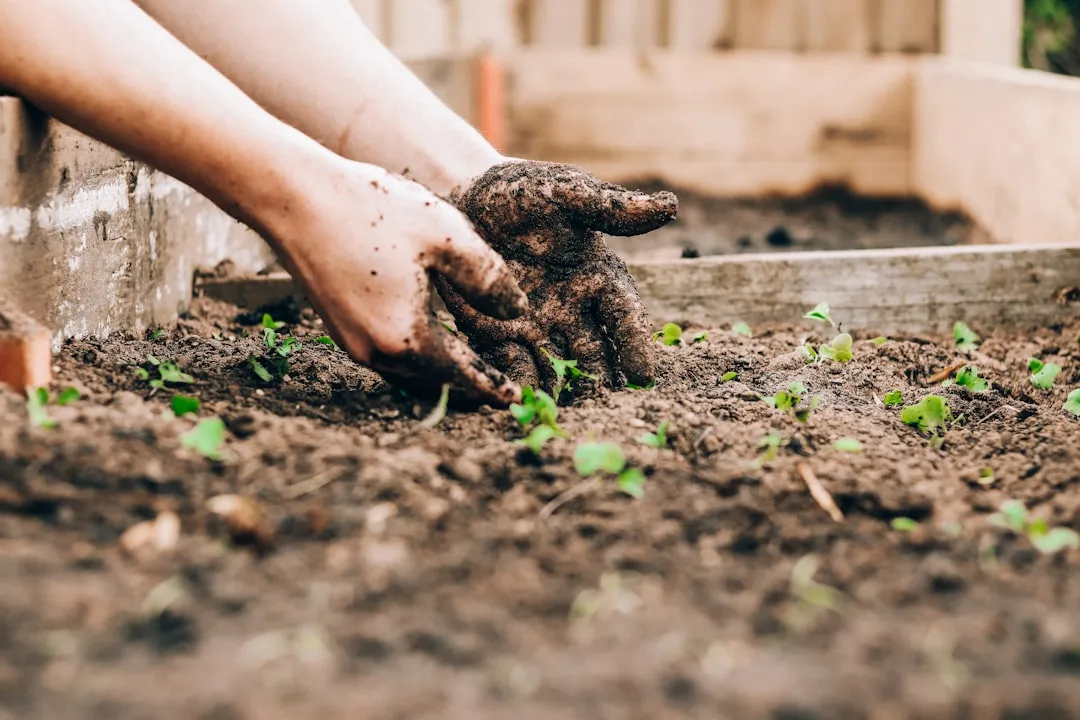
You’ll need to cover the bottom, back, and sides with landscape fabric. Lay the pallet face down and roll the landscape fabric over the back, cutting two identically sized pieces long enough to wrap from the top edge all the way around to the bottom. A staple gun makes the job quick and keeps the fabric firmly in place once the soil goes in.
Plant while the pallet is flat, packing soil and plants tightly. Pour one bag of soil on top, work it between the slats, then add the second bag. Use a quality potting mix rather than garden soil. Potting mix drains more evenly and holds nutrients better inside a confined space like a pallet pocket.
Choosing the Right Herbs for Each Slot
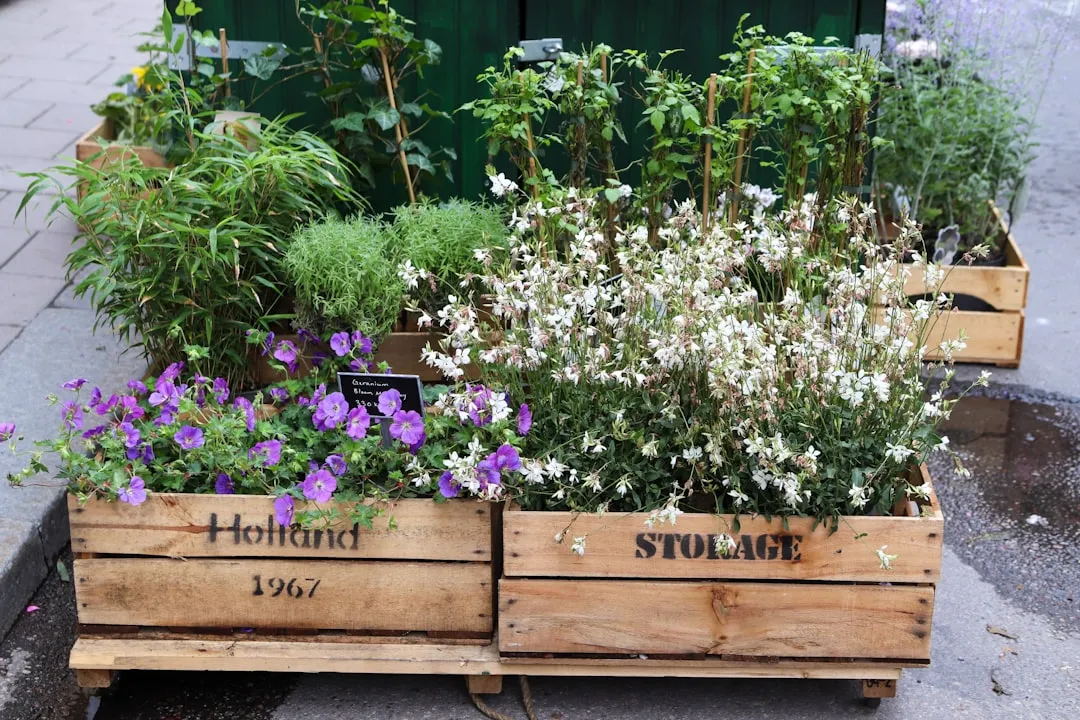
Herbs such as basil, mint, and thyme thrive in compact spaces and are perfect for pallet gardens, enhancing your cooking while providing fragrant greenery. Thyme is tough, aromatic, and happy in shallow soil. It loves the radiant heat from sun-warmed wood, and that warmth helps it produce more flavorful essential oils.
Mint requires careful placement due to its vigorous growing tendencies. Consider isolating mint in its own section to prevent it from overwhelming neighboring herbs. It’s worth opting for small-growing varieties of some herbs, such as rosemary and sage, as these can grow into large shrubs and quickly become unhappy with limited space and soil. Compact varieties planted in the right pockets keep everything balanced and manageable.
Positioning for Sun and Drainage
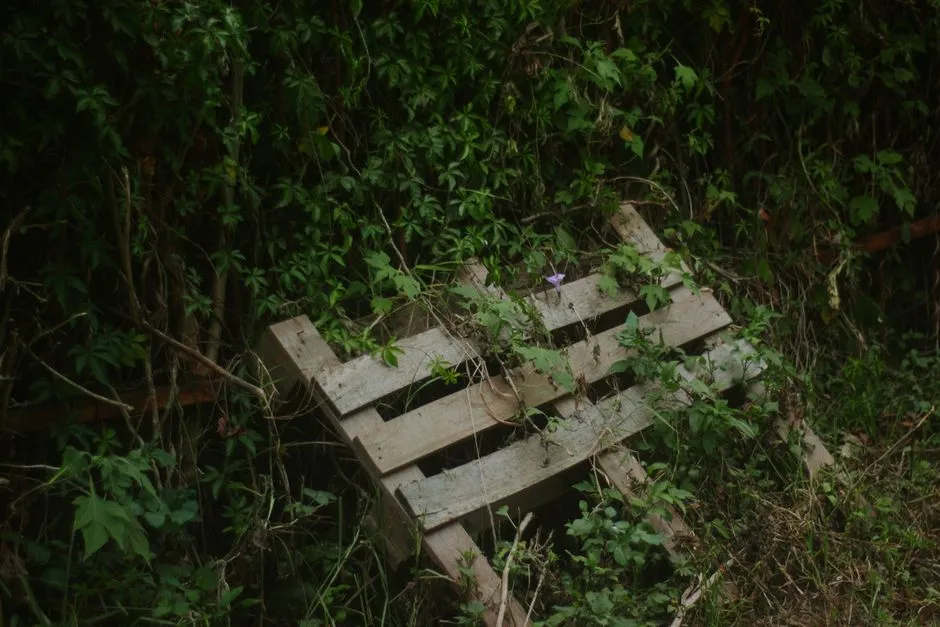
Choose a sunny spot where you will set up your pallet garden bed, making sure the ground is level and cleared before you lay your pallet. Most culinary herbs need at least six hours of direct sun a day to produce well. Fewer hours and you’ll get foliage, but the flavor tends to thin out noticeably.
You can arrange your pallet horizontally or vertically to hang pots from for a space-saving garden. Vertical is the more popular choice for patios and fences. The weight of the garden will be fine just leaning it against a wall, though securing it with a couple of wall fixings adds peace of mind, especially in areas with wind.
Watering Without Washing the Soil Away
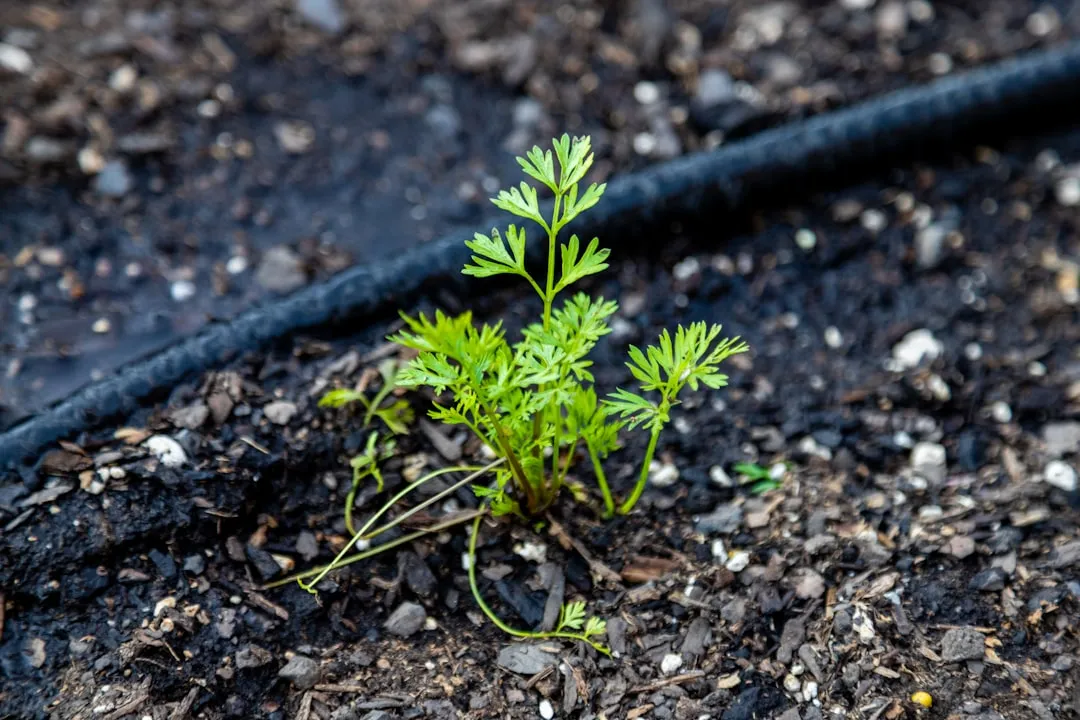
Regular watering is necessary, especially in warmer months, as the soil in pallets can dry out faster than traditional garden beds. The exposed wood and the relatively thin layer of soil in each pocket mean moisture disappears quickly on a hot day. Checking the soil with your finger daily during summer is simply good practice.
Apply water gently to prevent soil erosion from the pallet structure. Small-stream watering cans or drip irrigation systems work best for delivering moisture without washing away soil. Ensure that the soil remains moist but not waterlogged, and adjust your watering schedule based on weather conditions, plant types, and the time of year.
Feeding Your Herbs Through the Season
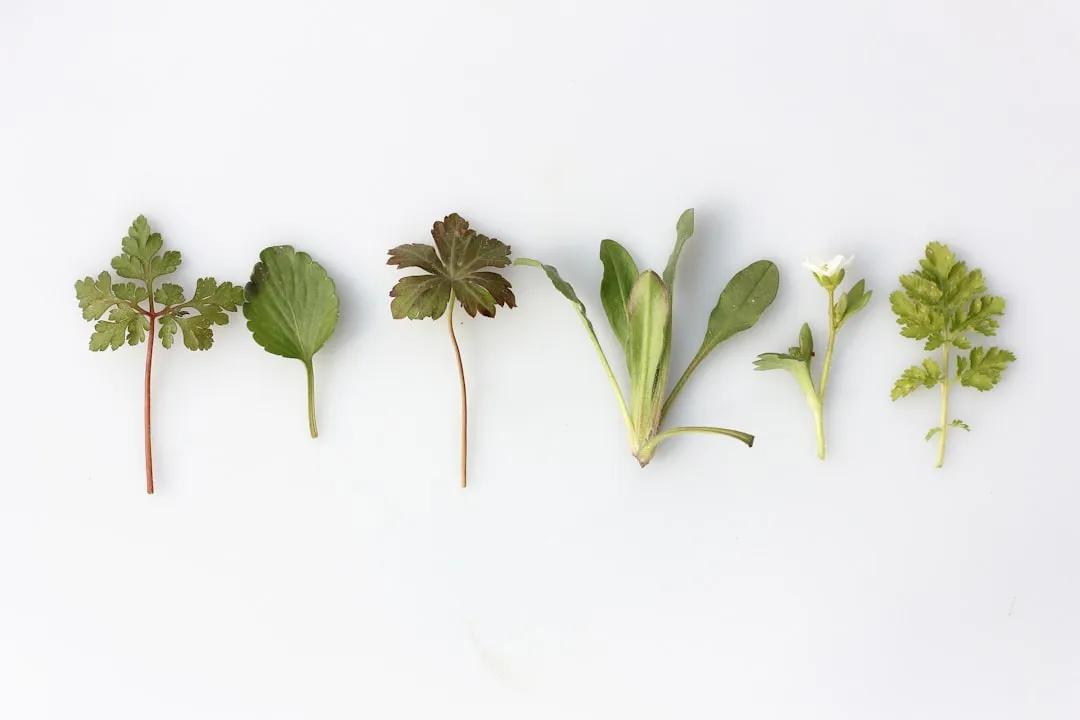
Hungry herbs like parsley, chives, and basil will only grow abundantly with regular fertilization. For these, apply a plant-based fertilizer twice a year. Herbs such as thyme, rosemary, and lavender, on the other hand, rarely need extra nutrients and can actually lose some of their aromatic intensity when overfed. Knowing which herbs are heavy feeders and which prefer lean soil saves you a lot of guesswork.
For the best results, feed herbs and flowers with liquid plant food ideally every two weeks. Regular harvesting of herbs will keep the garden neat and encourage new growth. Harvesting isn’t just convenient for cooking. It actively signals the plant to keep producing, so the more you pick, the more you get.
Keeping the Garden Thriving Long-Term
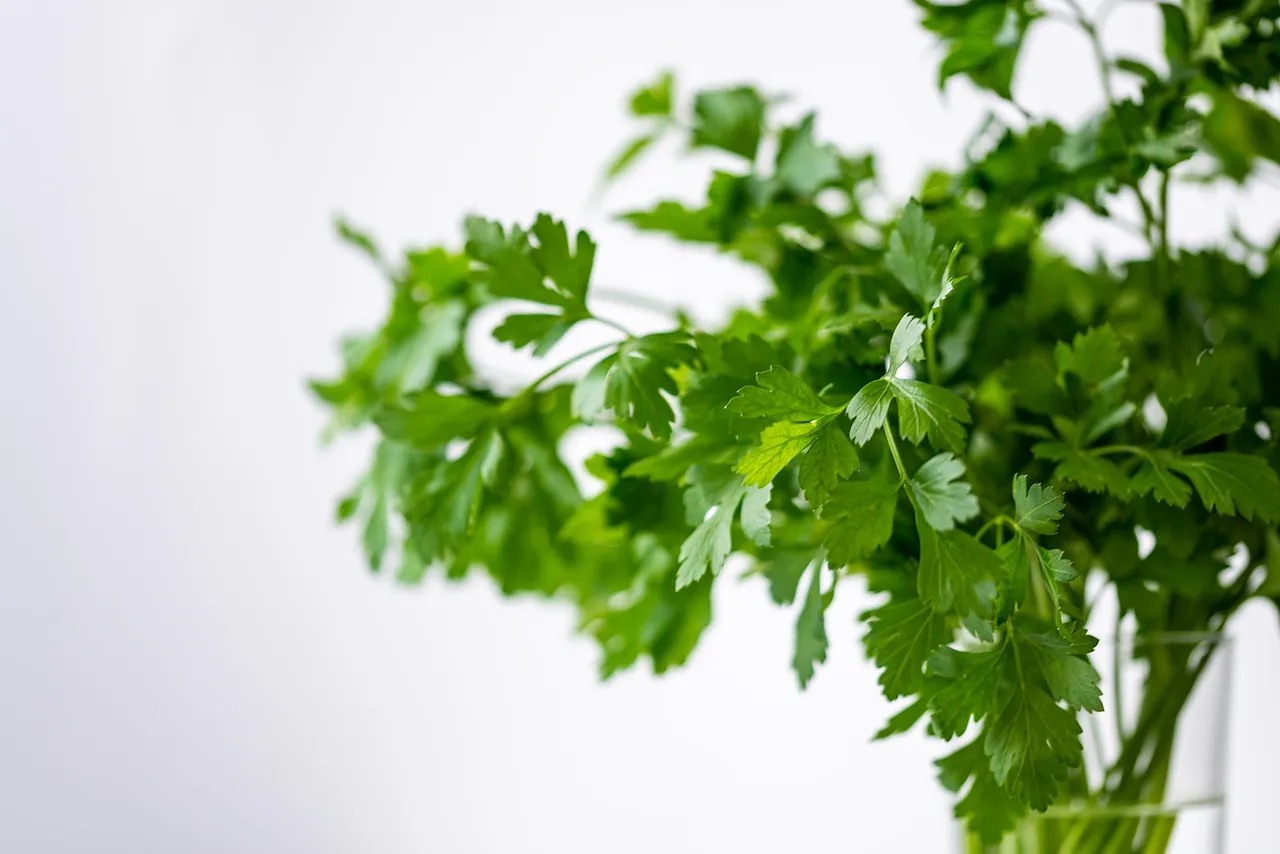
Regularly inspect your pallet garden for signs of pests or diseases. Early detection is crucial for managing and mitigating any issues. A pallet garden is compact enough that a quick visual check takes less than a minute, and catching a pest problem early makes treatment much simpler. Supplement your soil with organic fertilizers as needed, especially before planting new crops, to ensure optimal growth.
The home gardening market was valued at $15.78 billion in 2025 and forecasts suggest it could grow to $26.47 billion by 2034. That momentum is being driven partly by people who discovered that growing herbs at home doesn’t require much space or expertise. A repurposed pallet proves the point better than most projects.
There’s real satisfaction in cutting fresh basil for dinner from something that was sitting behind a hardware store last month. The pallet herb garden isn’t a shortcut or a compromise. Done properly, it’s a genuinely functional piece of growing space that also happens to look good and cost almost nothing to build. That combination is hard to beat.
AI Disclaimer: This article was created with the assistance of AI tools and reviewed by a human editor.