

1. Check the Field Spot First
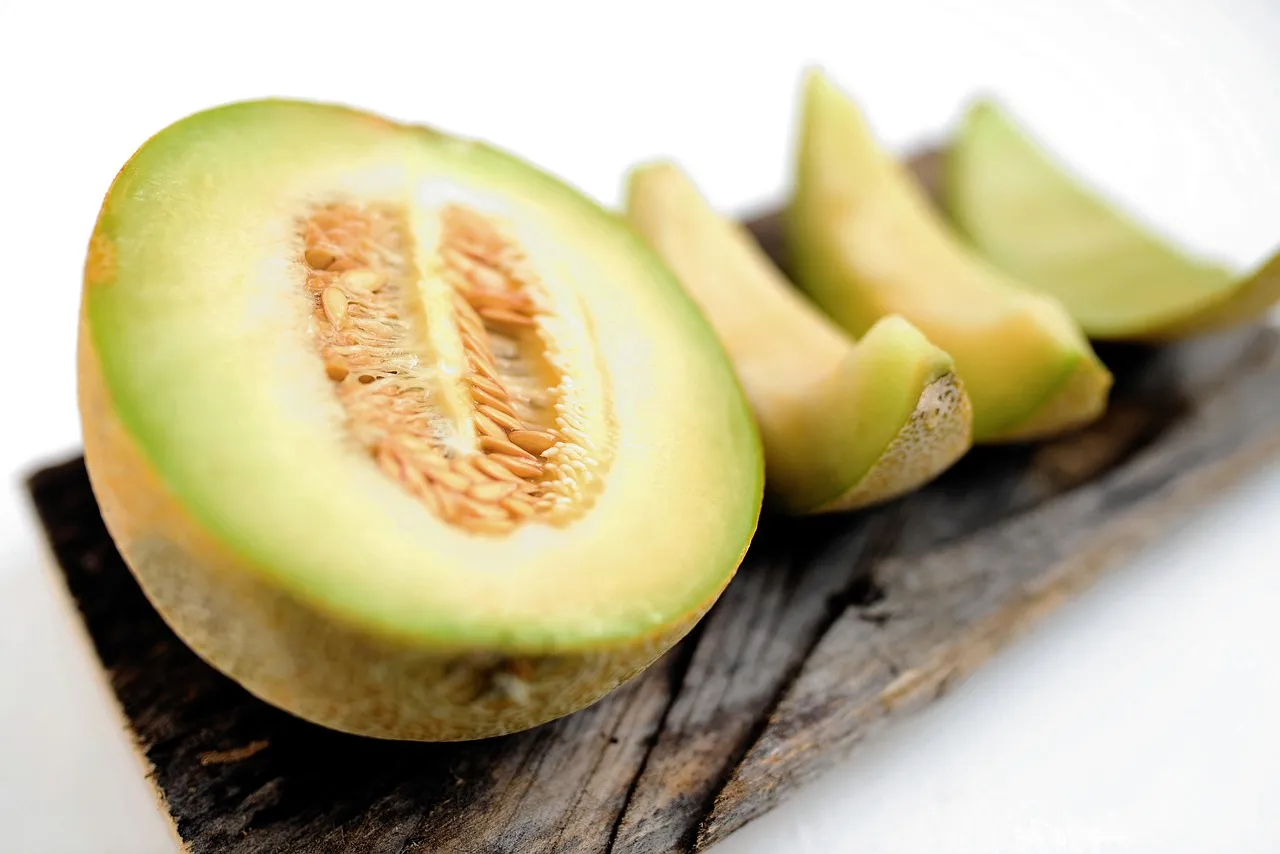
The field spot, sometimes called the ground spot, is the patch of skin that touches the soil while the melon grows and ripens on the vine. As the melon develops, this contact area is shielded from chlorophyll-producing sunlight, and the color shifts from white or pale green in an unripe fruit to creamy yellow or buttery yellow in a ripe one. Extension researchers consider this one of the most dependable indicators available, since the field spot and tendril condition are backed by university extension research as far more trustworthy than other signs.
Clemson’s Home and Garden Information Center describes the mature version of this spot as a large oval area that “a large white to cream color oval spot” that deepens with maturity. Illinois Extension tracks a similar progression, noting the shift from “light green to yellowish” as one of its most consistent markers. If you flip a melon over and see only white or pale green underneath, it likely needed more time on the vine.
2. Watch the Tendril Near the Stem
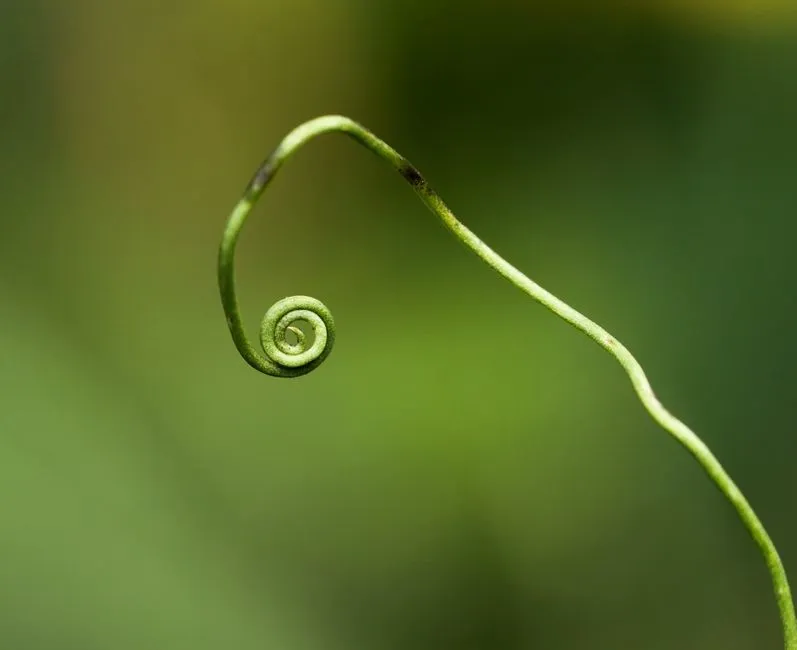
Right where a watermelon’s stem connects to the main vine, there is a small curling tendril that the plant once used to grip its surroundings. At each node along the vine, a leaf branches from it along with a small tendril, which starts out green but eventually dries out completely and turns a crispy brown. That transformation is one of the more reliable visual cues a grower can use, since it reflects the plant’s own internal signal that the fruit has finished developing.
According to the University of Minnesota Extension, the spot where the fruit touches the ground becomes more prominent and changes color, typically to yellow, while the tendril closest to the fruit becomes brown and dries up. It is worth noting this sign is not foolproof on its own. If conditions have been dry, tendrils can sometimes dry back prematurely, so it helps to check the other signs first.
3. Listen for the Thump, But Don’t Trust It Completely
The classic thump test has become almost a cultural shorthand for watermelon shopping, even though experts rank it as the least scientifically reliable method available. The thump test, by far the most famous method, is also the least accurate according to extension-backed rankings. Still, most guides agree a ripe melon tends to produce a deep, hollow sound when tapped, which is a sign of ripeness, while a dull or flat sound can mean the flesh is overripe or underripe.
One farmer who has spent years testing this method admitted that even seasoned growers struggle with it, describing the trick in folksy terms: “Unripe sounds like ‘think,’ half-ripe sounds like ‘thank,’ and ripe sounds like ‘thunk.'” Interestingly, even the USDA seems to think this test is just an old wives’ tale, which suggests it works better as a supporting clue than a standalone verdict.
4. Feel for Changes in Skin Texture
Texture is an underrated clue that many shoppers skip entirely, yet it reflects a genuine physical change in the rind. As the watermelon matures, the outer skin hardens and loses the smooth, waxy feel it had earlier in the growing season, so running your fingers across a ripe melon feels noticeably coarser than an unripe one. This roughness is not just a matter of perception; it is a measurable shift in the rind’s surface.
That said, texture alone rarely settles the question. This test is most useful as a confirming check rather than a standalone signal, but it adds genuine diagnostic value when field spot and tendril are borderline. Pair it with the field spot and tendril for a more confident read.
5. Look for a Dull, Matte Finish Instead of Shine
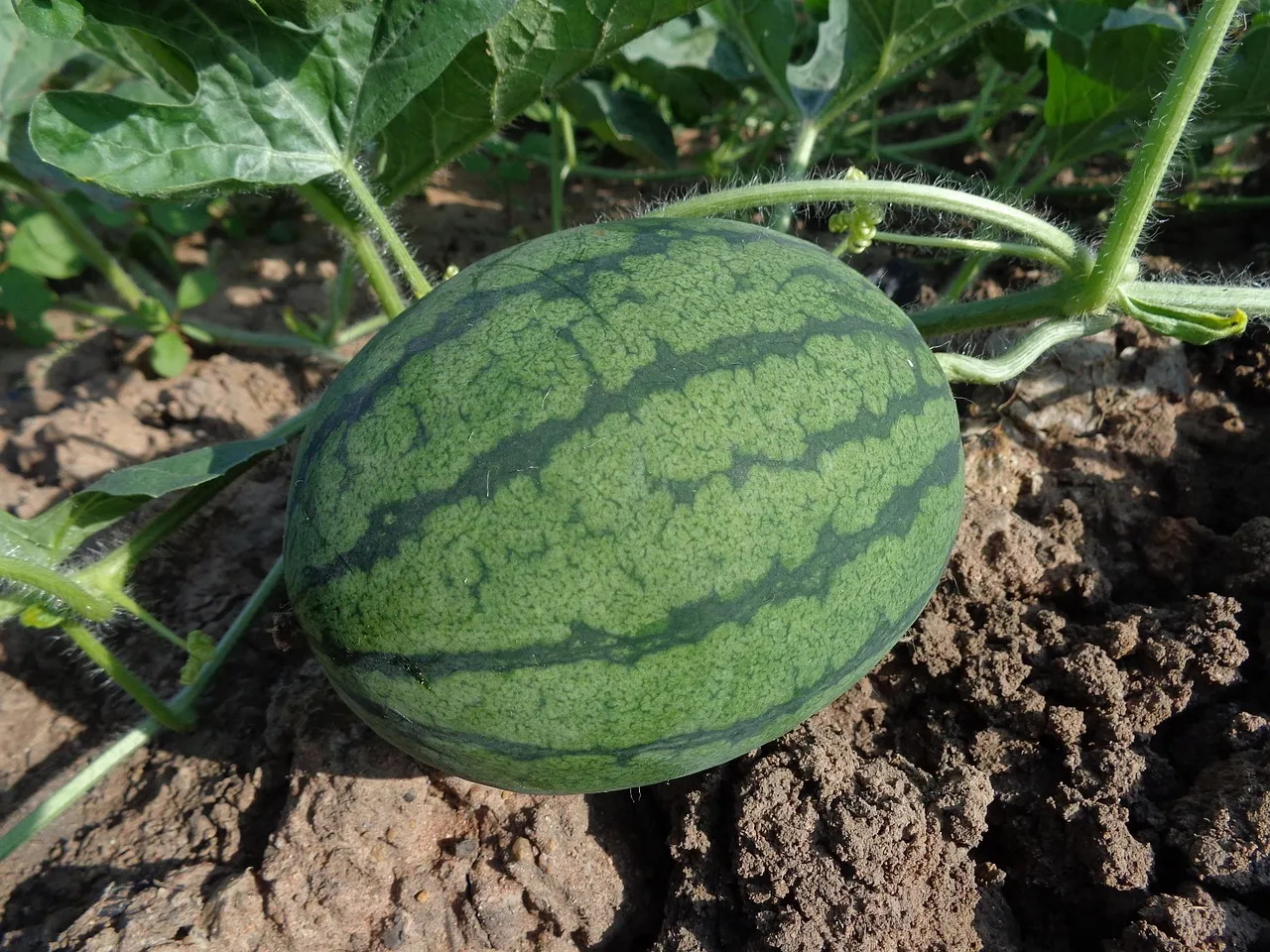
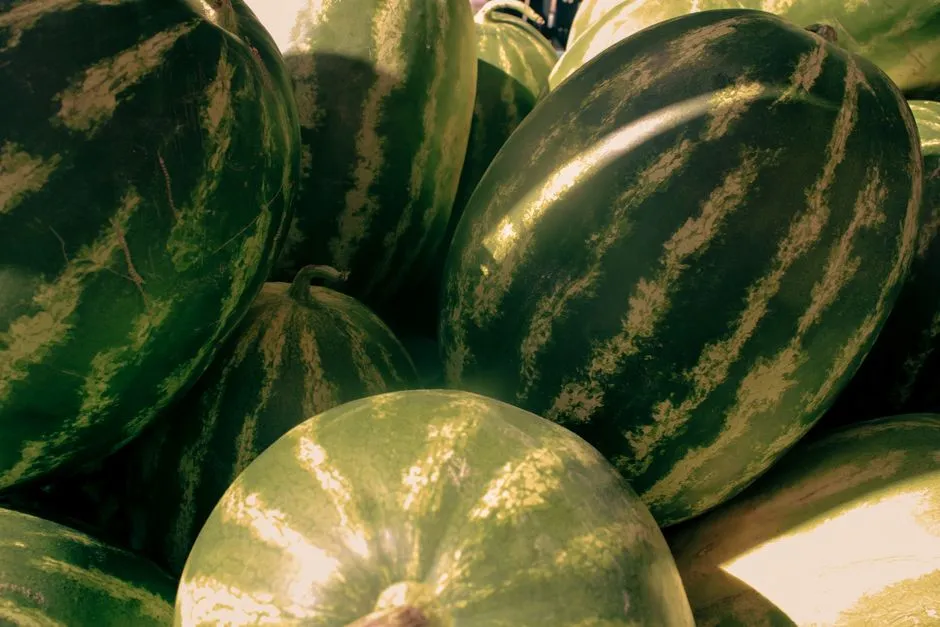
Young, developing watermelons tend to have a glossy sheen, while mature ones lose that shine as the rind hardens and matures. Ripe watermelons lose their shine, as the glossy, reflective surface of a developing fruit fades to a dull, matte appearance as the rind matures. NC State Extension describes this transition succinctly, noting the fruit moves “from ‘shiny to dull’; UGA Extension reinforces this: ‘dull skin is a good sign. Shiny melons tend to be underripe.'”
This sign is useful but imperfect. It ranks lower on reliability because it’s somewhat subjective, since you need a baseline sense of what “dull” looks like for your variety, and it’s variety-dependent. A dark green Sugar Baby and a striped Crimson Sweet simply do not shine the same way to begin with, so context matters.
6. Don’t Fear the Webbing
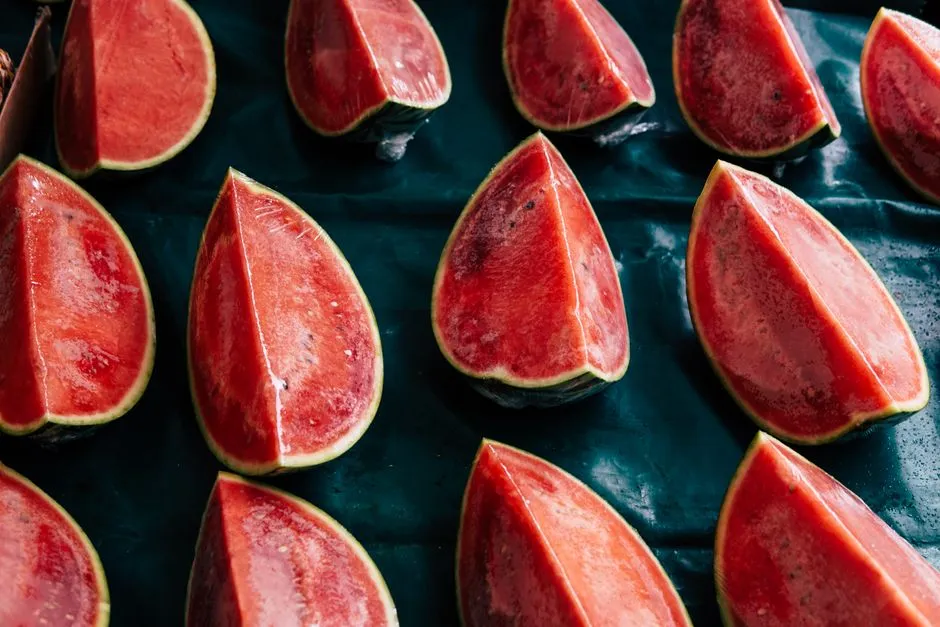
Many shoppers instinctively avoid watermelons with brown, web-like scarring on the rind, assuming it signals damage or poor quality. In reality, the opposite is closer to the truth. Webbing is the brown, web-like scarring you’ll see on the rind, and these marks are actually a sign that the watermelon is ripe, forming where pollination occurred, with more pollination generally meaning a sweeter melon.
A grower who has spent years in the field offers a more grounded take on this myth, clarifying that “webbing” refers to brown scrapes or blemishes on the watermelon’s rind, and they are simply the plant’s scars and stretch marks, with their presence having nothing to do with sweetness but instead the melon’s long and storied life from seed to harvest. Either way, webbing is not a red flag. It is simply evidence of a busy pollination season.
7. Consider Shape and Uniformity
Shape is a smaller clue, but it can offer a useful tiebreaker when other signs are ambiguous. Round and uniform watermelons tend to be sweeter, as sugars concentrate more evenly, while elongated melons can be more watery, although some varieties are naturally oval. This means shape should always be read in the context of the specific variety rather than as a universal rule.
Some melons naturally grow long and cylindrical, like Charleston Gray, while others like Crimson Sweet grow rounder by nature. Comparing a melon’s shape to its own variety, rather than to watermelons in general, avoids penalizing a perfectly good fruit for simply growing the way it is supposed to.
8. Remember That Watermelons Never Ripen After Picking
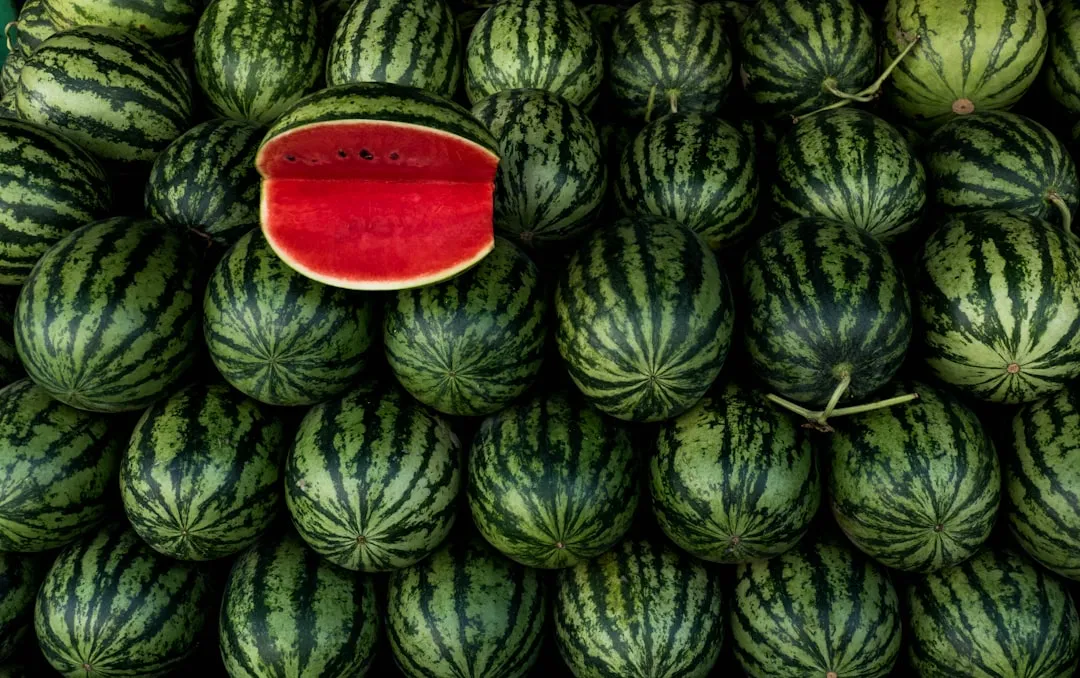
This is arguably the single most important fact in this entire guide, and it changes how much pressure there is to get the timing right. Watermelons are non-climacteric fruits, meaning they stop accumulating sugar the moment you sever the vine, unlike a peach or an avocado that softens and sweetens on your counter. Once it is off the vine, a watermelon is done developing, for better or worse.
The University of Minnesota Extension confirms this directly, stating plainly that watermelons do not ripen after harvest and should be left on the vine until they are fully ripe. There is no windowsill rescue plan here. What you see and feel at the moment of picking is what you get, with no “let it sit a few days” rescue plan available.
9. Know That Watermelons Never “Slip” Like Cantaloupe
Anyone who has grown cantaloupe knows the satisfying moment when a ripe melon detaches from the vine with barely a tug, a phenomenon growers call “slipping.” Watermelons do not offer that convenience. A cantaloupe is ripe when it can be pulled from the vine with a gentle tug, referred to as “slipping,” but that is not the case for watermelon, which will never “slip” off.
This distinction trips up a lot of first-time growers who expect the same behavior across melon types. Because watermelon offers no such mechanical cue, the visual and textural signs covered earlier in this guide carry more weight than they would for other cucurbits. Watermelons do not reach “full slip,” a term you might see in seed catalogs that actually refers to the point when a melon can easily detach on its own, and that simply does not apply here.
10. Track Days to Maturity and Know Your Variety
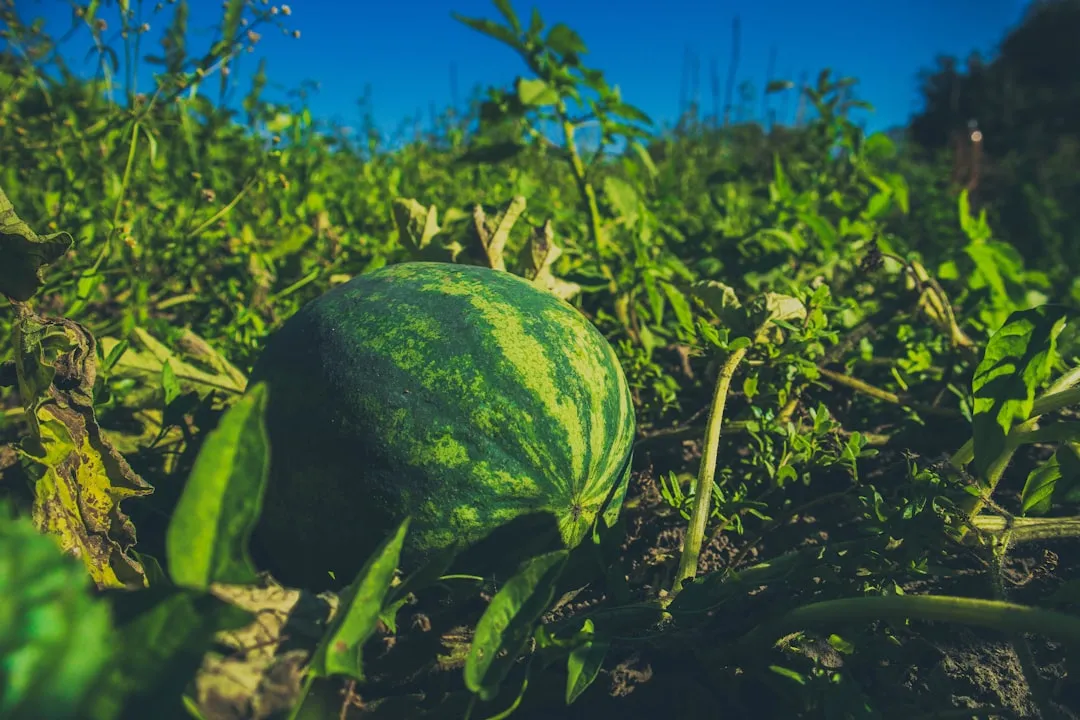
Counting days from planting gives growers a useful backup check, especially when visual signs are ambiguous. Most melon varieties, including watermelon, generally need about 80 to 100 days from planting to harvest, though the exact number varies by cultivar. Sugar Baby, for instance, is often ready around the 80 day mark, but its field spot can turn yellow well before the fruit is actually finished ripening, which is why a Field Notes Farmer grower cautioned that the popular Sugar Baby watermelon often has a glowing yellow spot well before it’s actually ripe, while the old-fashioned Charleston Gray is so pale that no ground spot may ever be visible.
This variety-dependent quirk is exactly why no single sign should be trusted in isolation. The most dependable approach combines the calendar with the physical signs already discussed. As one extension based guide puts it, the most reliable signs are ranked from most to least reliable based on guidance from university cooperative extension programs, and using two or three from the top of the list together gives you the highest confidence of a correct pick.
Getting It Right, One Melon at a Time
Watermelon remains a genuine summer staple in this country, with 2024 data showing it ranked third in U.S. fresh fruit per capita availability behind only bananas and apples, at nearly 15 pounds available per person. That popularity means a lot of people are standing in produce aisles right now, thumping melons out of habit rather than knowledge. Understanding the field spot, the tendril, the texture, and the shine turns that guesswork into something closer to a method.
No single sign tells the whole story, and that is really the point. Farmers and extension researchers alike lean on combinations of clues precisely because watermelons do not offer a foolproof shortcut the way some other fruits do. Once you know what to look for, though, picking a genuinely ripe melon stops being a matter of luck and starts being a matter of paying attention.
AI Disclaimer: This article was created with the assistance of AI tools and reviewed by a human editor.