
Know What You’re Actually Fighting
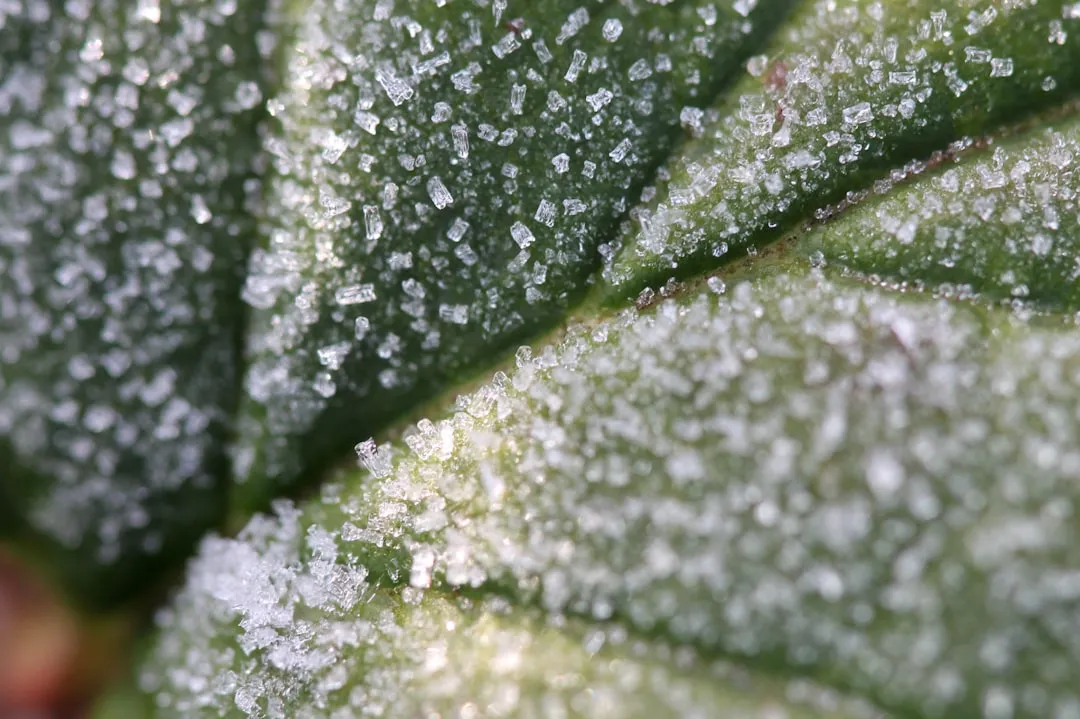
Powdery mildew is not one single organism but a group of closely related fungi, and different species attack different plants. As one extension resource notes, different species of fungi cause the disease on different plants, with Erysiphe infecting vegetable crops and flowers, Podosphaera infecting apples and stone fruits, and Sphaerotheca infecting berries, roses, and other vegetable crops. That specificity matters because a mildew problem on your cucumbers will not necessarily jump to your roses.
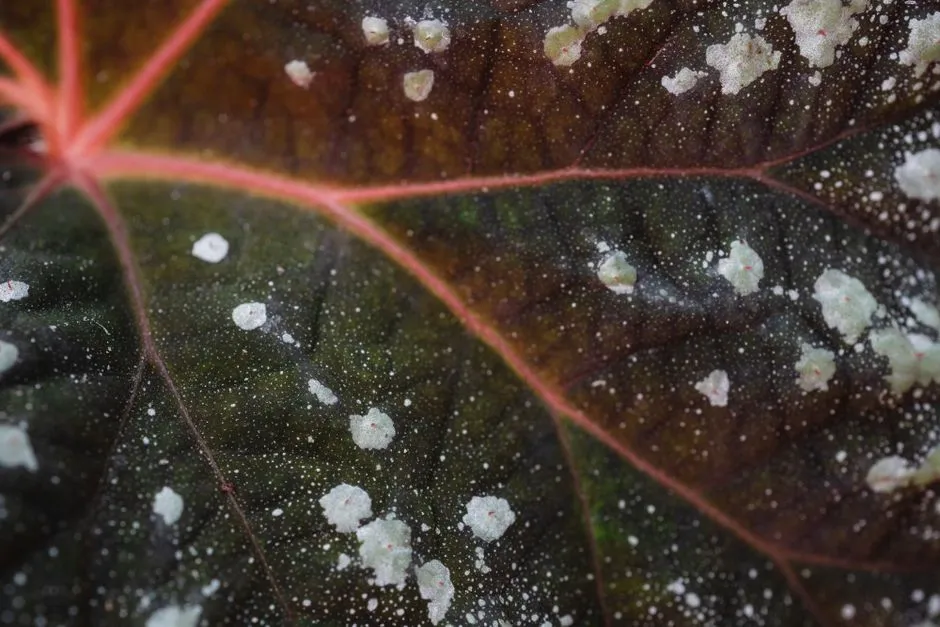
What all these fungi share is that unmistakable look. The infection produces a powdery white to gray fungal growth on leaves, stems and heads, and it is one of the most commonly recognized plant problems in home gardens.
The Weather Pattern That Sets Off an Outbreak
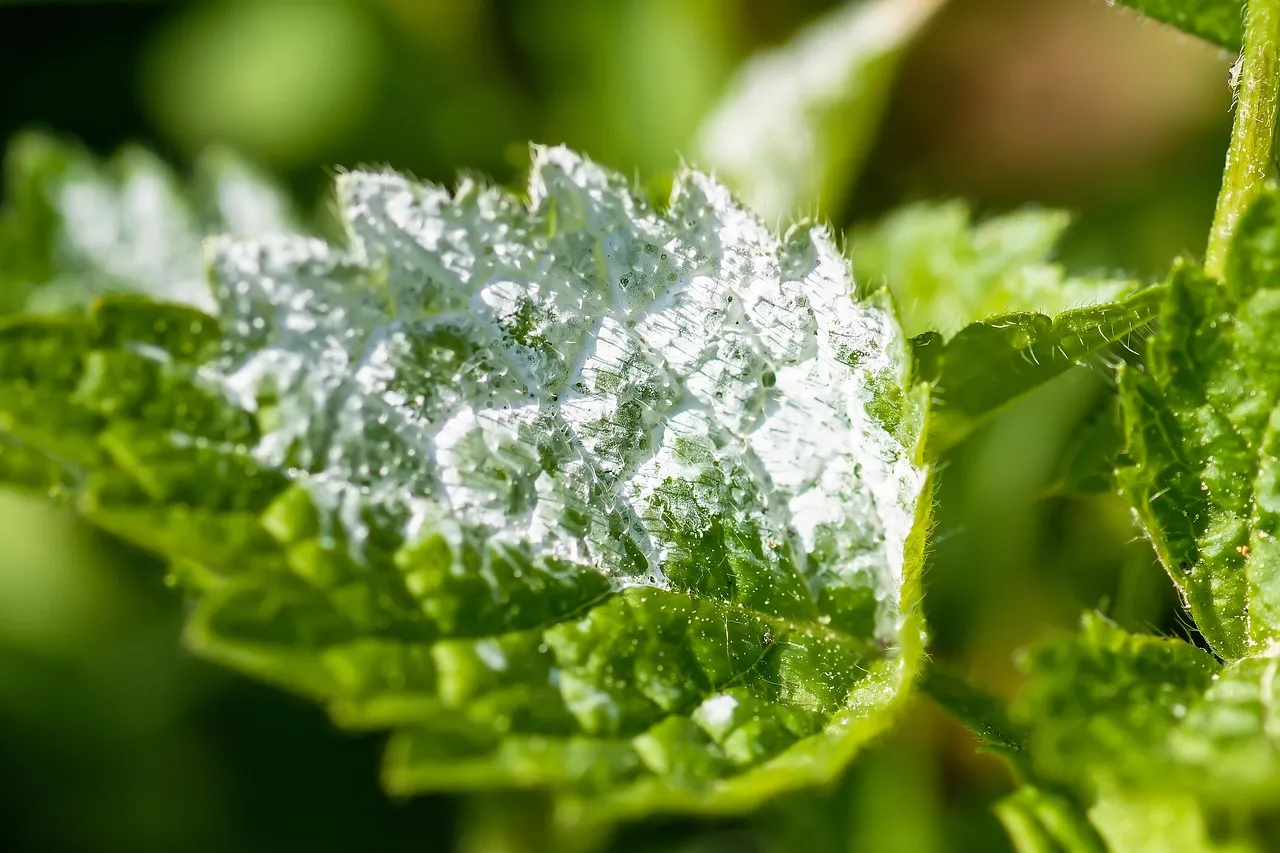
Powdery mildew has an unusual trait compared to most fungal diseases: it does not need standing water to infect a plant. Research from ornamental disease specialists points out that conidia do not require free standing water to germinate or infect plants, but relative humidity is an important factor in disease development. That is why it can explode during a stretch of dry weather that would normally suppress other leaf diseases.
The sweet spot for infection tends to be surprisingly mild. Extension pathologists describe the ideal range as an optimum temperature for infection between 68 to 77 degrees Fahrenheit with relative humidity between 40 to 100 percent, and note that low, diffuse light also seems to favor powdery mildew development. Cool nights followed by warm, humid days, exactly the kind of swing many regions get in late spring and again in early fall, are often the trigger.
Interestingly, extreme conditions in either direction work against the fungus. Some university sources note that powdery mildew spores and mycelium are sensitive to extreme heat and sunlight, and leaf temperatures above 95 degrees Fahrenheit may kill the fungus, which is part of why outbreaks often ease off during the hottest weeks of deep summer.
Start With Resistant Varieties
Genetics still beats almost everything else on this list. Plant pathologists at the Connecticut Agricultural Experiment Station are blunt about it, stating that genetic resistance is very effective for powdery mildew control but is not available for all plants, and they point to specific cultivars such as phlox David, New England aster Purple Dome, beebalm Marshall’s Delight, and crabapple Indian Summer as reliable performers. For vegetable growers, cucurbit breeders have made real progress too, though it comes with a caveat worth remembering.
Rutgers researchers who track cucurbit powdery mildew each season warn that resistant squash and cucumber varieties are not bulletproof. As they put it, it is important to remember that these cultivars are not immune to powdery mildew; they will become infected at some point in the growing season depending on disease pressure. The real benefit is timing. Hopefully, this will occur later in the season when compared to susceptible cultivars, which buys you a longer harvest window even if it does not deliver full immunity.
Give Every Plant Room to Breathe

Airflow is one of the few free tools available to every gardener, and it matters more than people tend to assume. Ornamental disease specialists at Envu explain plainly that powdery mildews favor high relative humidity, so increasing air movement around the plant canopy tends to reduce the potential for infection, and spacing plants allows as much air movement as possible.
Shade compounds the problem, since mildew tends to prefer it. Grangetto’s Farm and Garden Supply notes that a sudden change from wet or humid conditions to warmer, dry temperatures creates perfect conditions for the fungus, and warm temperatures combined with shady conditions encourage it to grow and spread. Thinning dense foliage, staking sprawling plants, and avoiding overcrowded rows all chip away at the microclimate the fungus prefers.
Rethink How You Water

It sounds almost backwards, but wetting the leaves can sometimes help rather than hurt, at least for this particular disease. Penn State Extension notes that liquid water on leaves inhibits spore germination for most species of powdery mildew, and goes so far as to suggest that syringing the leaves during the day at times of low humidity greatly inhibits infection and can protect the plant.
That said, this is a narrow, situational tactic, not a green light to switch to overhead sprinklers everywhere. The same guidance cautions that gardeners should only syringe if other leaf diseases are not a problem since other pathogens require liquid water to infect. For most home gardens, the safer default remains watering at the soil line early in the day, which keeps foliage dry overnight when humidity naturally climbs.
Prune and Remove Infected Material Fast
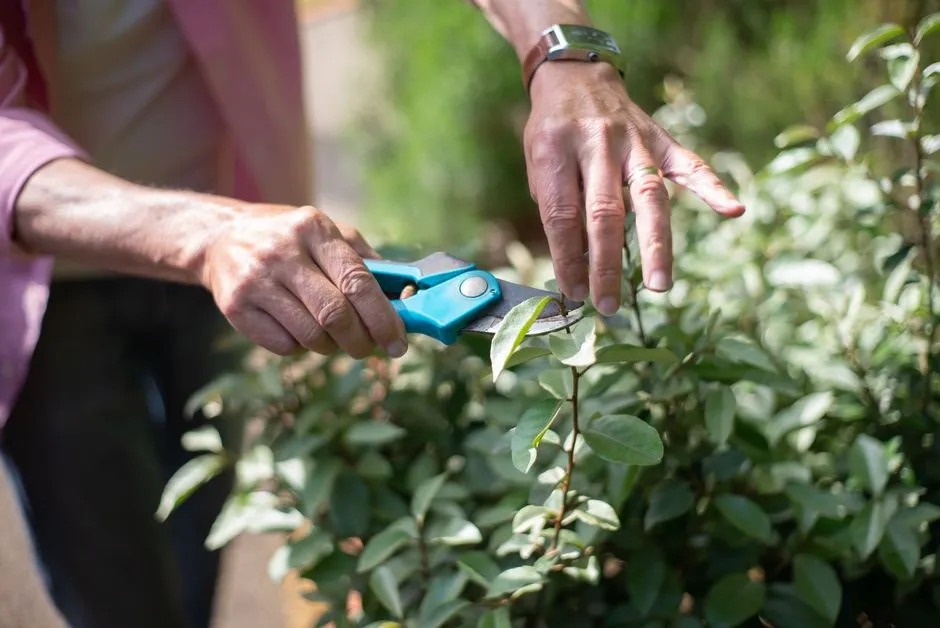
Once you spot the first white patches, speed matters more than the size of the intervention. The Connecticut Agricultural Experiment Station recommends that symptomatic leaves should be removed as soon as they are detected and immediately placed in a plastic bag to avoid spread of the powdery spores to other plants. Tossing infected leaves onto the compost pile or leaving them on the ground defeats the purpose entirely, since spores can simply blow right back onto healthy foliage.
Sanitation extends beyond the growing season, too. The same fact sheet advises that all plant debris should be raked and removed in the fall, since many of these fungi overwinter on fallen leaves and stems before starting the whole cycle again the following spring.
Potassium Bicarbonate: The Best Studied Organic Option
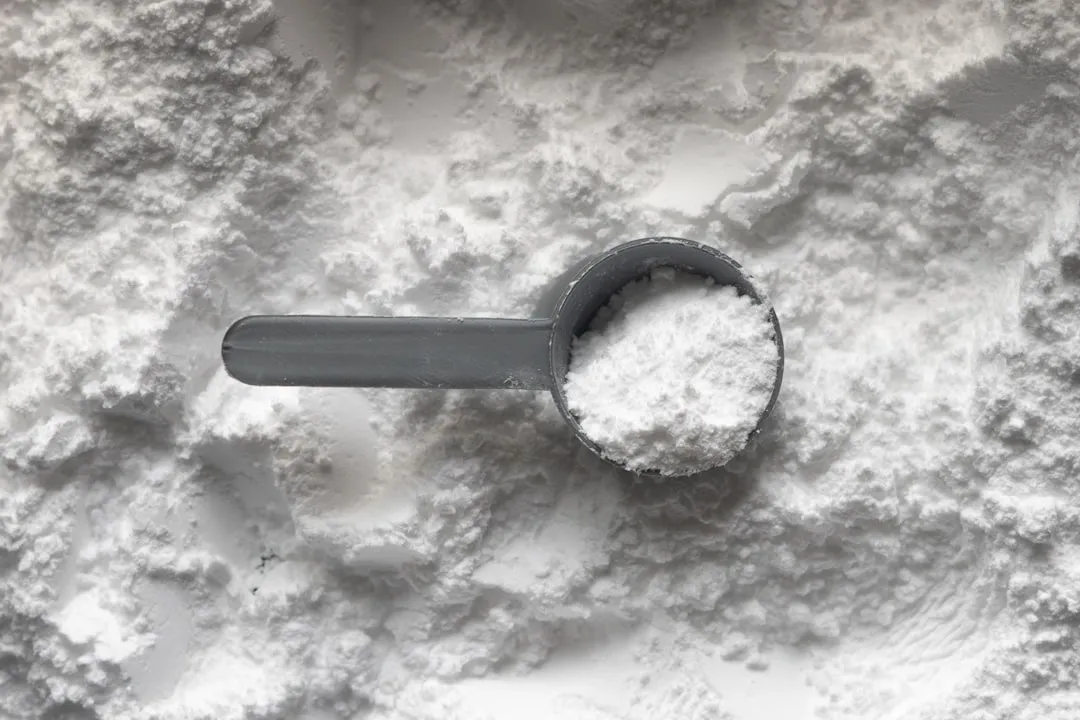
Among the organic treatments, potassium bicarbonate has by far the strongest research backing. A four year study in an organic apple orchard in Hungary found that the effectiveness of nine fungicide treatments, including potassium mono and bicarbonate and their combinations with wettable sulfur, were evaluated for scab and powdery mildew control on two cultivars, with encouraging results for disease suppression. A separate gooseberry trial reached a similarly clear conclusion, reporting that applications of potassium bicarbonate as Armicarb are effective in reducing the incidence and severity of American powdery mildew in gooseberry.
The mechanism behind it is fairly well understood at this point. Potassium bicarbonate disrupts the fungal cell walls and prevents spore germination, stopping the disease from spreading, which makes it useful both before an outbreak starts and shortly after it appears. It is worth noting, though, that the strongest data comes from orchard and berry crops rather than backyard vegetable beds, so results on tomatoes or squash may vary somewhat.
Neem Oil and Horticultural Oils
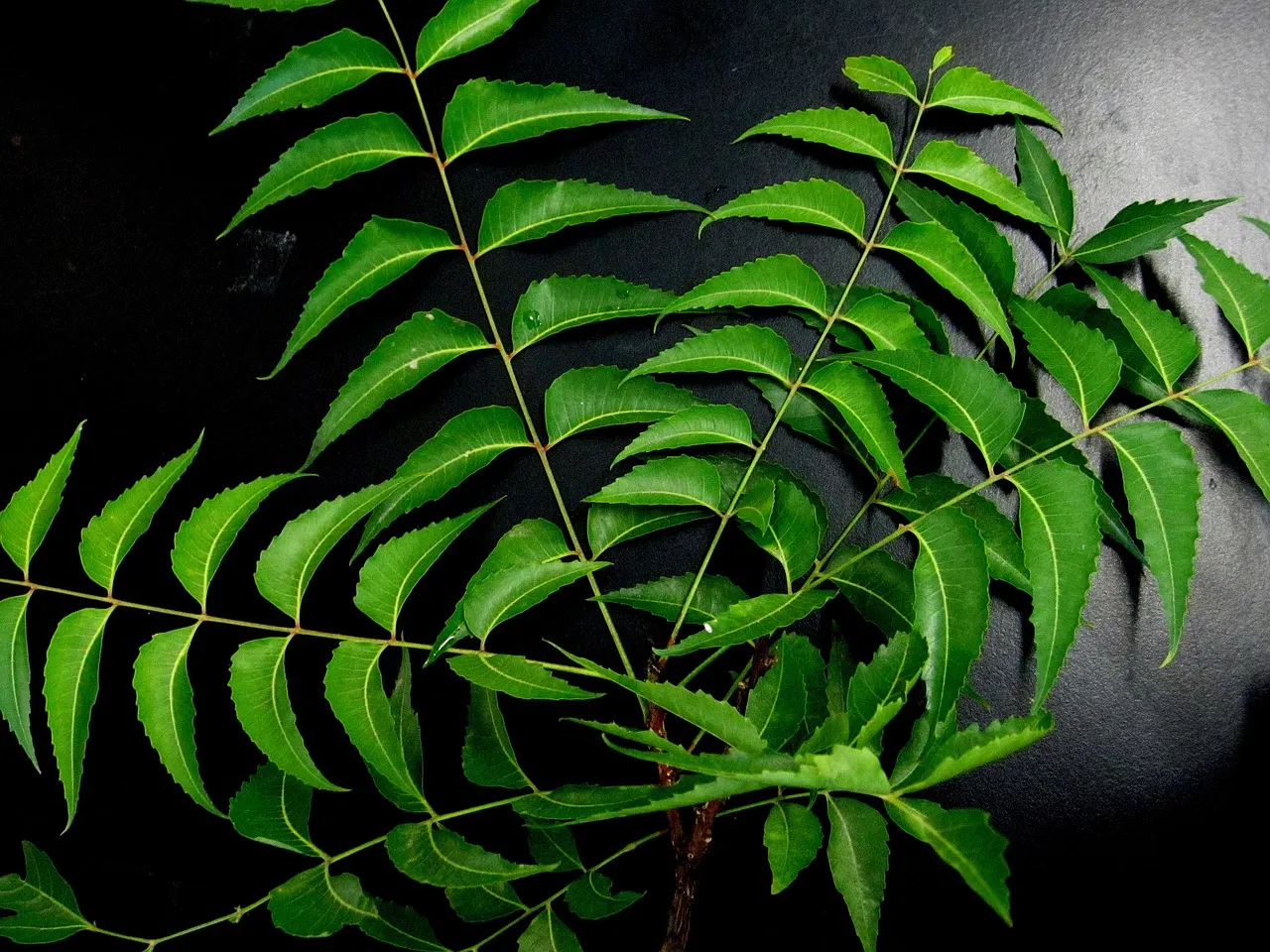
Neem oil has become one of the more popular organic options, and university researchers have looked closely at why it seems to work. A University of Connecticut fact sheet explains the leading theory, noting that after a leaf is coated by the neem oil, the powdery mildew spores either fail to germinate or cannot penetrate the leaf. That coating action is also why oils tend to work well as curative treatments, not just preventives.
The University of California’s IPM program draws a useful distinction here between prevention and treatment. Their guidance states that with the exception of oils, these materials are primarily preventive, while oils work best as eradicants but also have some protectant activity. In practice, that means neem or horticultural oil is one of the few organic options that can actually knock back an infection that has already started, rather than just stopping new spores from landing.
What the Research Actually Says About Baking Soda and Milk
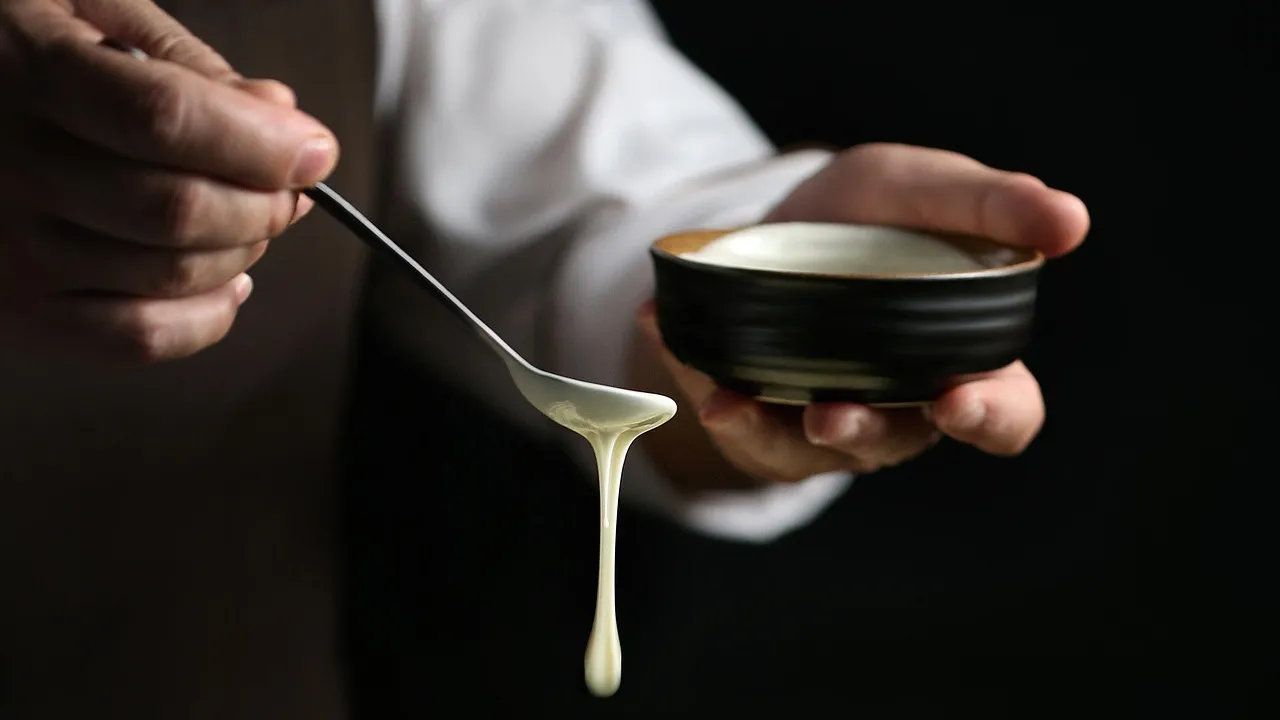
Baking soda and milk sprays are probably the two most talked about home remedies, and it is worth separating folklore from evidence. On baking soda, the same University of Connecticut researchers are fairly cautious, reporting that sodium bicarbonate combined with a one percent horticultural oil spray has been reported to be effective against powdery mildew on roses, though a recent study found the combination of horticultural oil and baking soda was not significantly different from oil alone. In other words, the oil may be doing most of the work.
Milk has a more mixed track record among gardeners who have actually tried it repeatedly. One long time gardening writer who tested it on her own squash plants over several seasons put it simply: she tried this one several times over the years, whenever her squash plants have been plagued by powdery mildew, but it never did much to dispel the disease. Given that inconsistency, it is fair to treat milk sprays as an unproven folk remedy rather than a dependable line of defense, and lean on better documented options like oils or potassium bicarbonate instead.
When to Escalate and Why Fungicide Rotation Matters
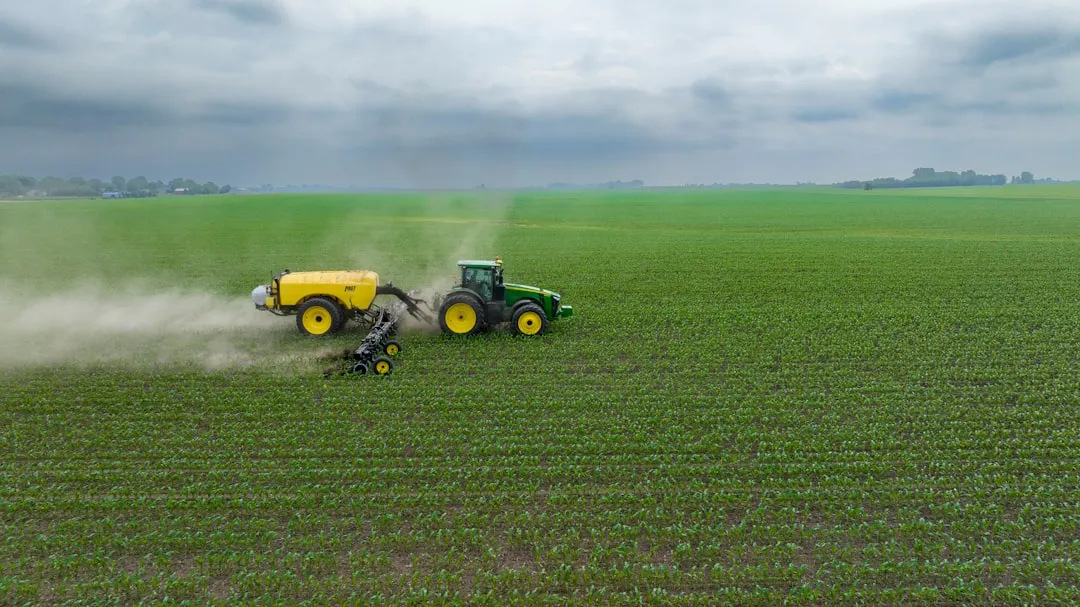
For persistent or severe cases, particularly on high value ornamentals or fruiting crops, synthetic fungicides remain an option, but they come with a growing complication. Vineyard researchers in Australia reported in late 2025 that recent research led by the South Australian Research and Development Institute has confirmed the detection of powdery mildew fungicide resistance to several fungicide groups commonly used in vineyards. That finding lines up with what plant scientists at Oregon State have observed too, noting that many commonly used fungicides for powdery mildew control are becoming less effective as the fungus develops resistance, prompting the need for more effective and sustainable treatments.
The practical takeaway for home gardeners is not to abandon fungicides, but to rotate products and avoid leaning on any single active ingredient season after season. Vegetable disease specialists at Rutgers recommend exactly this approach, explaining that limiting repeated use of the same high risk fungicide is the easiest method to mitigate the potential for fungicide resistance development for home and commercial growers alike. Combined with good sanitation, spacing, and resistant varieties, rotation helps make sure whatever product you do reach for still works when you need it most.
Bringing It All Together
Powdery mildew rarely has a single cause or a single fix, which is exactly why it trips up so many gardeners. It is a disease driven by weather patterns, plant spacing, watering habits, and pathogen biology all at once, and the most reliable results come from combining several of these tactics rather than betting everything on one spray. Start with resistant varieties where you can find them, give plants the airflow and spacing they need, catch infections early, and treat thoughtfully rather than reflexively. None of this guarantees a mildew free garden, since the fungus is opportunistic and the weather is not something anyone controls. Still, a garden managed this way tends to lose far less of its summer to that dusty white film, and that is really the point worth aiming for.
AI Disclaimer: This article was created with the assistance of AI tools and reviewed by a human editor.