

Creating a self-seeding native wildflower meadow in your yard is a rewarding and eco-friendly way to enhance your landscape. These meadows not only add vibrant colors and textures but also provide critical habitat for pollinators and other wildlife. Establishing a wildflower meadow might seem daunting at first, but with some planning and patience, you can transform a portion of your yard into a thriving natural sanctuary.
In this article, we’ll guide you through the steps to create your own self-seeding native wildflower meadow. From selecting the right plants to preparing the soil and maintaining your meadow, these tips will help you establish a beautiful and sustainable garden that requires minimal upkeep once it’s established.
Choose the Right Location
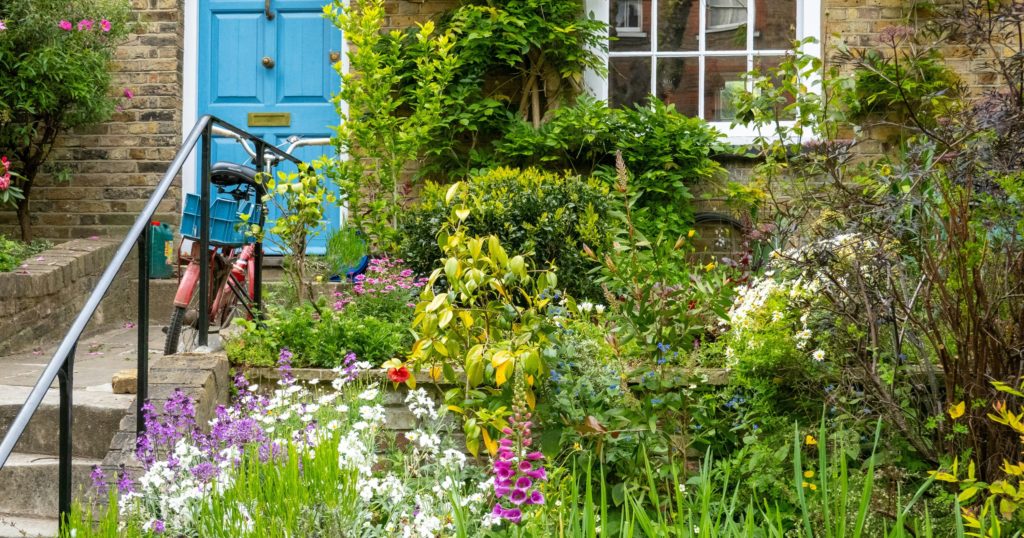
Selecting the right location for your wildflower meadow is crucial for its success. Wildflowers generally prefer full sun, so choose a spot in your yard that receives at least six to eight hours of direct sunlight each day. This will ensure that your wildflowers thrive and produce abundant blooms.
Consider the soil conditions in your chosen location as well. Most wildflowers prefer well-drained soil, but some species are adaptable to a range of soil types. Conduct a soil test to determine the pH and nutrient levels of your soil. This information will help you select appropriate wildflower species that will flourish in your specific conditions.
Select Native Wildflowers
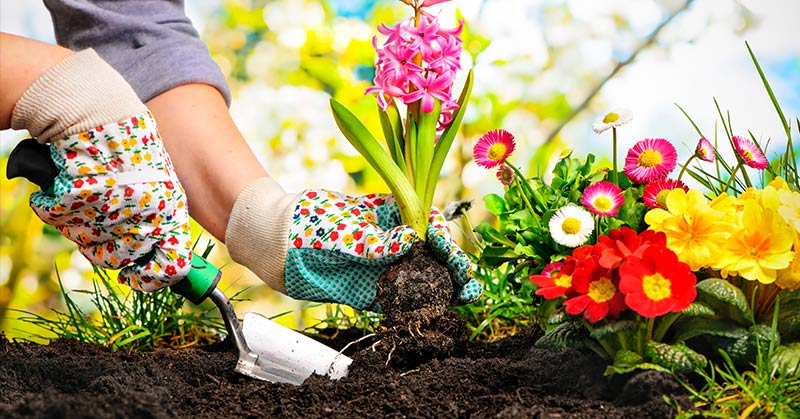
Choosing native wildflowers is key to creating a successful self-seeding meadow. Native plants are well-adapted to your local climate and soil, making them more resilient and easier to care for. They also provide vital support for local wildlife, including pollinators like bees and butterflies.
Research which wildflower species are native to your area. Many native plant societies and extension offices provide lists of region-specific native plants. Some popular choices for wildflower meadows include black-eyed Susan (Rudbeckia hirta), purple coneflower (Echinacea purpurea), and bee balm (Monarda fistulosa). Mixing annuals and perennials can provide a continuous display of blooms throughout the growing season and ensure long-term self-seeding.
Prepare the Soil
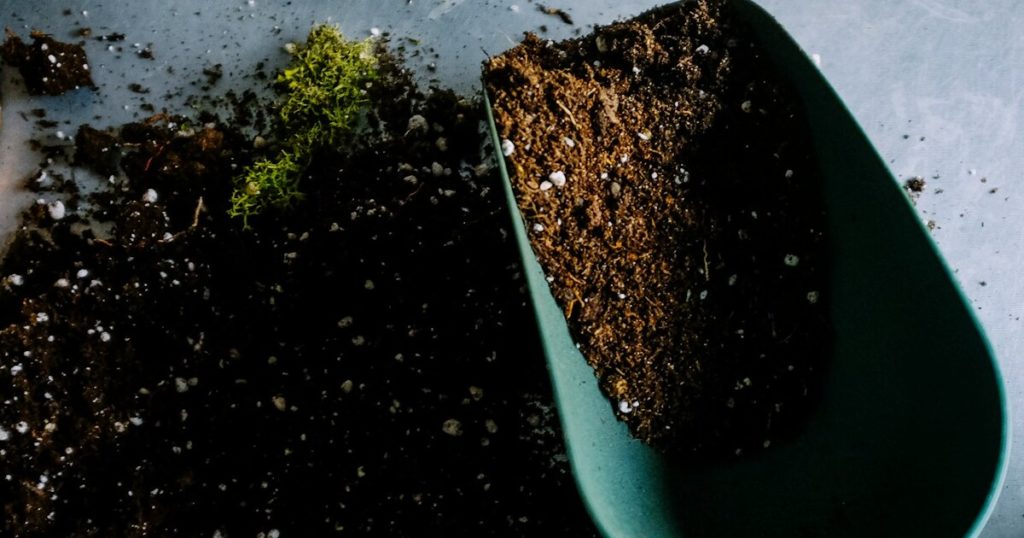
Proper soil preparation is essential for establishing a successful wildflower meadow. Start by removing any existing grass, weeds, or other vegetation. This can be done through methods such as tilling, solarization, or using a sod cutter. Removing existing vegetation reduces competition and allows your wildflowers to establish more easily.
Once the area is cleared, loosen the soil to a depth of about six inches. This can be done with a garden fork or rototiller. Incorporate organic matter, such as compost or well-rotted manure, to improve soil fertility and structure. Rake the soil smooth and remove any large rocks or debris. Proper soil preparation creates an ideal environment for seed germination and plant growth.
Sow the Seeds

Sowing wildflower seeds correctly is crucial for a successful meadow. Mix your seeds with a carrier, such as sand or vermiculite, to help distribute them evenly. Broadcast the seed mixture over the prepared soil, ensuring even coverage. Lightly rake the soil to cover the seeds with a thin layer of soil, no more than a quarter-inch deep.
Water the seeded area gently but thoroughly to settle the soil and initiate germination. Keep the soil consistently moist until the seeds germinate and the seedlings become established. Depending on the species, germination can take anywhere from a few days to several weeks. Patience is key during this stage, as wildflowers can take time to establish.
Mulch and Protect
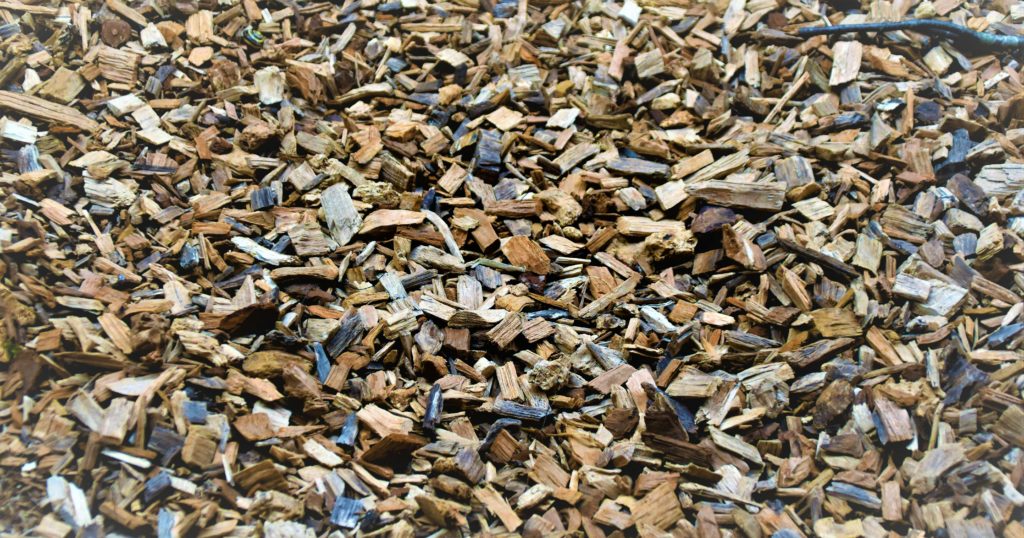
Applying a light layer of mulch can help retain soil moisture and protect your wildflower seeds from being washed away or eaten by birds. Straw, pine needles, or a thin layer of shredded leaves can serve as effective mulch. Avoid using heavy mulches that can smother the seeds and inhibit germination.
If you’re concerned about birds or other wildlife disturbing your seeds, consider using a floating row cover or bird netting until the seedlings are well established. These protective measures ensure that your seeds have the best chance of germinating and growing into healthy plants.
Watering and Initial Care

During the establishment phase, consistent watering is crucial. Water the meadow regularly to keep the soil evenly moist but not waterlogged. As the seedlings grow, gradually reduce the frequency of watering to encourage deep root development. Once the plants are established, they will be more drought-tolerant and require less frequent watering.
Keep an eye out for weeds and remove them promptly to reduce competition for resources. Hand-pulling is often the most effective method for weed control in a wildflower meadow. Regular monitoring and maintenance during the first year will help your meadow become well-established and self-sustaining.
Encourage Self-Seeding

To ensure your meadow continues to thrive year after year, encourage self-seeding by allowing some of the flowers to go to seed. As the flowers fade and seed heads form, resist the urge to deadhead or mow the meadow too early. Allowing the plants to complete their life cycle and drop their seeds will help establish a self-sustaining meadow.
Consider lightly disturbing the soil in the fall or early spring to encourage seed-to-soil contact and promote germination. This can be done with a garden rake or by lightly walking over the meadow. Encouraging self-seeding helps maintain the diversity and density of your wildflower meadow over time.
Managing the Meadow

Once your wildflower meadow is established, ongoing management is relatively simple. In late fall or early spring, mow the meadow to a height of about six inches to control woody plants and encourage new growth. Remove the clippings to prevent them from smothering the plants and to reduce the buildup of organic matter.
Periodic monitoring for invasive species is also important. Invasive plants can outcompete native wildflowers and disrupt the balance of your meadow. Remove any invasive species promptly to protect the integrity of your wildflower ecosystem. With proper management, your meadow will continue to provide beauty and habitat for years to come.
Benefits of a Wildflower Meadow

Creating a wildflower meadow in your yard offers numerous benefits. Native wildflowers provide essential habitat and food sources for pollinators, birds, and other wildlife. They contribute to biodiversity and support the health of local ecosystems. Additionally, wildflower meadows require less maintenance and fewer resources compared to traditional lawns, making them an eco-friendly choice.
Wildflower meadows also enhance the aesthetic appeal of your yard with their vibrant colors and diverse textures. They create a natural, picturesque landscape that changes with the seasons. By starting a wildflower meadow, you contribute to environmental conservation while enjoying the beauty and tranquility of a natural garden.