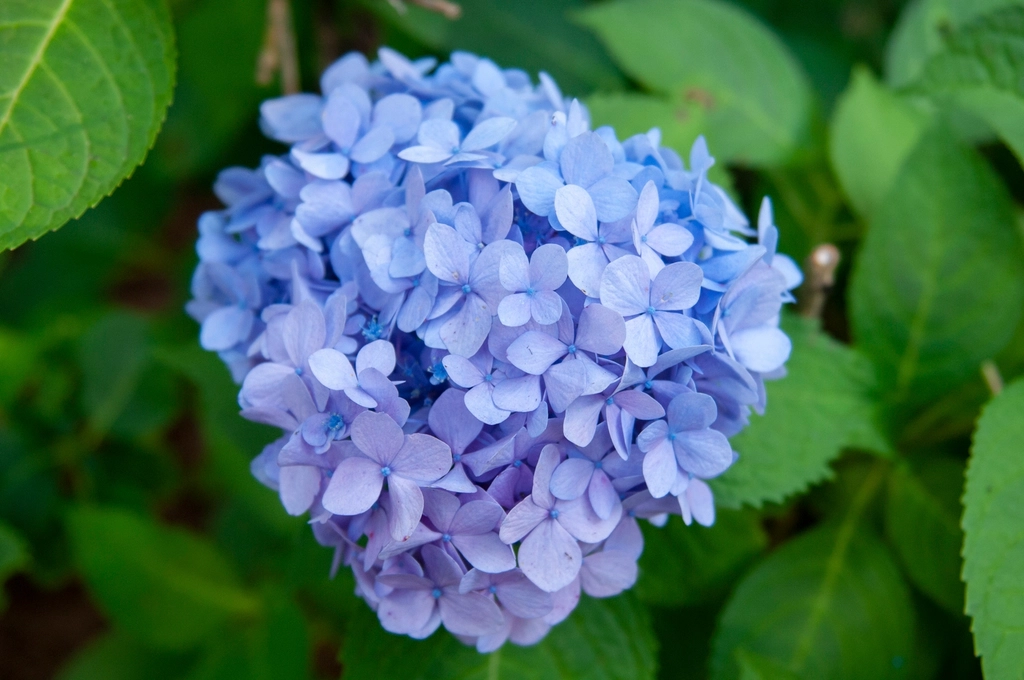

What Bud Blast Actually Means
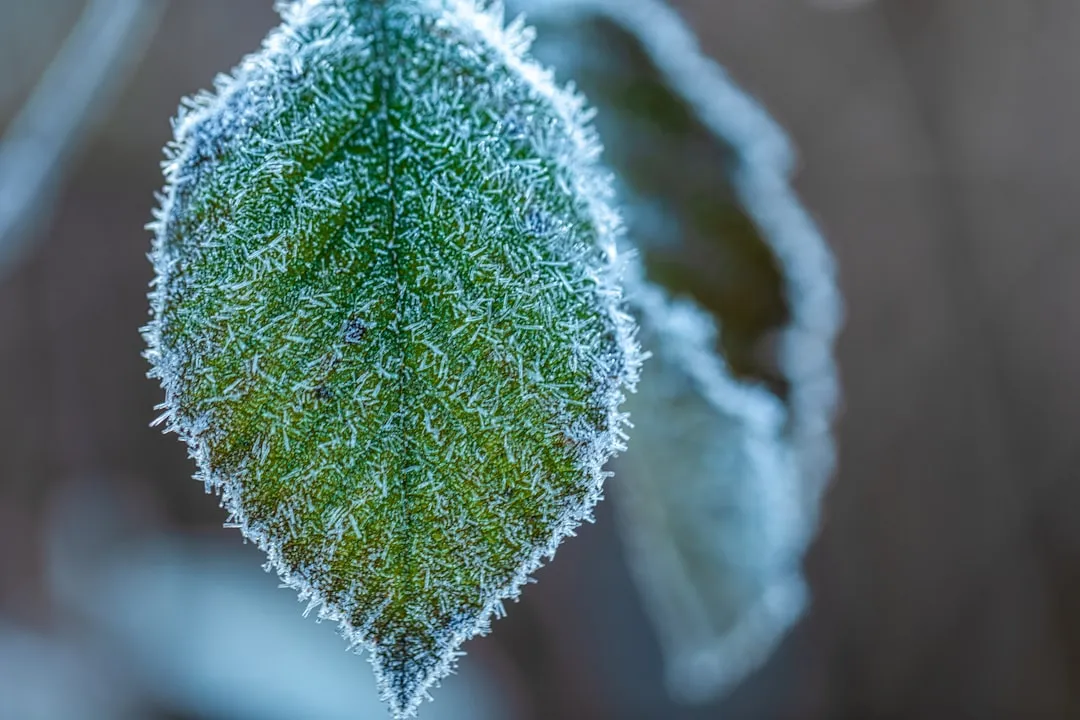
Bud blast refers to the death of flower buds after they’ve already formed, usually caused by a sudden freeze hitting tissue that’s already swollen with moisture and beginning to grow. It isn’t a disease or a pest problem, which is part of why it confuses so many gardeners. Once dormancy is broken, flower buds on the stems are also vulnerable to frost or freeze damage, and that might not be as evident as the singed edges or distorted-leaf symptoms on expanding foliage. The plant survives, the roots are fine, but that season’s flower show is quietly over before it started.
Why Old Wood Varieties Take the Hit
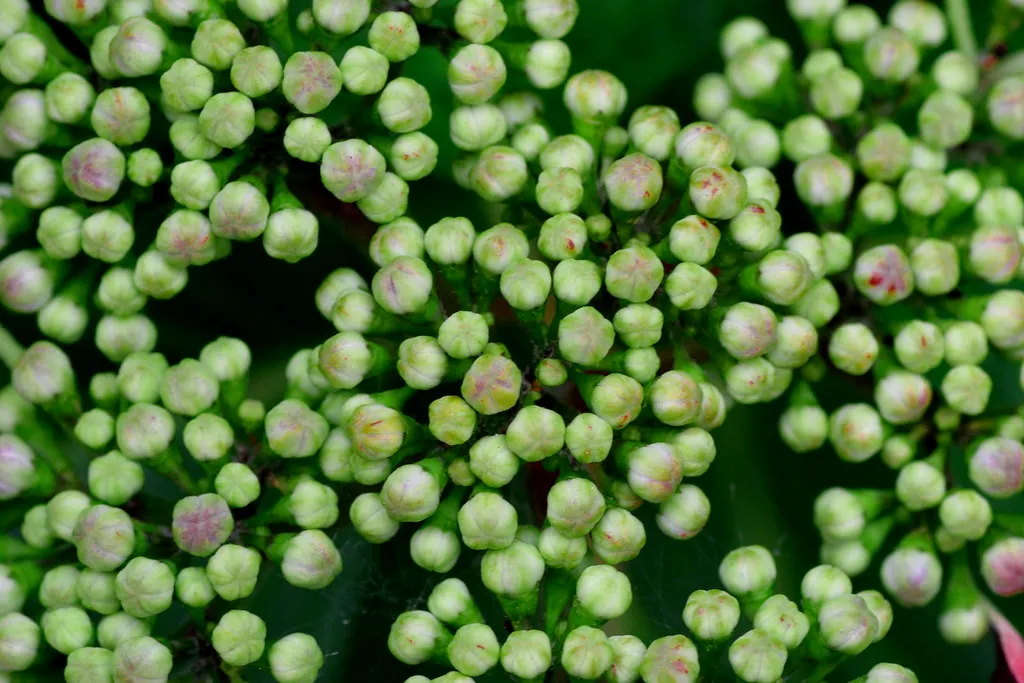
Not every hydrangea is equally vulnerable, and understanding why comes down to when the buds actually form. Hydrangea macrophylla, Hydrangea serrata, and Hydrangea quercifolia bloom on old wood, meaning they develop flower buds on stems from the previous season. Those buds sit exposed on bare stems through the entire winter and into spring, waiting for warmth. These hydrangeas create their flower buds during the late summer and early fall of the previous year, and the buds remain dormant on the bare stems all winter long, becoming the very first to break dormancy when spring arrives.
The Temperature Window That Matters Most
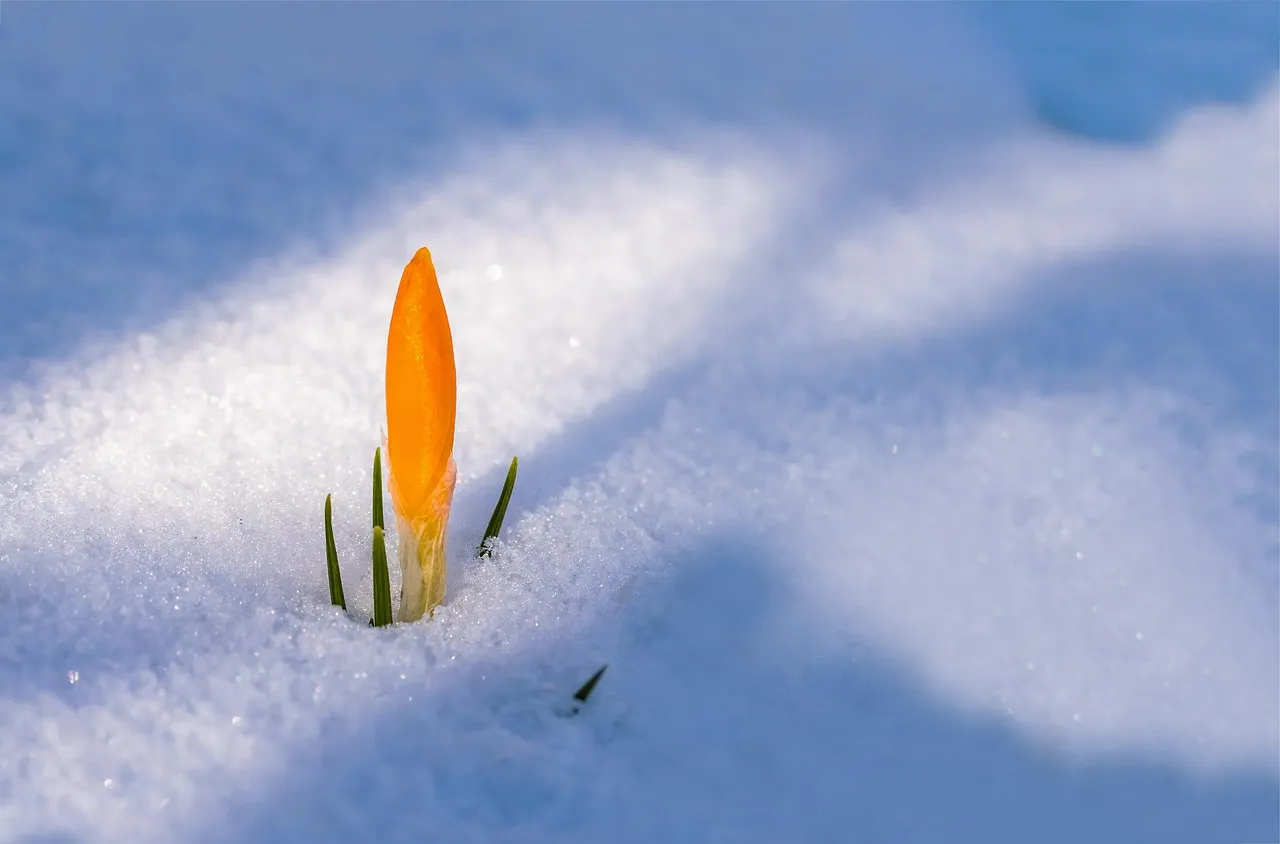
Bud blast doesn’t require a brutal winter freeze. It’s the borderline temperatures in spring, right around the freezing mark, that do the real damage. Late spring frosts between 31°F and 35°F damage actively growing tissue that’s full of water, destroying buds that survived the entire winter, and this kind of damage doesn’t happen in January but in April or May, just as hydrangeas are breaking dormancy and new buds are swelling. Once a bud has been tricked into swelling by a warm stretch, it loses much of its natural cold tolerance almost overnight.
Spotting the Early Warning Signs
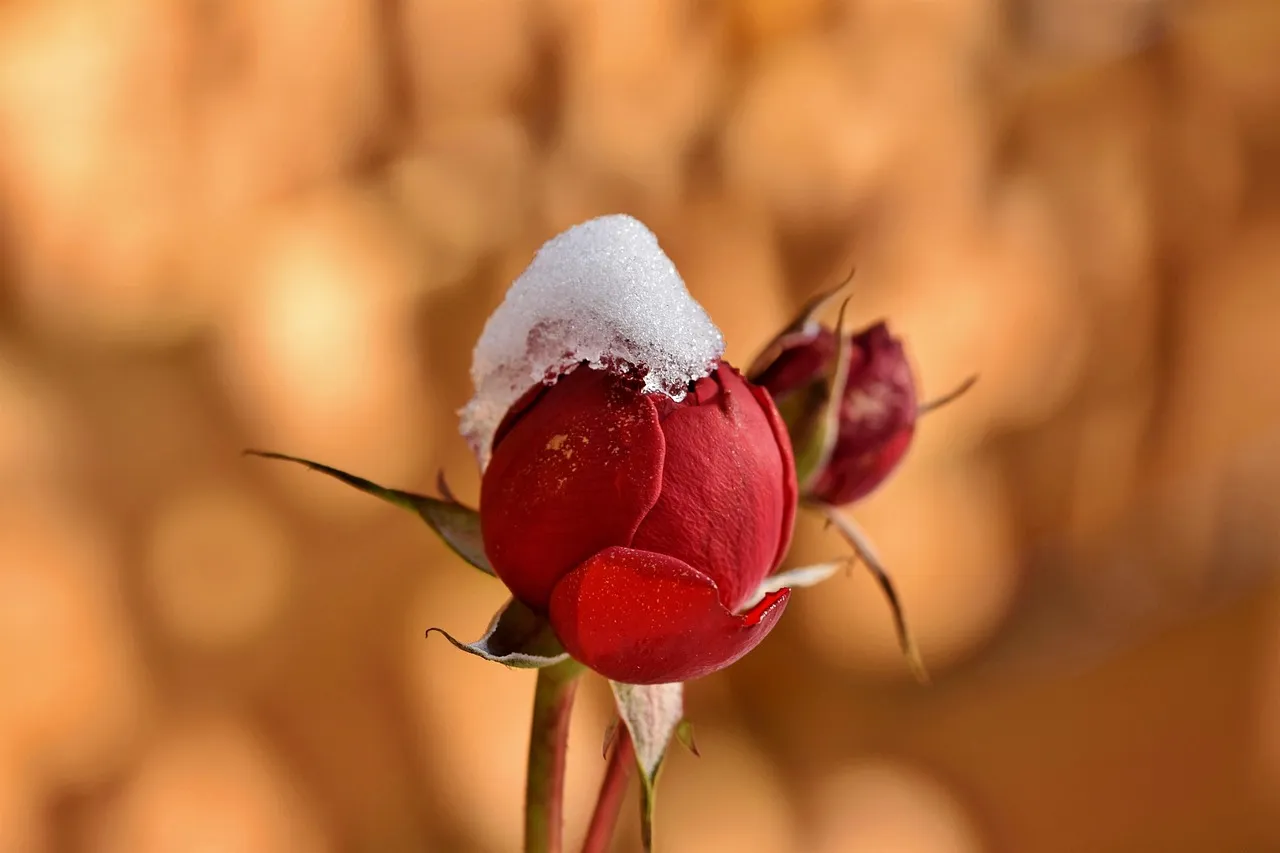
Catching bud blast early means knowing what damaged tissue actually looks like, since it isn’t always obvious. Developing flower buds that have been hit by frost might appear mushy, brown, or black and fail to open, and this is especially true for buds on old wood. Foliage tells its own story too. Foliage that has been frost damaged will turn purple or reddish, it may wilt or collapse, and in a hard freeze the stems, buds and foliage can turn black and dry looking.
Choosing a Site That Works in Your Favor
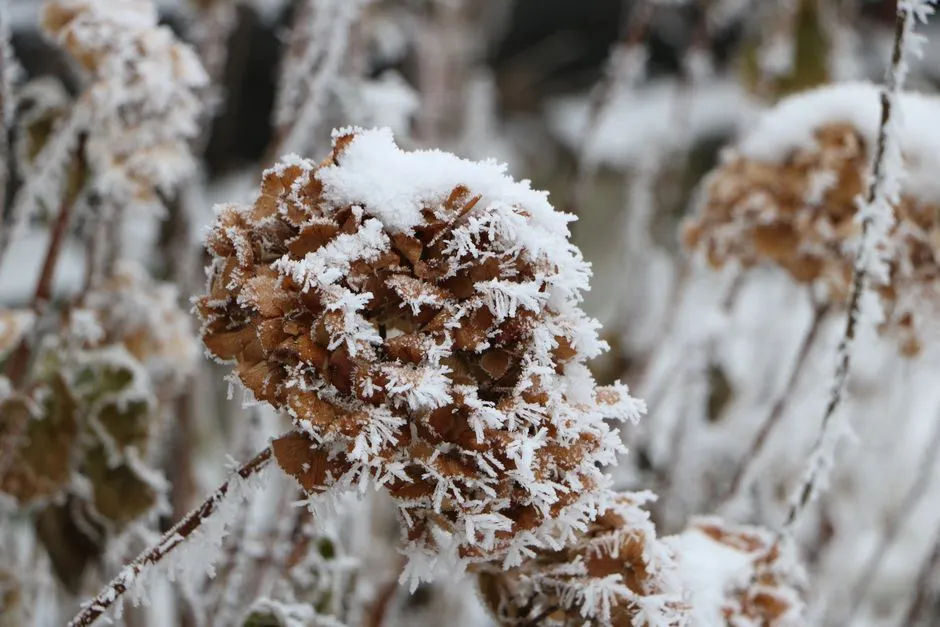
A surprising amount of bud blast risk gets decided at planting time, long before any frost warning appears. Where you choose to site a new hydrangea has a real bearing on whether it will be frost damaged, and placing it in a sheltered spot, such as the lee of a structure, can prevent much of that damage. Oddly enough, a spot that seems warm can backfire. Bigleaf hydrangea tends to leaf out as soon as the weather warms in spring, often too early to avoid frost damage in years with fluctuating temperatures, and this early emergence is encouraged when plants grow near warmth retaining materials like a stone wall or house wall.
Covering Plants Before a Predicted Freeze
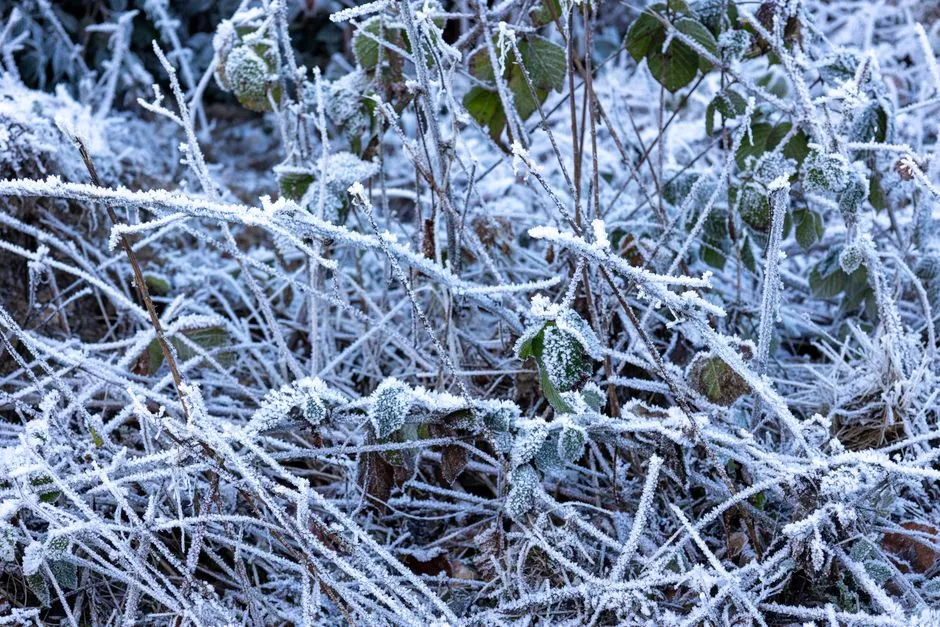
When a frost warning shows up in the forecast, timing the cover matters almost as much as using one. Put covers on in the late afternoon or early evening as the sun begins to set, which helps trap daytime warmth, and just as important, remove the covers the next morning after the sun rises and the frost has melted. Skipping that removal step can do its own kind of damage. Leaving hydrangeas covered on a warm, sunny spring day can cause them to overheat, build up moisture, and wake from dormancy too quickly, leaving them weaker and more vulnerable to the next frost. Securing the edges properly also makes a real difference, since the cover must extend all the way to the soil and be firmly secured, because if the bottom stays open, cold air will move inside while warmth from the ground escapes through the top.
Mulch as a Simple Insurance Policy
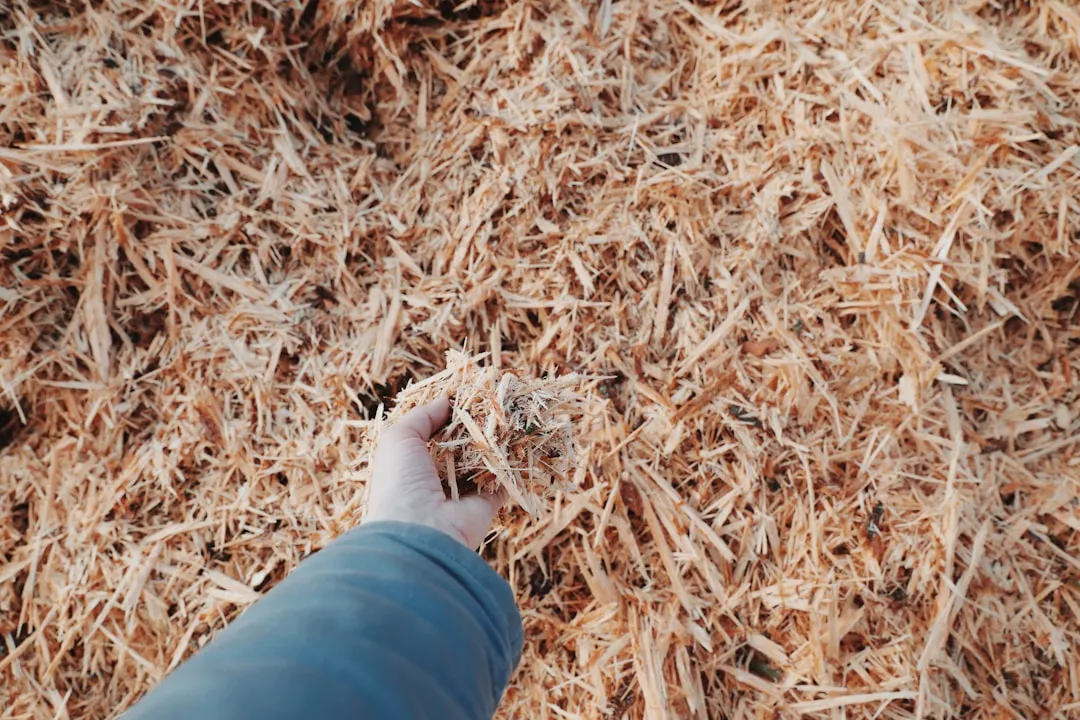
Mulch won’t stop a hard freeze on its own, but it steadies soil temperature and moisture in a way that helps the whole plant cope with stress. Mulching the area around the base of plants in fall with several inches of compost, leaves, or straw helps insulate roots. That insulation matters most for younger, less established shrubs, which have less reserve energy to fall back on if buds are lost. Consistent moisture through mulch also supports recovery if damage does happen, since stressed plants pull through faster when they aren’t also fighting drought.
Resisting the Urge to Prune Too Soon
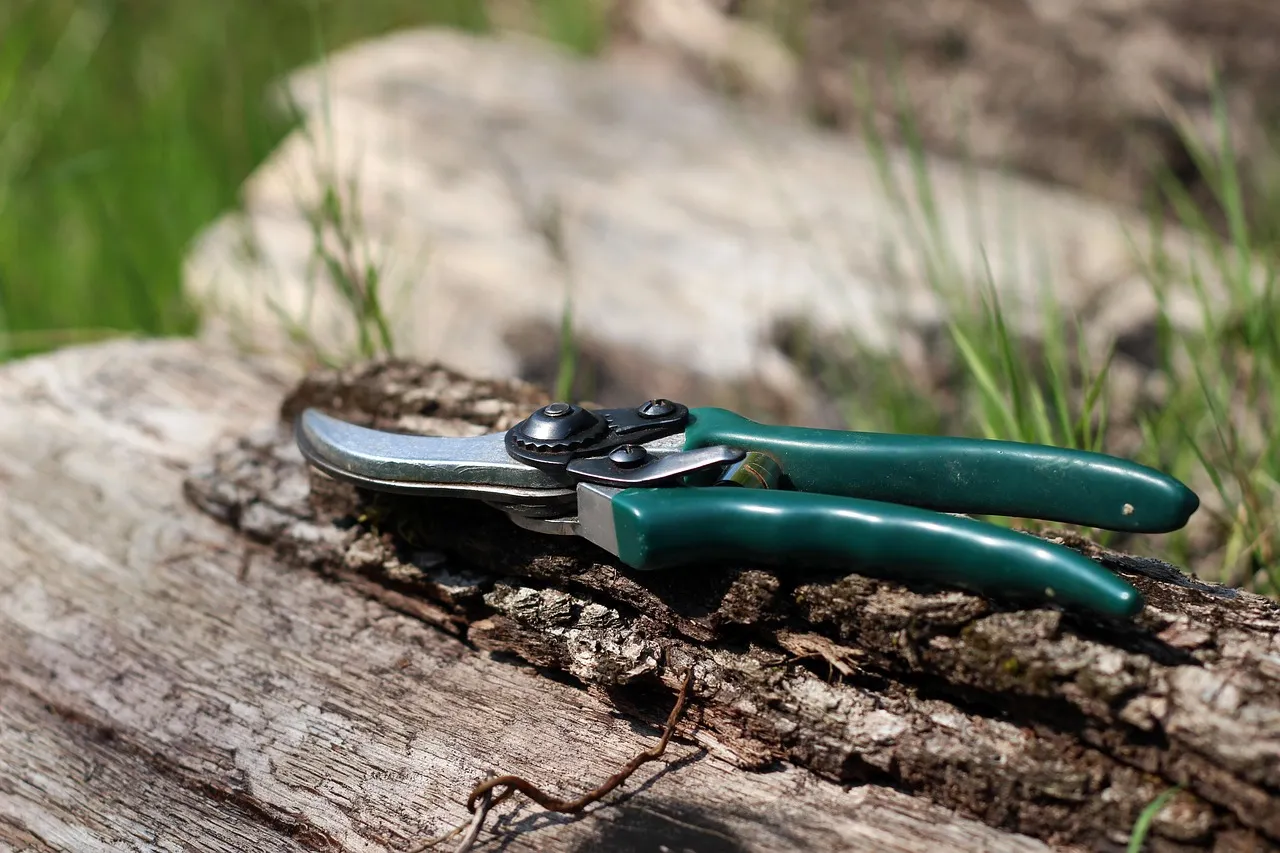
After a freeze scare, the instinct to grab pruning shears and tidy things up is strong, but acting fast usually backfires. It’s important not to prune away dead or damaged material until all risk of frost has definitely passed, because pruning too quickly exposes new parts of the plant to further damage if another freeze strikes, and it also saps the plant’s energy at a time it needs to recover. Gardening extension experts echo this same caution. The recommended approach is to wait until the danger of further frost has completely passed, usually a week or two, since pruning too early can stimulate new, tender growth that would be even more vulnerable to another cold snap.
Considering New Wood or Reblooming Varieties

If bud blast has become a recurring headache in your garden, changing what you plant is often more effective than fighting the weather every spring. Panicle hydrangea and smooth hydrangea bloom on the current season’s growth, are pruned in late winter or early spring as plants break dormancy, and can tolerate more aggressive pruning. These types set their buds later in the season, well after the risky window has closed. There are also middle ground options. Reblooming varieties such as the Let’s Dance series or Endless Summer bloom on both old and new wood, and require no pruning except to trim out dead, damaged, or diseased branches as needed.
Helping Damaged Plants Recover That Same Season
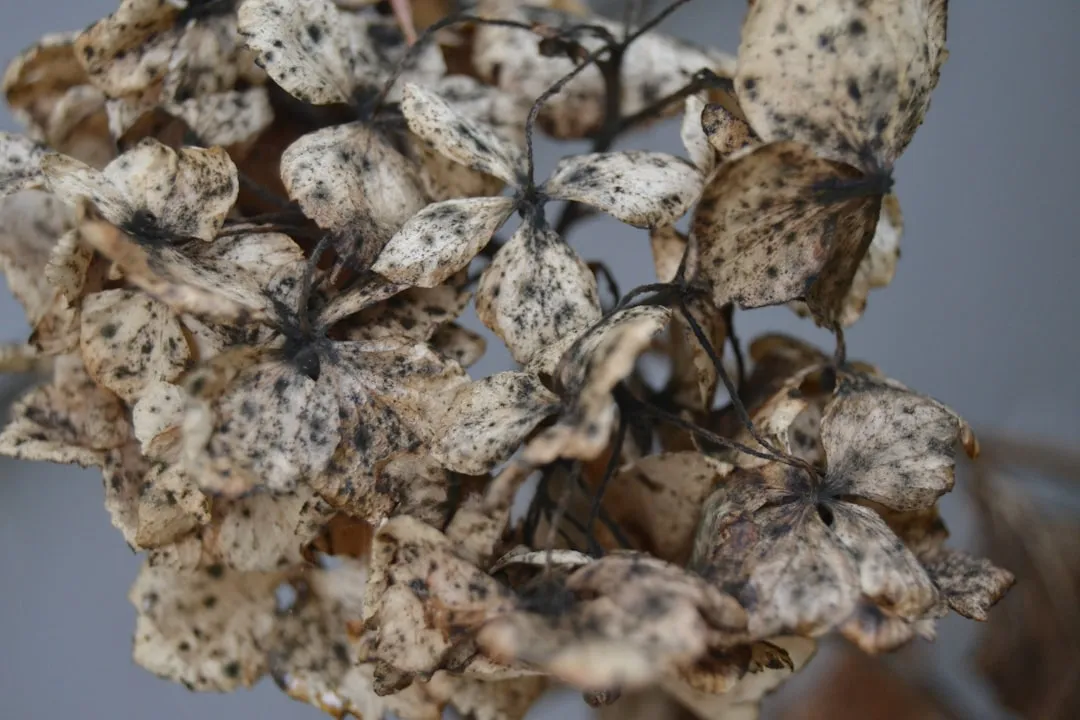
If a freeze does get through and buds are lost, the situation usually isn’t as final as it looks. A late frost can kill new buds, but it will start the process of budding out all over again, just much later than usual. The key is patience paired with steady basic care. After any pruning that does happen, consistent watering is important, especially during dry spells, and a layer of organic mulch can help retain soil moisture and regulate soil temperature, aiding in recovery. Most hydrangeas prove tougher than their sad, blackened appearance suggests right after a frost event.
Bud blast is frustrating precisely because it happens quietly, weeks before the disappointment shows up in the form of an empty, leafy shrub. There’s no single fix that guarantees a bloom every year, especially in regions where spring temperatures swing wildly from one week to the next. Still, a bit of planning around planting site, timely covering, and knowing when to leave the pruning shears in the shed can shift the odds considerably in your favor. For gardeners who’ve lost patience with the gamble entirely, switching toward new wood or reblooming varieties remains the most reliable long term insurance against another empty summer.AI Disclaimer: This article was created with the assistance of AI tools and reviewed by a human editor.