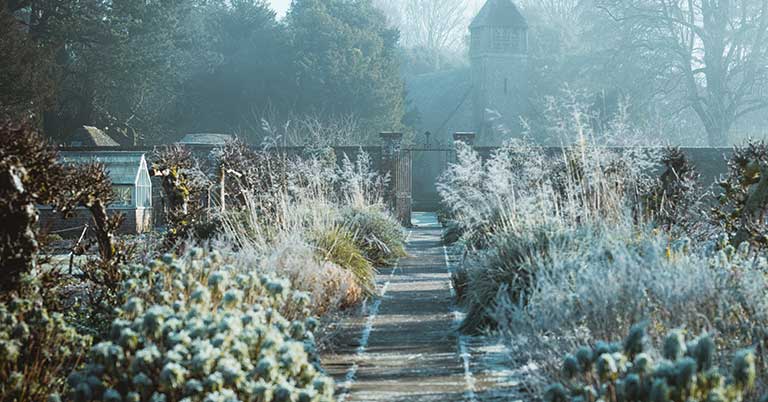

Oh, the joys of gardening as the seasons change! But there’s always that looming dread of the first frost sneaking up on us, nipping at our precious plants before we’re ready. I totally get it—seeing your vibrant garden succumb to a surprise frost can be disheartening, especially when you’ve put so much effort into it! But don’t worry, we can outsmart the frost together. With a bit of planning and some handy tricks, you can keep your garden looking lush and alive, even as the temperatures drop unexpectedly.
Protecting your plants from early frost is all about timing and choosing the right methods. From covering your delicate greens with old sheets or frost cloths to mulching heavily around roots, there are numerous ways to shield your garden from those sneaky cold snaps. And trust me, it’s not just about throwing a blanket over your plants (though that does help!); it’s about understanding which plants need that extra love and which ones can tough it out. So let’s dive in and chat about how to keep those beautiful plants safe, shall we?
Watering Wisely Before Frost

One of the best-kept secrets to protecting your plants from frost is to water them the day before the cold hits. It might sound counterintuitive, but moist soil actually retains heat better than dry soil! By giving your plants a good soak, you’re essentially storing up warmth in the ground that will slowly release throughout the night, keeping your plants a tad warmer. Think of it like giving your plants a cozy heated blanket—except the warmth comes from the earth itself.
But don’t go overboard! The key is in moderation. Overwatering can lead to problems like root rot, especially if your plants are already vulnerable from the cold. A gentle, thorough watering is all they need to stand a better chance against that frosty chill. I always find this little trick to be so satisfying because it’s simple, yet so effective. Plus, it’s something you can do even if you don’t have frost covers on hand.
Use Mulch as a Cozy Blanket

Mulch is a gardener’s best friend when it comes to protecting plants from the cold. Not only does it help retain soil moisture and suppress weeds, but it also acts like a warm, insulating blanket for your plant roots. I’ve seen so many gardens thrive with a good layer of mulch, especially when the temperatures start to dip unexpectedly. It’s a must-do in my book, particularly for plants that are native to warmer climates and might struggle in the cold.
I like to use straw, shredded leaves, or even bark mulch, depending on what’s available. A thick layer around the base of your plants can keep the soil temperature more stable and protect those tender roots from freezing. It’s especially helpful for perennials and young shrubs that haven’t fully established themselves. And let’s be honest, who doesn’t love the look of a freshly mulched garden bed? It’s like wrapping your plants in a big, warm hug!
Cloches and Covers: Your Frost Shield

Cloches and row covers are like mini greenhouses for your plants, trapping warmth and protecting them from harsh frosts. If you’re anything like me, you’ve probably fashioned a makeshift cloche out of a clear plastic bottle at least once! And while that’s a fun, quick fix, investing in some proper frost cloths or row covers can really make a difference. They’re easy to use, too—just drape them over your plants before sunset and remove them in the morning once the frost threat has passed.
For the extra delicate plants, you might even consider making a little tent with sticks or wire hoops to keep the covers from touching the foliage directly. This setup helps prevent any freeze burn from the cold fabric pressing against the plants. One thing I always remind myself is to secure the edges well; a gust of wind can undo all your hard work if the covers blow away in the night!
Embrace the Power of Cold Frames

Cold frames are another fantastic way to extend your growing season and shield plants from early frost. Think of them as mini greenhouses—sturdy structures with a transparent top that captures sunlight and keeps your plants warm and cozy. They’re particularly great for veggies like lettuce, spinach, and herbs that can handle a bit of chill but need protection from the worst of the frost. Setting up a cold frame can be a bit of an investment, but it pays off when you’re still harvesting fresh greens after the first frost!
What I love about cold frames is their versatility. You can buy a ready-made one, build your own with some old windows and scrap wood, or even just lay a clear plastic panel over a raised bed. The key is to make sure there’s enough ventilation during sunny days to prevent overheating. It’s all about finding that sweet spot where your plants are protected but still getting the fresh air they need.
Timing is Everything: Watch the Forecasts

One of the best habits to get into as a gardener is checking your local weather forecast regularly, especially as the season changes. Early frosts can catch even the most seasoned gardeners off guard, and there’s nothing worse than waking up to find your beloved plants covered in ice crystals! I usually set a reminder to check the forecast in the evenings, giving me enough time to take any protective measures if temperatures are predicted to drop overnight.
But beyond just checking temperatures, keep an eye on wind speeds and cloud cover, too. A clear, calm night is the perfect recipe for frost since there’s nothing to stop the ground heat from escaping. Wind and clouds, on the other hand, can help keep frost at bay. Knowing these little details can really help you plan the best course of action for your garden. After all, a well-informed gardener is a successful gardener!
Move Your Containers Indoors

For those of us with container gardens, the solution can be as simple as moving your pots indoors or to a sheltered spot when frost is in the forecast. It’s one of the perks of growing in containers—you have the flexibility to move your plants away from the cold and into a more protected space. Even a temporary move to a garage, shed, or enclosed porch can make all the difference for those tender plants that just aren’t up for a cold night outside.
But don’t forget to acclimate them slowly when moving them back outdoors! Sudden changes in temperature can stress your plants, so it’s best to transition them gradually. I’ve made the mistake of rushing this step before, and let me tell you, it’s not fun to see your plants sulk! A little patience goes a long way in keeping them healthy and happy through the temperature swings.
Warm Up with a Hot Bed or Heat Lamps
If you’re really serious about protecting your plants from frost, consider adding some heat to the mix with a hot bed or heat lamps. Hot beds, which use heating cables or even manure to generate warmth, are fantastic for keeping your soil nice and toasty. They’re particularly useful for starting seeds early or protecting tender perennials that need a bit of extra love. On the other hand, heat lamps can provide that little bit of extra warmth for your greenhouse or cold frame during especially frigid nights.
Just make sure to use heat sources safely—no one wants a fire hazard in the garden! Keep your setup secure and make sure any electrical components are rated for outdoor use. I’ve found that even just a few degrees of added warmth can make a big difference in protecting your plants, and it’s one of those steps that makes you feel like you’ve got a secret edge over the frost. Plus, who doesn’t love the cozy glow of a garden heat lamp on a chilly night?
By layering these methods and keeping a close watch on the weather, you’ll be well-equipped to fend off those early frosts and keep your garden thriving longer. It’s all about being prepared, staying flexible, and knowing your plants’ needs.