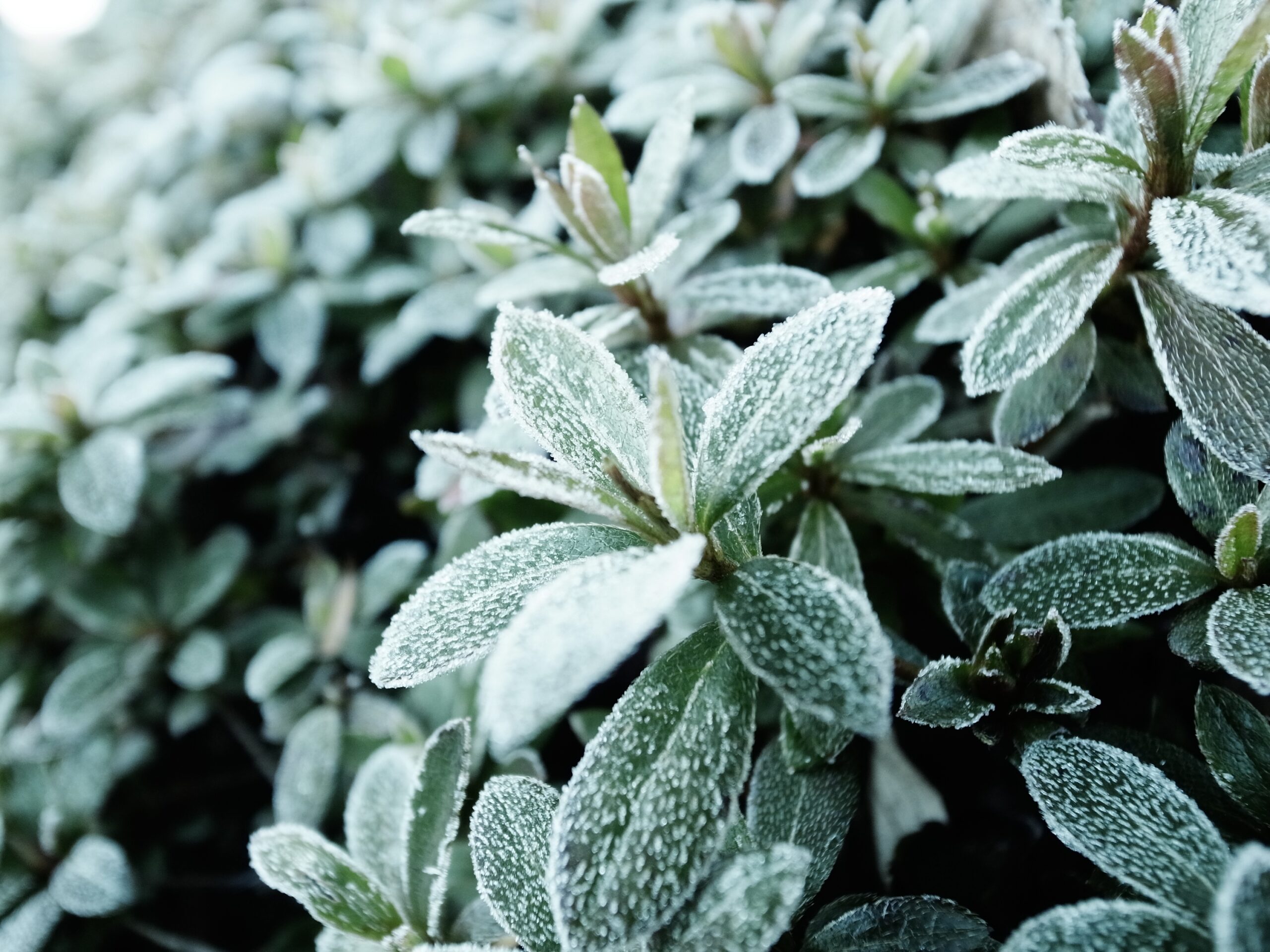

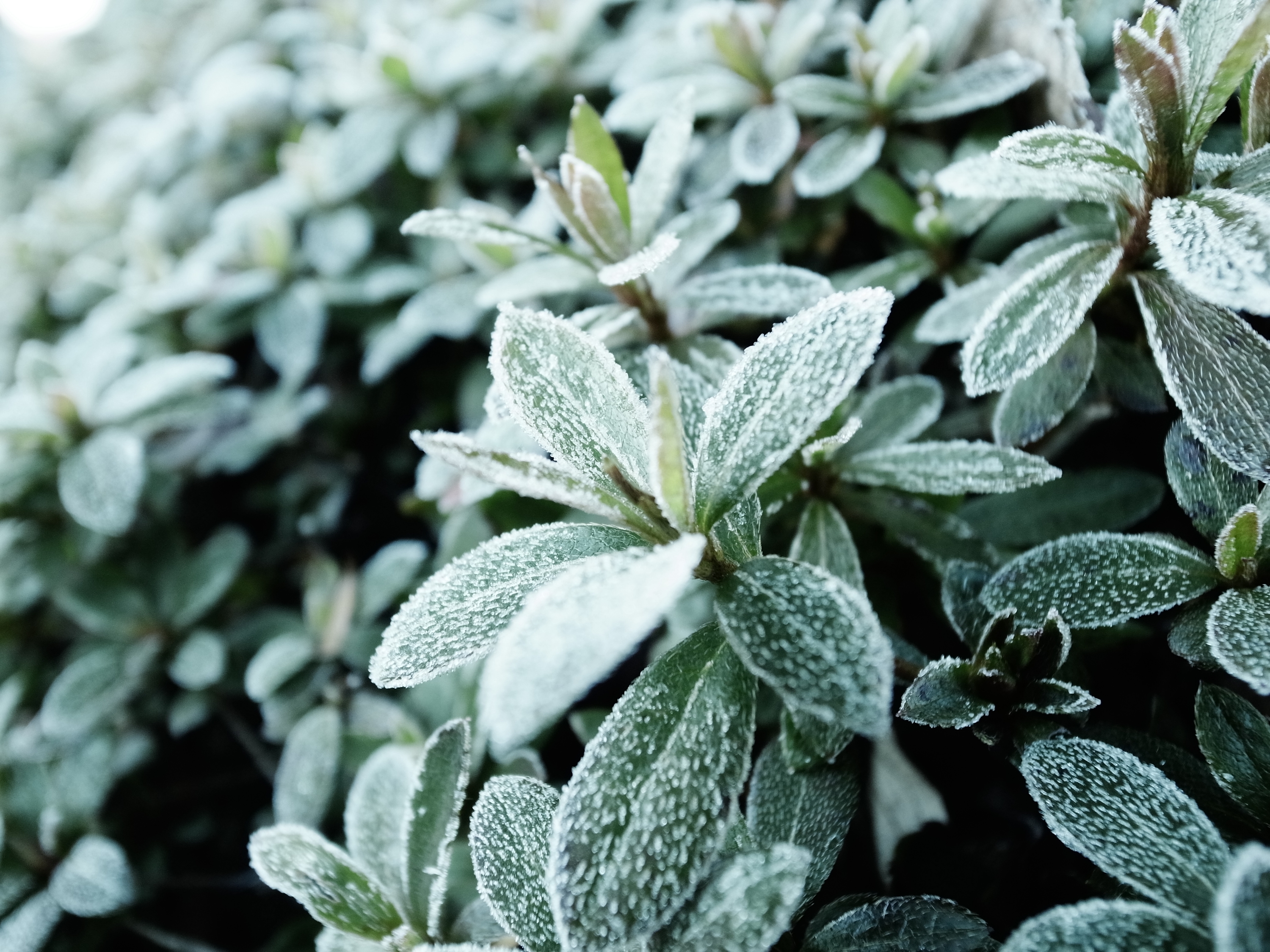
Spring is a season of promise in the backyard orchard. Blossoms open, bees begin working, and for a few weeks everything seems right. Then a single overnight frost can undo all of it. The problem is not just a cold snap; it’s the timing.
Fruit trees are most vulnerable to frost during the spring thaw, not the dead of winter. During dormancy, trees are naturally insulated against the cold. The real danger begins as they break dormancy, producing buds, shoots, and flowers. At that exact moment, a backyard orchard is more fragile than most growers realize, and the window for damage is surprisingly narrow.
Why Late Frost Is More Dangerous Than Winter Cold
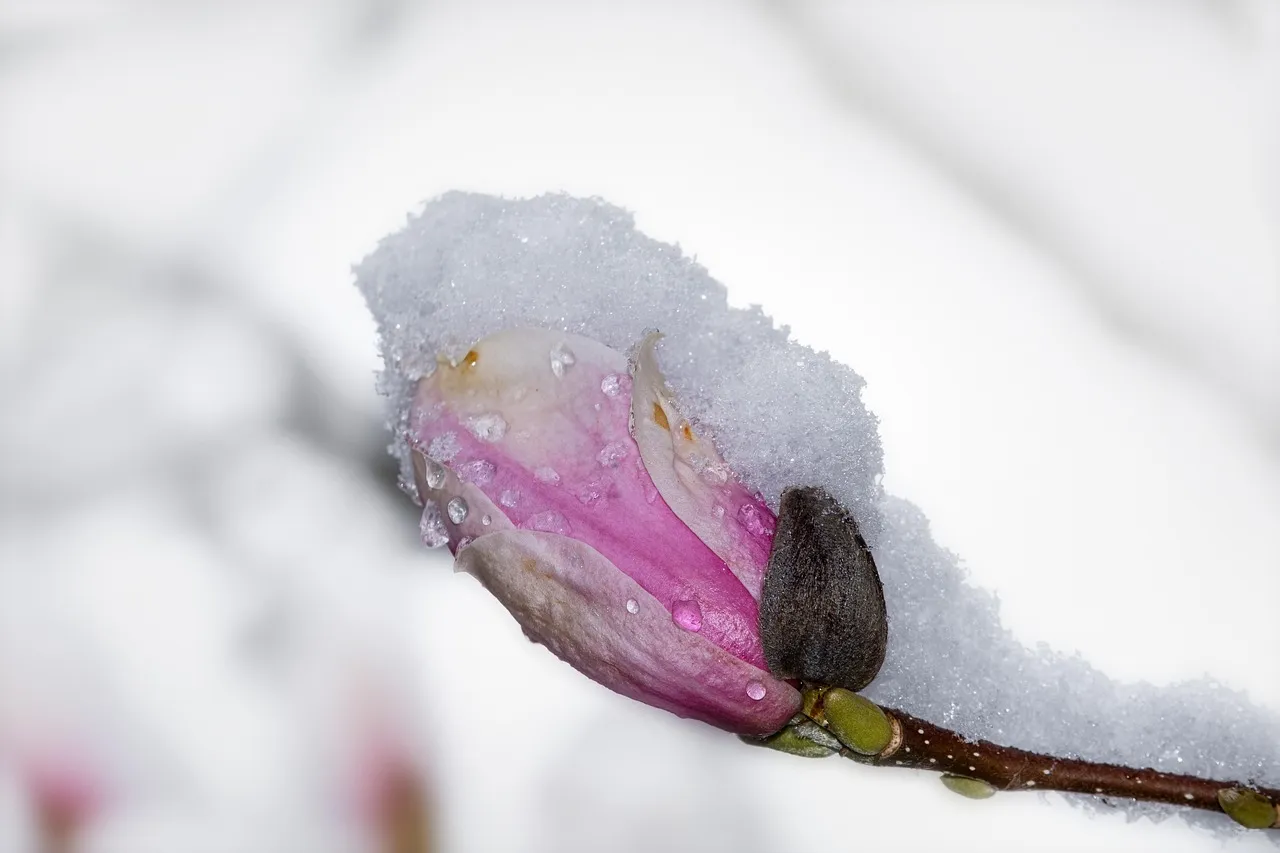
There’s a counterintuitive truth about orchard frost damage: the deadliest frosts don’t come in January. Frost events during early spring flower bud development can cause crop loss ranging from minor quality reduction to total crop failure, and these events seem to be occurring more frequently, driven by warmer spring temperatures pushing bud growth earlier and making blossoms more vulnerable.
Spring frost damage poses a major threat to fruit production in temperate climates, which has become more severe in some regions due to climate change. Management techniques to prevent or mitigate such damage are expensive and their effectiveness often variable.
Recent climate warming is reflected in the advanced onset of spring phenological phases of fruit trees and so-called false springs, which manifests as an increased risk of trees being damaged by late frosts in the sensitive growing stage. In other words, a few warm days in February or March can trigger bud development weeks ahead of schedule, setting up a collision course with frost that would otherwise have been harmless.
Know the Critical Temperatures That Trigger Real Damage
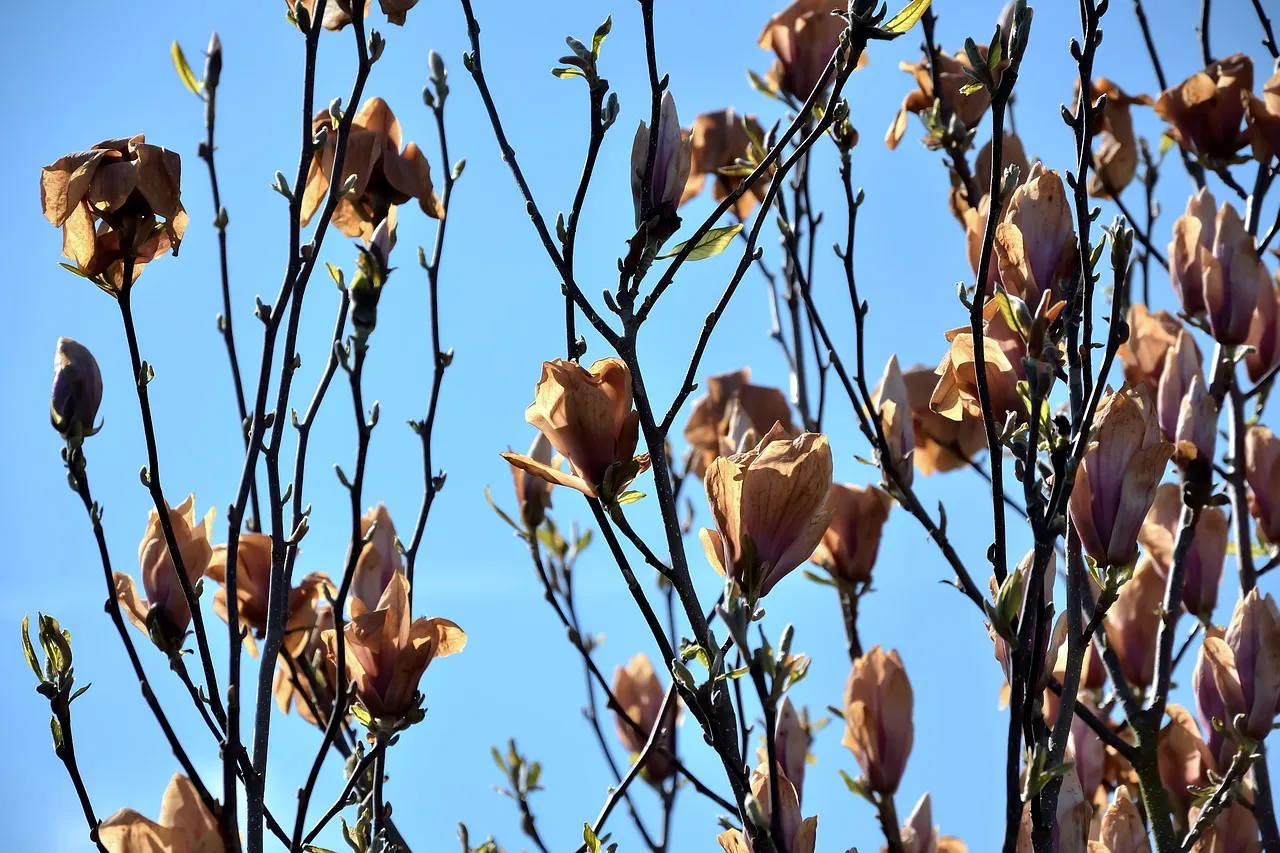
In the spring, flower damage is based on the critical temperature for flowers. That critical temperature is the one at which flowers or fruits will endure 30 minutes or less without injury, and in spring it can range from 24°F to 32°F. Many gardeners assume that 32°F is the only threshold worth watching, but by the time the thermometer reaches 32°F, damage may already be underway.
At or near the bloom stage, the critical temperature is roughly the same for almost all fruits and flowers. Freezing temperatures of 28°F will result in about a ten percent loss, while 24°F can cause roughly a ninety percent loss.
In an apple orchard, at 24°F, one can expect up to 90% crop loss at the ‘first pink’ stage, but only marginal to zero percent loss at the green tip stage at the same temperature. This is exactly why tracking bud development stage, not just the air temperature, is the real skill every backyard orchardist needs to develop.
The Scale of the Problem Is Real
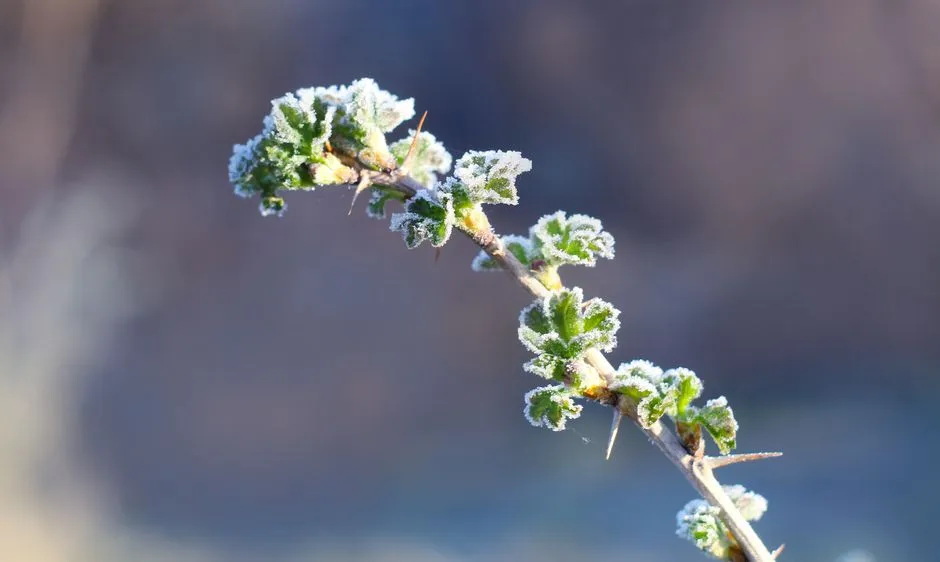
If you’ve ever lost a harvest to late frost, you’re in broad company. In 2018, Shaanxi province in China experienced an apple yield loss rate of nearly half attributed to spring frost events. Similarly, in 2012, the Geneva apple growing region west of New York witnessed an apple yield loss rate of nearly 50% due to a sequence of spring frost events.
A temperature drop to 27°F for just two hours can be long enough to kill fruit tree blossoms and damage growing fruit, with a brief frost capable of destroying several thousands of dollars’ worth of fruit. For a backyard grower, a loss like that doesn’t translate to a dollar figure so much as an entire season’s effort going to nothing.
In deciduous fruit trees, damage increases from the initial bud development to the small fruit stage, where crops are more sensitive to frost. Economic losses due to late frosts are not only caused by total crop loss, but also by the physiological damage suffered by the trees themselves. Recovery can take more than one season.
Choose the Right Tree Varieties From the Start
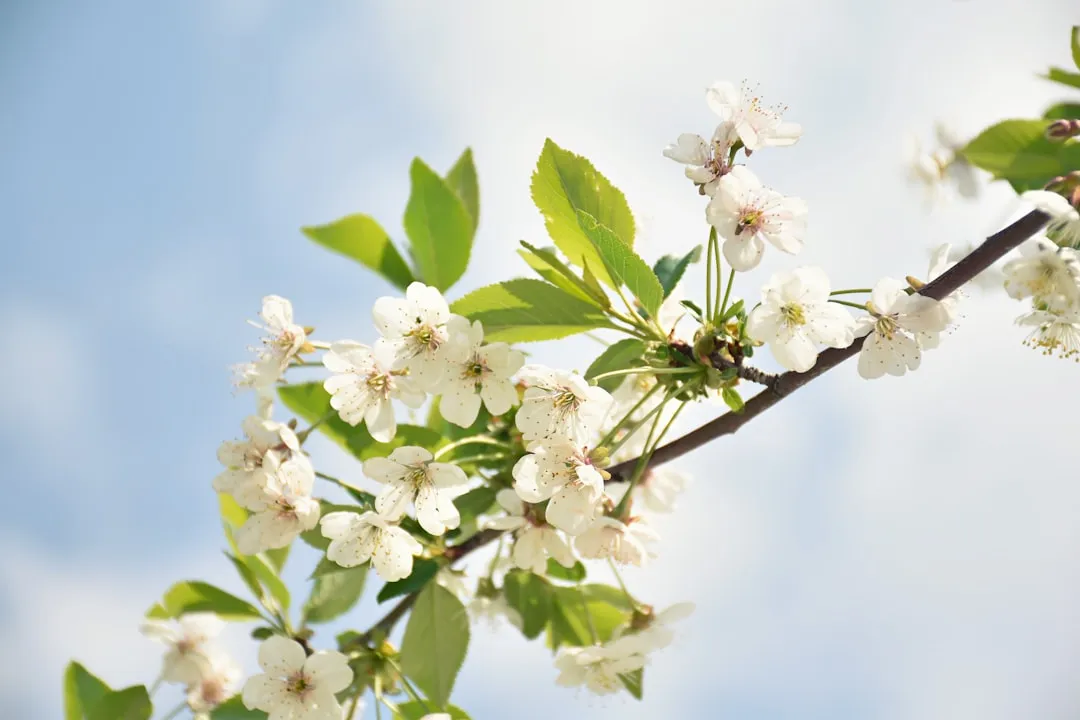
No protection method works better than planting the right tree in the first place. In general, for tree fruit and nut species, late-blooming and non-uniform varieties with some late flowers will have a better chance of producing a crop than uniform and early-blooming varieties. This single decision, made before the tree ever goes in the ground, can save years of frustration.
Puget Gold apricot is a cold-hardy, late-blooming variety developed for the cool, wet spring conditions of the Pacific Northwest. It produces medium to large, sweet, orange fruit with a firm texture and has a strong resistance to late frosts and disease. For cherries, sour cherries bloom later and have a longer blooming period than sweet cherries, and are less vulnerable to late frosts with consistently better crop reliability.
When planning your orchard, research and select fruit trees that are known for their cold hardiness and ability to withstand late spring frosts. For peaches, cold-hardy late-blooming cultivars such as Contender, Intrepid, and Reliance are frequently recommended for growers in frost-prone regions.
Select and Prepare Your Orchard Site Wisely
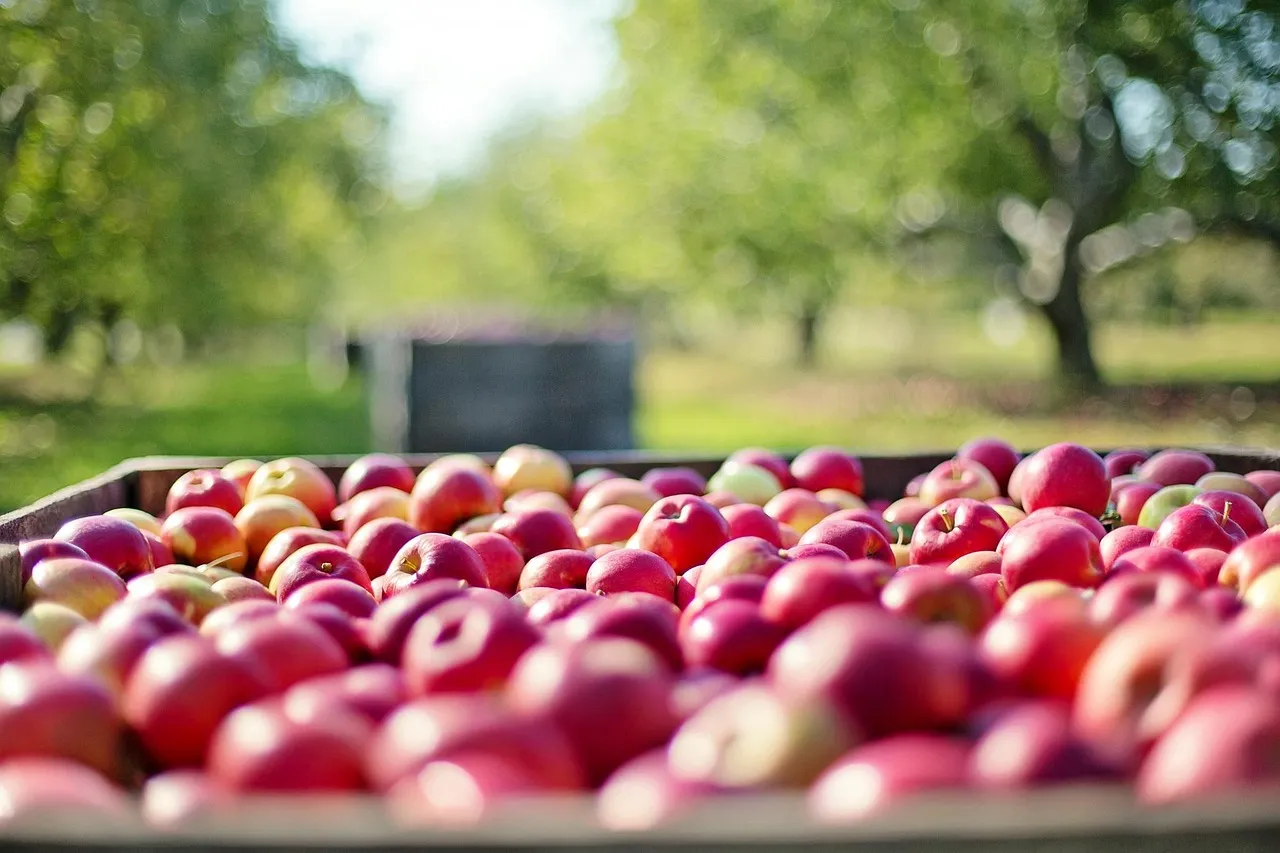
Cold air is heavier than warm air and naturally flows down to lower elevations. Orchards located at lower elevations will see more damage due to the collection of this cold air, which is why site selection is critical to avoid low-lying land. This is one of the most overlooked points in backyard orchard planning.
Planting fruit trees near a body of water, such as a lake or pond or even a swimming pool, can provide a degree of natural frost protection. Bodies of water moderate temperature extremes, releasing stored heat during cold nights and absorbing excess heat during the day.
Planting trees near south-facing walls is another passive option, as the wall absorbs heat during the day and radiates it back at night, creating a slightly warmer microenvironment for the trees. These are passive, cost-free advantages that compound over the entire life of the tree. Good site selection is the most economical and effective method of frost protection, and no frost protection mechanism can fully overcome poor site selection.
Use Frost Blankets and Row Covers Correctly
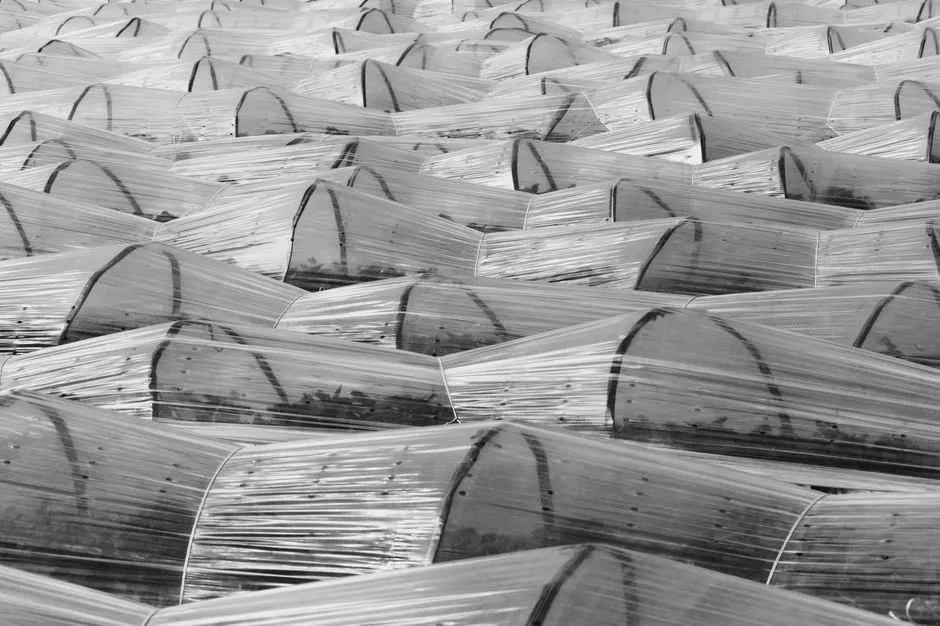
Frost blankets, also known as row covers or floating row covers, are lightweight fabrics that can be draped over fruit trees and other plants. They provide a few degrees of frost protection by trapping heat from the soil, though they are most effective when used in combination with other techniques.
Covering trees with cloth or burlap adds a physical insulation barrier to prevent frozen plant tissues, though covers typically require stakes or a metal cage to support the fabric and prevent it from pressing onto fragile buds and blooms. Direct contact between fabric and open blossoms can itself cause damage, so proper support matters.
Remove covers during the day once temperatures rise to prevent overheating and allow sunlight in. Breathable fabric such as fleece or spun-bonded material allows moisture to escape and reduces the risk of overheating on sunny days. Leaving plastic or heavy covers on into a warm morning can actually scald the very buds you were trying to save.
Maximize Soil Heat Retention Before a Frost
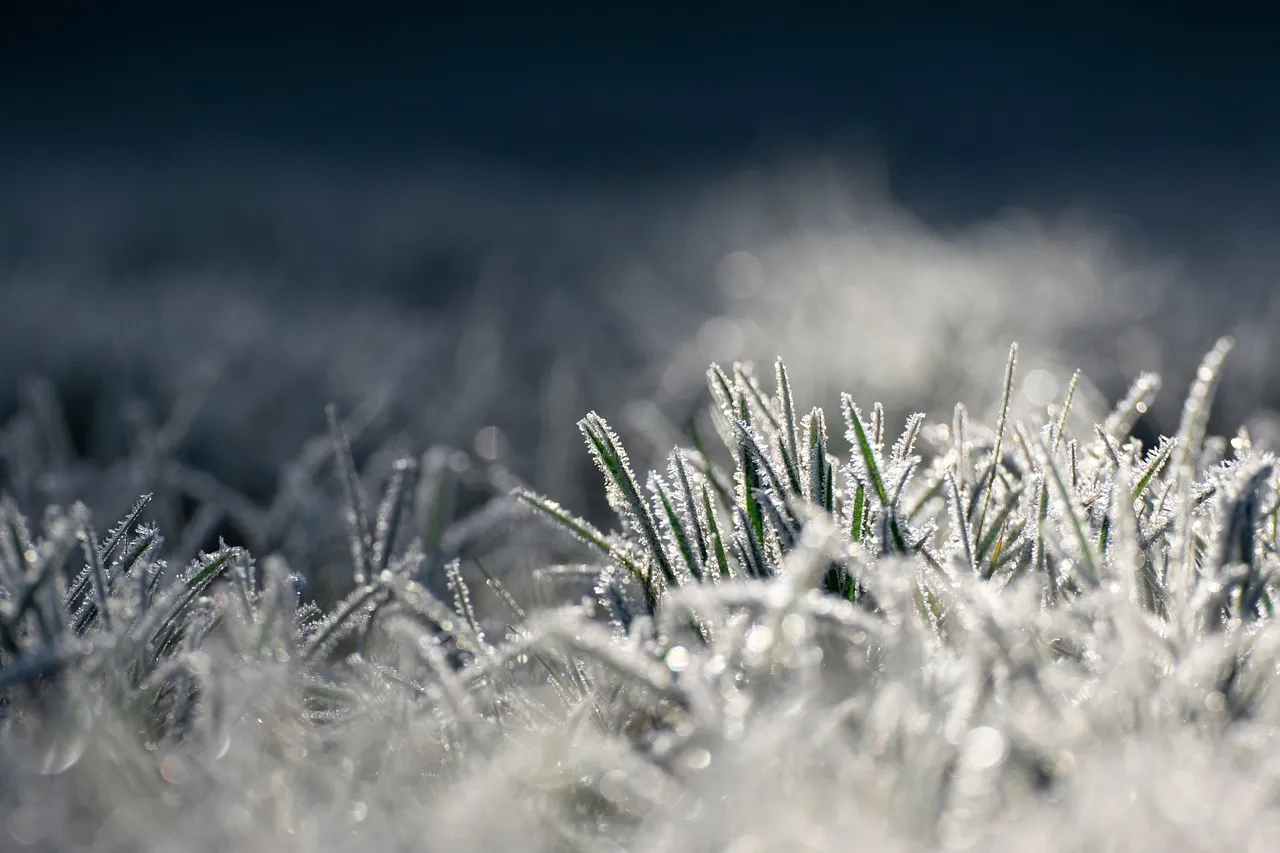
Wet soils absorb more daytime heat because water can load a large amount of heat and radiates it back out at night. Irrigating to wet dry soils as much as possible before a frost event is a practical and effective step. This strategy costs almost nothing yet can make a measurable difference in overnight temperatures at canopy level.
Soil conditions make a great deal of difference in frost protection. Heat is absorbed by the soil during the day and released to warm the blossoms at night and early in the morning. Maximum exposure of the soil to sunlight is necessary to provide optimum frost protection.
Plastic covers are often used to warm the soil and increase protection. Clear plastic warms the soil more than black plastic, and wetting the soil before applying the plastic further improves effectiveness. For backyard growers with smaller plantings, this combination of pre-frost irrigation and soil coverage can provide a meaningful buffer on cold nights.
Apply Mulch Strategically Around Your Trees
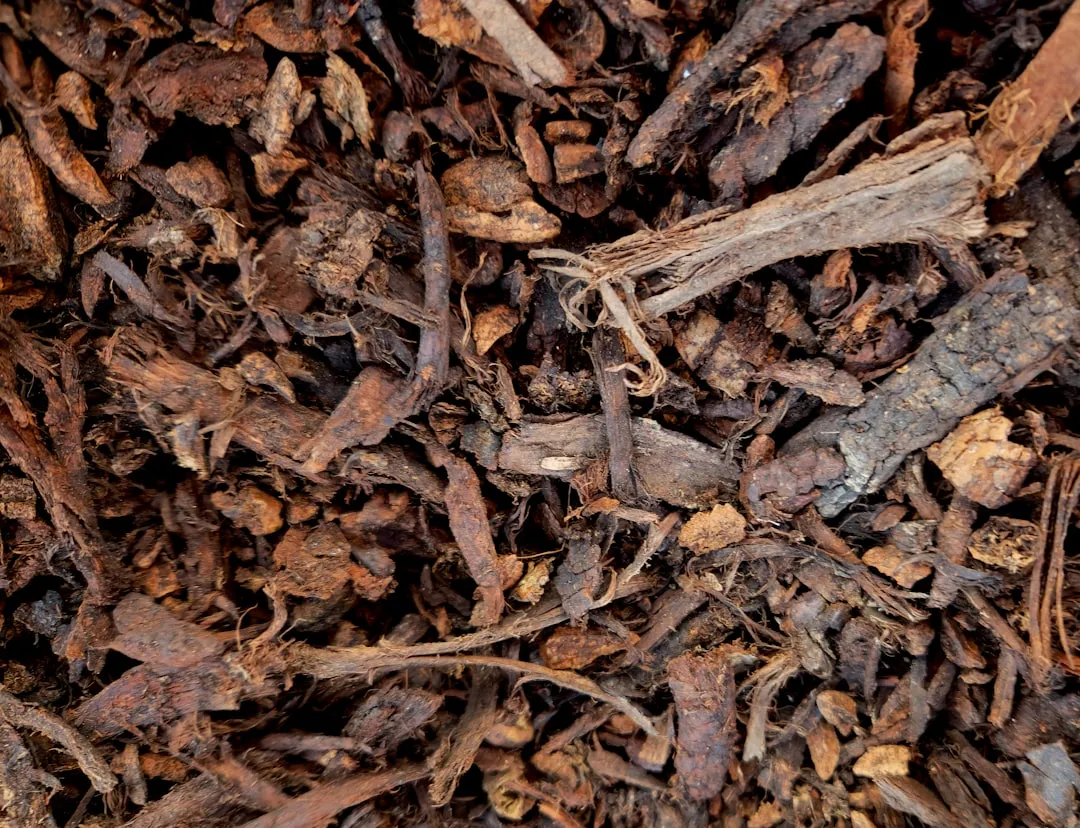
Organic materials such as straw, wood chips, or leaves spread at the base of plants or in tree orchards insulate the soil and roots, reducing temperature fluctuations and limiting ice formation. Mulch is one of the simplest tools in the orchard, and it does double duty through the whole season.
Applying a layer of organic mulch such as straw or wood chips around the base of fruit trees helps insulate the soil and protect the roots from extreme cold. Mulching also conserves soil moisture, which is essential for overall tree health.
However, placement matters. Vegetative mulches reduce the transfer of heat into the soil and can make orchard crops more frost-prone, so they are generally recommended only for locations where soil freezing and heaving is the primary concern. Keep mulch a few inches away from the trunk itself to avoid moisture buildup and potential rot issues.
Use Wind Machines and Overhead Sprinklers Effectively
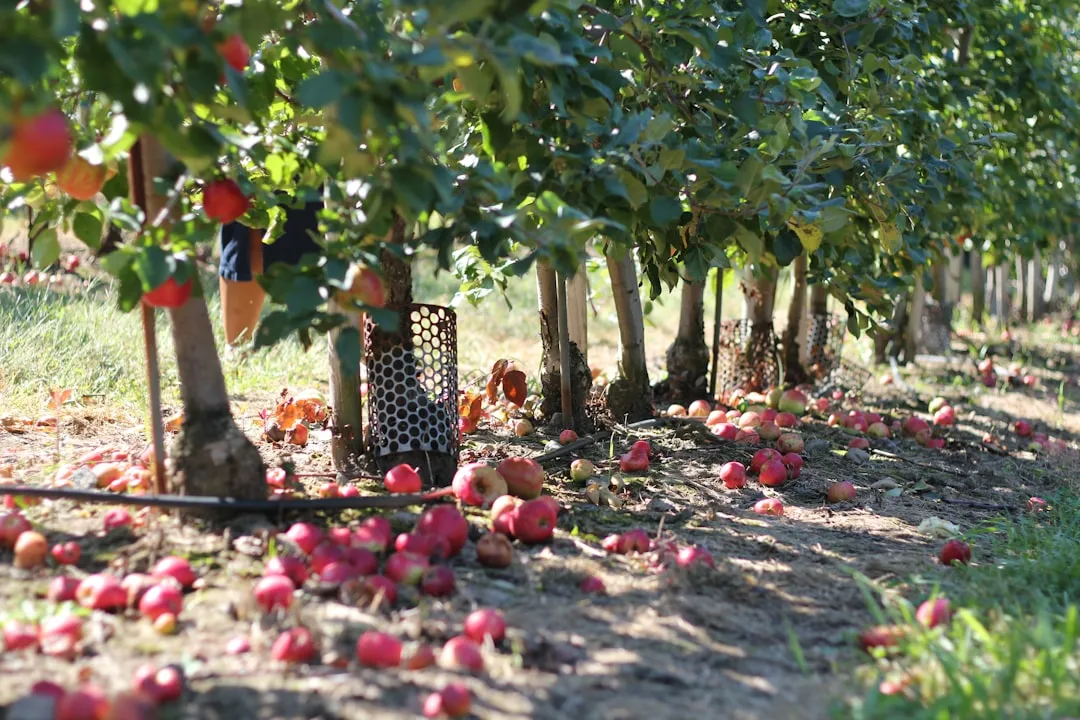
Orchard wind machines work by mixing the warmer air above a temperature inversion with the cold air trapped below. However, wind machines are not effective under already windy conditions. They work best on still, clear nights when a temperature inversion is present, which is precisely when radiation frost is most likely to form.
Wind machines suitable for orchard settings during radiation frosts can increase the orchard temperature by 2 to 4°F, though their efficacy is limited when temperatures drop to 22°F and below, and they are effective only when there is a strong inversion layer so that air 20 to 30 feet above the orchard is significantly warmer than air within the orchard.
Overhead sprinklers protect plants by using the heat given up by water when it turns from liquid to solid to warm the plants. Growers continuously add water, which turns to ice, and it is critical to keep the ice wet so it stays at 32°F. This method requires large amounts of water and the weight of the ice can break branches, so it requires careful management and is better suited to orchards with reliable water access.
Monitor Weather Data and Set Up Reliable Alerts
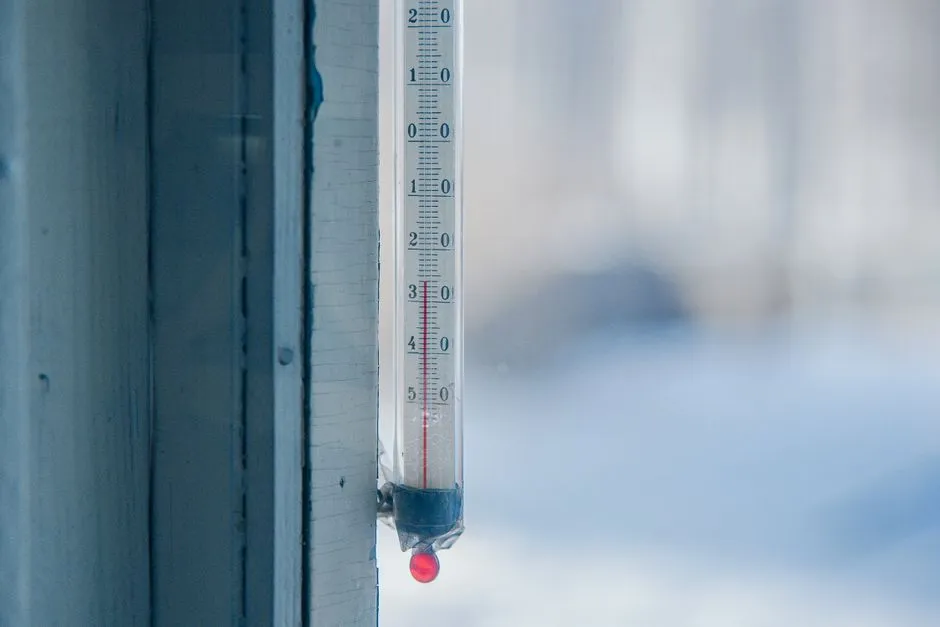
The hourly rate of falling temperatures and the lowest forecasted temperature should both be monitored. The temperature experienced by trees will not necessarily be the same as the reported ambient temperature, and farmers must also take into account the cooling effect of evaporation of moisture on the trees, referred to as wet-bulb temperature.
Good environmental monitoring equipment is essential. Some fruit-producing regions provide temperature monitoring networks, and it is also possible to purchase individual systems that growers can operate on their own farms. For home orchardists, even a reliable wireless thermometer placed at canopy height provides far better data than a general weather forecast.
If temperatures below 34°F are in the forecast, it’s time to employ protective measures to keep your spring orchard safe from damage. Acting at 34°F rather than waiting for 32°F gives you a meaningful head start. Most growers who lose fruit to frost waited too long to respond, often by just a few hours.
The Takeaway
Late frost is one of those risks that feels unfair, arriving just when the orchard looks its most hopeful. As climate patterns become more unpredictable, a well-informed approach to frost protection is an essential skill for any grower. The good news is that nearly every method covered here is practical for a backyard scale, often requiring more attention than expense.
The most resilient approach stacks multiple layers of defense: planting late-blooming varieties, choosing a favorable site, monitoring temperatures closely, and having frost blankets, wet soil, and a plan ready before the forecast ever turns cold. No single technique is foolproof, and combined approaches have a high potential, for example, the combination of heaters and fans performing better than heaters alone.
Ultimately, protecting your harvest is less about fighting nature and more about reading it carefully. The orchardists who consistently bring in fruit through unpredictable springs are usually the ones who started preparing in autumn, not the night before a frost warning appeared on their phone.
AI Disclaimer: This article was created with the assistance of AI tools and reviewed by a human editor.