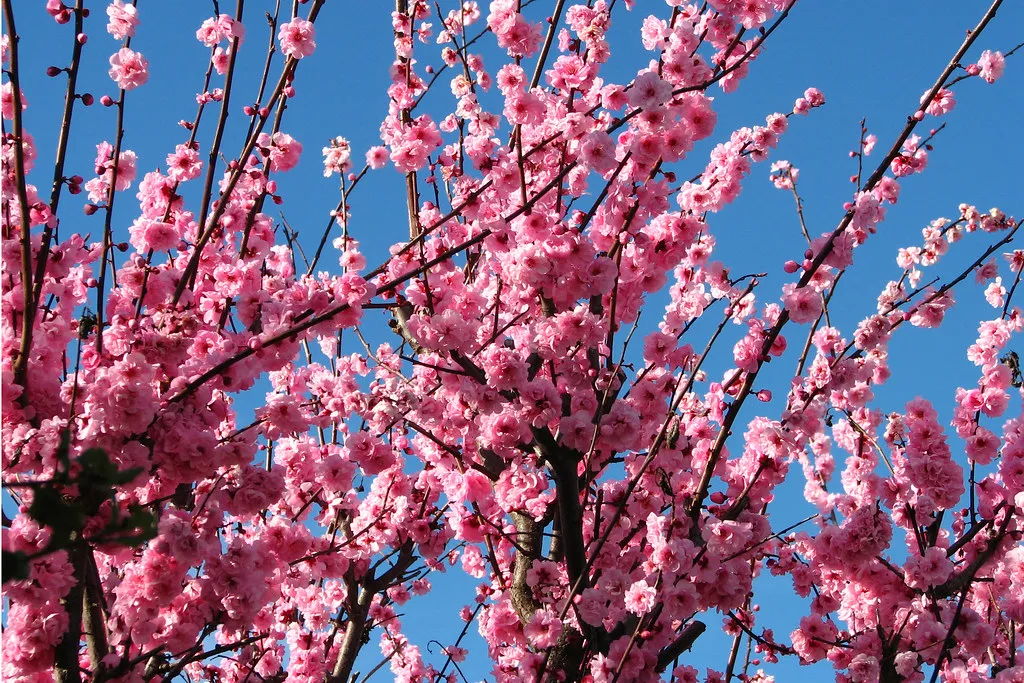

Every fruit grower knows the sinking feeling: a mild week in April or May, blossoms wide open and bees working overtime, and then the forecast suddenly drops below freezing overnight. That single cold snap can erase an entire season’s worth of potential harvest.
If flower buds have already started developing and opening, protecting them from freezing temperatures becomes critical, because failure to do so can cause huge yield reductions or cost you the crop altogether. Apples, cherries, pears, peaches, and apricots are among the most vulnerable fruit trees once temperatures plunge in spring. Knowing how to respond quickly and intelligently is what separates a productive season from an empty one.
Understanding Why Blossoms Are So Vulnerable
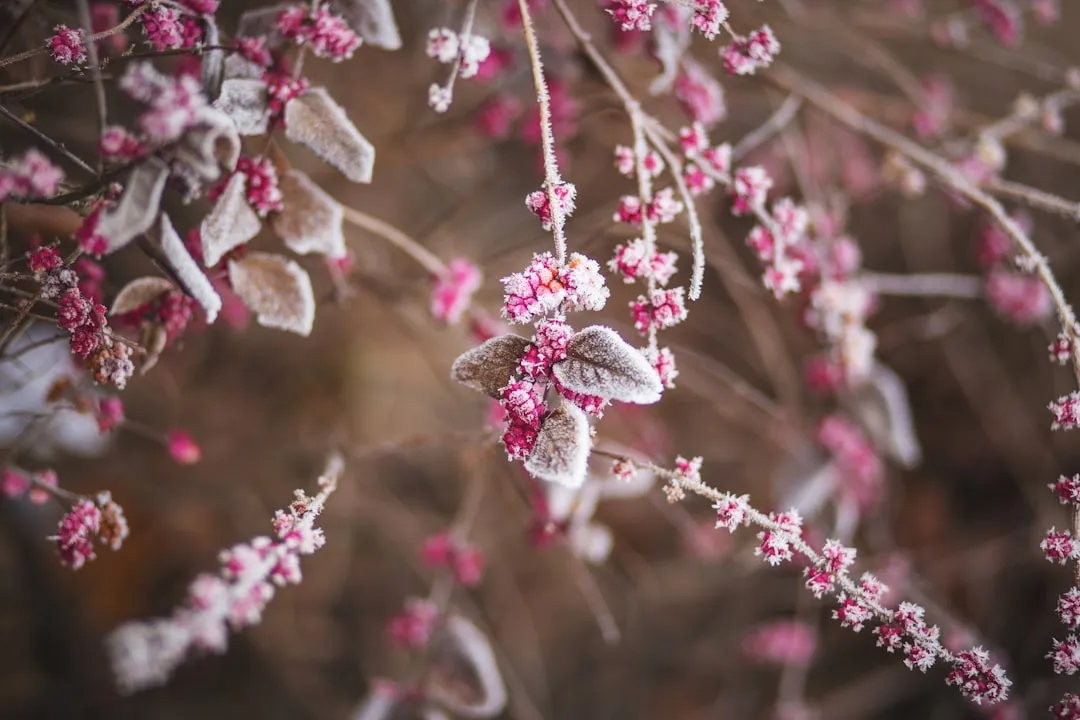
While most fruit tree species are frost-tolerant while dormant, their blooms simply cannot handle the cold. The critical temperature for most floral buds sits around 28 to 30°F.
During a frost event, water in between plant cells freezes. This process draws water out of surrounding cells, causing dehydration of plant tissue. The formation of sharp ice crystals, along with the expansion of water volume between cells, damages tissue and causes cells to burst.
Late frosts threaten fruit trees specifically because they damage or kill developing flower buds and blossoms. Blooms must be open to get pollinated and form fruits later in the season, meaning frost damage to an orchard can lead to major yield losses.
Know the Critical Temperature Thresholds for Each Species
Researchers have tested fruit flowers in various stages of growth to determine the coldest temperatures that would kill ten percent and ninety percent of flowers, abbreviated as T10 and T90. For peach trees in full bloom, if the temperature drops to 27°F for just thirty minutes, roughly ten percent of the flowers can be killed. If it drops to 24°F, up to ninety percent of the flowers can be killed.
Peach flower buds that have just begun to swell can withstand temperatures down to about 20°F. Open blossoms, however, show injury at around 26°F. Following petal fall, young fruit is generally killed by minimum temperatures of 28°F.
Freeze damage to deciduous fruit crops can occur when temperatures dip below 31°F, though various fruit types can withstand temperatures lower than that depending on the species and stage of development. The “killing temperature,” also called the critical temperature, is defined as the temperature that buds and developing fruit can withstand for a half-hour before permanent damage occurs.
Monitor the Forecast Like It’s Your Job
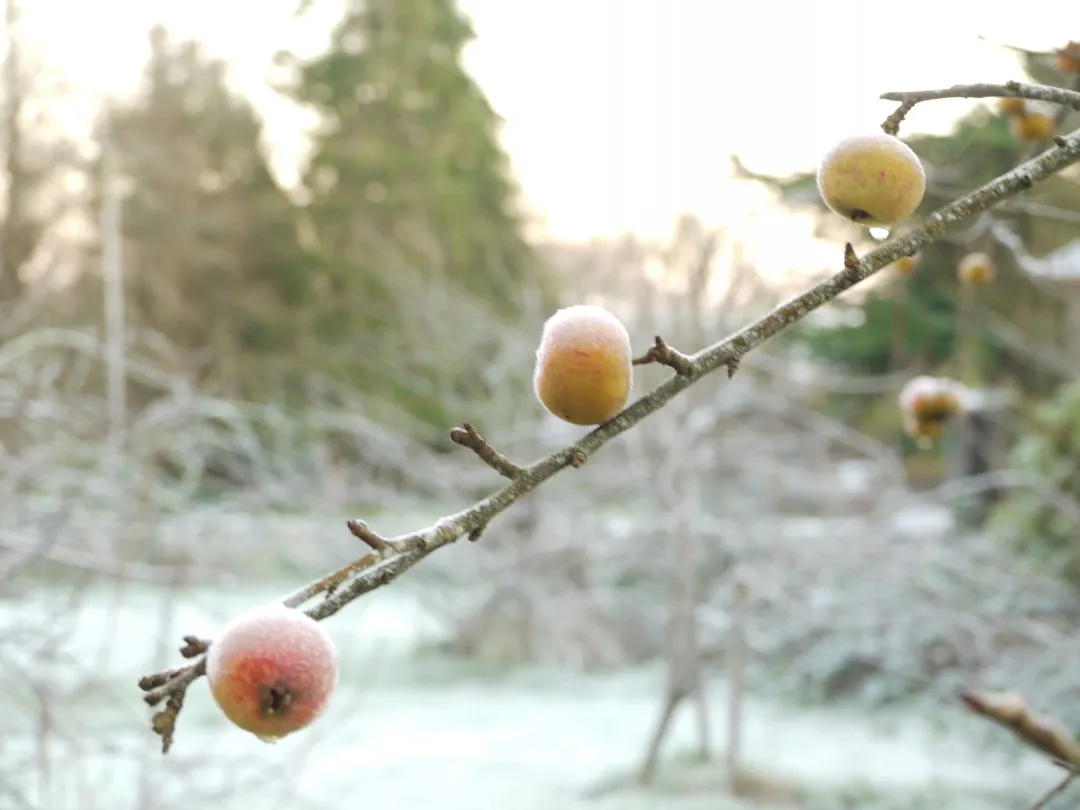
A late freeze in spring is troublesome for all trees, but fruit trees are especially vulnerable. That’s why keeping a close eye on the forecast and taking quick action when a spring freeze is expected is so important.
Protection measures work by keeping warm air around the fragile buds to prevent them from dying in temperatures below 32°F. If temperatures below 34°F are in the forecast, it’s already time to employ protective measures to keep your spring orchard safe from damage.
Frost events seem to be occurring more frequently in recent years, driven by warmer spring temperatures that push bud growth earlier, making blossoms more vulnerable to frost damage. Real-time weather monitoring tools, including smartphone apps with hourly forecast breakdowns, are now an essential part of any fruit grower’s toolkit.
Use Frost Cloth or Row Covers for Immediate Protection
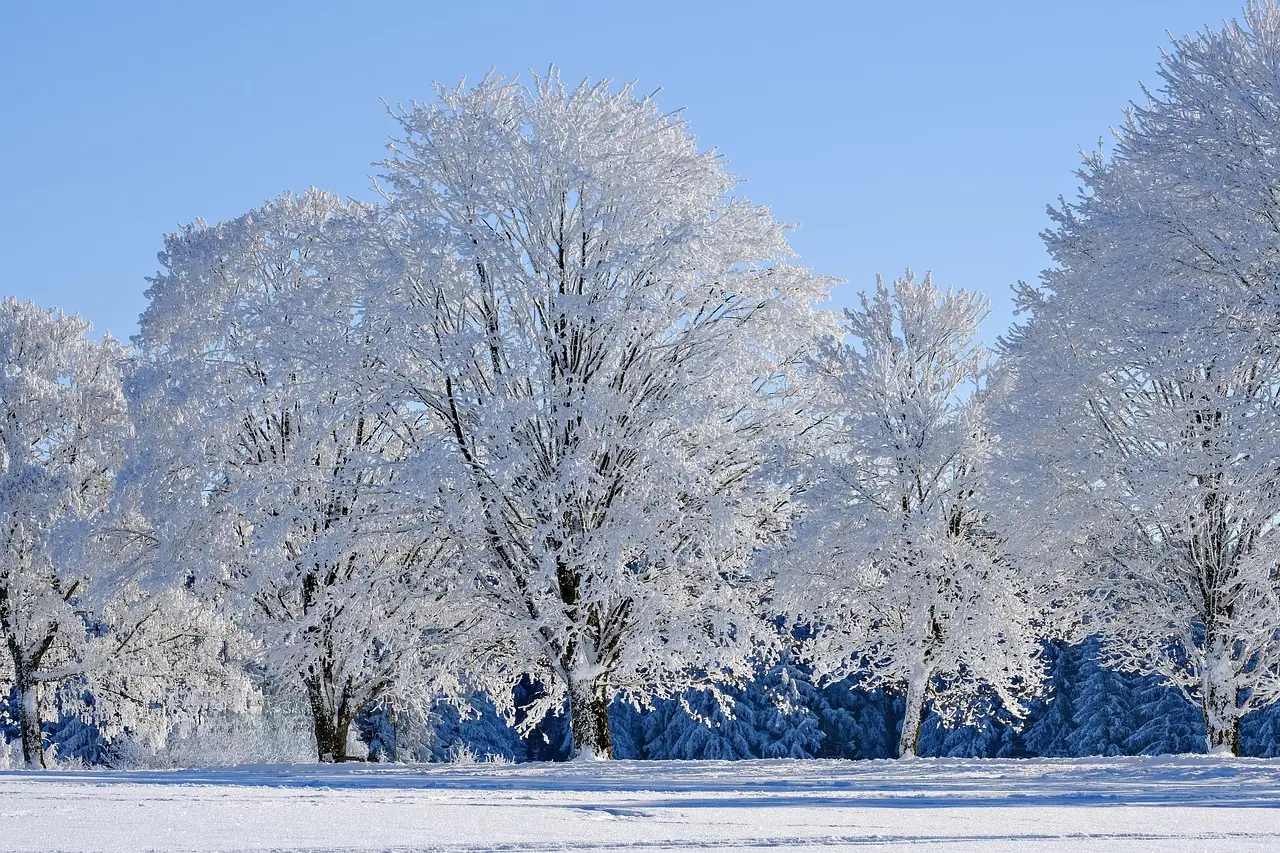
Using frost cloth or burlap to cover the tree insulates it thanks to the warmer air contained inside the protective layer. It’s important that the cover is held away from the flowers, reaches the floor, and is held in place for complete protection.
To protect smaller trees, put stakes in the ground around the tree and drape it with a sheet, burlap, fruit tree frost blanket, plastic, or other cloth during the day before the freeze. Getting the cover on before sunset, rather than after temperatures drop, makes a meaningful difference in how much warmth is retained.
Not only are plants in full flower vulnerable, but buds and even fertilised flowers can be damaged. The Royal Horticultural Society recommends that protection should be maintained for two weeks after flowering if severe frosts threaten.
Try the Overhead Irrigation Method
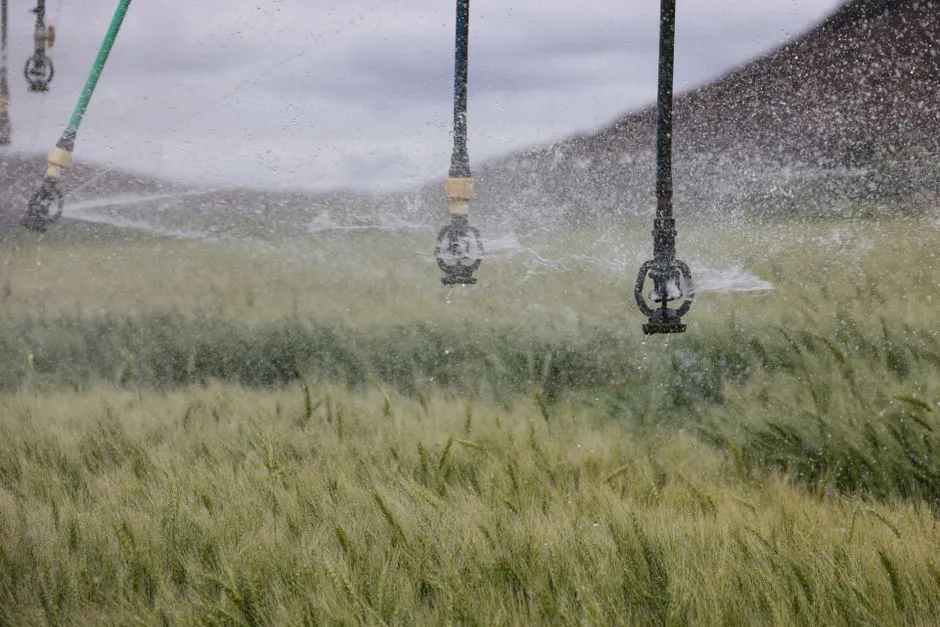
The principle underlying the use of overhead irrigation for freeze protection is that heat lost from the trees is replaced by heat released as applied water turns to ice. It’s a counterintuitive approach that actually works.
The technique works through a process known as “latent heat of fusion.” As water freezes, it releases a small amount of latent heat, which keeps the air around plants warm. A thin layer of ice is formed on the leaves that is constantly developing and melting, so water within plant cells won’t freeze and the air temperature surrounding the plant won’t drop below freezing point.
Sprinkler-based frost protection is generally effective for temperatures no lower than roughly 27.5°F to 28.4°F. Below this range, additional protective measures may be necessary. It’s also essential to keep an eye on wind speed, because wind can encourage water to transition from liquid to vapor. During this process, heat around your plants is consumed rather than released. It’s recommended to avoid using sprinklers if wind speed is above 10 mph.
Manage the Orchard Floor to Retain Soil Heat
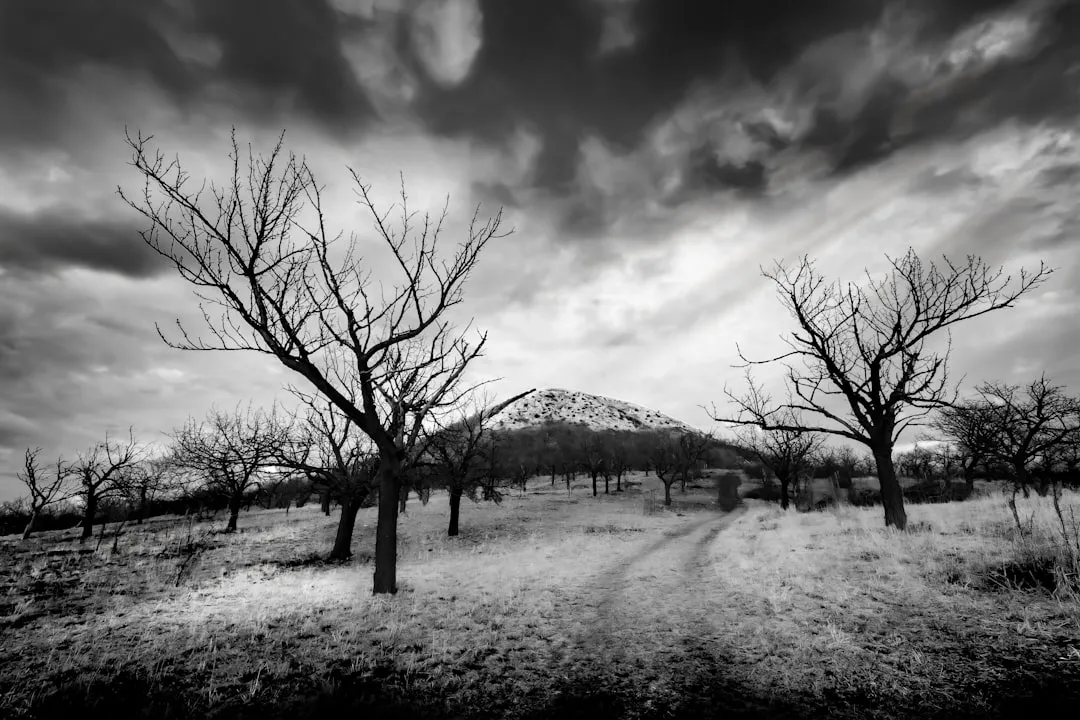
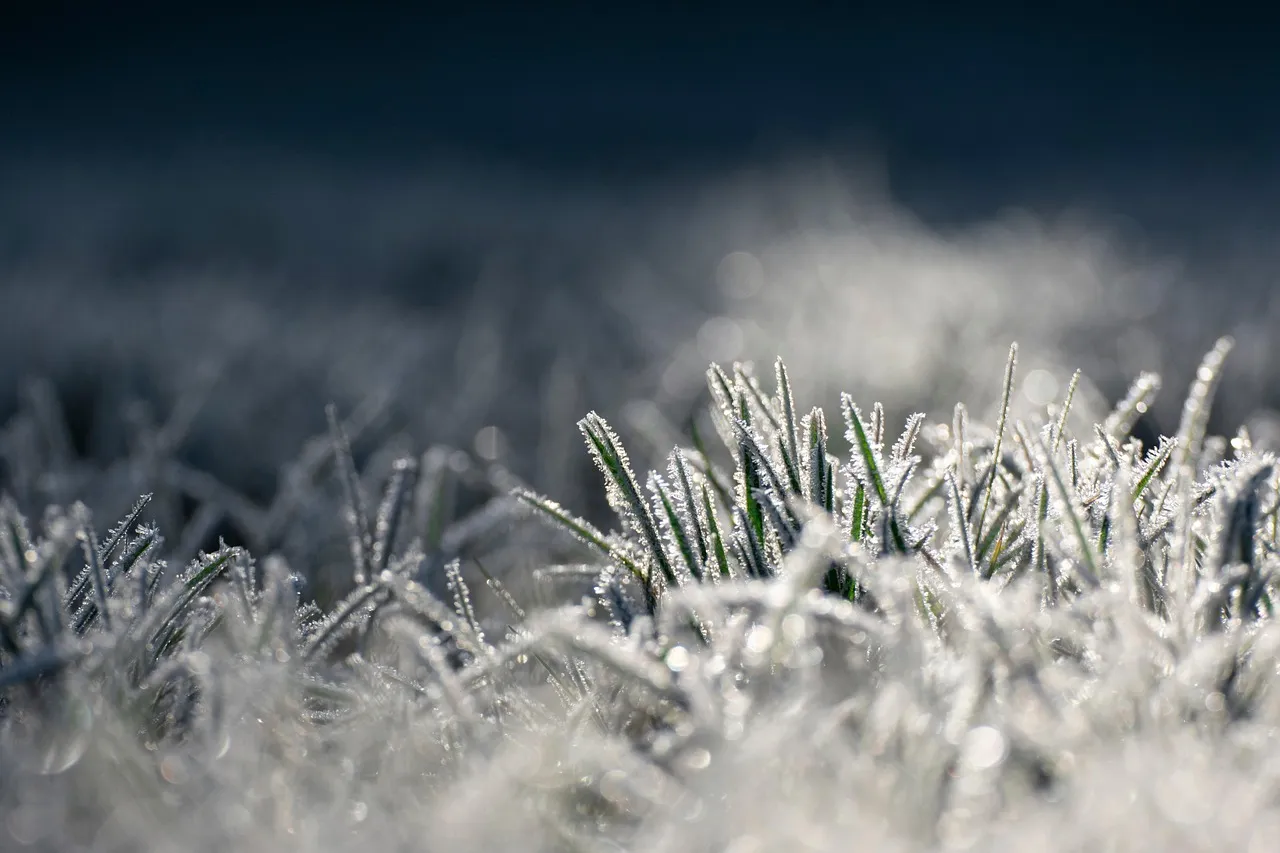
Most heat loss during radiation frosts, somewhere between fifty and eighty percent, is from the soil surface. To help avoid damage from radiation frosts, the soil surface should be kept free of weeds and grass, and kept compact and moist.
When grass or weeds are present in an orchard, sunlight is reflected from the surface and less heat energy is stored in the soil. A tall, dense cover crop has the potential to reduce nighttime temperatures by up to 10°F, whereas a closely mowed cover crop is usually only about 2°F colder than bare soil. During the frost season, keeping row middles closely mowed may help increase daytime heat absorption and reduce nighttime heat loss.
Soil conditions make a significant difference in frost protection. Heat is absorbed by the soil during the day and released to warm the blossoms at night and early in the morning. Maximum exposure of the soil to sunlight is necessary to provide optimum frost protection. Dark-colored soils absorb a greater amount of heat during the daytime and can potentially store more.
Use Wind Machines to Mix Warmer Air Downward

On clear nights, warmth is radiated out and lost. Cold air forms on trees and other objects and, being heavier than warm air, sinks to the ground, displacing warm air. Objects near the ground then become chilled and freeze. Cold air naturally flows downward on sloping ground, collecting at the lowest point or against a barrier.
Wind machines are suitable for orchard settings in cases of radiation frosts. They work by drawing the slightly warmer air sitting above the frost layer down toward the canopy, disrupting the still, cold air that concentrates at blossom height during calm nights.
On sloping sites, cold air flows away down the slope, and damage can sometimes be avoided by facilitating the free flow of cold air down the slope. Windbreaks must be positioned so as not to impede this air flow.
Consider Heaters and Other Active Heat Sources

Combustion or electric heaters raise air temperatures in localized zones, and are especially effective in small orchards and high-value crop plots. For home gardeners with just a few trees, simpler solutions like incandescent string lights under a cover can provide a meaningful temperature boost.
Row covers combined with light bulbs provide limited but real protection and are suitable for home gardeners. Christmas lights can be used, but the bulbs should be 7-watt incandescent bulbs, not LEDs, because LEDs don’t emit enough heat.
During sub-freezing temperature events, additional heat can be supplied to the orchard through burning propane or natural gas. This is a more serious and costly approach, but it remains a reliable method on commercial farms where a single night of damage translates to significant financial loss.
Choose the Right Cultivars and Planting Sites From the Start
Good site selection is the most economical and effective method of frost protection. No frost protection mechanism can fully overcome poor site selection for the orchard.
A suitable orchard site would ideally be at least fifty feet above the bottom of a valley, on a six to eight-degree slope for good air drainage, or adjacent to a large body of water that can moderate temperature changes.
The Royal Horticultural Society also recommends choosing frost-tolerant cultivars if planting in frost-prone gardens. Late-flowering apple cultivars include ‘Edward VII’, ‘Crawley Beauty’, and ‘Royal Jubilee’, while apples with long flowering seasons or frost-resistant blossom include ‘Lane’s Prince Albert’ and ‘Worcester Pearmain’.
Inspect Buds After a Frost Event and Plan Accordingly
Flower buds can be cut open and inspected to determine if they were frost damaged before fully opening. Stone fruit flowers can be torn open to inspect for black pistils, which indicate damage.
If the temperature drops to 27°F for just thirty minutes, potentially ten percent of the flowers can be killed. Importantly, fruit trees produce more flowers than are needed for a good crop harvest, which means moderate frost damage doesn’t always result in zero yield. A partial loss of blossoms can sometimes even act as a natural thinning.
Not only are plants in full flower vulnerable, but buds and even fertilised flowers can be damaged. So checking the tree thoroughly in the days following a frost, rather than just immediately after, gives a more accurate picture of the real damage sustained.
Final Thought
Late spring frost is one of the few genuine threats in fruit growing that arrives with almost no warning and leaves with quiet, invisible damage. The blossoms look fine in the morning, and then a week later the fruitlets simply don’t appear.
The strategies above, from soil management and cultivar selection to covers and irrigation, aren’t complicated or expensive individually. What matters is having at least one or two of them ready before the cold night arrives, not after. Preparedness, in this case, is essentially the whole game.
AI Disclaimer: This article was created with the assistance of AI tools and reviewed by a human editor.