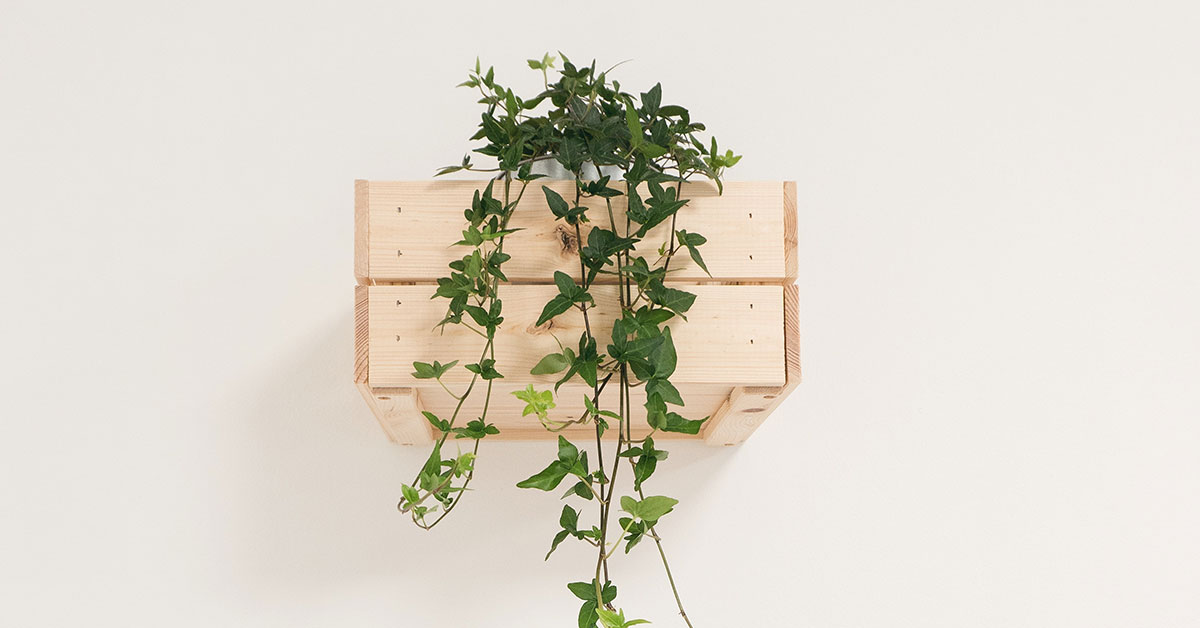

Ivies are great additions to any garden, and propagating them is a fun and easy way to increase your collection. This article will provide you with all the information you need to successfully propagate your own ivy plants. By the end of this article, you’ll be well on your way to having a beautiful, thriving ivy collection.
Ivy is a popular and attractive addition to any garden, with its lush green foliage providing a pleasant backdrop for other plants. However, it can also be very invasive and spread rapidly if not managed properly. Care should be taken when planting ivy in the garden, as it can quickly take over other plants and disrupt the natural balance of the ecosystem. Pruning and trimming the ivy regularly can help to keep it under control, and it is important to take note of any signs of infestation or spread. Remember, it is better to be safe than sorry when it comes to dealing with invasive plants like ivy.
Why Should I Propagate My Ivy Plants?
Propagating ivy is an important part of gardening, as it helps to ensure the longevity and health of the plant. Ivy is a hardy plant that grows easily, so propagating it helps to spread its genetic diversity, which is important for the overall health of the species. Additionally, propagating ivy helps to create a more aesthetically pleasing landscape. As ivy has often been used as a ground cover and as a decorative feature in gardens. Furthermore, propagating ivy helps to ensure that it does not become invasive. As it can easily spread to new areas and cause environmental damage. Finally, propagating ivy can help to reduce the number of chemical pesticides used in the garden, as it is a naturally pest-resistant plant. For these reasons, propagating ivy is an important part of gardening and should be incorporated into any garden plan.
How To Propagate Ivy Plants
The best time to propagate ivy is during the spring or early summer when the plant is actively growing. Taking cuttings from the parent plant is the most common way to propagate ivy. These cuttings should be taken from healthy stems, about 6 to 8 inches in length, and with at least two or three sets of leaves on them. Once collected, the cuttings should be placed in moist soil or vermiculite and kept in a warm, bright, and humid environment. Within a few weeks, the cuttings should take root and begin to grow into healthy plants.
Propagating ivy is an easy and cost-effective way to expand your ivy collection. To propagate ivy, you will need a mature piece of ivy with several nodes. First, cut a 6-8 inch piece of the vine just below one of the nodes. Make sure to use a sharp, clean pair of scissors or garden shears. You can then use rooting hormone to encourage the ivy to root, although this is not always necessary. Place the cutting in moist potting soil, making sure to keep the node covered. Place the pot in a bright, warm location. The ivy should root within 4-6 weeks. When the ivy has become established, you can transplant it to a new location. With proper care, your ivy will thrive for many years.
Providing Aftercare For Your Ivy
After propagating your ivy, proper aftercare is essential to ensure its continued health. Make sure to give the plant enough light, preferably indirect sunlight, and water it regularly. Ivy prefers a humid environment, so it’s a good idea to mist the leaves with water periodically. Ensure the soil has adequate drainage and avoid overwatering. Fertilizing with a balanced fertilizer every month or two will help promote healthy growth. Inspect the plant for signs of pests or disease regularly, and take appropriate actions if needed.
Propagating ivy plants is a great way to add greenery to your home or garden. Pruning the propagated plants is an important step in maintaining the health of your ivy plants. You should prune your ivy plants in late winter or early spring when the plants are still dormant. Start by cutting back any long or overly tangled stems. Be sure to use clean, sharp pruning shears, and make sure to cut back to a healthy bud or leaf node. In addition, prune away any dead, damaged, or diseased stems. This will help keep your ivy plants healthy and promote new growth. Finally, remember to clean your pruning shears with rubbing alcohol before and after each pruning session. With the proper pruning techniques, you can keep your ivy plants looking their best.
Monitor For Pests And Diseases
Overwatering and underwatering are both serious threats to propagated ivy plants. Overwatering can cause root rot, which can kill the plant, while underwatering can cause the plant to become stressed, causing the leaves to turn yellow or brown and eventually wilt. It is important to water the ivy plant regularly. This will ensure that the soil is not overly saturated with water. A good rule of thumb is to water the ivy until the surface of the soil becomes moist but not soggy. Additionally, it is important to ensure that the soil has proper drainage to avoid overwatering. If the soil becomes too dry, the ivy should be watered until it is moist again. With proper watering, a propagated ivy plant should stay healthy and continue to grow.
It is important to monitor these plants for pests and diseases, as ivy can be susceptible to various issues. A good way to monitor for pests is to inspect plants regularly for any signs of infestation, such as brown or yellow spots or wilting leaves. Additionally, it is important to look for signs of disease, such as fungal growth, yellowing leaves, and stunted growth. If any of these issues are noticed, it is important to take action immediately. Spraying the ivy plants with insecticides or fungicides can help to protect them from further damage, and if the issue is more severe, it may be necessary to remove affected plants from the garden to prevent further spread.