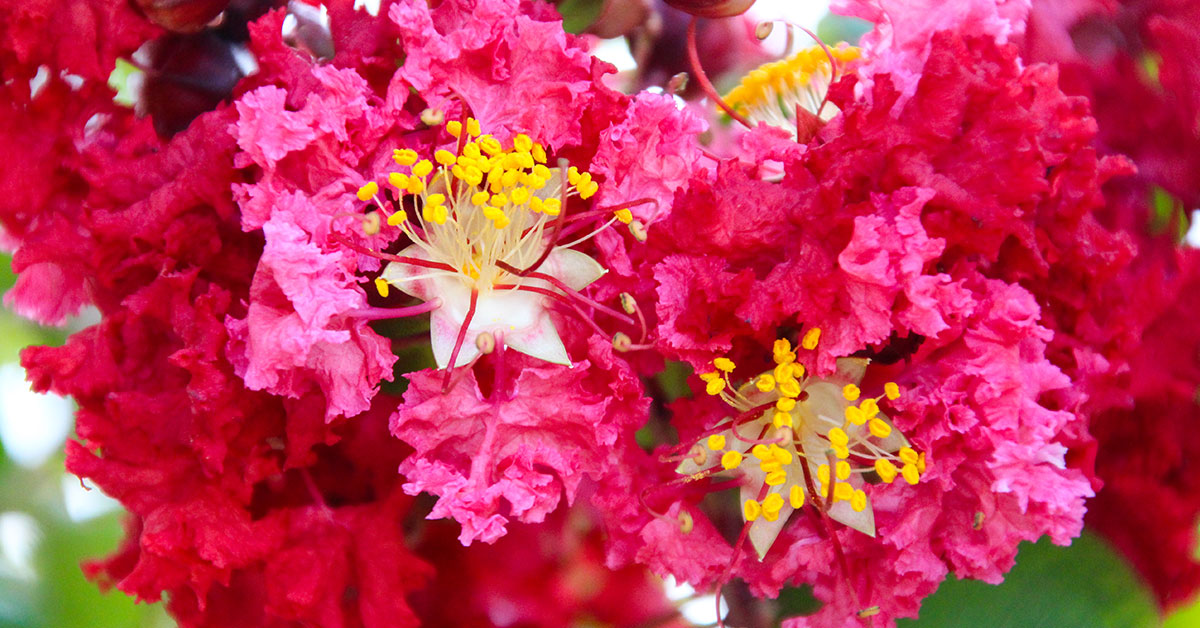

Propagating a crepe myrtle is an easy and rewarding way to grow a beautiful tree or bush in your garden. It is a process that is relatively simple and requires minimal effort. With the right know-how and a few basic supplies, you can propagate a crepe myrtle at home. This article will discuss the steps to successfully propagate a crepe myrtle and will provide helpful tips to ensure that your propagation is successful.
Is It Time To Propagate My Crepe Myrtle?
Crepe myrtles are beloved for their vibrant and long-lasting blooms. As well as for the fact that they are exceptionally easy to propagate. Home gardeners are drawn to crepe myrtles for their low-maintenance nature. Additionally, their ability to survive in various climates and soil types. Propagating a crepe myrtle allows gardeners to clone their existing tree. Granting them the chance to enjoy beautiful blooms year after year without having to purchase a new tree every time. This propagation method can also help to restore and preserve crepe myrtles in public gardens and parks, ensuring that future generations can appreciate the beauty of this versatile tree.
The best time to propagate a crepe myrtle is in the early spring or summer months. This is the time when the plant is actively growing and will have the highest chance of taking root and growing. In the early spring, you should take hardwood cuttings from the crepe myrtle and allow them to callous over for a few weeks. During the summer months, you can take softwood cuttings from the crepe myrtle and root them in moist potting soil. Once the crepe myrtle has rooted, it can be transplanted into a larger pot or into the ground.
How To Propagate Crepe Myrtle From Cuttings
Propagating a crepe myrtle from cuttings is an easy and cost-effective way to add more of these beautiful flowering trees to the garden. First, select a semi-hardwood cutting from a healthy crepe myrtle. Making sure to choose a branch that is at least 6-8 inches long. Cut the branch just below a leaf node and remove any leaves from the lower portion of the cutting. Dip the cutting in a rooting hormone and plant it in a pot filled with potting soil. Keep the soil moist and place the pot in indirect sunlight. Roots should form within a few weeks and the new crepe myrtle can be transplanted into the garden once it has established itself.
How To Propagate From Root Cuttings
Crepe myrtle can be propagated from root cuttings, which is a great way to expand your crepe myrtle collection. To begin, use a sharp spade to cut sections of root that are approximately four inches long and one-quarter to one-half inch thick. Plant the sections in a pot filled with a moist, well-draining soil mix, and place the pot in a warm, sunny spot. Water the cuttings regularly, and once the cuttings begin to sprout new growth, move them to their permanent location in the garden. With proper care and attention, these root cuttings will soon transform into healthy, full-sized crepe myrtles.
How To Propagate Crepe Myrtle From Seed
Propagating a crepe myrtle from seed is an easy and rewarding process. First, purchase a packet of crepe myrtle seeds from a garden center or online retailer. Soak the seeds in lukewarm water for 24 hours. Next, fill a seed starter container or pot with moist, well-draining potting soil and scatter the soaked seeds over the surface. Gently press the seeds into the soil and cover them with a thin layer of soil. Keep the soil moist and place the pot in a warm, sunny location. Thin out the seedlings when they reach 3 inches in height, spacing them approximately 8 inches apart. Transplant the crepe myrtle seedlings into the garden once they reach 12 inches in height.
Providing Aftercare
Providing adequate aftercare is essential for a healthy and vigorous plant. In the first few weeks after planting, water the plant deeply and frequently to allow the roots to establish and take up nutrients. As the plant matures, you can reduce the amount of water, but make sure to keep the soil moist. Fertilize the crepe myrtle once each year with a balanced fertilizer and prune to shape, if desired. Lastly, be vigilant for any pests or diseases that may affect the health of the plant and take appropriate action as needed.
When it comes to propagated crepe myrtles, it is important to ensure that they are provided with the right amount of water. Overwatering can cause root rot, while underwatering can cause the leaves to turn yellow and eventually brown and drop off. To ensure that your crepe myrtle receives the right amount of water, water it deeply and thoroughly until the soil is moist. Then, wait until the soil is completely dry before watering again. Check the soil with your finger or a soil moisture meter to determine when the soil is ready to be watered. Additionally, mulch around the base of the plant to help retain moisture and keep weeds at bay.