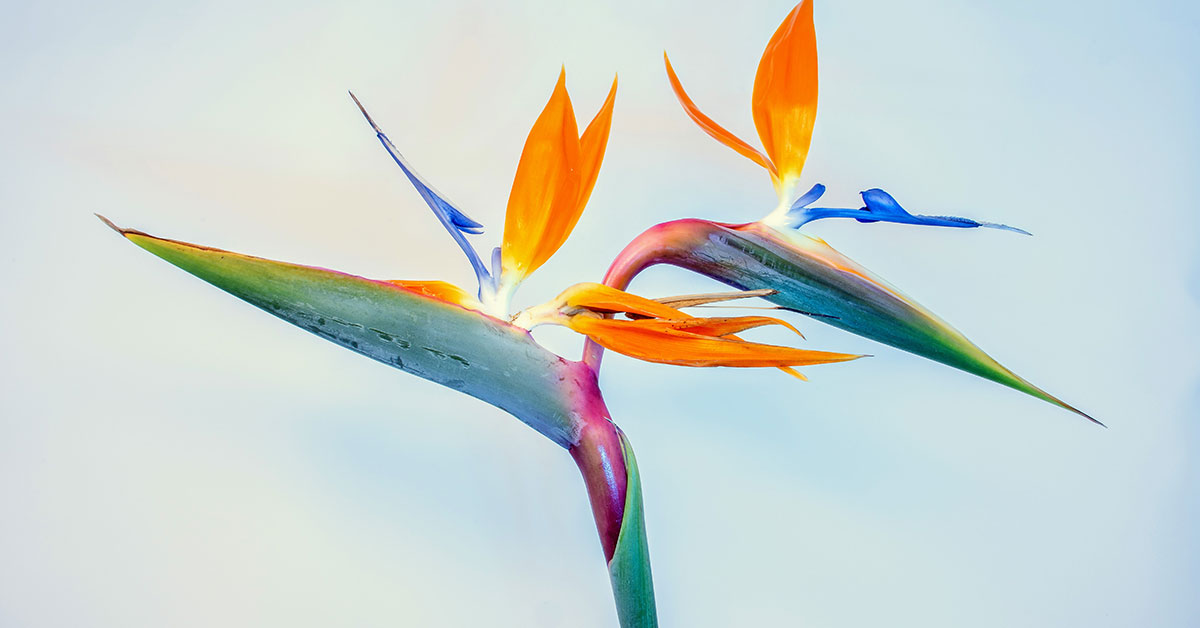

Bird of Paradise plants is a beautiful and exotic species of flowering plant that are native to subtropical and tropical regions of the world. These plants are a great addition to any garden and can be propagated either from seeds or by dividing existing plants. Propagating Bird of Paradise plants is a relatively simple process. It is a great way to add more of this stunning plant to your garden. We will discuss the step-by-step process of how to propagate Bird of Paradise plants. You’ll be able to enjoy the beauty of these plants for years to come.
Should I Propagate My Bird Of Paradise Plant?
Bird of paradise plants are some of the most striking and unique plants around. They are favored by many gardeners for their hardy nature and beautiful blooms. They have long been prized for their bright and vibrant colors, and they make a great addition to any garden. Additionally, propagating bird of paradise plants is a great way to create a more diverse and interesting garden. Not only does propagating bird of paradise plants help to create a more interesting garden, but it also helps to provide a larger number of these plants for others to enjoy. Furthermore, propagating bird of paradise plants is a great way to share these beautiful plants and help them to spread.
The best time to propagate bird of paradise plants is in the spring. During this season, the soil is warm and moist, making it easier for the roots to develop and spread. Additionally, the days are longer, providing plenty of sunlight for the cuttings to grow and thrive. When propagating bird of paradise plants, it is best to use a sharp knife to make a clean cut below the node and plant in a container filled with well-draining soil. Make sure to keep the soil consistently moist and place the container in a warm, sunny spot for best results.
How To Propagate Bird Of Paradise From Plant Division
Bird of Paradise plants can easily be propagated through plant division. To begin, carefully dig up the plant and remove the root ball from the soil. Next, find the main crown of the plant and use a sharp knife to divide it into sections, ensuring each section has at least three shoots and a healthy root system. Then, replant each division in a new container filled with rich, well-draining soil. Water each division thoroughly, and place the containers in a sunny location. Bird of Paradise plants requires regular watering and feeding throughout the growing season to remain healthy. With proper care and attention, your new divisions should be established within a few months.
How To Propagate From Cuttings
Propagating bird of paradise plants from cuttings is a great way to increase your collection of these colorful and exotic plants. To begin, take a cutting from an existing plant that is at least 8 inches in length and has 3-4 leaves. Remove the bottom leaves and dip the cutting in the rooting hormone. Plant the cutting in a container filled with a well-draining potting mix and water it thoroughly. Place the container in a warm and sunny spot and mist the cutting daily. Within a few weeks, the cutting will have rooted and you can begin to transition it to a larger pot.
How To Propagate Bird Of Paradise From Seeds
To propagate bird of paradise plants from seeds, you will need to start by soaking the seeds in warm water for 24 hours. After the seeds have soaked, you can plant them in potting soil that is well-draining and enriched with compost. Place the seedlings in a warm and sunny spot and water regularly until the plants are established. During the first few months, keep the soil moist but not overly wet. Once the plants have grown to a few inches tall, you can transplant them into larger pots or into your garden. With the right care, your bird of paradise plants should bloom within a season or two.
The right soil for propagating bird of paradise plants is a well-draining potting mix. This soil should contain a combination of peat moss, compost, and perlite. The soil should be slightly acidic, with a pH of 6.5 to 7.0, and should be kept moist but not soggy. Bird of paradise plants prefer soil that is high in organic matter, so it is essential to mix in plenty of compost when preparing the soil. Additionally, the soil should be amended with a slow-release fertilizer to provide the plants with the nutrients they need to thrive.
Providing Aftercare
Aftercare for these plants is relatively simple and straightforward. Provide plenty of sunshine and let the soil dry out between waterings. Feed the plants regularly with a balanced fertilizer and be sure to prune back the leaves to keep the plants looking neat. Keep an eye out for pests, and remove them with an appropriate pesticide. With the right amount of TLC, your propagated bird of paradise plants will thrive!
Overwatering and underwatering this plant can both have drastic consequences. When overwatered, the plant will start to display yellowing or browning of the leaves, and the plant may start to rot. If the plant is underwatering, it will start to wilt, and the leaves may become dry and crispy. It is important to pay attention to the soil of the Bird of Paradise plant and keep it consistently moist, but not wet. Regularly check the soil and provide just enough water so that it stays moist, but not saturated. If the soil is too dry, give the plant a deep, thorough watering, and allow it to drain completely before putting it back in its pot.
Monitor For Pests And Diseases
Unfortunately, propagated bird of paradise plants can be vulnerable to a variety of pests and diseases that can cause a great deal of damage. Common pests that can harm propagated bird of paradise plants include aphids, mealybugs, scale insects, and thrips. These pests often feed on the plant’s sap, draining the nutrients and causing damage to the leaves. Diseases that can harm propagated bird of paradise plants include fungal diseases such as root rot, powdery mildew, and leaf spot, all of which can cause significant damage if left untreated. To prevent these pests and diseases, it is important to keep propagated bird of paradise plants in a healthy environment. As well as regularly inspecting them for signs of damage.
Pruning a propagated Bird of Paradise is also relatively simple and will help keep the plant healthy and full. When pruning a Bird of Paradise, it is important to start with the basics: remove any dead or dying leaves or stems, and shape the plant as needed. Additionally, it is important to trim away any excess growth. Especially in the center of the plant, to allow for light and airflow to reach all parts of the plant. Lastly, it is best to prune away any flowers, as they will take energy away from the overall health of the plant. With proper pruning, a Bird of Paradise propagated from a cutting or division can bring beauty and enjoyment to any garden.
Keep Reading: 10 Flowers That Look Like Birds