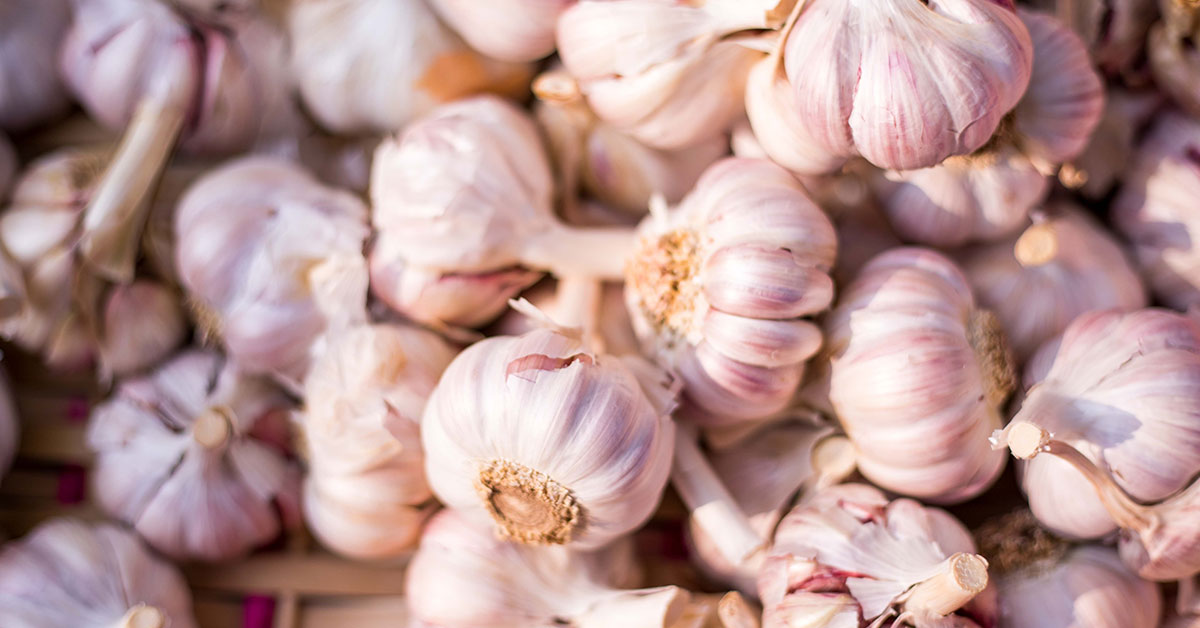

September is the perfect time to get your garlic in the ground for a bountiful summer harvest. I know it might feel like you’re still winding down from the busy growing season, but planting garlic now gives it the head start it needs to develop strong roots before winter sets in. There’s something incredibly satisfying about tucking those little cloves into the soil, knowing they’ll be quietly working away under the surface, even as the rest of the garden rests. Plus, homegrown garlic is so much more flavorful than store-bought, and it’s incredibly rewarding to harvest your own bulbs come summer!
Garlic is a surprisingly easy crop to grow, making it perfect for gardeners of all levels. Whether you’re planting in a dedicated vegetable patch or sneaking a few cloves into your flower beds, garlic is a hardy, low-maintenance plant that doesn’t require much fuss. I’ve found that planting garlic in the fall feels like an act of optimism—it’s a way of looking forward to the next season, even as the days grow shorter and cooler. Let’s dive into how to plant garlic in September for a delicious and abundant harvest next year!
Choosing the Right Garlic Varieties
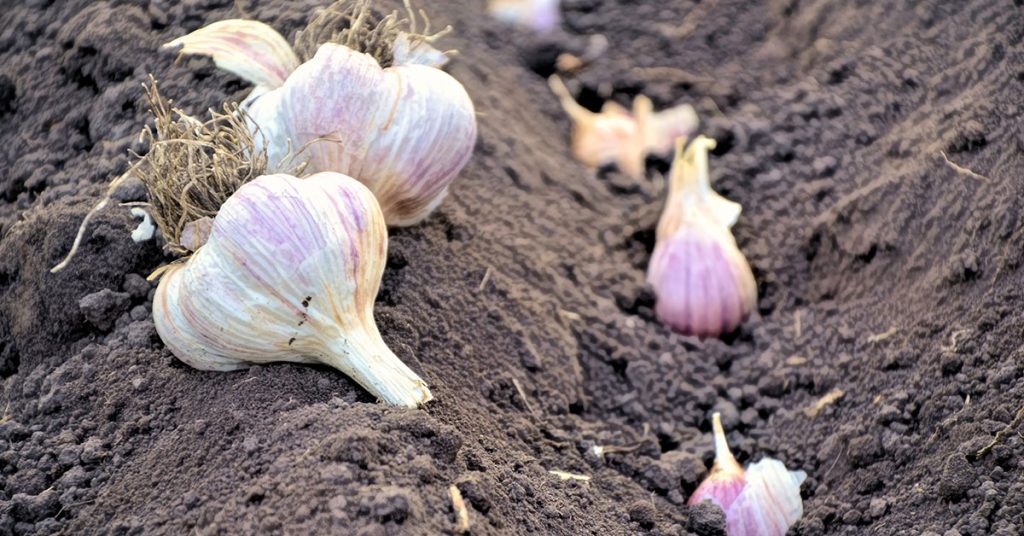
The first step in growing great garlic is choosing the right variety for your garden. There are two main types of garlic: hardneck and softneck. Hardneck varieties, native to Central Asia, are well-suited to colder climates and are known for their robust flavor and easy-to-peel cloves. They also produce scapes—those curly, edible flower stalks that are a delightful bonus in early summer. Softneck varieties, on the other hand, are more commonly found in warmer regions and are known for their longer storage life and milder flavor. These varieties don’t produce scapes but tend to have more cloves per bulb, making them perfect for braiding and long-term storage.
When choosing garlic to plant, make sure to select bulbs from a reputable source, such as a garden center or seed supplier, rather than using grocery store garlic, which is often treated to prevent sprouting. It’s important to choose varieties that are suited to your growing conditions to ensure the best results. I always get a little thrill when I find a new variety to try—it’s like adding a new chapter to the story of my garden. And remember, garlic isn’t invasive, so you can plant it without worrying about it taking over your space. It’s a reliable and well-behaved addition to any garden!
Preparing the Soil
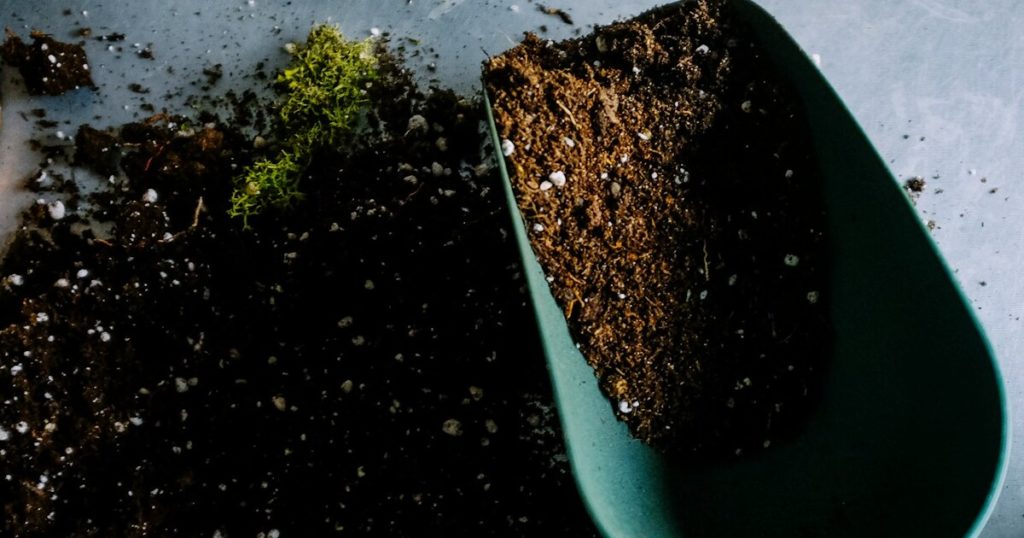
Garlic thrives in loose, well-drained soil rich in organic matter, so preparing the bed before planting is key. Start by loosening the soil to a depth of at least 6-8 inches, removing any weeds or debris that might compete with your garlic for nutrients. Adding compost or well-rotted manure can greatly enhance the soil’s fertility and structure, giving your garlic the best possible start. I like to work in a balanced organic fertilizer as well, especially if my soil is on the lean side. Garlic is a bit of a heavy feeder, so it appreciates that extra boost of nutrients.
It’s also important to ensure good drainage, as garlic can easily rot in soggy soil. Raised beds or mounded rows are great options if your garden tends to retain water. If you’re like me and have dealt with the heartbreak of bulbs rotting away in poorly drained soil, a little extra effort here can make all the difference. Testing your soil’s pH is another smart move—garlic prefers slightly acidic to neutral soil, around 6.0 to 7.0 on the pH scale. Making these adjustments before planting sets your garlic up for a strong, healthy growing season.
Planting Garlic Cloves
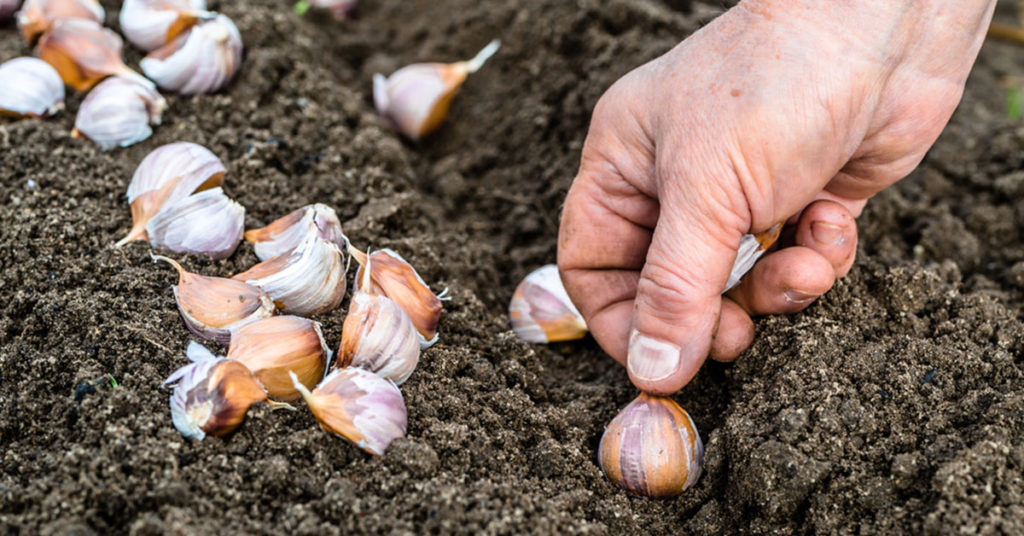
Planting garlic is one of the most straightforward garden tasks, but it’s important to get the basics right. Separate the bulbs into individual cloves, leaving the papery skins intact, and choose the largest, healthiest cloves for planting—these will produce the biggest bulbs next summer. Plant the cloves pointed end up, about 2-3 inches deep and 6 inches apart, with rows spaced about 12 inches apart. This spacing gives the garlic plenty of room to grow without competing for resources. I always find this part so meditative—there’s a rhythm to planting garlic that feels almost like setting the garden to rest.
Garlic is fairly undemanding, but it does best when planted in a sunny spot. It needs plenty of light to produce large, healthy bulbs, so make sure your chosen spot gets at least 6-8 hours of sunlight per day. Once planted, cover the cloves with soil and water them in well. If you’re worried about the soil drying out too quickly, a light layer of mulch, like straw or shredded leaves, can help retain moisture while also suppressing weeds. Garlic loves that cozy, tucked-in feeling as it begins to settle in for the cooler months ahead!
Watering and Mulching

Consistent moisture is key to garlic’s success, especially in the early stages after planting. Water the newly planted cloves deeply right after planting, and keep the soil evenly moist but not waterlogged as they begin to establish roots. As the weather cools down, you can ease up on the watering, but don’t let the soil dry out completely. In regions with mild winters, the garlic might even send up a few green shoots before going dormant, and that’s totally normal! I always keep an eye on the soil, especially during dry spells—garlic may be hardy, but it still appreciates a drink now and then.
Mulching is a great way to protect your garlic through the winter. A thick layer of straw, leaves, or even grass clippings can help insulate the soil, moderate temperature fluctuations, and prevent weeds from encroaching. Mulch also breaks down over time, adding valuable organic matter to the soil and feeding the garlic as it grows. Just be sure to keep an eye out for pests that might try to nest in the mulch, like voles or mice. A little bit of vigilance goes a long way in keeping your garlic bed happy and healthy all season long.
Caring for Garlic Through the Winter
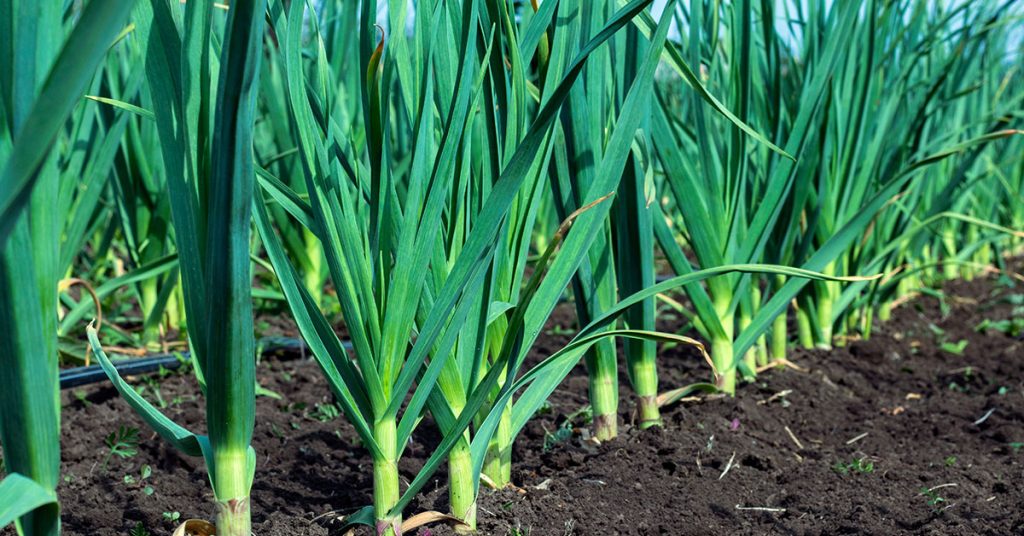
Once your garlic is planted and mulched, it’s pretty much on autopilot through the winter months. Garlic is remarkably cold-hardy, and the cloves will quietly develop roots underground even as the temperatures drop. There’s something so reassuring about knowing your garlic is working away beneath the surface, preparing for the burst of growth that will come in spring. I like to check on my garlic beds occasionally, especially after heavy rains or snow, to make sure the mulch hasn’t shifted or exposed the cloves.
In areas with harsh winters, a little extra mulch can go a long way in protecting your garlic. If you live in a milder climate, you might see some green shoots poking up even before spring arrives—don’t worry, this is normal and won’t harm your garlic. In fact, those early shoots are often a good indicator that your cloves are happy and healthy. The key is to make sure they stay protected and that the soil remains loose and well-drained, so when the warmth of spring finally returns, your garlic will be ready to take off!
Harvesting and Curing
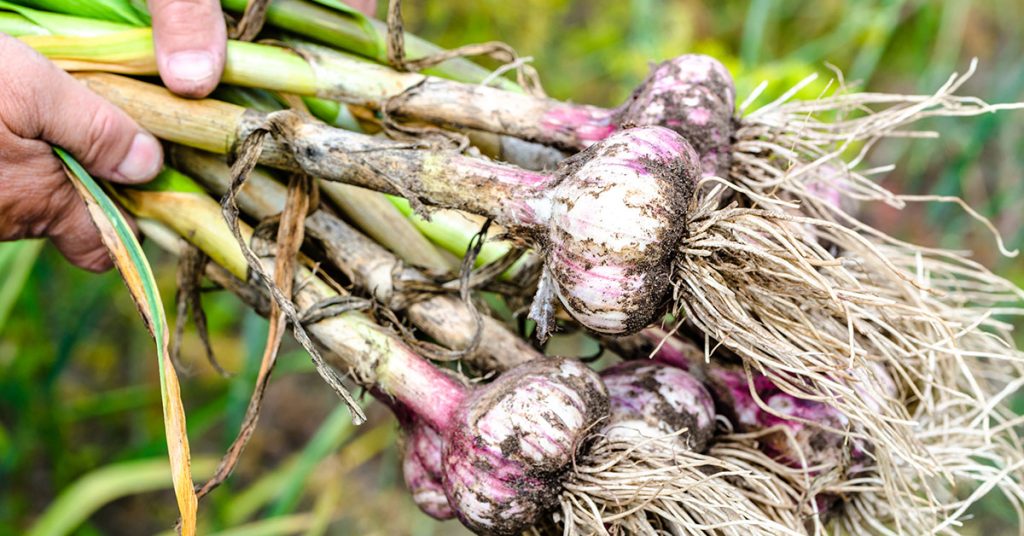
The big payoff for all your hard work comes in early to mid-summer when it’s time to harvest your garlic. You’ll know it’s ready when the lower leaves start to yellow and dry out while the upper leaves remain green. I always get so excited when it’s time to pull the first bulbs—there’s nothing quite like the satisfaction of unearthing those plump, fragrant heads of garlic after months of anticipation! Be gentle when digging up your garlic to avoid damaging the bulbs, and shake off any excess soil without washing them.
After harvesting, it’s important to cure your garlic properly so it stores well. Lay the bulbs out in a single layer in a cool, dry, and well-ventilated area, out of direct sunlight. Let them cure for about 2-3 weeks, until the skins are papery and the roots are completely dry. Once cured, trim the roots and stems and store the bulbs in a cool, dark place. Properly cured garlic can last for months, providing you with fresh, homegrown cloves well into winter. And if you’ve saved some of your best bulbs, you’ll have the perfect seed stock ready to plant again next September!
Planting garlic in September is a fantastic way to extend your gardening season and look forward to a delicious harvest in the summer. It’s a simple, satisfying process that yields big rewards, and there’s a unique joy in growing your own garlic—whether it’s adding flavor to your favorite dishes or sharing a homegrown bulb with friends.