

September is such a wonderful month in the garden! The air is crisp, the light is softer, and everything seems to have a golden hue. But, as any seasoned gardener knows, it’s also a time when pests can be particularly troublesome. It’s so frustrating to work hard all season, only to see your beautiful blooms or precious veggies become a feast for aphids, caterpillars, or slugs. I’ve been there—I know the heartache of discovering a prized plant covered in pests! But don’t worry, there are some fantastic, friendly ways to manage these garden invaders.
It’s important to tackle pests in September because they can leave their eggs or larvae in your garden, setting you up for even bigger problems come spring. Whether you’re dealing with tiny, sap-sucking insects or those sneaky slugs that come out at night, there are plenty of strategies to keep your garden healthy and thriving. So let’s dive into the best ways to manage pests and keep your garden looking gorgeous well into the fall!
Attract Beneficial Insects
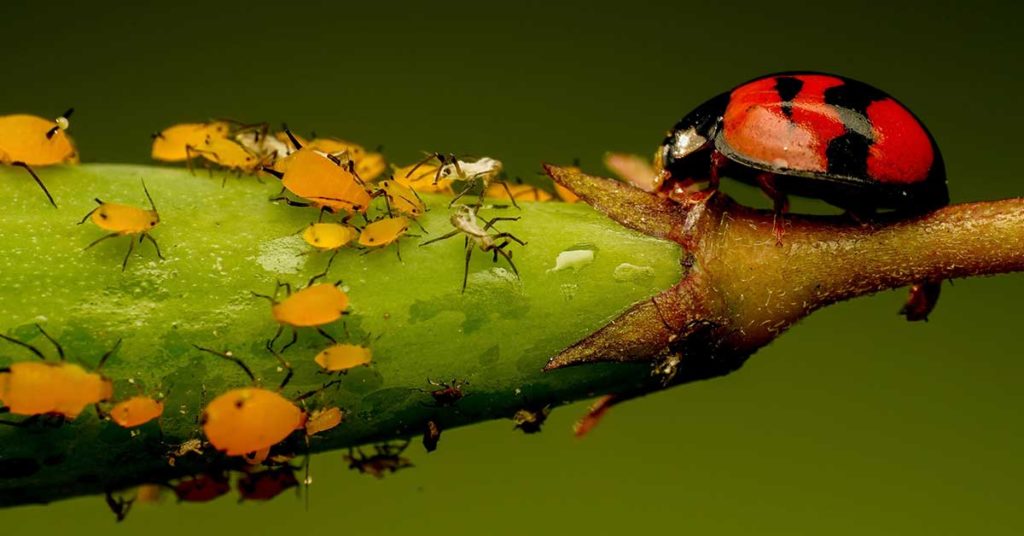
One of my favorite ways to manage pests is to attract beneficial insects to your garden. These are the good guys—like ladybugs, lacewings, and parasitic wasps—that love to feast on aphids, mites, and other harmful pests. Planting native flowers like yarrow, goldenrod, and fennel is a fantastic way to draw them in. These plants are not invasive; they’re well-adapted to the local environment and won’t overtake your garden. Plus, they’re beautiful additions that provide color and texture to your garden beds!
The trick is to create a welcoming habitat for these helpful insects. Avoid using broad-spectrum pesticides, which can harm both the good and bad bugs. Instead, try planting a variety of flowers that bloom at different times, ensuring there’s always a food source available. Trust me, once you start seeing ladybugs on your plants, you’ll know you’re doing something right! Plus, it’s a delight to watch them go to work, knowing they’re helping to keep your garden in balance.
Use Organic Pest Control Methods

I’ve found that organic pest control methods can be super effective and much kinder to the environment—and your plants! Neem oil, for example, is a fantastic option. It’s derived from the neem tree, native to India, and works by disrupting the growth and reproduction of many common pests, like aphids, whiteflies, and spider mites. Just a light spray can keep these pests in check without harming beneficial insects like bees or ladybugs.
Another favorite of mine is diatomaceous earth, a natural powder made from fossilized algae. It works by dehydrating pests with exoskeletons, such as ants, slugs, and snails. Just sprinkle a little around the base of your plants, and it acts like a protective barrier. The great thing about diatomaceous earth is that it’s not harmful to pets or people, so you can use it safely around your home and garden. Just remember to reapply after rain to maintain its effectiveness!
Encourage Birds to Visit
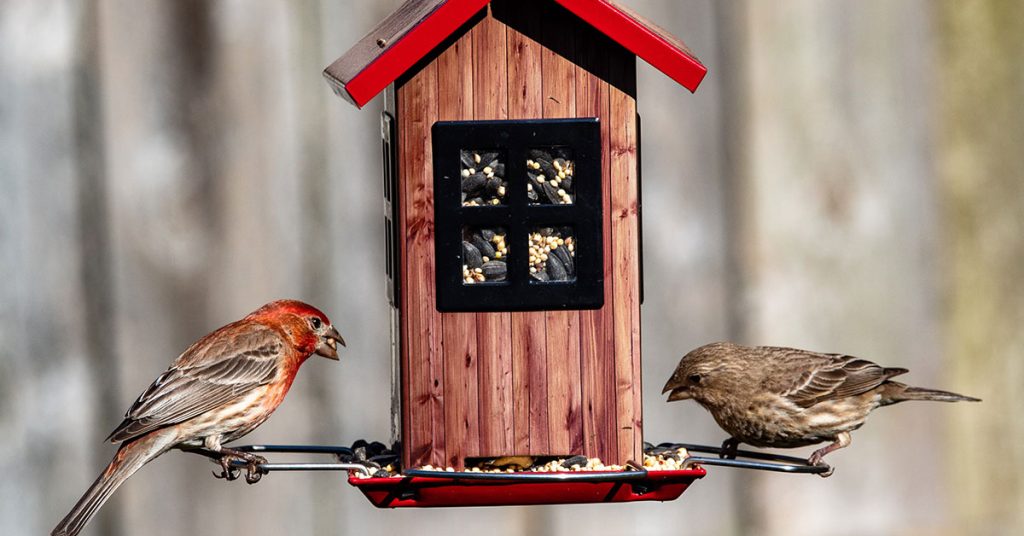
Birds are some of the best natural pest controllers around, and September is a wonderful time to encourage them into your garden. Birds like chickadees, sparrows, and wrens feast on caterpillars, beetles, and other insects that can wreak havoc on your plants. By providing food, water, and shelter, you create a haven for these feathered friends. Consider adding a bird feeder or birdbath to your garden, and don’t forget to leave some seed heads on your flowers for them to nibble on.
Another way to attract birds is by planting native shrubs and trees, like elderberry or serviceberry, which provide food and nesting spots. These plants are non-invasive and beneficial for the local ecosystem, helping to maintain a balance between wildlife and your garden. And let’s be honest, there’s nothing quite like the cheerful chirping of birds to make your garden feel alive and vibrant!
Set Up Physical Barriers
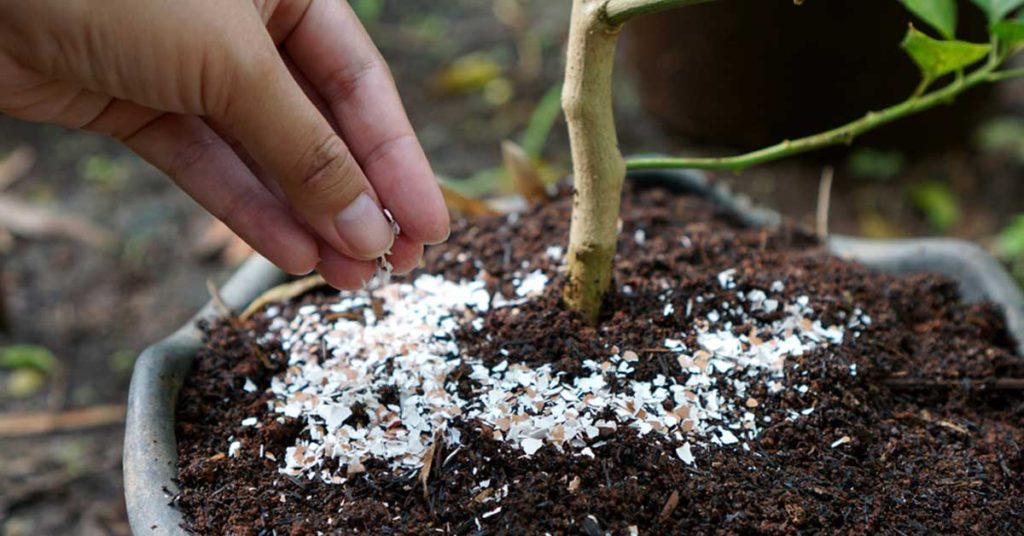
If you’re dealing with pests like slugs, snails, or even larger critters like rabbits, physical barriers can be a lifesaver. Slug and snail barriers, such as copper tape or crushed eggshells, create a surface that these pests find hard to cross. I’ve had great success placing these around the base of my raised beds or around particularly vulnerable plants. The best part? You’re not using any chemicals that could harm beneficial insects or the soil!
For larger pests, consider using netting or row covers. These are especially effective if you’re trying to protect crops from birds or insects like cabbage moths. They work by physically blocking the pests from reaching your plants while still allowing air, light, and water through. And don’t worry, they’re easy to put up and take down, so they won’t get in the way of your gardening. I love how simple and effective these barriers can be!
Keep Your Garden Clean
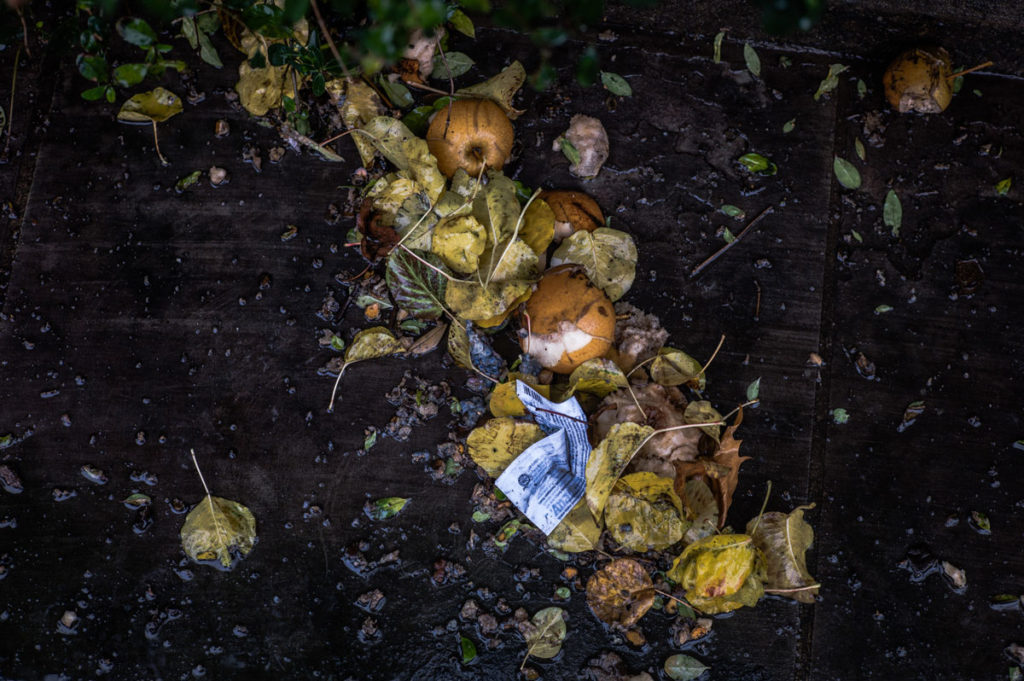
This might seem like an obvious tip, but keeping your garden clean is so crucial for managing pests! Fallen leaves, dead plants, and other debris can provide the perfect hiding spots for pests to lay eggs or overwinter. Regularly removing this material helps reduce the places where pests can thrive. I know it’s not the most glamorous task, but a bit of tidying up now can save you a lot of trouble in the spring.
While cleaning up, be sure to compost any healthy plant material, but discard any that looks diseased or pest-infested to avoid spreading problems. And don’t forget to turn your compost regularly! This helps break down the material faster and generates heat, which can kill off many pests and their eggs. A clean, tidy garden isn’t just more enjoyable to look at—it’s also much less inviting to those pesky pests!
Practice Companion Planting
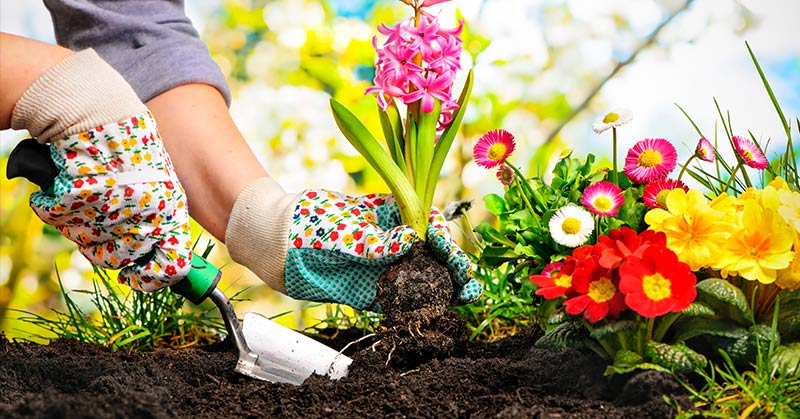
Companion planting is one of those techniques that I find both fascinating and incredibly useful. It’s based on the idea that certain plants can help each other out when grown together. For example, marigolds are fantastic at deterring nematodes and aphids, while basil can help keep tomato hornworms at bay. By strategically planting certain species together, you create a natural barrier against pests.
Native plants are excellent companions because they’re adapted to your local environment and attract beneficial insects. For instance, planting coneflowers (Echinacea) alongside vegetables can draw in pollinators and predator insects, reducing the need for chemical controls. It’s such a simple, beautiful way to maintain a healthy garden, and it makes your garden beds look so much more interesting and diverse!
Monitor Your Garden Regularly
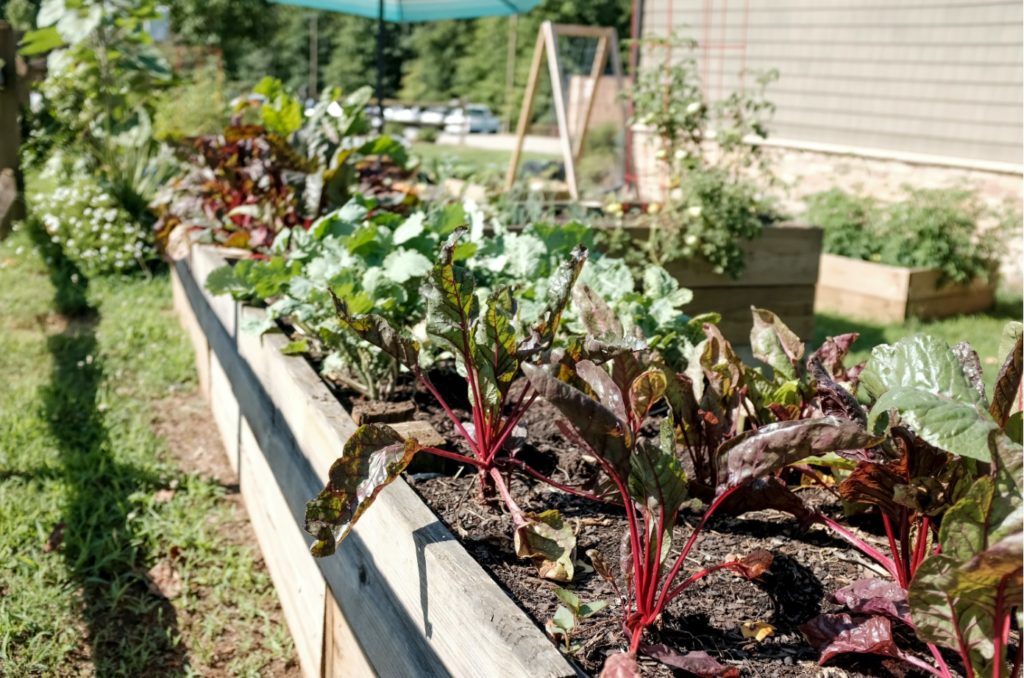
Regular monitoring is key to effective pest management. Make it a habit to walk through your garden daily or at least several times a week. Look under leaves, check stems, and even dig around a bit to see what’s going on beneath the surface. Early detection can make a huge difference in stopping an infestation before it gets out of hand. I can’t tell you how many times I’ve caught an aphid problem just in time, simply by being observant!
Monitoring also helps you understand which pests are present and how they’re behaving. Are they chewing on leaves, sucking sap, or laying eggs? Knowing this helps you choose the most effective control methods. Plus, you’ll get to know your plants better and notice when they’re happiest or when they’re stressed.