

Hello, fellow garden enthusiasts! If you’ve ever gazed at your backyard and wished you could capture the soothing, aromatic essence of a tea room right in your outdoor space, then a homemade herbal tea garden might be just what you need. I know how frustrating it is when pests overrun your garden or when you invest so much time in growing herbs that end up wilting in a shady corner. Over the years, I’ve discovered that with a little planning, the right plant choices, and some natural care techniques, you can create a thriving garden that not only produces delicious, aromatic herbs but also transforms your yard into a peaceful sanctuary. It’s a delightful project that brings beauty, sustainability, and a touch of therapeutic calm into everyday life!
In this article, I’m excited to share with you 11 compelling reasons to grow your own herbal tea garden—and how to actually use it! From selecting the best tea herbs and designing an eye-catching layout to harnessing natural pest control and turning your harvest into soothing tea blends, every step is a journey towards a more mindful, eco-friendly lifestyle. I’ll share tips on everything from soil preparation to companion planting, along with insights into the native origins and natural behaviors of these wonderful plants. Let’s dive in and discover how to make a garden that not only feeds your body but also nourishes your soul!
Natural Pest Management and Companion Planting
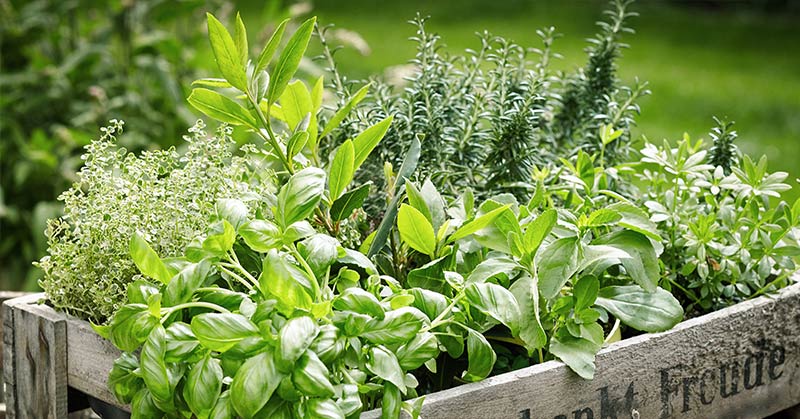
One of the biggest challenges in gardening is controlling pests without resorting to harsh chemicals. With an herbal tea garden, you can harness the power of companion planting to naturally deter pests! Many tea herbs—like chamomile and lemon balm—are native to regions in Europe and North America and are known for their pest-repellent properties. By planting these herbs alongside more delicate tea plants, you create a living barrier that attracts beneficial insects, such as ladybugs and parasitic wasps, which help keep pest populations in check. This natural method of pest control is not only eco-friendly but also enriches your garden’s biodiversity.
Moreover, companion planting encourages a vibrant microhabitat where every plant plays its part. The interplay between different species can provide shelter for small insects and even nesting opportunities for birds, fostering an ecosystem that thrives on natural balance. For example, while chamomile is non-invasive and native to Europe, it can provide protective cover for more vulnerable plants. This harmonious approach minimizes stress on your garden and creates a self-sustaining environment where chemical interventions become unnecessary—a win for both you and the planet!
Selecting the Best Tea Herbs
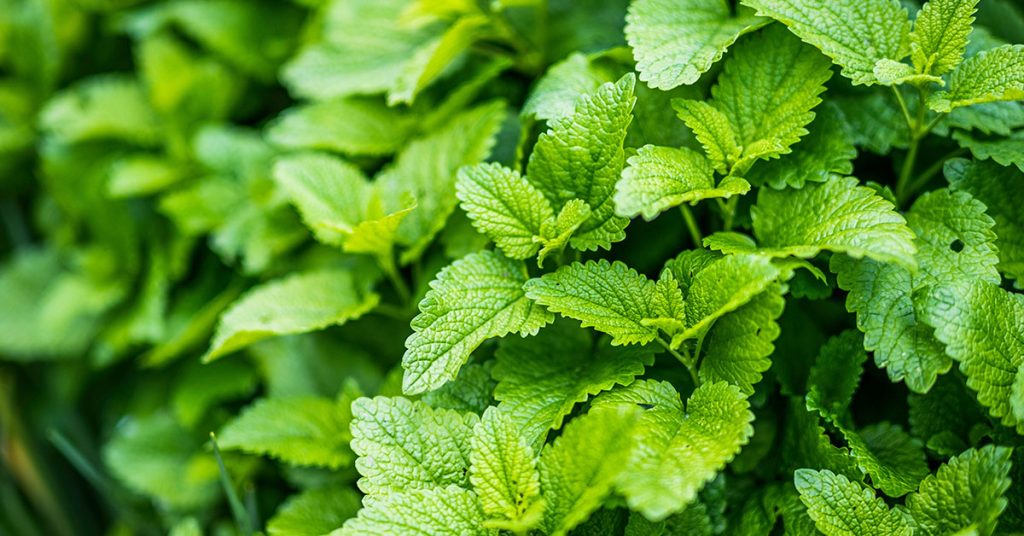
Choosing the right herbs is the foundation of a successful herbal tea garden. When it comes to tea, you want plants that not only yield a rich, aromatic flavor but also attract beneficial pollinators and thrive naturally in your climate. Herbs such as lemon balm, native to Europe, and blue vervain, native to North America, offer delightful flavors and have been cherished for their medicinal properties for centuries. I’ve discovered that these plants not only elevate the taste of your tea blends but also provide a natural habitat for bees and butterflies, ensuring a constant, healthy bloom throughout the growing season!
In addition, selecting herbs that are non-invasive and well-adapted to your local environment is key. For instance, spearmint, which hails from Europe, can be quite vigorous but remains controllable when grown in dedicated beds or containers. By carefully choosing herbs with complementary growth habits and ecological benefits, you create a garden that supports itself and offers year-round harvests. This thoughtful selection process sets the stage for a garden that is as productive as it is beautiful—a true delight for any tea lover!
Harvesting Techniques for Maximum Flavor
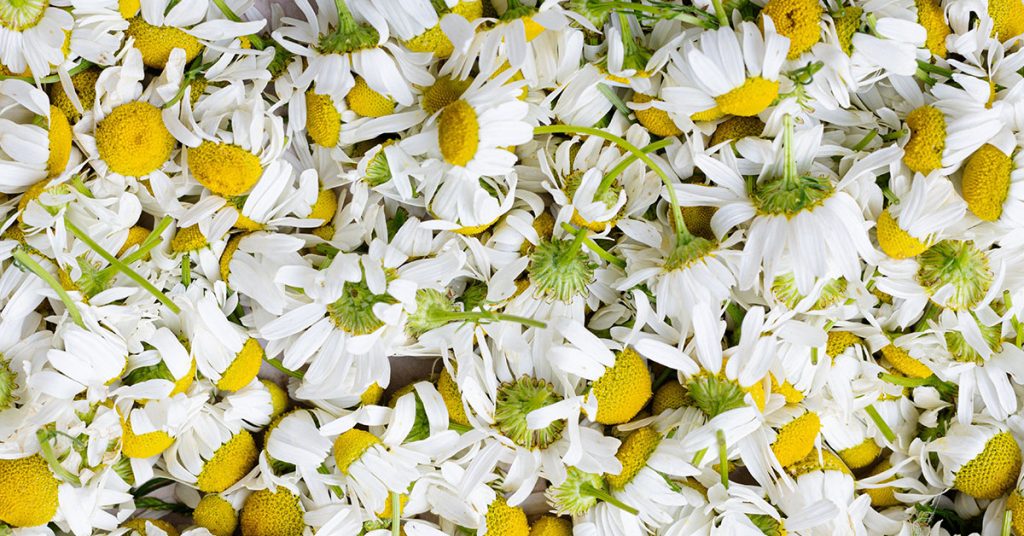
Harvesting your tea herbs at the right moment is crucial for unlocking their full flavor potential. The secret is to snip the tender, vibrant leaves just before the plants flower, ensuring a concentrated burst of essential oils and aromatic compounds. I always make sure to use clean, sharp scissors to avoid damaging the plants and to gather the freshest leaves during the early morning when the aroma is at its peak! Many of these herbs, such as chamomile (native to Europe) and lemon balm (native to the Mediterranean), offer their best flavors when harvested at this optimal time, ensuring your teas are as potent and refreshing as nature intended.
Additionally, proper harvesting techniques help promote continuous growth and maintain a healthy microhabitat. When you remove just the right amount of foliage, the plant responds by producing more leaves, which in turn attracts more pollinators and beneficial insects. This cycle of harvesting and regrowth ensures that your herbal tea garden remains lush and productive throughout the season. With careful attention to timing and technique, you can enjoy a never-ending supply of flavorful leaves for your tea rituals—a true reward for every gardener!
Preparing the Soil and Planting

The success of your herbal tea garden begins beneath the surface with proper soil preparation. Most tea herbs thrive in well-drained, nutrient-rich soil that mimics their native environments—think Mediterranean sands for rosemary or loamy, slightly acidic soil for lemon balm. I always start by amending my garden beds with organic compost and a little natural fertilizer to ensure that the soil is rich in nutrients and teeming with beneficial microorganisms. This foundation not only supports robust plant growth but also creates a vibrant microhabitat that attracts small soil invertebrates and helps break down organic matter!
Once your soil is prepared, it’s time to plant your herbs in a way that maximizes their natural beauty and functionality. Consider interplanting herbs with complementary growth habits—like pairing the low, spreading nature of thyme with the upright, aromatic stalks of mint—to create a visually appealing, layered garden. This method not only makes efficient use of space but also encourages beneficial interactions, such as improved pollination and natural pest control. Each herb, whether native to Europe, North America, or the Mediterranean, contributes to a balanced ecosystem that supports year-round growth and harvests!
Designing Your Herbal Tea Garden Layout
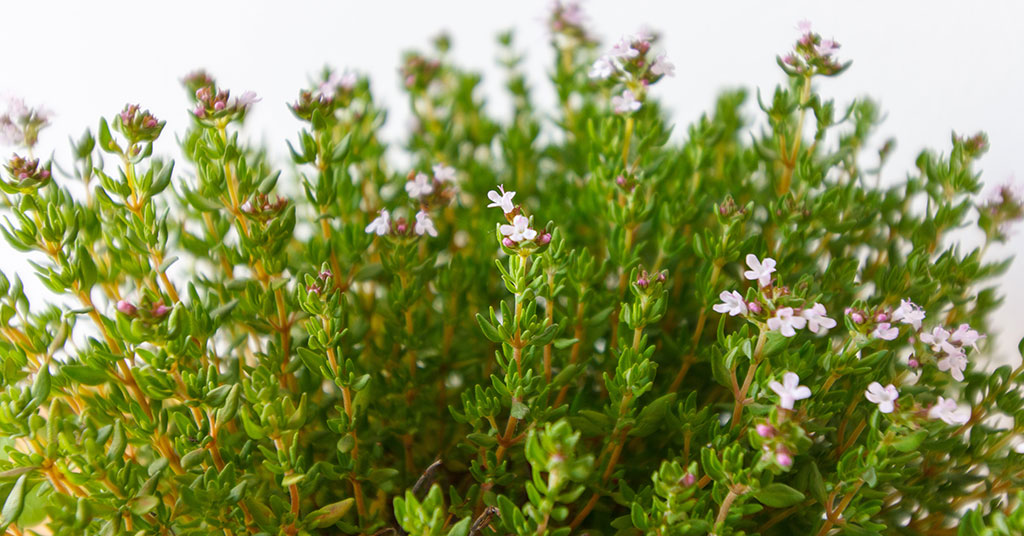
A well-designed garden layout is essential to both the aesthetics and functionality of your herbal tea garden. When planning your space, think about creating sections that mimic natural ecosystems—areas that attract pollinators, provide nesting spots for beneficial insects, and allow each herb to shine in its own way. I always love to mix height and texture, pairing taller plants like rosemary with lower-growing companions such as thyme and oregano, to create a dynamic and visually pleasing arrangement. This kind of layout not only looks stunning but also enhances the ecological balance of your garden by ensuring that each plant has the space and resources it needs.
Additionally, consider pathways and grouping by native regions or flavor profiles. For instance, you might dedicate one corner to Mediterranean herbs, where the soil and sunlight conditions are ideal, and another to cool-weather plants like lemon balm, native to Europe. This thoughtful organization can help prevent issues like overcrowding or nutrient competition and allows you to care for each section more effectively. A well-planned layout makes your garden not only a beautiful retreat but also a productive, sustainable source of herbal tea ingredients that you’ll actually use—and enjoy—every day!
Caring for Your Herbal Tea Garden: Watering & Sunlight

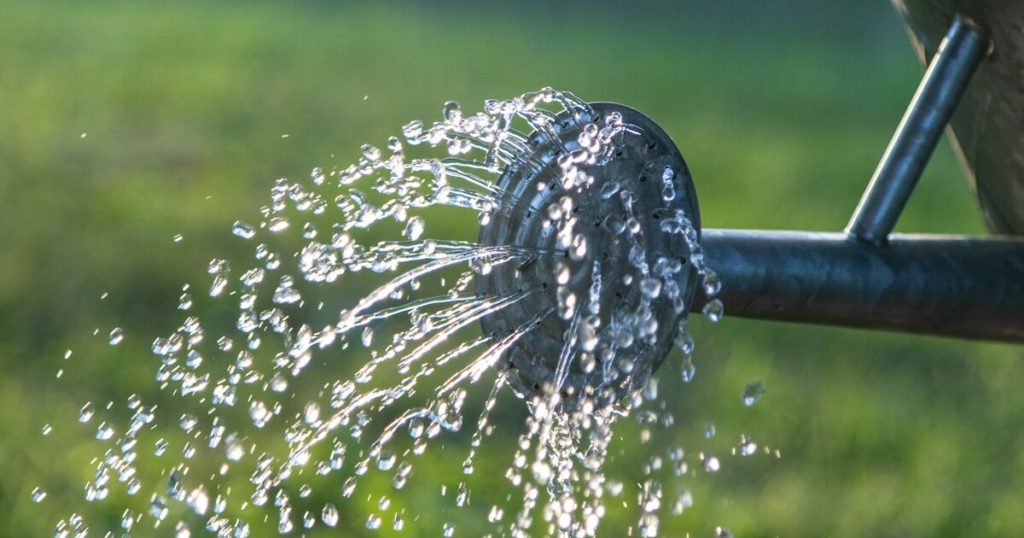
Proper watering and sunlight are the lifeblood of any herbal tea garden, ensuring that your plants grow strong and healthy all season long. Most tea herbs prefer full sun to partial shade, much like their native habitats in sun-drenched Mediterranean or temperate regions. I always make sure to position my garden in a spot where it receives at least six hours of sunlight a day—this is key to developing the rich flavors and aromas that make your tea so special! Adequate watering is equally important; while herbs like rosemary and thyme are drought-tolerant, others like chamomile and lemon balm prefer consistent moisture, so it’s crucial to strike a balance that suits each plant’s needs.
Equally vital is the practice of mulching, which helps retain soil moisture and regulate temperature, creating a favorable microhabitat for beneficial soil microbes. I often use organic mulches, such as straw or shredded leaves, to mimic natural forest floors, which are rich in nutrients and teeming with life. This approach not only conserves water but also enhances the flavor and health of your herbs by maintaining consistent growing conditions. With proper sunlight and watering, your herbal tea garden will thrive, rewarding you with an abundant, aromatic harvest that’s perfect for brewing the most refreshing teas!
Harvesting Your Herbs for Tea
Knowing when and how to harvest your tea herbs is key to unlocking their full flavor and medicinal benefits. Most herbs reach their peak flavor just before they flower, so timing your harvest is essential. I always encourage gardeners to use clean, sharp tools to snip the tender, aromatic leaves at the right moment—this ensures maximum potency and preserves the delicate oils that give your tea its unique character! Many herbs used in tea gardens, such as chamomile (native to Europe) and peppermint (native to Europe and Asia), require precise timing to capture their best qualities, so patience and attention to detail are rewarded with every harvest.
Moreover, the act of harvesting itself creates a natural cycle of growth and renewal, attracting beneficial insects that love the fresh, green foliage and its subtle scents. Each cut encourages the plant to produce new growth, which in turn attracts a dynamic array of pollinators and natural pest controllers. This continuous cycle of regrowth not only sustains your herbal tea garden but also enhances the ecological balance of your outdoor space. With every harvest, you’re not only collecting ingredients for a soothing cup of tea—you’re also nurturing a living, thriving ecosystem!
Drying, Storing, and Brewing Your Tea

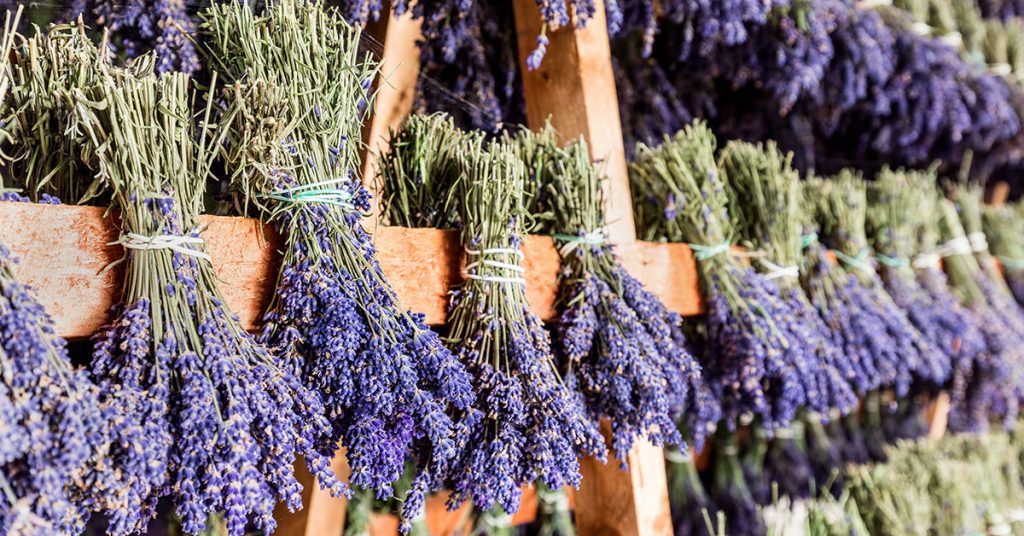
The journey from garden to cup doesn’t end with harvesting; the next step is drying, storing, and brewing your herbal tea. After carefully collecting your tea herbs, the drying process is crucial to preserving their vibrant flavors and medicinal properties. I recommend spreading your herbs in a cool, dark, and well-ventilated space—like a shaded porch or a dedicated drying rack—to slowly remove moisture without degrading their natural oils. This method, which respects the plant’s native characteristics, ensures that each herb remains potent and aromatic, ready to be transformed into a delicious, soothing brew!
Once your herbs are perfectly dried, storing them in airtight containers away from direct sunlight is key to maintaining their freshness and flavor. I love the ritual of blending my dried herbs into custom tea mixes that reflect the changing seasons and my garden’s unique bounty. The brewing process itself becomes an act of mindfulness, connecting you to the care and effort you put into your garden. Enjoying a cup of tea made from your very own garden is a rewarding experience that embodies the true essence of sustainable living—natural, nourishing, and utterly satisfying!
Creative Tea Recipes and Uses
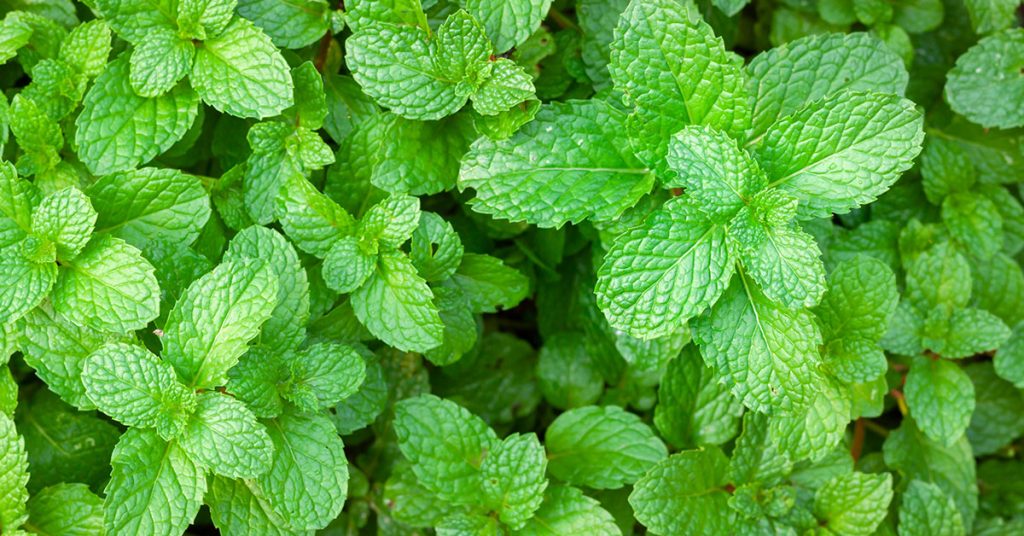
One of the most delightful aspects of an herbal tea garden is the endless array of creative recipes and uses you can experiment with. From refreshing iced teas to soothing hot infusions, each blend allows you to capture the unique flavors of your garden’s bounty. I love mixing chamomile with a hint of lemon balm for a calming bedtime tea, or blending peppermint with a touch of blue vervain for an energizing, aromatic brew! These recipes not only showcase the distinctive tastes of each herb but also pay homage to their native roots and natural behaviors.
In addition, many herbal tea blends have been used for centuries for their therapeutic benefits. The act of creating your own tea recipes is both an art and a science—experimenting with different combinations can result in a cup of tea that not only delights your taste buds but also supports your overall well-being. Whether you’re looking to soothe stress, boost immunity, or simply enjoy a moment of calm, your herbal tea garden offers a personalized, sustainable way to nurture yourself. It’s a rewarding journey that celebrates the fusion of flavor, tradition, and natural wellness!
Maintenance and Seasonal Care
Maintaining your herbal tea garden is essential for ensuring year-round productivity and beauty. Regular care, including proper watering, occasional pruning, and seasonal mulching, keeps your herbs thriving in their native conditions while supporting a balanced microhabitat. I understand how frustrating it is when pests or unpredictable weather disrupt your garden’s rhythm, so investing time in maintenance can save you countless headaches down the road! By following a simple care routine tailored to each herb’s needs, you can enjoy continuous blooms and abundant harvests throughout the year.
Seasonal adjustments are key to preserving the vitality of your herbal tea garden. In cooler months, provide extra protection for delicate herbs, while in the heat of summer, ensure that your garden receives adequate moisture without becoming waterlogged. These thoughtful practices not only enhance the health of your plants but also support the beneficial insects and microbes that thrive in a well-maintained garden. With regular attention and care, your herbal tea garden will remain a vibrant, sustainable oasis that nourishes both your body and your soul!
Enjoying Your Herbal Tea Garden

The ultimate joy of growing your own herbal tea garden is the opportunity to enjoy the fruits of your labor every day. There’s nothing quite like the satisfaction of sipping a freshly brewed cup of tea made from herbs you’ve nurtured from seed to harvest. I always find that the process of enjoying your own herbal tea creates a deep connection with nature, turning a simple drink into a moment of mindfulness and gratitude. The garden becomes not just a source of nourishment but a sanctuary that refreshes your spirit and fuels your creativity!
Moreover, sharing your herbal tea with friends and family can turn your garden into a gathering place filled with warmth, conversation, and natural beauty. Each cup of tea tells a story of the garden’s journey—from the native fields where the plants once thrived to the care and dedication you invested in preserving their flavor and aroma. This connection to nature and community is one of the most rewarding aspects of having an herbal tea garden. It’s a delightful way to celebrate sustainable living and enjoy the small, natural pleasures of life every single day!