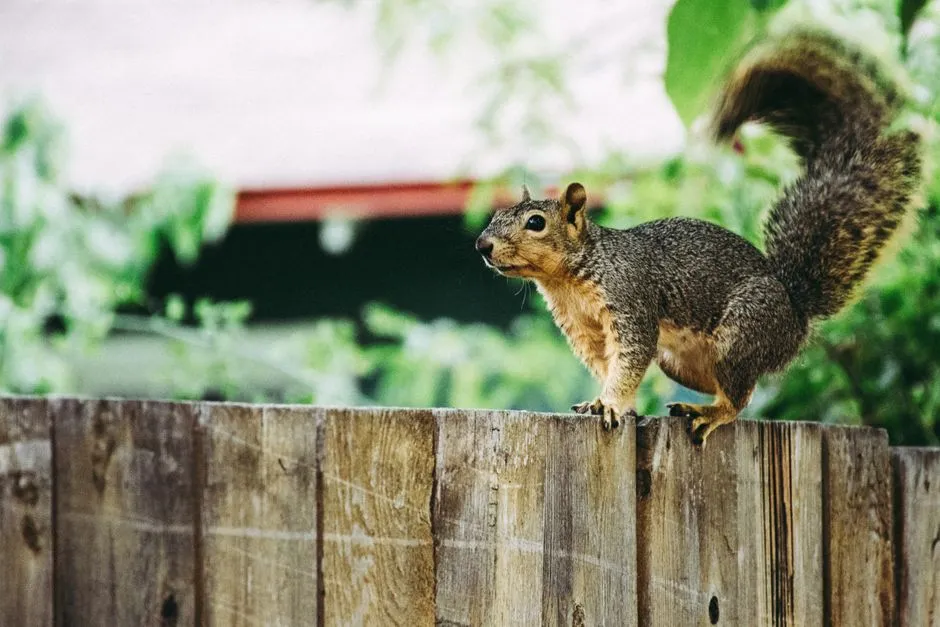

Most gardens go quiet after dark, at least to human eyes. In reality, a whole other world clicks into gear at dusk. Hedgehogs begin their nightly patrols, bats sweep low over flower beds, foxes nose through leaf litter, and badgers emerge from nearby setts with quietly purposeful confidence. These animals don’t just pass through gardens incidentally. For many of them, private gardens have become one of the last reliable foraging corridors left in an increasingly developed landscape.
The trouble is that most gardens were designed with daytime use in mind. Security lights, garden netting, slug pellets, steep-sided ponds, and fully enclosed fences can all turn a seemingly welcoming space into a quiet hazard zone. Making your garden genuinely safe for nocturnal foragers takes only a handful of deliberate changes. What follows covers the ten most important ones.
Understand Who’s Visiting After Dark
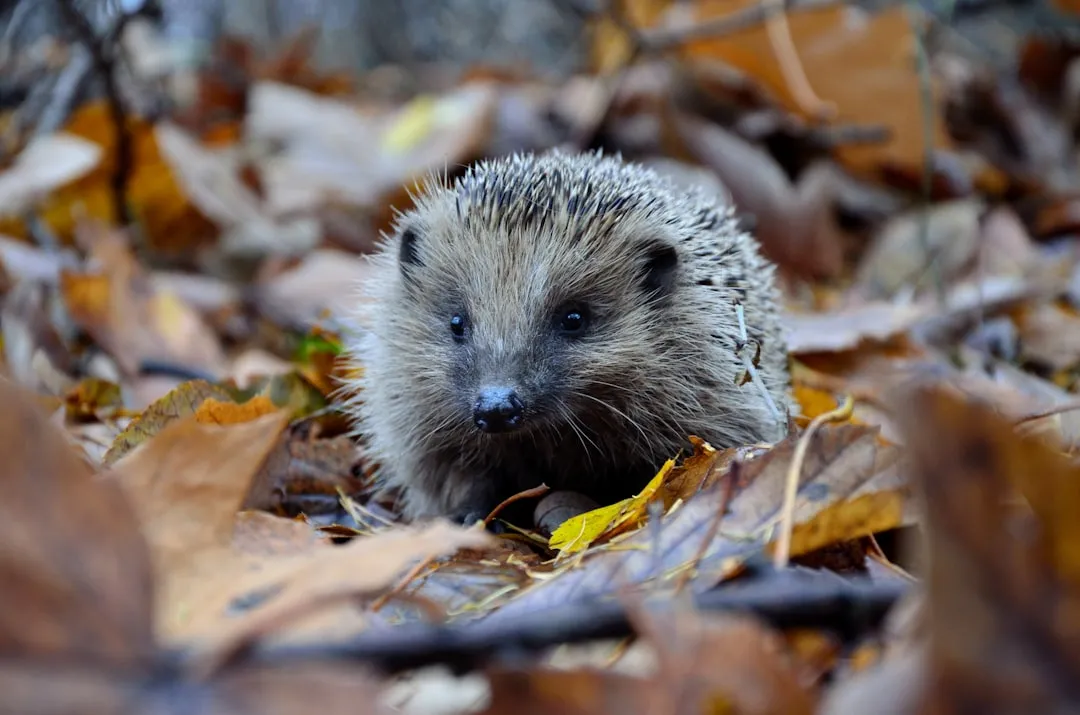
Common nocturnal animals visiting gardens include raccoons, Virginia opossums, and great horned owls, each with unique adaptations for night-time survival. In the UK specifically, hedgehogs, foxes, badgers, and bats are the most frequent garden visitors after sunset. Unlike diurnal creatures, nocturnal animals are active during the night, taking advantage of darkness to find food while avoiding predators and heat.
Nocturnal foragers rely heavily on senses other than sight, such as hearing, smell, and touch. Some have specialized adaptations like echolocation in bats and heightened olfactory systems. Knowing which animals are likely in your area matters, because different species face different hazards. A garden audit done with this in mind is worth far more than a general tidy-up.
Recognize the Scale of the Problem
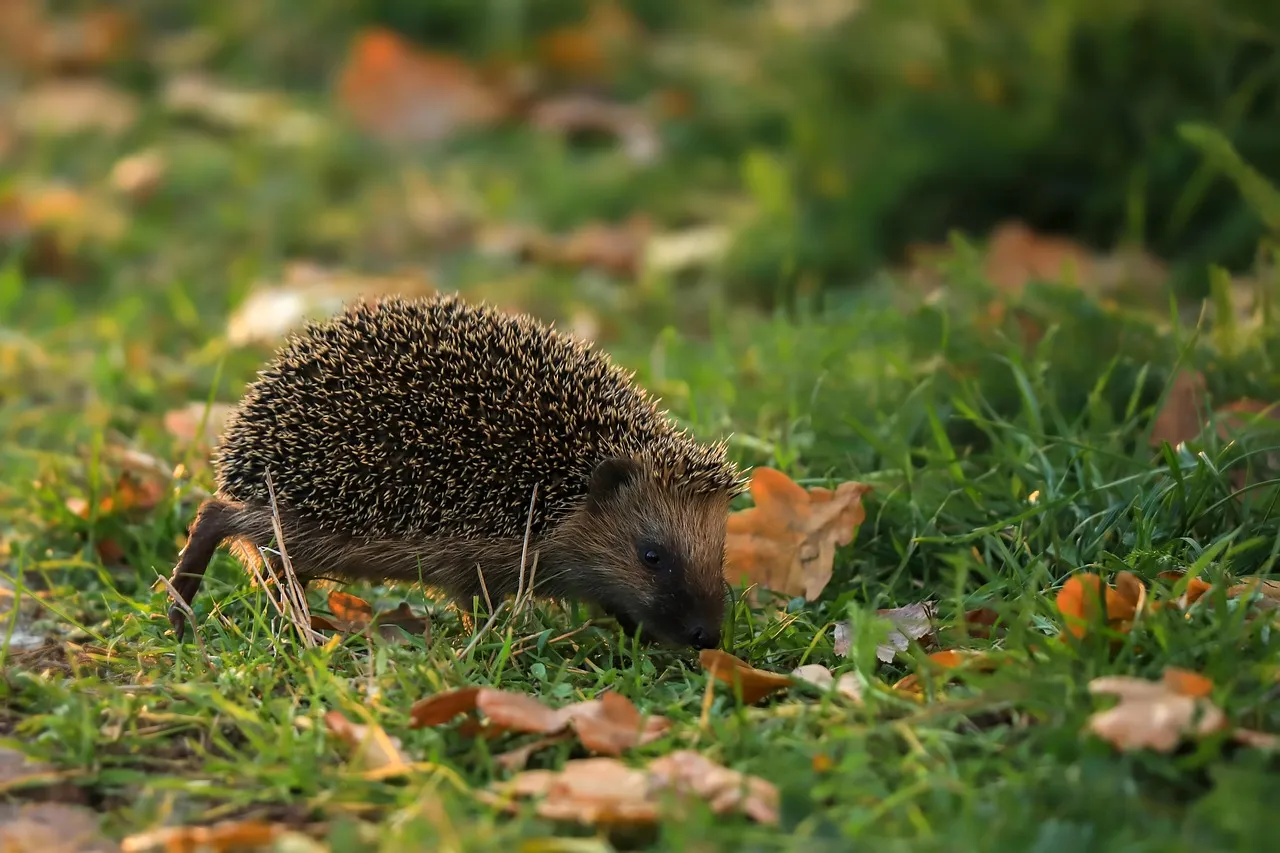
Hedgehogs, beloved garden visitors, are in serious decline. Surveys in the latest State of Britain’s Hedgehogs report estimate that hedgehog numbers have decreased by up to 75% in rural areas since the turn of the century. The picture in urban gardens is only slightly more encouraging. A 2024 survey showed an increase of just two percentage points in hedgehog sightings in UK gardens, which is notable given years of consistent decline.
The rural hedgehog population across Britain has declined by between 30% and 75% since 2000, with hedgehogs declining by an average of 8.3% yearly over the past two decades, according to the Natural History Museum. In 2024, hedgehogs were listed as “near threatened” on the International Union for Conservation of Nature’s red list, largely due to habitat loss and lack of wildlife corridors. The data is not abstract. Every enclosed, pesticide-treated, over-lit garden is a small part of this bigger picture.
Cut Hedgehog Highways Into Your Fences
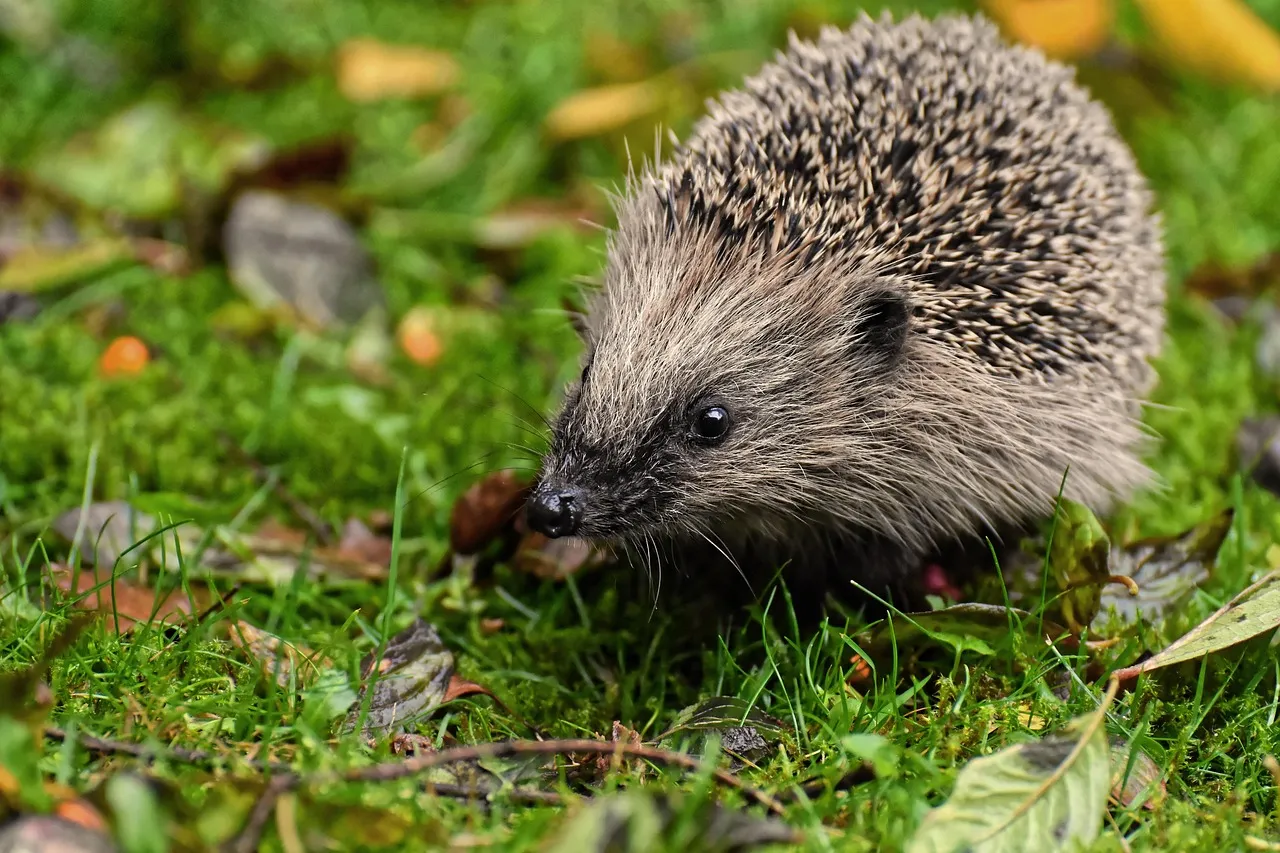
Hedgehogs can walk a mile or more a night looking for food and a mate, yet many garden creatures need to move about freely between gardens but find their natural highways blocked by fences. A single garden is unfortunately too small for a hedgehog’s survival, and adult hedgehogs can roam as far as 3km a night, especially in search of a mate.
Removing barriers to a hedgehog’s nightly wandering is the most important action we can take for the species. A 13cm x 13cm hole is sufficient to create a corridor from one garden to the next, and this can be drilled through wooden fence panels or cut as a gap in a wire fence. Results from real communities back this up. A Gloucestershire Wildlife Trust study found a 39% increase in hedgehog sightings after people made highways, and in a similar study in Reading, 54% of people observed an increase in hedgehog activity in their gardens after creating at least one hedgehog highway.
Ditch the Pesticides and Slug Pellets
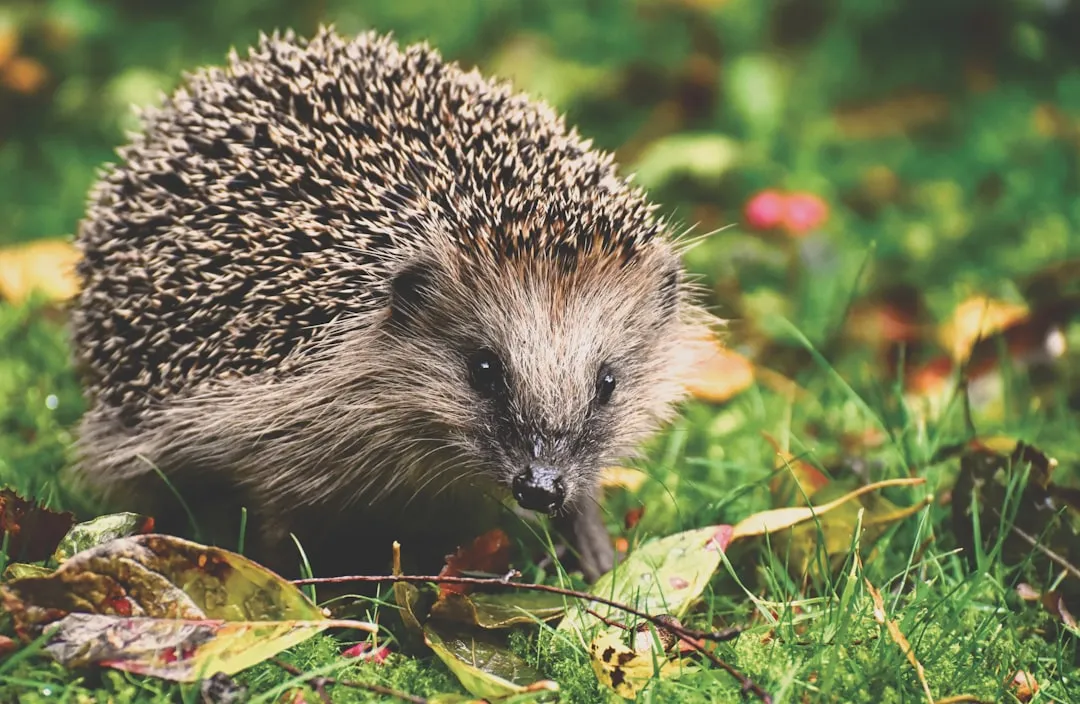
Garden chemicals such as insecticides and slug pellets reduce the natural food available for nocturnal animals. Tiny quantities of chemicals are present in slugs and beetles, and as hedgehogs may eat hundreds of these every month they can accumulate enough poison to affect their health. The harm isn’t limited to hedgehogs either.
Pesticide use is a major backyard habit that harms bats, because pesticides eliminate bats’ food source: insects. Foraging in gardens and croplands makes bats vulnerable to pesticide exposure through consumption of contaminated prey, and bats present physiological characteristics such as high metabolism and low fecundity that could make them especially vulnerable to pesticide effects. Beer traps, copper strips, or simply removing slugs by hand are all effective, non-toxic alternatives that protect the wider food chain.
Fix Your Garden Lighting
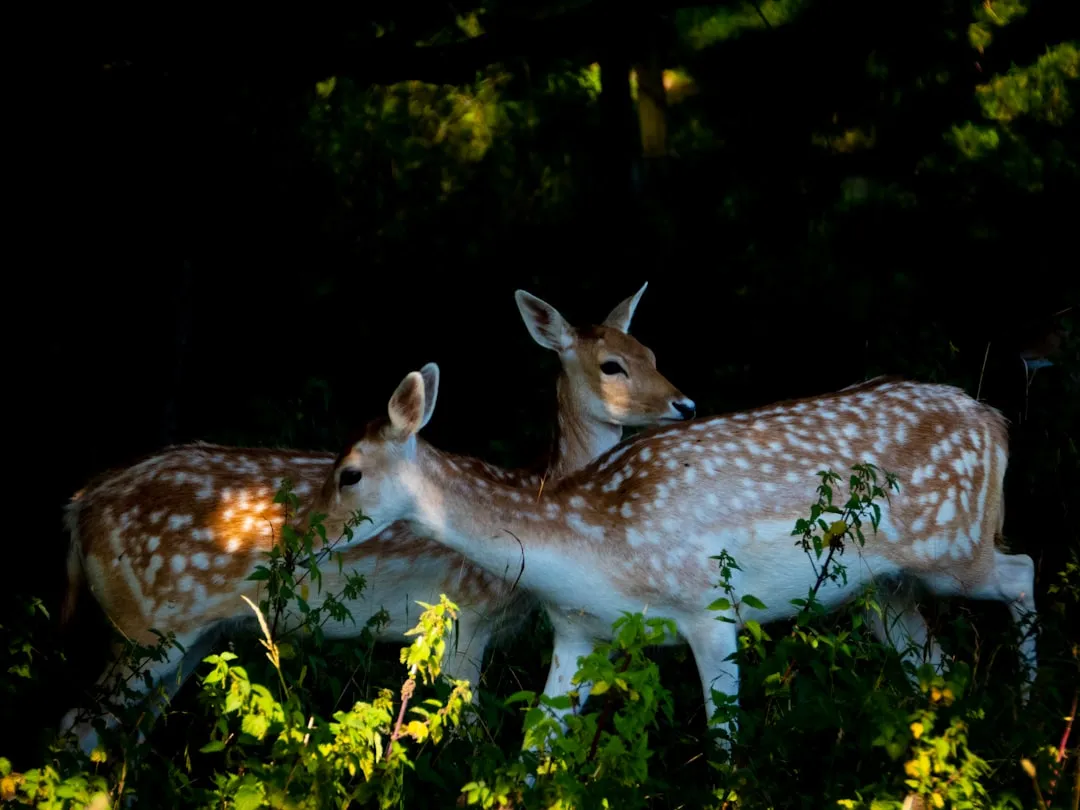
In lit areas, shorter periods of night-time darkness mean less time for foraging or hunting of crepuscular and nocturnal species, reducing their temporal niche. Bat species are affected in their roosting, navigating, foraging, and migrating behaviors due to outdoor lights. Even the type of bulb matters. LEDs attract more moths and flies but fewer beetles than sodium lamps, and LEDs with cool white light at the blue end of the spectrum attract more insects than warm white ones.
Using downward-facing, shielded lighting and positioning lights as low as possible, aiming to direct their focus to areas that need illumination, significantly reduces harm. As a general rule, dim lights such as warm white solar-powered lights are less likely to affect wildlife. Motion-activated lights that stay off unless triggered are a practical middle ground for households that need some security lighting.
Make Your Pond Wildlife-Friendly

If a hedgehog falls into a swimming pool or steep-sided pond, it often drowns because it cannot climb up the smooth sides. A strip of wire netting fixed to the side, or a pile of stones at the edge, will let the hedgehog escape. The same principle applies to ornamental ponds and water features. While hedgehogs can swim, they can easily drown if they fall into a pond with sides too steep to climb out. At least one side should have a shallow slope to allow easy access and escape from the water, or a short plank of wood wrapped in chicken wire can act as an escape ramp.
Garden pools can also harm bats, which are attracted to them as a water source but cannot navigate the walls. They can fall in and are unable to get out. Pool wildlife escape ramps can help bats and other wildlife avoid drowning by offering a safe exit. A sloped pond edge costs almost nothing to build but can be the difference between life and death for a visiting animal.
Remove or Raise Garden Netting
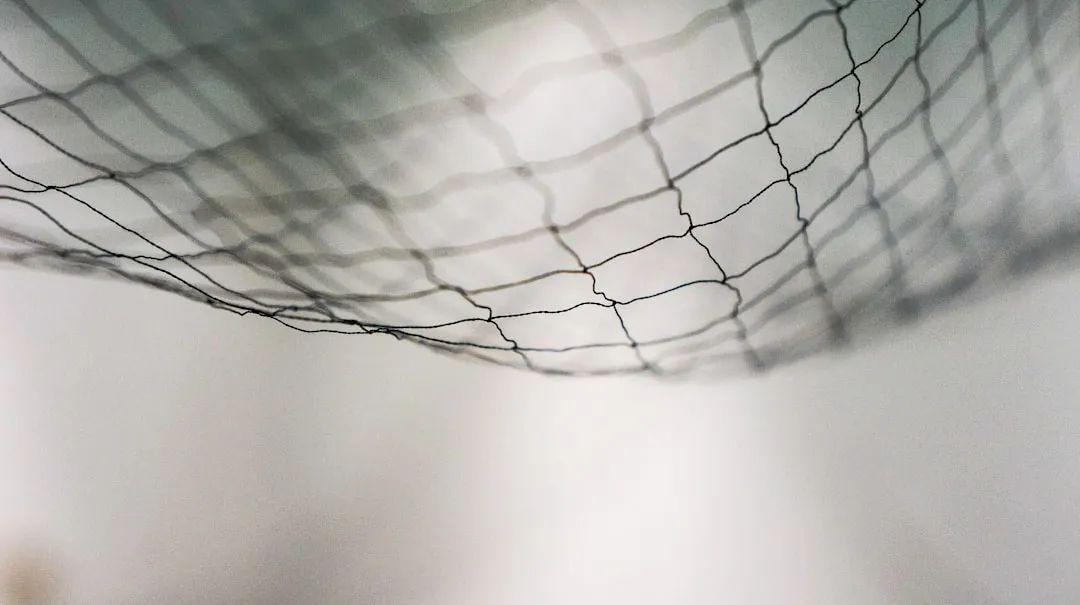
Hedgehogs frequently become entangled in netting, particularly low-hung netting used to protect plants from birds. Garden netting can prove to be a serious problem, and unused netting needs to be safely stored away. If you’re unable to leave a gap of 8 inches from the ground, ensuring the netting is safely secured at ground level can help.
The solution is straightforward: raise netting well above ground level during the hours of darkness, or remove it entirely when it’s not serving an active purpose. If you do find a hedgehog tangled up in garden netting, it is best to call a local hedgehog carer for immediate help and advice. Loose horticultural fleece and fruit cage netting left trailing on the ground after sunset are among the most underestimated hazards in any garden.
Check Before You Strim, Mow, or Light Bonfires
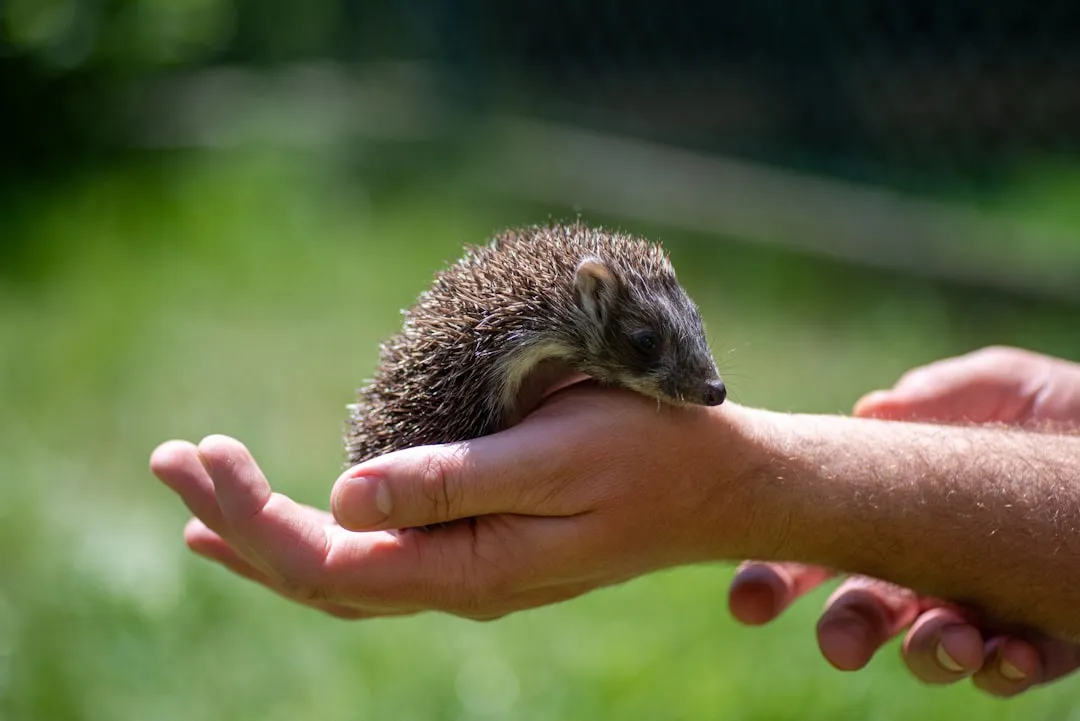
Hedgehogs and other creatures will sleep out in long grass during the day when the weather is fine. Before using shears, a lawnmower, or a strimmer, it is wise to search the area first, because while most animals flee from danger, a hedgehog’s natural defence is to curl into a ball, which offers no protection against garden machinery.
There are also seasonal hazards, including bonfires. Every autumn there is a plea from hedgehog carers for people to check piles of old wood and garden refuse for hedgehogs before setting them on fire. Compost heaps and piles of autumn leaves, whilst undisturbed, are attractive resting options for hedgehogs during daylight hours and are also potential hazards. A thorough check before turning over compost heaps and fallen leaves is a good habit to adopt.
Plant Native Species to Boost Insect Food Sources
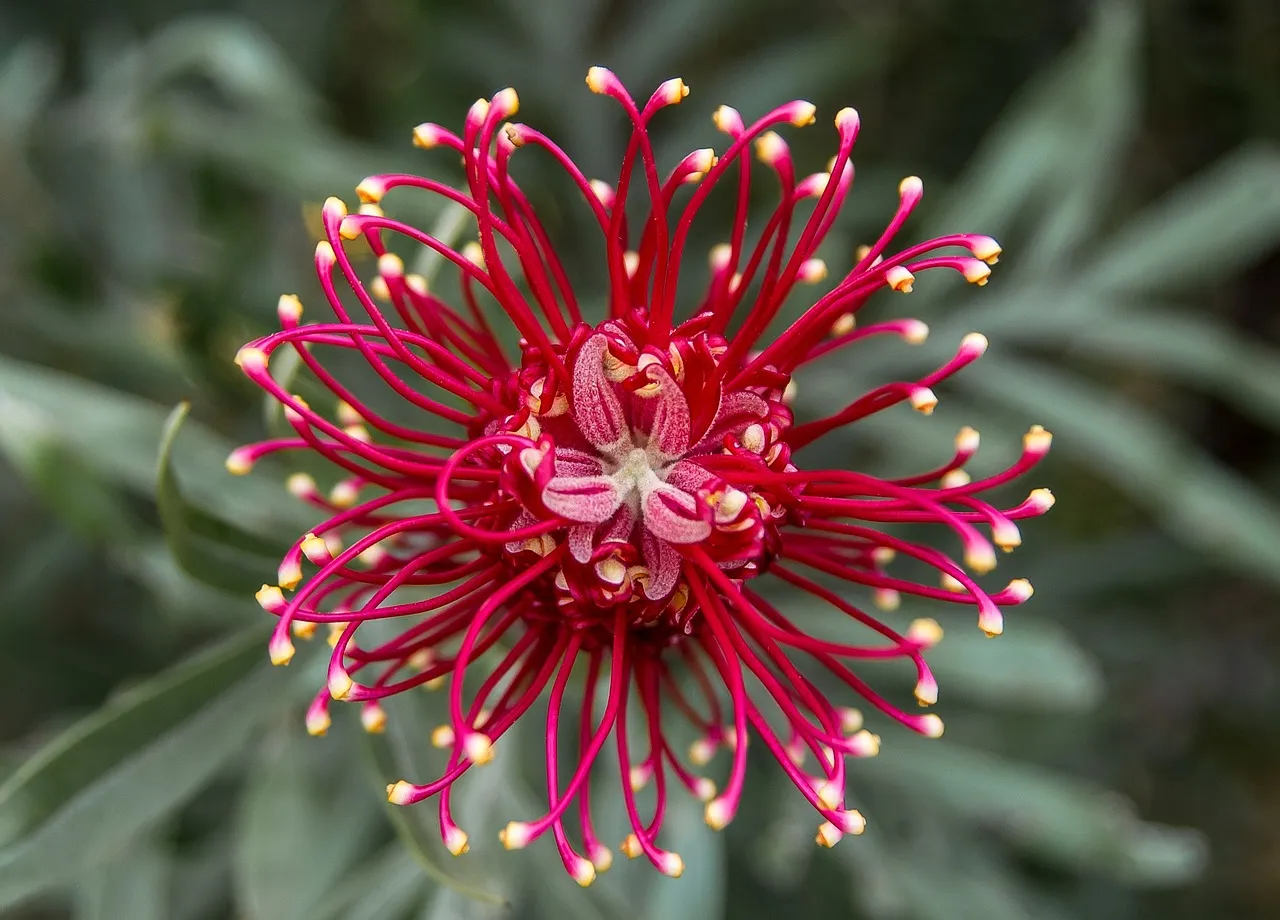
Urban trees and plants aren’t just shelters; they are also vital food sources for nocturnal wildlife. Many plants produce edible resources that nocturnal animals rely on. Leaf-eating insects such as caterpillars become food for bats and birds, and trees and plants attract flying insects which in turn attract insectivorous bats and birds. Native plant choices make a measurable difference here.
Figures show that the distribution of pollinators, including bees, hoverflies, and moths, has decreased by roughly one fifth on average, while species providing pest control, such as the 2-spot ladybird, have declined by about a third. Planting native flowering species extends the insect season well into autumn and effectively builds a living pantry for the nocturnal visitors that depend on them. Dense shrubs and log piles add nesting and resting spots alongside the food supply.
Provide Water, Especially During Dry Spells
The Western European Hedgehog is classified as “near threatened,” and dry conditions have impacted the availability of food, with drought affecting the prey that hedgehogs depend on. Water scarcity compounds this. Unless people are putting water out, there is no water for wildlife in drought conditions, and food also becomes very scarce as a result.
A shallow dish of fresh water placed at ground level and refreshed daily can serve hedgehogs, foxes, bats, and many other nocturnal visitors. Keep it in a shaded spot to slow evaporation. Avoid adding any cleaning agents, and check it regularly for debris. This is probably the single lowest-effort change a gardener can make, and during hot summers it may be the most immediately impactful one of all.
Conclusion
A wildlife-friendly garden after dark doesn’t require a major redesign. Most of the changes described here take an afternoon at most, cost little, and improve the garden for daytime visitors too. The evidence is clear that nocturnal species face compounding pressures from habitat loss, light pollution, pesticides, and physical barriers, and that private gardens now form a significant part of the last connected green space many of these animals can reliably use.
The gap cut in a fence, the raised pond ramp, the slug pellets left on the shelf at the garden centre, the security light left off for the night: these small choices aggregate across millions of gardens into something genuinely meaningful. Wildlife doesn’t distinguish between a “wildlife garden” and an ordinary one. It simply uses the spaces left open to it. Leaving a few more of those spaces open after dark is a reasonable thing to ask of any garden.
AI Disclaimer: This article was created with the assistance of AI tools and reviewed by a human editor.