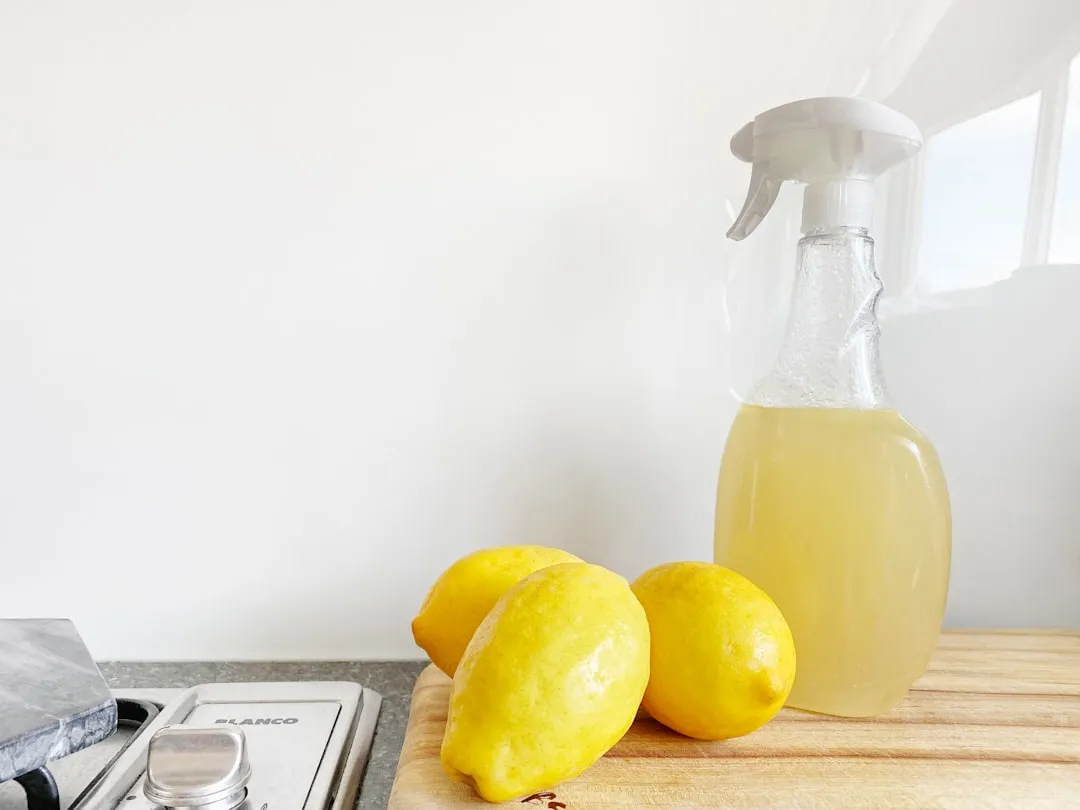

Most people have two things in their kitchen that, combined, can replace a shelf full of commercial cleaning products: a bottle of white vinegar and the peels left over from a lemon or an orange. What results from this simple pairing is a genuinely useful, low-cost cleaner that works across most household surfaces and smells far better than either ingredient on its own.
This isn’t a cleaning fad. The chemistry behind it is real, the method is straightforward, and the limitations are worth knowing before you start. Here’s everything you need to make it properly.
Why Vinegar Is Such a Capable Cleaner
Vinegar’s primary component, acetic acid, possesses antimicrobial properties that target various pathogens, making it a valuable product for sanitizing surfaces. That’s the foundation of why it has been used for household cleaning for generations. It’s often used on non-porous surfaces and is known to break down mineral deposits and soap scum.
The active component of vinegar, acetic acid, works by penetrating cell membranes and disrupting a microorganism’s internal balance. It can inhibit essential processes such as nutrient transport and energy production inside bacterial cells. That’s a meaningful action, even if it’s not the same as a hospital-grade disinfectant.
Research indicates that acetic acid can reduce Escherichia coli and Salmonella enterica, two common bacteria responsible for foodborne illnesses. For everyday kitchen cleaning, that’s genuinely useful to know.
What the Science Actually Says About Vinegar’s Limits

Vinegar has antimicrobial properties but is not a disinfectant by CDC standards. For full disinfection, use alongside a dedicated disinfectant product. It’s a distinction that matters, especially for households with young children, elderly family members, or immunocompromised individuals.
While vinegar can kill some bacteria due to its acetic acid content, it doesn’t meet the EPA’s requirement of eliminating 99.9% of germs, bacteria, and viruses necessary to be classified as a disinfectant. So it’s a strong everyday cleaner, not a replacement for targeted disinfection when it’s truly needed.
Research published in BMC Microbiology suggests that acetic acid does not have a disinfecting effect on microorganisms in a dosage commonly used for cleaning. However, this can be achieved by increasing the concentration of acetic acid used, especially when combined with citric acid. The study showed a disinfecting effect of acetic acid in a concentration of 10% and in the presence of 1.5% citric acid against a variety of microorganisms. Citrus peels, which contain citric acid naturally, therefore add real value beyond just scent.
The Role of Citrus Peels: More Than Just a Nice Smell
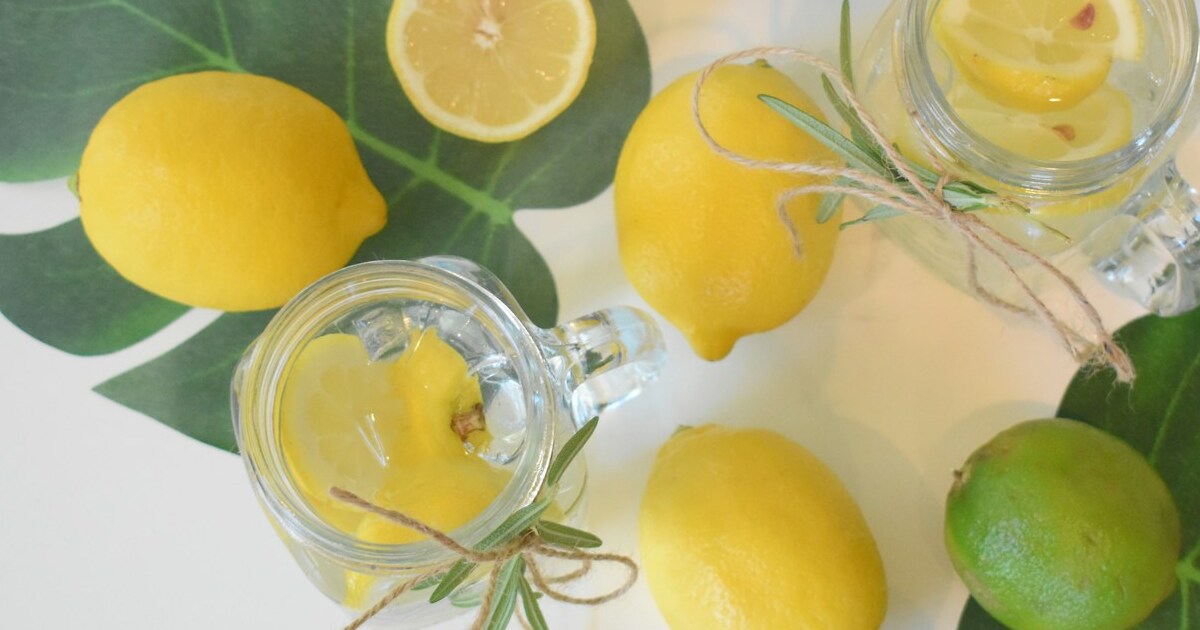
Citrus peel contains a compound called d-limonene, which has remarkable degreasing properties. This is the key reason citrus isn’t just a fragrance trick. It’s doing actual cleaning work.
Limonene is a natural cleaning solvent made from the oil in orange and lemon peels. It belongs to a group of compounds called terpenes, which occur in many plants. Limonene is widely used in laboratories, workshops, and households because it can remove oils, wax, and grease without the harshness of synthetic solvents.
It is renewable, biodegradable, and low in toxicity. Its ability to dissolve oils, greases, and sticky residues without harsh chemicals renders it ideal for use in kitchen degreasers, bathroom cleaners, and window sprays. That’s a well-rounded profile for a compound that comes from fruit scraps.
What You Need to Get Started
Making a homemade, all-natural, all-purpose cleanser is really quite simple. All it takes is some good old-fashioned white vinegar, some citrus peels, and a little time. No special equipment is required beyond what most kitchens already have.
The basic ingredients are citrus peels (enough to fill at least half of a mason jar) and white vinegar (enough to fill the jar and cover the peels). You’ll also want a fine mesh sieve for straining and a spray bottle for the finished product.
You can use any citrus peels you like: lemons, limes, oranges, and grapefruit, or a combination of all of them. Mix and match based on whatever citrus you’re already eating. Nothing goes to waste.
Step-by-Step: How to Make It

Put your citrus peels into a mason jar until it’s half filled. This may take a week or two, so it’s best to keep the mason jar in the fridge in the meantime. Once the jar is half full with citrus peels, fill it with white vinegar and set it in a dark cupboard for two weeks.
Gently shake the container every few days to stir the ingredients. This helps the peels release their oils evenly into the vinegar throughout the steeping process. Vinegar will slightly rust metal lids, so using a heavy towel secured with a rubber band, or a jar with a glass lid, is a practical workaround.
Once the citrus peels have had time to do their thing, strain the vinegar using a fine mesh sieve and pour it into a bottle. Fill half a spray bottle with the citrus and vinegar mixture and then fill up the remaining half with water. That’s your finished cleaner.
How Long to Steep and Why It Matters
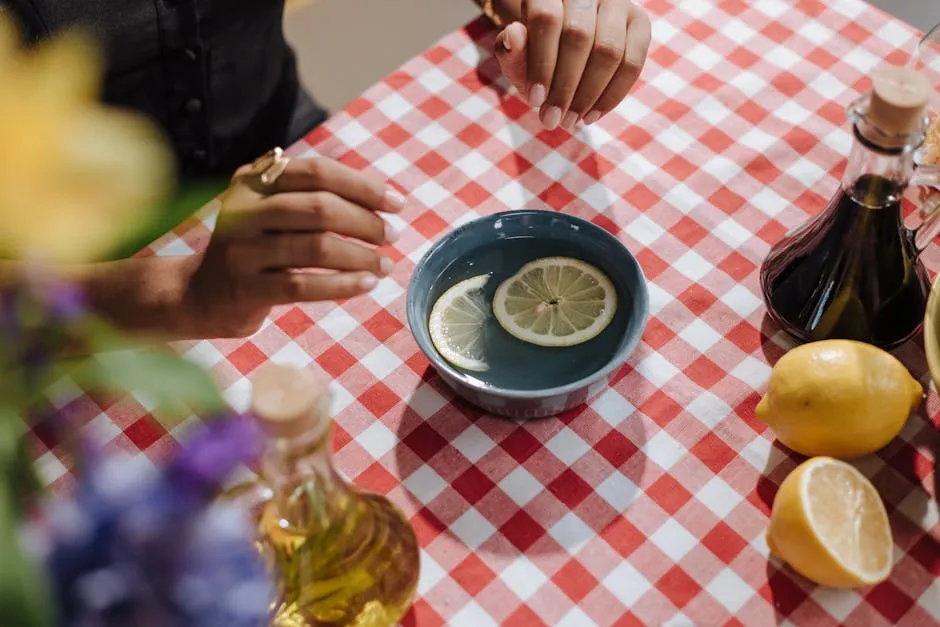
It takes about two to three weeks for the citrus peels to completely infuse with the vinegar. The longer the citrus peels sit in the vinegar, the more powerful the citrus effect will be. Patience here genuinely pays off.
When you allow discarded citrus peels to sit in vinegar for a few weeks, it infuses the vinegar with the oils and scents of the peel. The visual sign that things are working is the liquid gradually shifting to a warm amber or orange color. After a two-week infusion, the final result is a beautiful, natural orange-colored cleaner with a scent of citrus and warm spices (if you choose to add spices like cinnamon).
Where You Can and Cannot Use This Cleaner
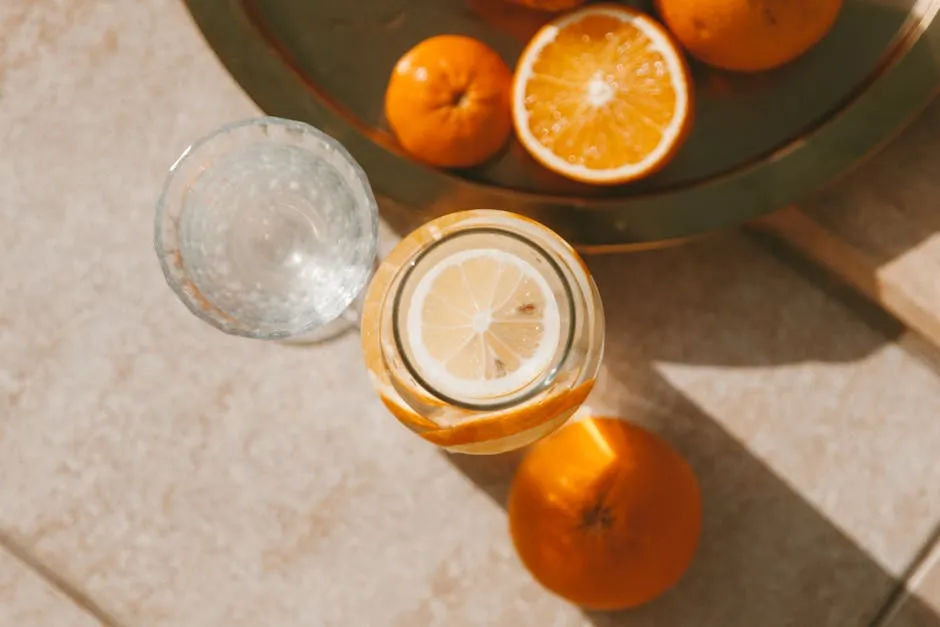
This natural cleaner can be used for surfaces such as floors, stovetops, appliances, and glass. It handles most everyday cleaning jobs in the kitchen and bathroom without any problems. This orange vinegar cleaner works beautifully on counters, sinks, windows, and more.
This cleaner also works well on non-porous countertops, but should NOT be used for marble or granite counters since the vinegar could etch them. This is not a minor caveat. The acid etches and dulls natural stone such as marble and limestone, and can slowly dissolve them. With other durable stones, such as granite, vinegar can break down any sealers that have been applied to the surface.
Many flooring manufacturers warn against using vinegar to clean hardwood floors. Some will even void the warranty if there are any signs that vinegar was used. Diluted vinegar can dissolve the finish that protects the wood and leave it looking cloudy, dull, or scratched. Stick to sealed tile, glass, stainless steel, and laminate surfaces for the best and safest results.
How to Apply It Properly for Best Results
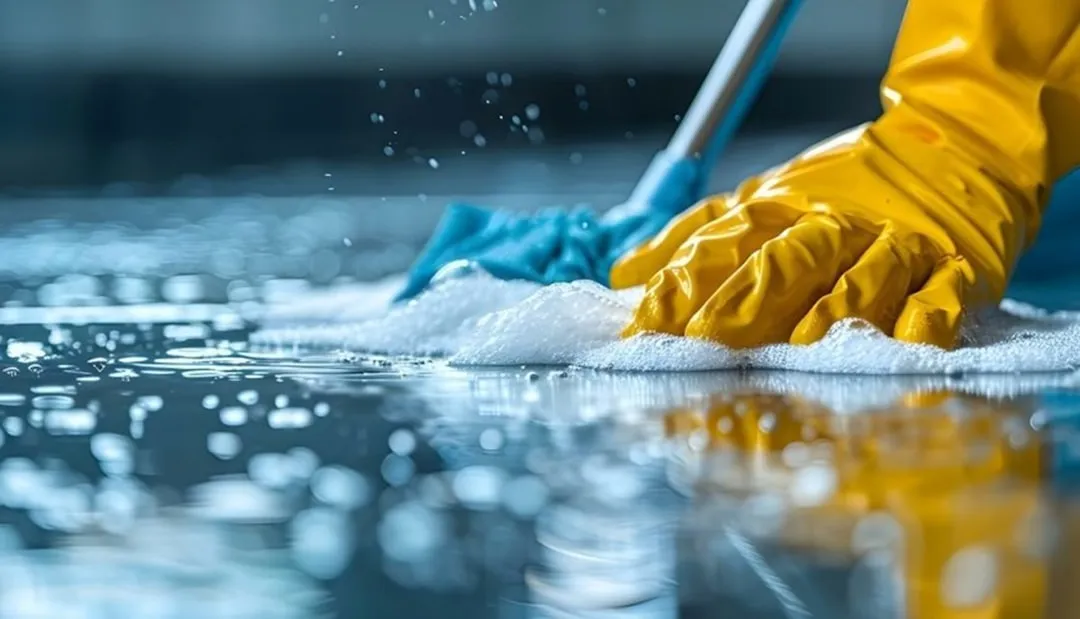
Apply the cleaner as required, allow it 20 to 30 seconds to dwell before wiping surfaces with a clean cloth. By allowing a short dwell time, the d-limonene from the citrus peel has the time to start breaking down grease and oils on kitchen surfaces. Spraying and wiping immediately is less effective than giving the cleaner a moment to do its work.
To make an all-purpose cleaner, use the vinegar at full strength or add one cup of water and one cup of orange peel vinegar to a 16-ounce glass spray bottle. The diluted version is fine for most surfaces, while the full-strength version is better for grease-heavy areas like stovetops.
Storing Your Homemade Cleaner
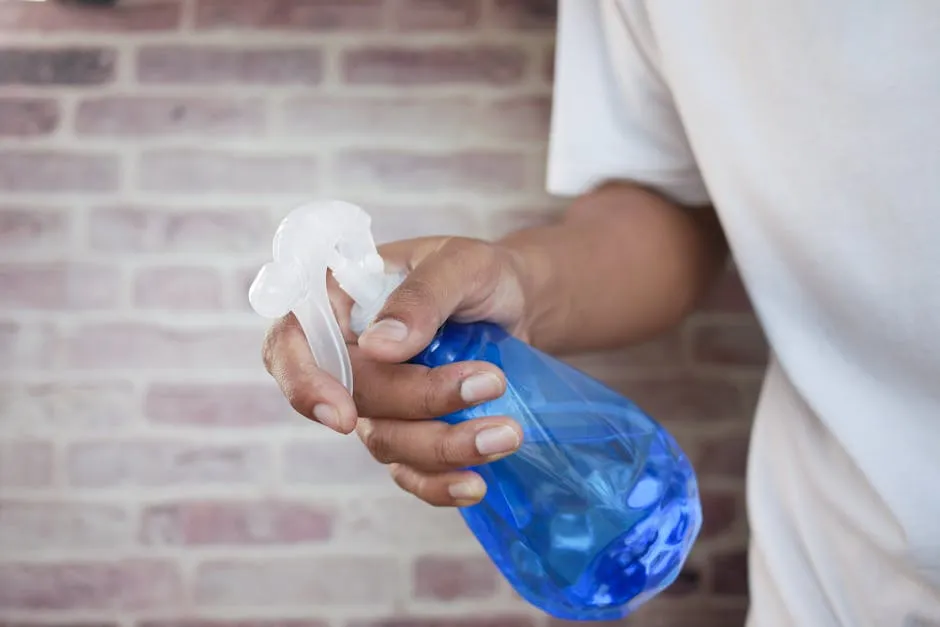
The finished cleaner stays good for several months on the shelf. Store it in a cool, dark place away from direct sunlight to preserve both the vinegar’s acidity and the citrus oils. Pour the infused vinegar into a clean storage container and store at room temperature.
Once the peels have been strained out, do not reuse them. They will have released most of their oils and can start to spoil. Label the spray bottle with the date so you know when you made it. If the smell becomes off or the liquid looks cloudy and murky rather than amber, make a fresh batch.
If you don’t have enough citrus peels at first, simply freeze them until you have enough to fill an entire jar. This makes it easy to build up a supply gradually over time without any waste.
Why This Cleaner Is Worth Making
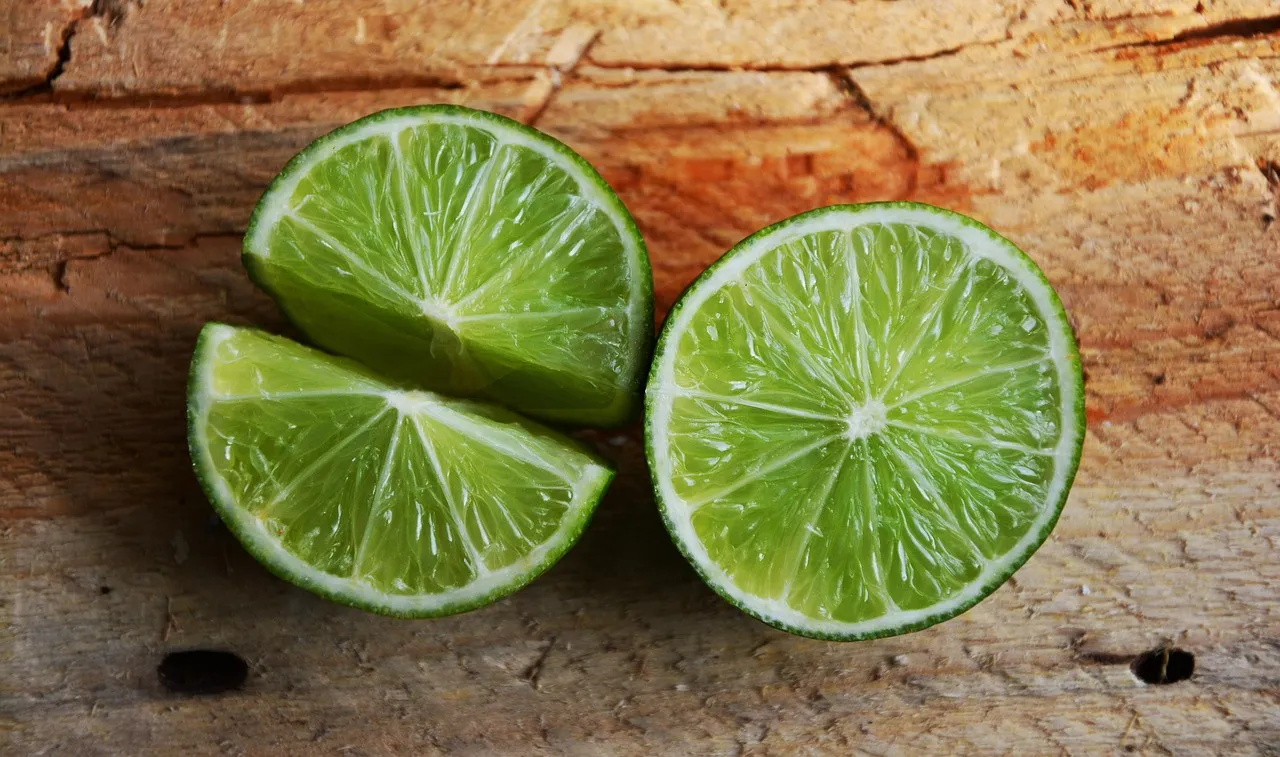
Homemade citrus vinegar cleaners are frugal, chemical-free, and customizable. Unlike many commercial cleaners, they also reduce household waste by repurposing peels. Two problems, one solution.
D-limonene offers a simple, effective, and environmentally responsible alternative to traditional solvents. It provides strong cleaning and degreasing ability while being safer to handle and sourced from renewable citrus peel oil. Its mild scent and low toxicity make it suitable for everyday cleaning tasks. As a biodegradable solvent, it supports safer working environments and reduced environmental impact.
Since this recipe is concentrated and made with kitchen scraps, it functions as both a multi-use product and a money-saver. For most households, it genuinely earns its place under the sink.
There’s something quietly satisfying about the fact that two of the simplest, oldest kitchen staples can do this much. The vinegar cuts through grime, the citrus adds real degreasing power, and together they produce a cleaner that costs almost nothing and leaves very little behind. Just know where to use it and where not to, and it will serve you well for years.
AI Disclaimer: This article was created with the assistance of AI tools and reviewed by a human editor.