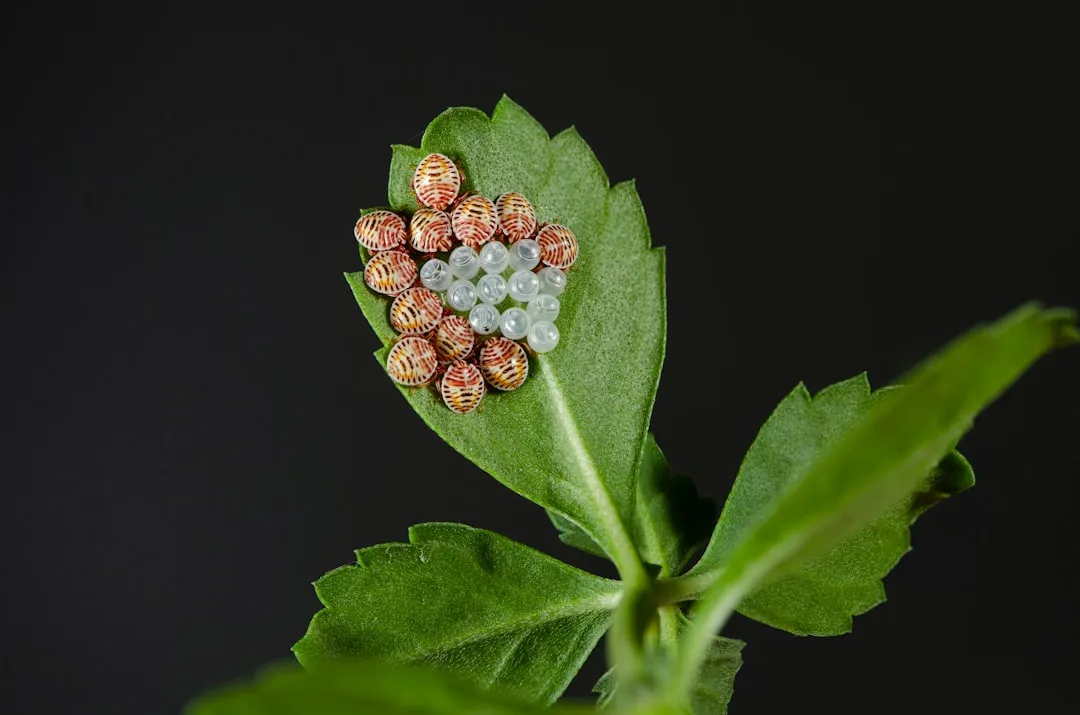

Most gardeners know what a ladybug looks like. Far fewer know what its eggs look like. That gap in knowledge costs gardens more than people realize, because the instinct to wipe away an unfamiliar cluster of tiny specks on a leaf can eliminate some of the most effective natural pest controllers in existence.
While most insects lay their eggs on the leaves and stems of plants, many of the eggs you’ll find on plants belong to beneficial insects. Some eggs, however, may hatch into pesky garden pests. Before letting eggs hatch or removing them from your foliage, it pays to identify whether they belong to friends or foes. This gallery-style guide walks through ten of the most important egg types to recognize, starting with the ones most commonly mistaken for something dangerous.
Ladybug Eggs: Small, Yellow, and Worth Protecting
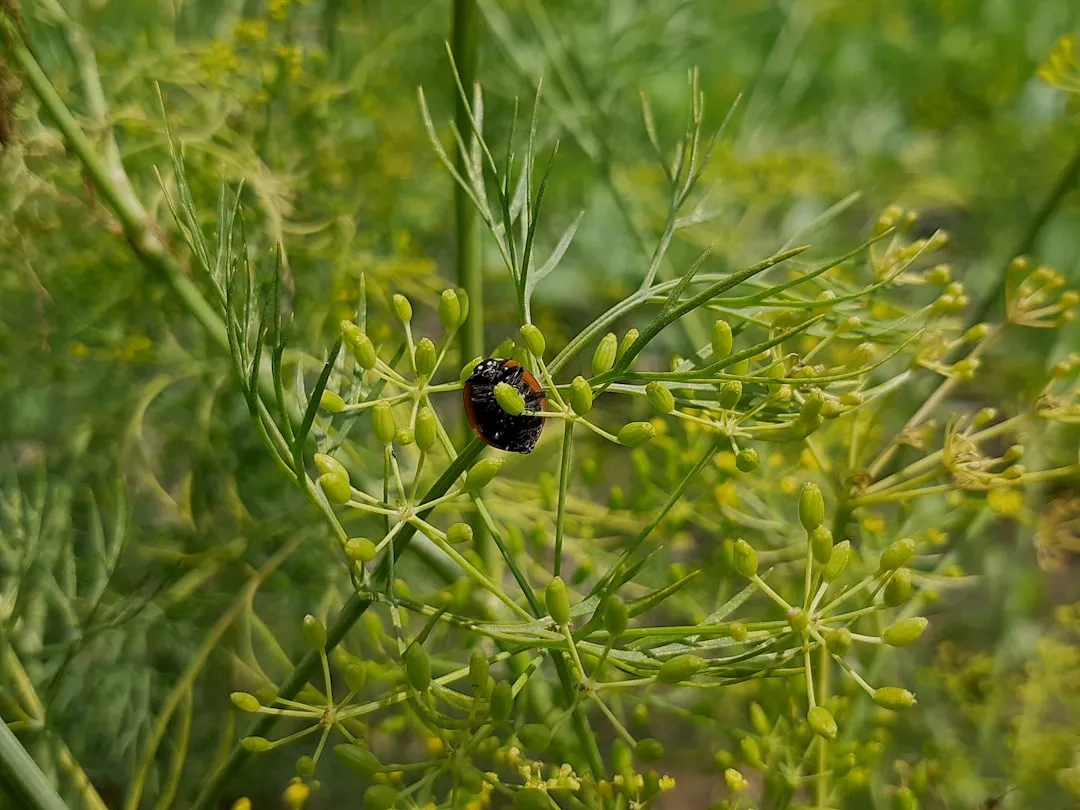
Ladybug eggs are yellow and oval-shaped, and laid in a closely grouped cluster of about 15 to 40 eggs. A pregnant female ladybug will lay her eggs on the underside of leaves where food is abundant, such as where lots of small pest insects are present.
Female ladybugs strategically place their eggs near aphid colonies to ensure their larvae have an immediate food source upon hatching. Ladybugs, also called lady beetles, have an appetite for soft-bodied insects like scales, aphids, mealybugs, whiteflies, and mites.
One critical note before you start treating: knowing what not to kill matters as much as identifying the pest. Ladybug larvae, lacewing eggs, and ground beetles all look alarming but are among your most powerful natural allies. If you see a neat, small cluster of bright yellow or orange elongated ovals tucked on a leaf underside, leave them alone.
Lacewing Eggs: The Tiny Stalks That Look Like Mold
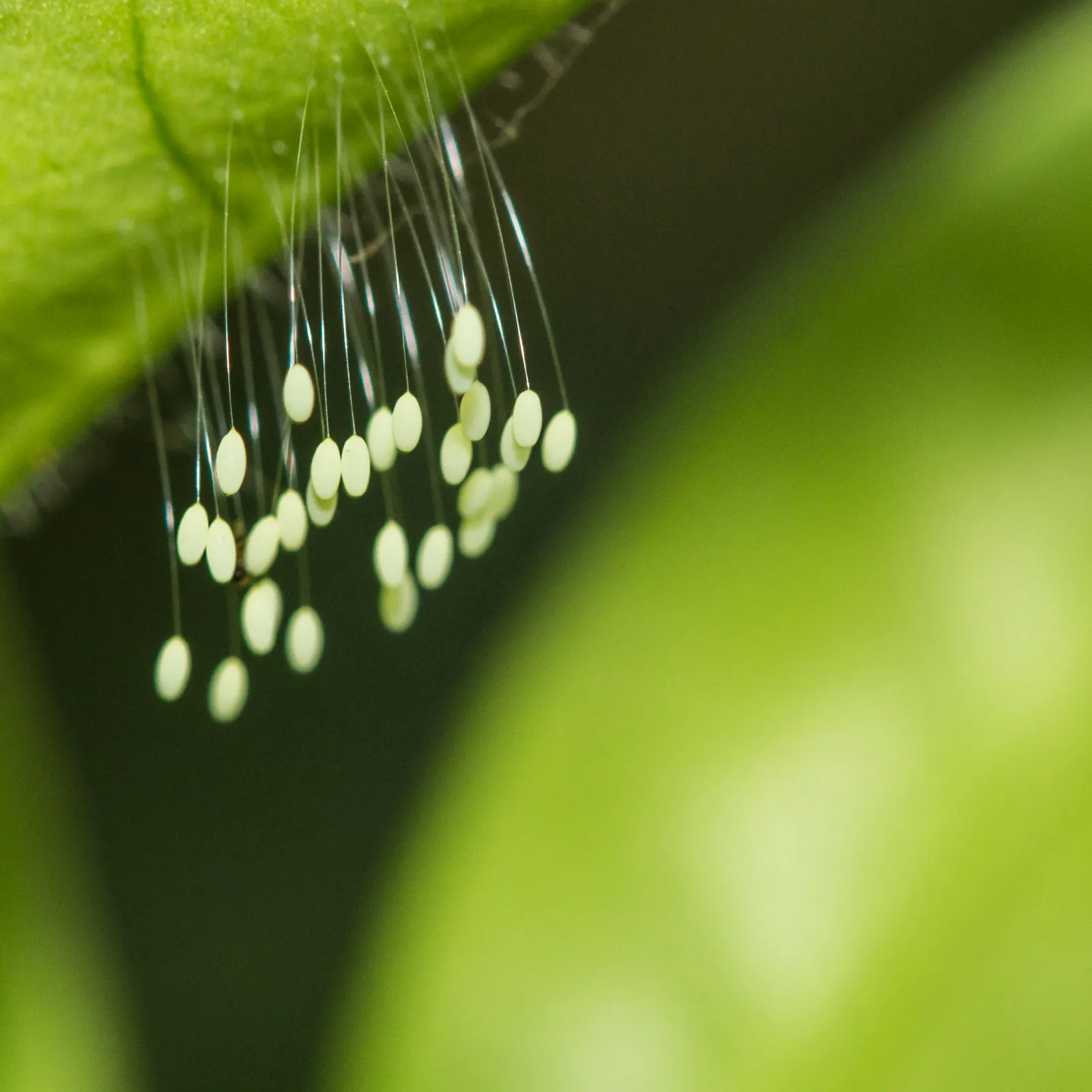
Unlike most insects, which adhere their eggs to leaves, lacewing eggs are suspended by a line of fine silk. The eggs are small and, when suspended, resemble mini stalks or mold spores. This unusual appearance causes many gardeners to wipe them away, thinking they have a fungal problem.
Lacewing eggs are a key component in biological pest control, making them highly beneficial for gardens and crops. Female lacewings will often lay their eggs near an aphid colony or other food source, and once hatched, the larvae will voraciously feed on the pests.
Lacewings are predaceous insects that feed on several garden pests, such as mites, mealybugs, and other soft-bodied arthropods. When you see those tiny pale stalks rising from a leaf surface, recognize them as a garden asset in disguise.
Praying Mantis Egg Cases: The Foamy Brown Masses on Twigs
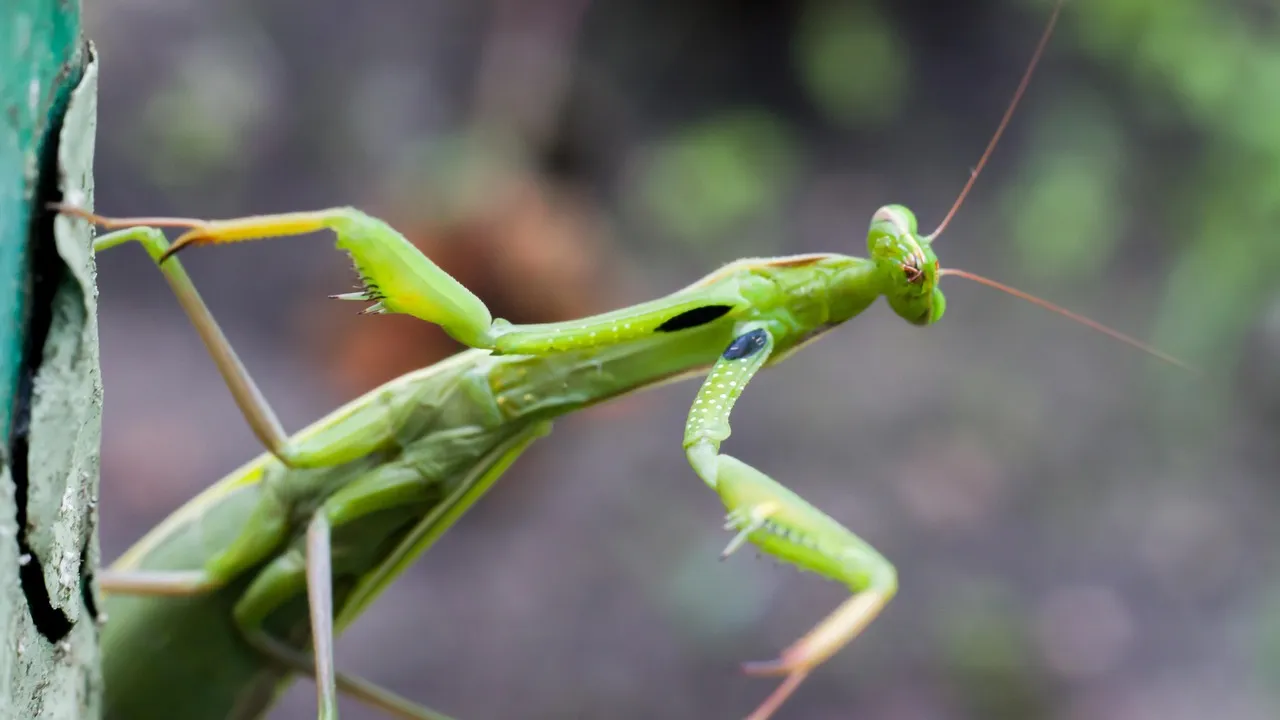
Praying mantid eggs are laid in masses attached to twigs, fences, or other surfaces. Egg masses are frothy and pale when first laid, then dry to a brown, hardened, paper-like material. Many gardeners encounter these during autumn garden cleanup and mistake them for unusual galls or plant disease.
They’re not actually individual eggs but egg cases, called ootheca, which contain many eggs inside, from 10 to 400, depending on the species. The case protects the eggs from drying out or being eaten, and the mother mantis attaches the ootheca to plant stems, walls, rocks, or other hard surfaces.
Many gardeners may have noticed these foamy hard cases stuck to their shrubs or ornamental grasses. These unusual masses are praying mantis egg cases that will soon deliver hundreds of hungry immatures ready to devour bad bugs in the garden. They are a good sign of a healthy ecosystem.
Parasitic Wasp Signs: What to Look for on Host Insects
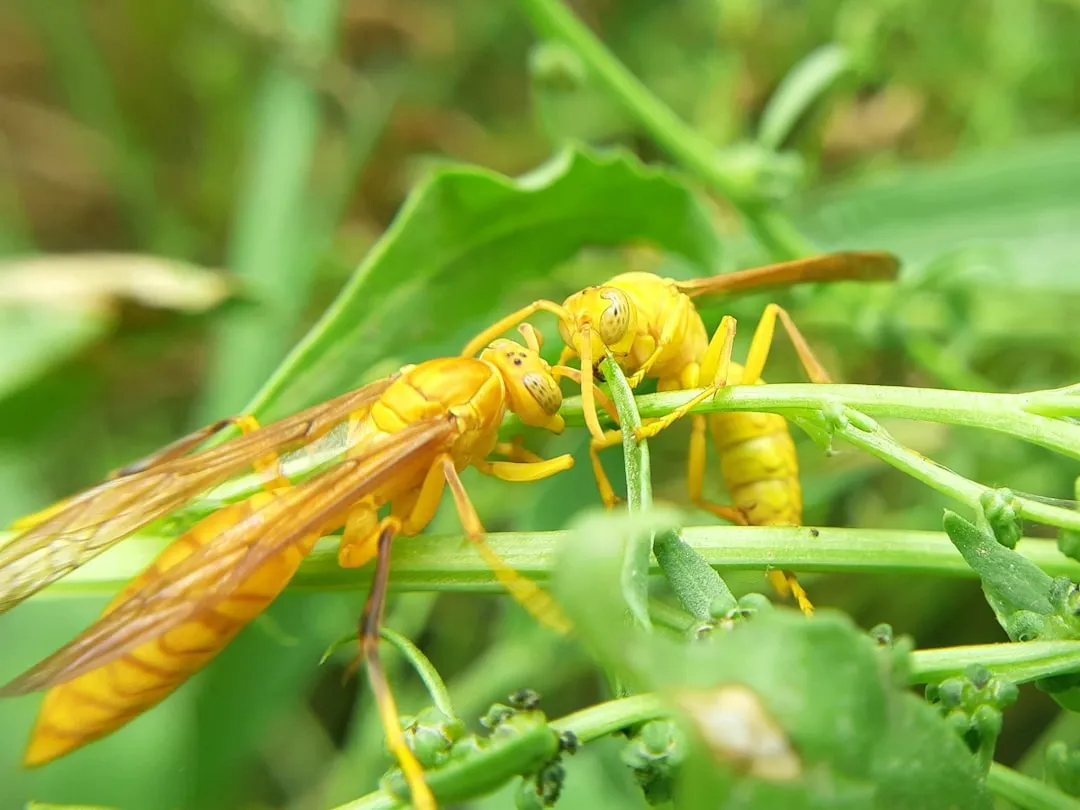
Parasitic wasps are tiny, solitary insects and generally not dangerous to humans. These inconspicuous creatures play an important role in keeping pest species in check, for they are natural enemies of caterpillars, grubs, scales, whiteflies, and aphids. These wasps are parasitoids, meaning they deposit their eggs on or in a host insect.
Parasitic wasps are noticeably seen victimizing tomato hornworms; their egg-like white cocoons are seen traveling on the backs of hornworms, indicating the host has already been parasitized by the wasp larvae and is near death or will not be able to pupate. This is one of the clearest visual cues a gardener can find.
If you’re scouting with a hand lens and notice some mummified aphids with neat circular holes in them, you’ll know a braconid wasp was there. A high ratio of “mummies” in a pest population indicates parasitic wasps are providing some pest control. These signs are worth celebrating, not cleaning up.
The Role of Color in Telling Friend from Foe
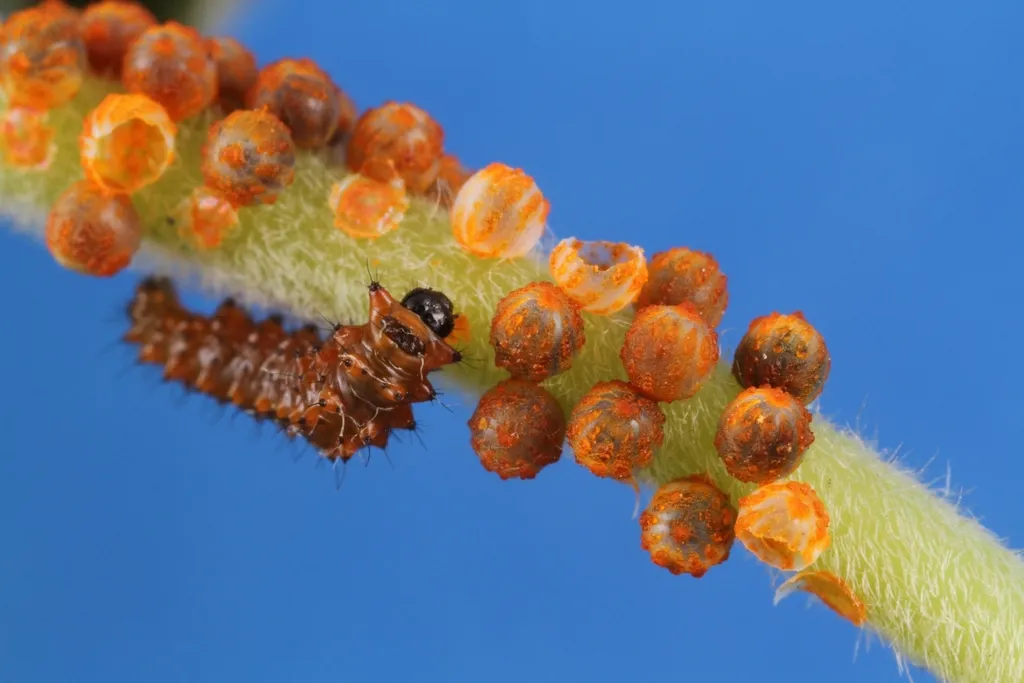
Colors in insect eggs range from white to bright hues, often blending with surroundings for camouflage. Some eggs, like those of ladybugs, are typically yellow or orange, while others, such as lacewing eggs, are translucent and suspended by silk threads.
Identifying insect eggs by color can provide clues about the type of pest, and some eggs darken as they near hatching, making it easier to spot developing infestations. Still, color alone is rarely enough, and context matters considerably.
Insect eggs come in a range of colors, with white and yellow being some of the most common. While color can provide a useful clue, it is not always enough for accurate identification. Pairing color with shape, location, and the presence of adult insects nearby gives a much more reliable picture.
Shape and Texture: The Physical Fingerprints of Insect Eggs
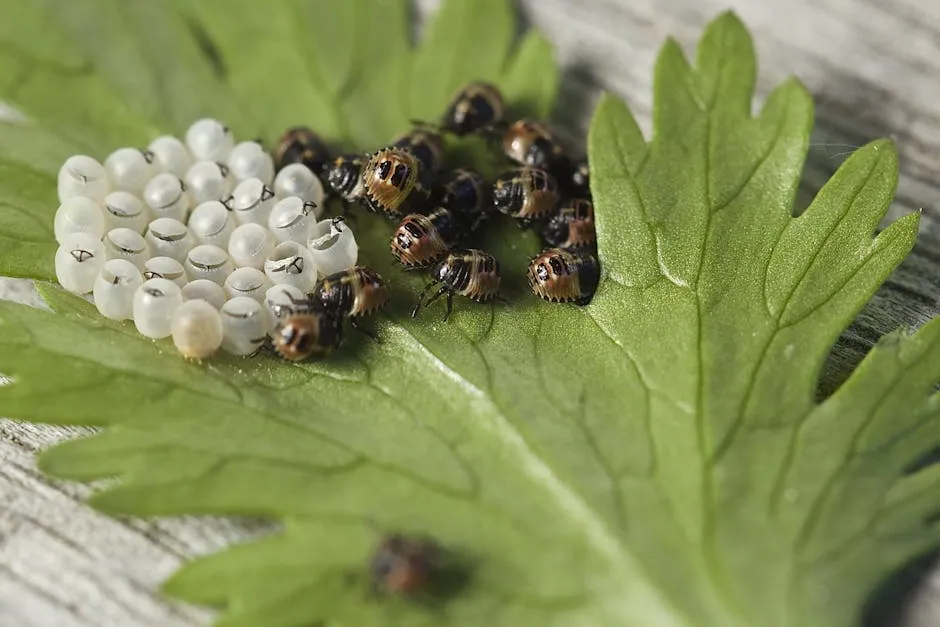
Size varies from microscopic to easily visible, while shapes can be spherical, oval, or elongated. Surface textures also differ, with some eggs smooth while others have ridges or patterns. These physical characteristics are essential for identification and often reflect the species’ ecological adaptations.
Spherical and ribbed eggs are commonly found in butterflies, and the ribbed texture often helps them blend into their surroundings. The ribs also provide extra support, making the eggs more durable against physical impacts.
Texture plays an important role in insect egg identification. Some eggs have smooth surfaces, while others can be ridged or sticky. Use a magnifying glass to examine size, shape, and texture before making any decision about removal.
Where to Search: The Best Places to Find Hidden Eggs
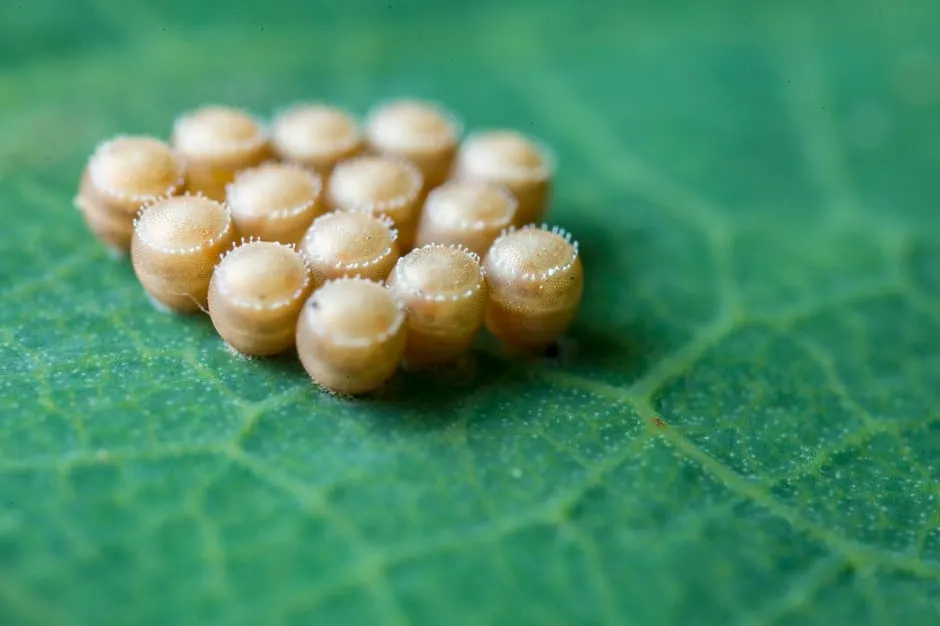
Check the undersides of leaves, where many insects prefer to lay their eggs. Slowly turn leaves over and inspect. Search on stems, branches, and along the main stalks of plants. These spots are overlooked by most casual gardeners but are prime real estate for both pest and beneficial insects.
Look on the soil surface near plants, as cutworms and other insects lay eggs at the base of plants or in the adjacent soil. Scan bark and tree trunks, as tree-dwelling insects often lay eggs in crevices or bark folds on branches and trunks.
Insect eggs can be found in various hiding spots, such as the undersides of leaves, soil crevices, or plant stems. By inspecting your garden regularly and familiarizing yourself with the appearance of different insect eggs, you can proactively protect your plants and promote a healthy garden ecosystem.
Butterfly Eggs: Delicate and Deliberately Placed
Butterflies lay their eggs on specific plants that their caterpillars feed on, called host plants. Most butterflies will lay their eggs on the underside of plants to protect them from predators and harsh environments. Some butterflies lay their eggs in neat clusters, but most lay theirs in any available space on the host plant, leading to sporadic egg placement with eggs somewhat separated.
Butterfly and moth eggs play a vital role in our ecosystem. By recognizing the size, shape, and location of these eggs, you can differentiate between butterfly and moth species. Butterflies lay their eggs on specific host plants, while moths deposit them in more hidden areas.
Butterfly caterpillars will eat their egg capsules after they emerge before feeding on the foliage they’re crawling on. Spotting an empty, ribbed capsule cluster on a known host plant is a strong indicator that a butterfly recently passed through.
Common Mistakes: Pest Eggs That Look Like the Good Guys
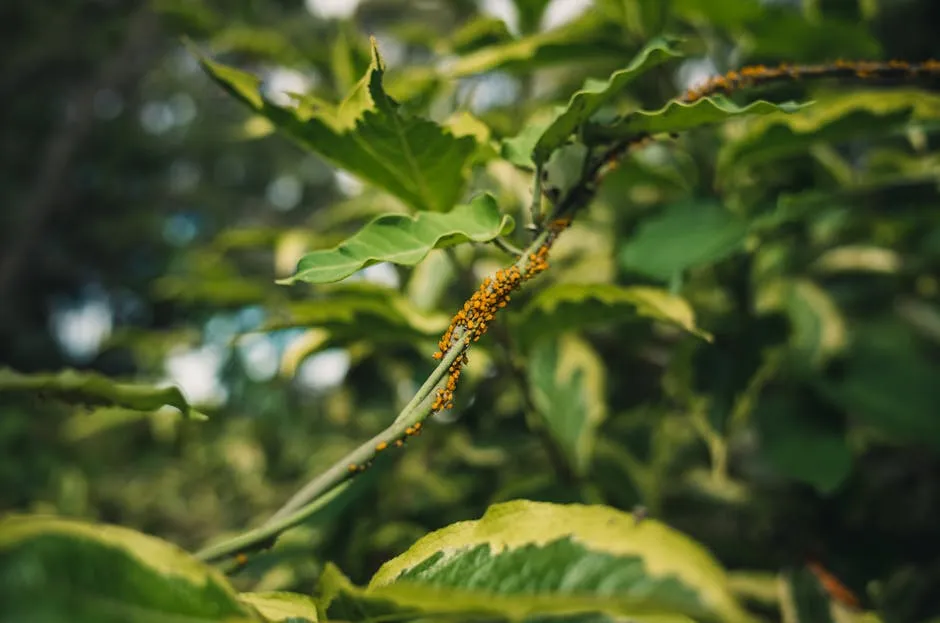
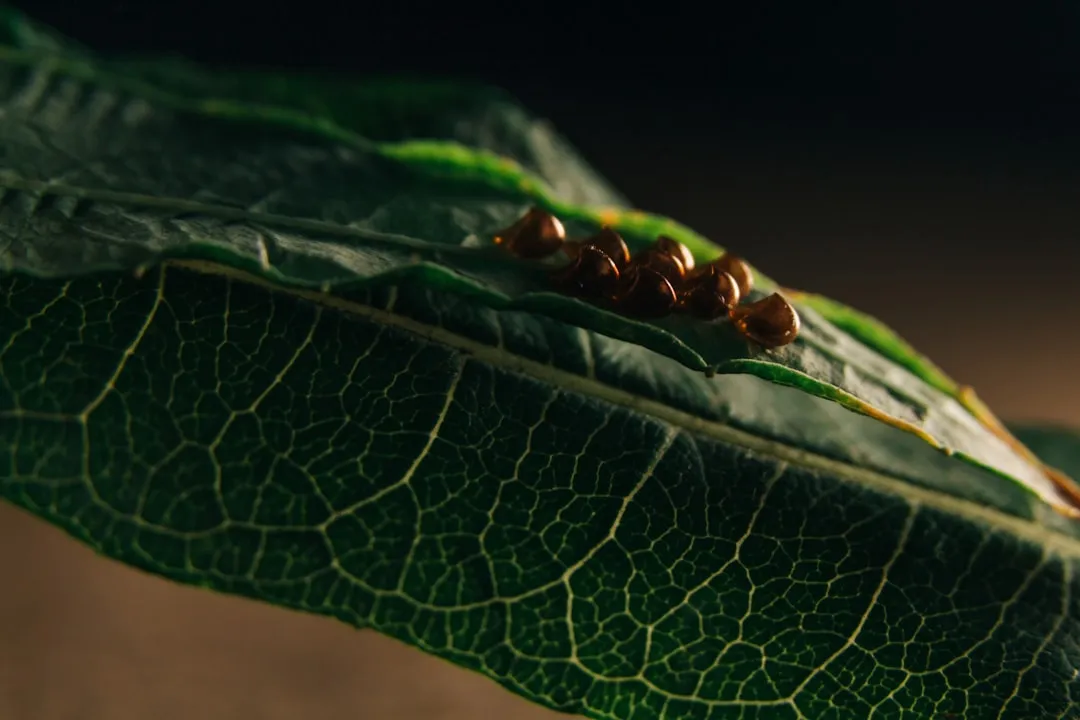
Spider mite eggs are bright yellow and laid in clusters, whereas squash bug eggs are bronze and typically found on plant stems. Both can look superficially similar to beneficial insect eggs to the untrained eye, making context and location critical clues.
Bright yellow aphid eggs are often found on rose bushes, milkweeds, and other plants, and aphid-affected plants show stunted growth and puckered leaves and typically die without proper treatment. Yellow eggs near actively damaged or stressed foliage are more likely to be pest eggs than beneficial ones.
When deciding if an egg cluster belongs to beneficial insects or yard pests, look for nearby adult insects or plant damage to determine the eggs’ identity. Different types of insect eggs can look similar, so patience and a closer look using a hand lens will usually make the difference.
How to Encourage Beneficial Insects to Keep Laying in Your Garden
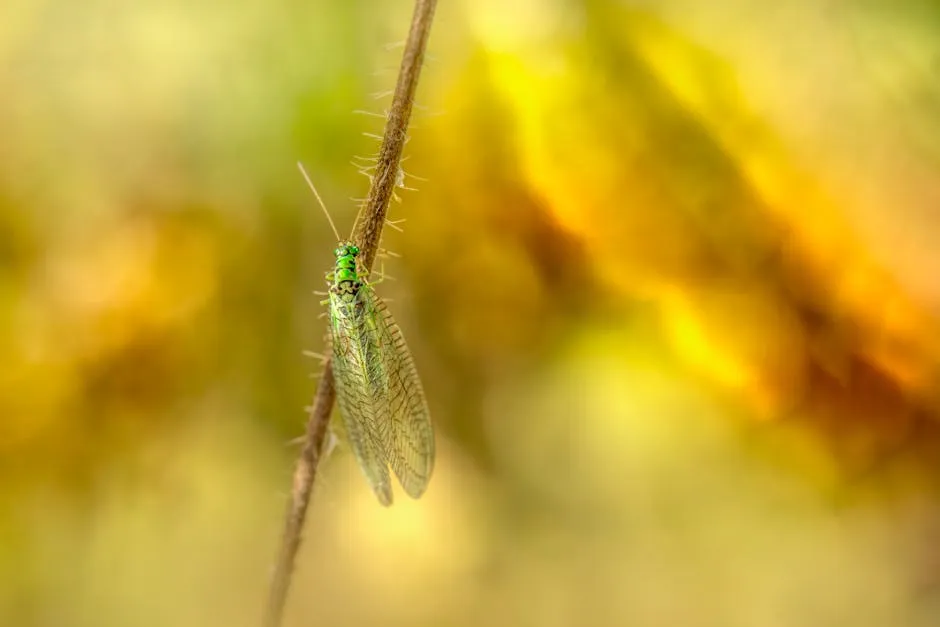
Most insects and other arthropods found in the yard and garden do not feed on or harm plants. Many are just passing through or have innocuous habits. Others feed on and destroy pest species. In many cases, the activities of these beneficial species can completely prevent or greatly limit pest problems.
Beneficial insects such as lacewings can help control pest populations naturally. Attract them by planting specific types of plants that provide suitable habitats, and dill, fennel, and yarrow are great examples. These plants add beauty to your garden while supporting a healthy ecosystem.
Creating an environment for beneficial insects can lead to a more sustainable approach to pest control, reducing the need for chemical pesticides. It is important to recognize these beneficial arthropods so they may be appreciated and conserved. The more you know about what their eggs look like, the less likely you are to accidentally undo the natural pest control your garden already has in place.
Conclusion
Identification isn’t about memorizing every insect on the planet. It’s about slowing down for a moment before you act. A quick look with a hand lens, a comparison against a reliable reference, and an awareness of what’s nearby, whether that’s aphid damage or a known host plant, is usually enough to make a sound call.
The ecological value of what’s inside those tiny eggs is often disproportionate to how invisible they are. Lacewing larvae, ladybug hatchlings, and parasitic wasp offspring can do more targeted pest work than any chemical spray, and they come for free, provided the garden is welcoming enough to keep them around.
Knowing what to leave alone is, in many ways, a more sophisticated gardening skill than knowing what to remove. The eggs you protect today are the pest controllers working for you next season.
AI Disclaimer: This article was created with the assistance of AI tools and reviewed by a human editor.