
Most gardeners look up their planting zone, note which spots get afternoon shade, and call it done. That approach works until you notice a shrub thriving in one corner while an identical one planted twenty feet away struggles through every summer. What’s actually going on in those gaps is microclimate science, and it’s playing out right outside your back door.
A microclimate is a local set of atmospheric conditions that differ from the surrounding area. The difference can be a few degrees of temperature, a few extra weeks of frost protection, significantly more or less moisture, or meaningfully different wind exposure. Understanding those differences is one of the most practical things a gardener can do.
What a Microclimate Actually Is (and Why It Matters)

A microclimate is defined as the climate of a small area that differs from that of the general surrounding region. The area can be as large as a city or as small as a plot of land, measured in square miles or just a few square feet.
The official USDA hardiness zone for your zip code is based on regional averages, but your yard is not average. It has corners that stay warmer in winter, spots that frost two weeks earlier than the rest of the property, areas that dry out fast and areas that stay wet long after rain has stopped.
The key insight is this: microclimates allow you to grow things your official zone says you cannot, and warn you away from spots where even zone-appropriate plants will struggle. That alone is worth understanding before you plant another thing.
The Role of Aspect: Which Direction Your Garden Faces
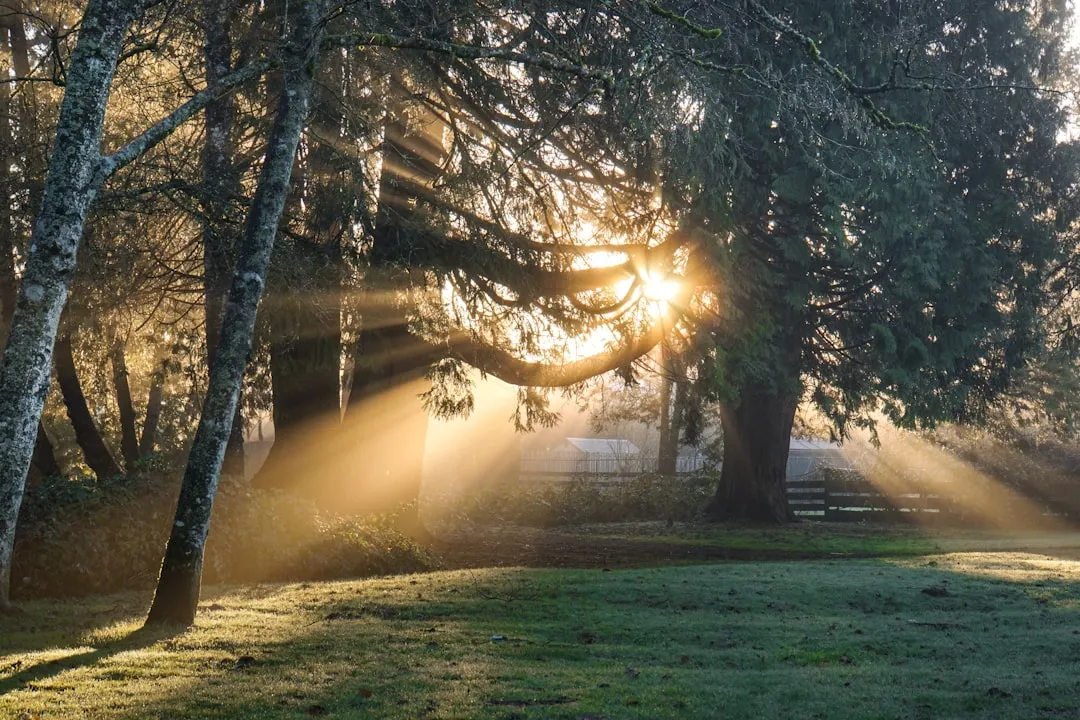
The microclimates in your garden are determined partly by the geographical location of your house and its aspect. A south-facing garden will receive sunlight for most of the day during both summer and winter, whereas an east-facing garden will experience more sunshine during the morning.
The direction your lot is oriented makes a significant difference, with south-facing yards receiving more intense sunshine than north-facing yards in the northern hemisphere. Eastern exposures are ideal for plants needing partial sun, while western exposures can be harsh and windy.
Areas with northern or eastern exposure tend to be colder, while locations with southern or western orientation tend to be warmer. Shaded areas are typically cooler than those in full sun. This is a straightforward starting point for mapping out your yard before any digging starts.
How Slope and Topography Shape Temperature Zones
If your garden slopes, this will impact which plants will thrive in which location. North-facing slopes have less sunshine and more lush vegetation. South-facing slopes receive more light and heat from the sun, meaning plant growth increases and crops will ripen earlier.
Exactly where your garden sits on a slope has an impact on temperature, sunlight, and wind strength. The top of a hillside will generally be windier than the bottom. Yet the bottom of a hill can be more prone to frosts as cold, dense air sinks down the hillside overnight.
Topographic differences within your yard or garden create real changes. Low spots can accumulate cold air and be more prone to frost, much like valleys in a larger landscape. Even a shallow depression of a foot or two can make a noticeable difference on a still, clear night.
Understanding Frost Pockets: The Danger Zones of Your Yard
Frost pockets form because cold air is heavier than warm air and naturally flows downhill, pooling in lower areas. Calm nights with little wind exacerbate this effect, as there is no air movement to disperse the cold.
Frost pockets mean later frosts in spring and earlier frosts in autumn, effectively shortening the growing season unless you take steps to address the issue. That lost time at both ends of the season adds up quickly for food gardeners.
Avoid planting frost-tender plants in low areas of the landscape. These areas are where cool air will pool and create cold microclimate areas. Clear skies intensify frost formation by allowing heat to escape from the ground more rapidly, and waterlogged soils, which retain less heat, can also increase frost risk, especially in poorly drained areas.
Walls, Fences, and Structures as Heat Traps
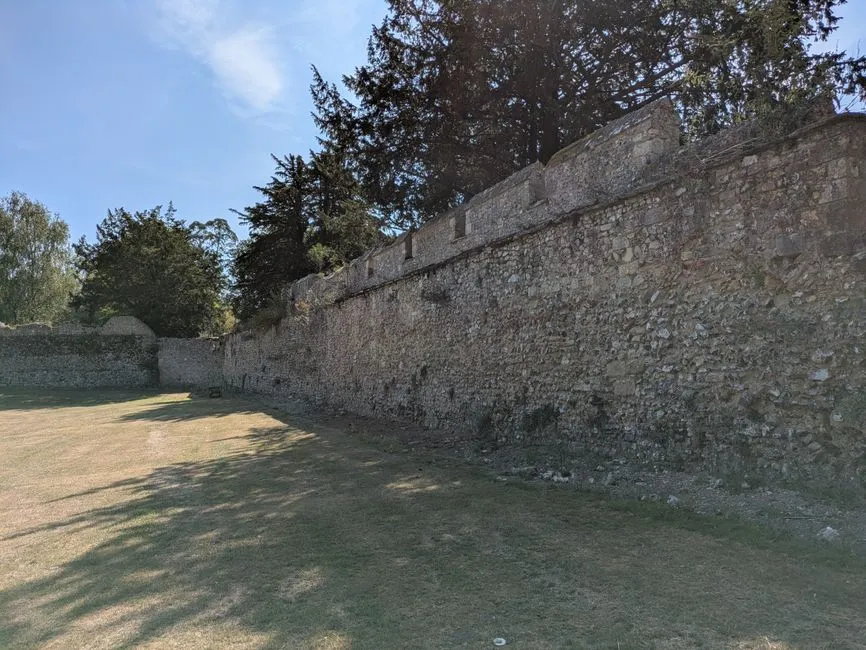
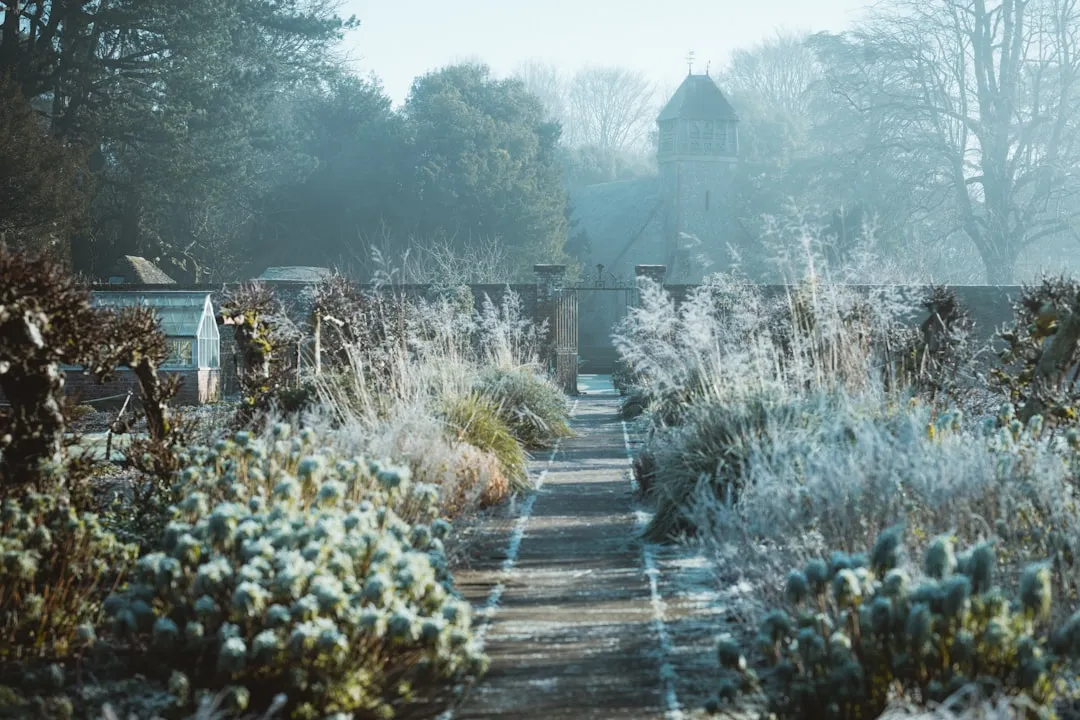
South-facing walls heat up in the day, releasing warmth through the night, preventing frost and promoting the ripening of fruits. This is one of the oldest tricks in horticulture, used for centuries to grow tender fruit trees in cooler climates.
South-facing walls will gather heat during the day and release it slowly overnight. Any wall gives some protection if plants are placed close to it, and this can easily mean an extra 4 to 5 degrees Celsius, or more if there is an overhanging roof or branches.
The effect of a south-facing area is emphasized if there are fences or walls to trap and reflect warmth. The north-facing side of a fence or wall is also of value, as it offers a more equable climate without extremes of either hot or cold, and is favored by plants such as hardy fuchsias, hellebores, and Japanese anemones.
Trees and Vegetation as Microclimate Engineers
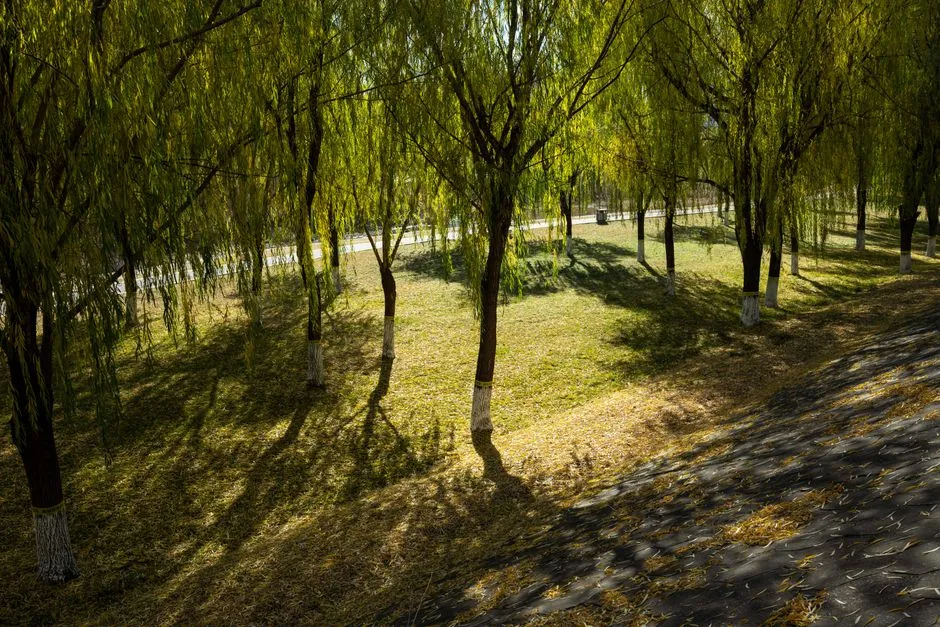
Vegetation is one of the most powerful microclimate engineers available to a gardener. Trees and shrubs block solar radiation with their canopies, trap still air beneath their branches, and pull water from the soil, releasing it through their leaves in a process that actively cools the surrounding air.
The type and density of vegetation in a specific area can influence its microclimate directly. Trees provide shade and transpire water, cooling the surrounding air. Dense plantings of trees may create cooler and more humid microclimates, while open grasslands allow for greater temperature fluctuations.
Large trees also block sun and wind, and large tree roots take up significant amounts of water from surrounding areas, creating drier soil conditions in those zones. That dry shadow beneath a mature tree is its own microclimate and needs to be planted accordingly.
Paved Surfaces and Heat Islands Within Your Backyard
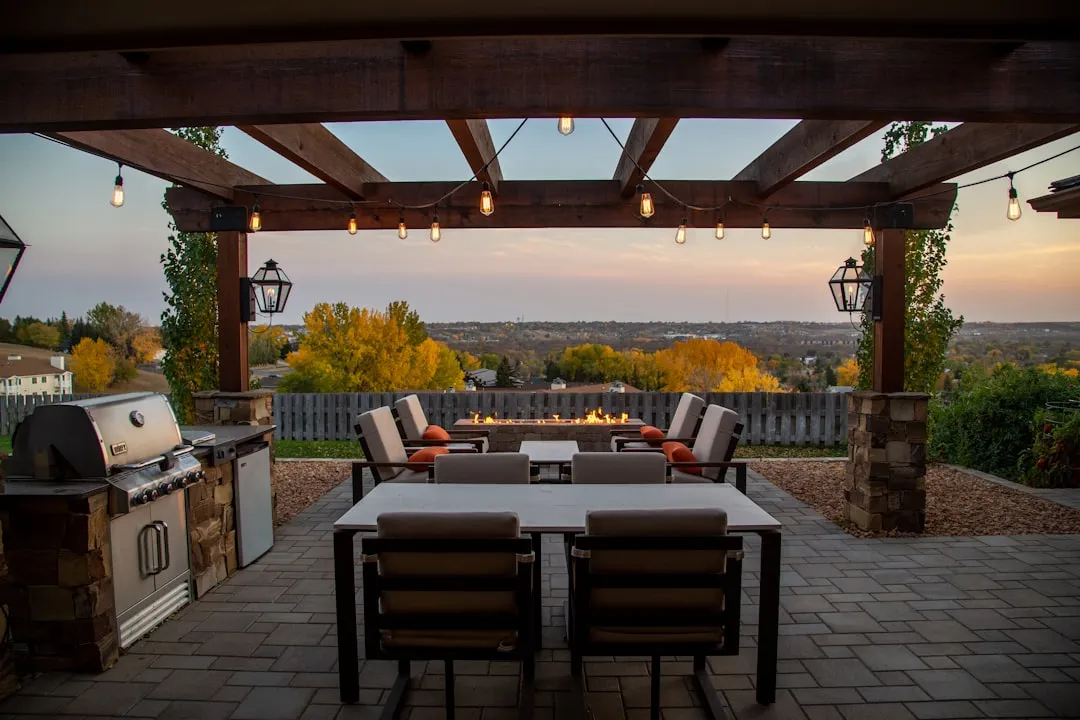
Your yard likely contains small-scale heat islands. Any surface paved with concrete or black asphalt will absorb heat during the day and emit it at night. Depending on air movement, areas surrounding a paved surface can be notably warmer.
The daily air temperature tends to be highest at locations with the least vegetation and primarily hard surfaces. Research measuring summer 2024 conditions confirmed this pattern clearly across different site types. For instance, average air temperature in July 2024 at a paved parking site was 1.7 degrees Celsius higher than a nearby forested site.
Human activities in urban and suburban areas can lead to the formation of localized microclimates known as urban heat islands. The abundance of concrete and asphalt surfaces absorbs and retains heat, causing localized temperature increases. Your backyard patio is a small version of this same effect.
Water Features and Moisture as Temperature Regulators

Moisture acts as a temperature regulator. Areas near water stay cooler in summer and warmer in winter because water absorbs and releases heat slowly.
Water features offer a welcome cooling in the summer and additional warmth at night. The thermal inertia of water means it takes longer to heat up and cool down. Even a modest pond or water barrel can extend the comfortable growing window around it by several nights each season.
A rain garden in your yard creates a cooler pocket compared to the dry pavement next to it. Humidity levels also shift noticeably near water. Research measuring microclimate data in summer 2024 found that the site with the densest vegetation maintained the highest relative humidity levels, averaging nearly twelve percentage points higher than the most exposed paved site.
How to Map Your Backyard Microclimates Step by Step
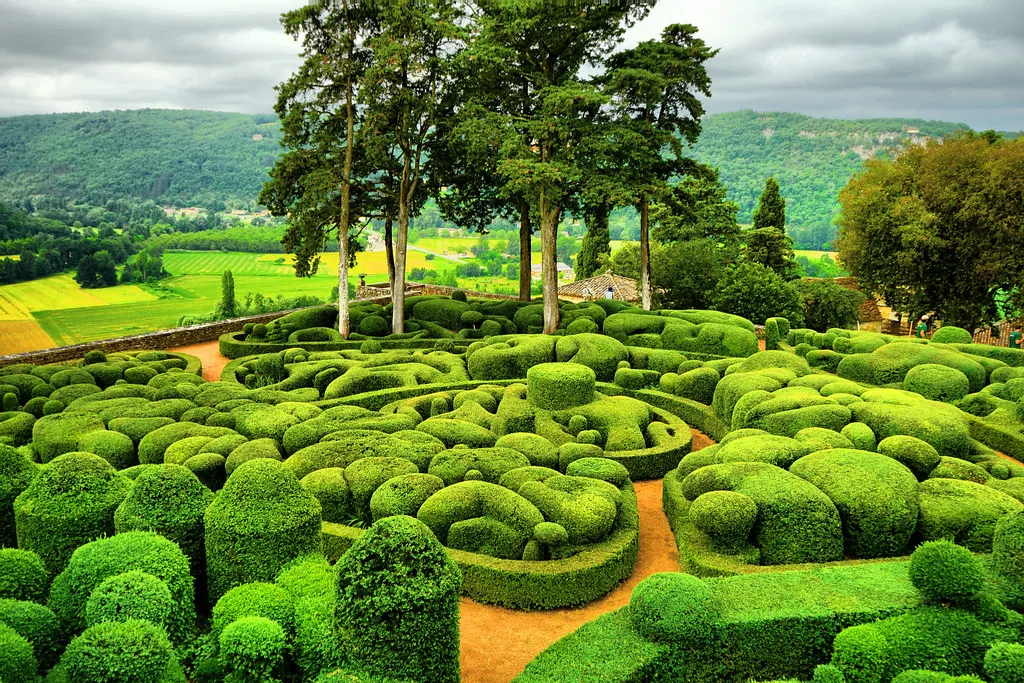
Recognizing microclimate variance allows gardeners to fine-tune their practices for improved results. Start by mapping your garden’s sun exposure patterns throughout the seasons, noting areas with significant temperature swings or wind exposure differences. Use tools such as temperature sensors or humidity loggers for data collection.
A walk around the yard on a rainy day can reveal a lot about variations in water and moisture. Different areas will be noticeably wetter and drier than others. Follow that up with an observation walk on a frosty morning to see exactly where ice lingers longest.
More advanced gardeners can use computer models that simulate microclimate behavior based on terrain data, vegetation cover, and local meteorological inputs. Climate simulation models incorporate historical weather data with local topography to project temperature and moisture changes under different scenarios. For most home gardeners, however, a thermometer and a notebook across a few seasons will tell you most of what you need to know.
Putting Your Microclimate Knowledge to Work
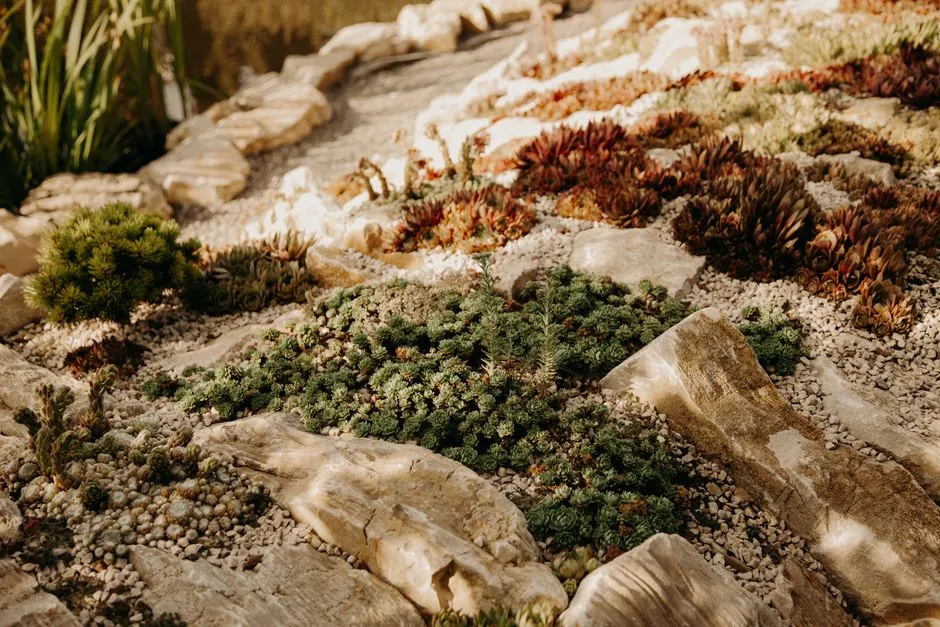
Microclimates can offer unique growing conditions that may defy an area’s USDA Hardiness Zone or American Horticultural Society Plant Heat Zone ratings. Conditions within various microclimates are determined by their climatic variation in temperature, water, light, and urban impacts. Microclimates can be created by utilizing natural and artificial features such as topography, soil composition, and proximity to human structures and hardscapes.
Choose plants suited not just for your regional climate but for the specific micro-environmental conditions of each planting location, including tolerance for temperature and moisture variance extremes. That one shift in thinking changes how you shop at a nursery entirely.
Weather conditions now vary unpredictably with every season. The last three years, 2023, 2024, and 2025, are effectively tied for the hottest years ever recorded worldwide. In that context, understanding the microclimate of your garden, and the localized climate conditions that differ from the surrounding area, becomes even more critical. Predicting and forecasting microclimate changes within your garden enables you to tailor care practices, optimize plant selection, and improve yields.
Conclusion: Your Yard Is More Complex Than Any Map Shows
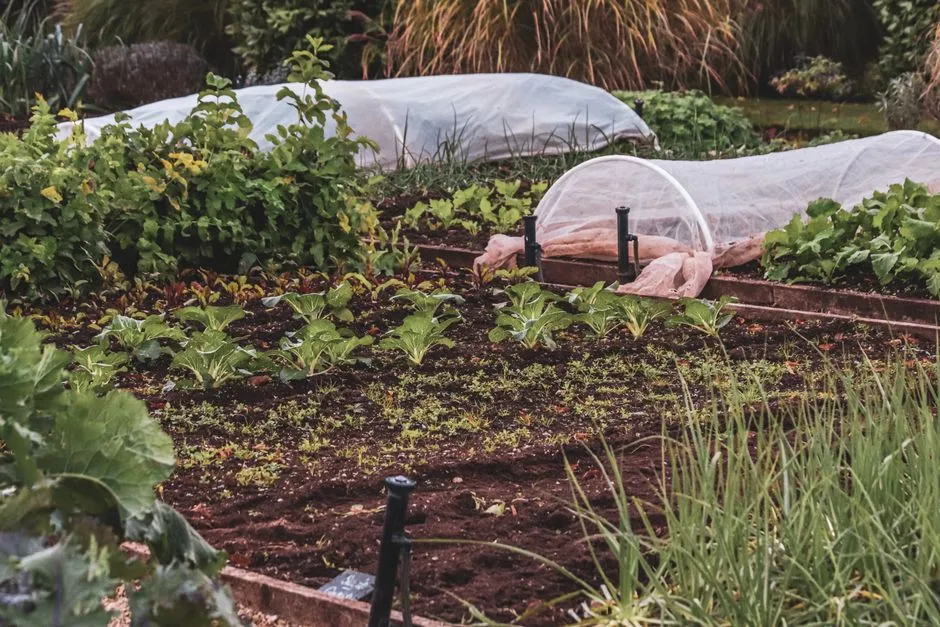
No regional weather service has a sensor in your garden. The data they publish covers square miles, not square feet. What happens against your south wall on a January night, or in that hollow near the fence on a spring morning, is yours to discover.
Every garden has a number of different microclimates, and these affect not only temperature but also the amount of rainfall and wind strength. Even within a small garden, there can be large differences in conditions.
The reward for paying attention is real: longer growing seasons, healthier plants, and a garden that works with its environment rather than against it. Observation is the only tool you truly need to get started. The rest follows from there.
AI Disclaimer: This article was created with the assistance of AI tools and reviewed by a human editor.