
Walk past a garden bed of azaleas or blueberries in midsummer and you might notice something unsettling: leaves turning yellow while their veins stay stubbornly green. It looks like a disease. It looks like neglect. In most cases, it’s neither. It’s iron deficiency, one of the more common and misunderstood problems in home gardening.
Iron deficiency in plants is also known as iron chlorosis, a condition where plants lack sufficient iron, an essential micronutrient for producing chlorophyll and carrying out photosynthesis. The frustrating part is that the iron is almost always there in the soil. The plant just can’t reach it.
Why Acid-Loving Plants Are Most at Risk
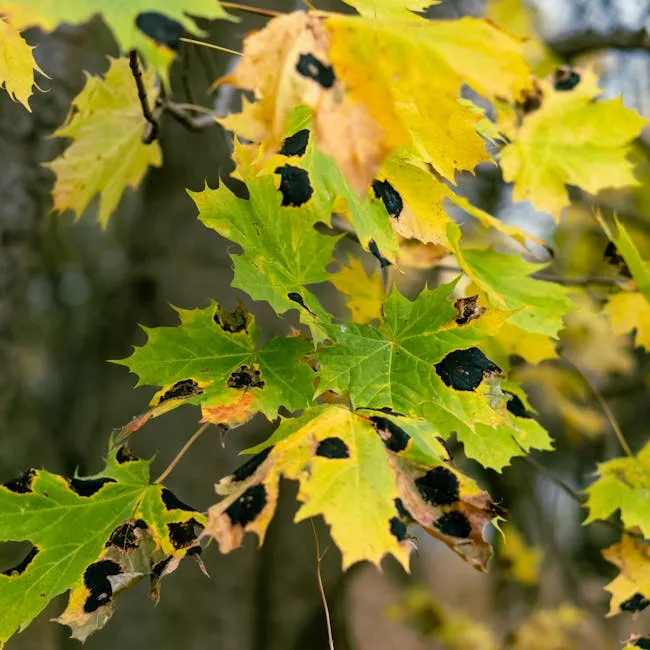
Some plants are more prone to iron chlorosis than others, and acid-loving plants are most susceptible, particularly when grown in high-pH soils. This is not a coincidence.
Acid-loving plants such as blueberries, azaleas, hydrangeas, rhododendrons, and camellias evolved in acidic forest soils and simply cannot thrive when soil pH creeps above 6.0 to 6.5. Their root biology is specifically adapted to extract nutrients from an acidic environment.
Alkaline soils with a pH above 7.5 make it especially difficult for plants to access iron and lead to iron chlorosis, also known as lime-induced chlorosis. Acid-loving plants such as azaleas, camellias, blueberries, and rhododendrons are particularly susceptible when growing in such conditions.
The Science Behind Iron Lockout in Soil
Rarely is iron deficiency in plants caused by a genuine lack of iron in the soil. Iron is typically abundant in the soil, but a variety of soil conditions can limit how well a plant can get to it.
Iron becomes soluble in water, and therefore available to plants, when the soil pH is acidic, at pH 6 or lower. When the pH increases to 7 or higher, the iron in the soil solidifies and becomes locked up. The nutrient is physically present but chemically inaccessible.
Iron is an essential micronutrient for plant health and development. Although it is the fourth most abundant element in the earth’s crust, most of it exists in non-bioactive forms. That gap between abundance and availability is the core of the problem.
Recognizing the Symptoms: What to Look For
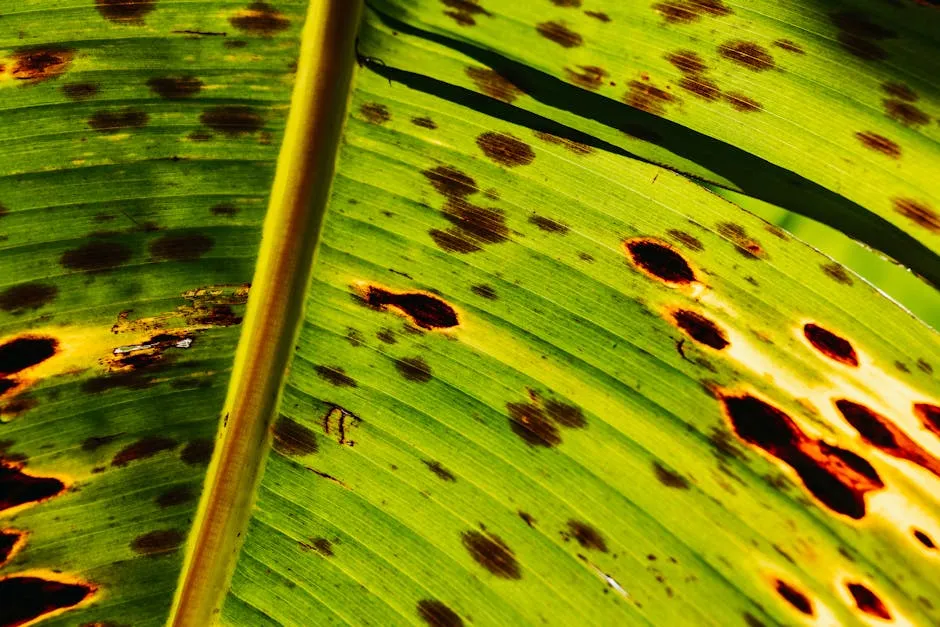
The primary symptom of iron chlorosis is interveinal chlorosis, where leaves appear light green, yellow, or white with dark green veins. In summer heat, leaf margins may become scorched or even die. Chlorosis can affect the whole plant or be localized to a single branch.
Chlorosis occurs in younger leaves specifically because iron is not a mobile element. The younger leaves cannot draw iron from other areas of the plant. This is actually one of the most reliable ways to distinguish iron deficiency from other nutrient problems.
Iron chlorosis appears first on the younger or terminal leaves, while nitrogen deficiency shows as a uniform yellowing of the entire leaf including the veins and appears first in the older leaves. Knowing that distinction saves a lot of guesswork.
Other Causes Beyond Soil pH

Common causes of iron deficiency beyond high soil pH include excess phosphorus or manganese, poor drainage, waterlogging, compacted soil, and root damage. Sometimes several of these factors stack on top of each other.
Iron may also become unavailable due to high levels of other nutrients in the soil, such as manganese or zinc, which can compete with iron for uptake by the plant.
Environmental conditions that increase the likelihood of iron chlorosis in alkaline soils include consistently waterlogged or poorly drained soils, as these contribute to changes in soil chemistry that decrease iron availability. Good drainage, in other words, is not optional for these plants.
Testing Your Soil Before Doing Anything Else
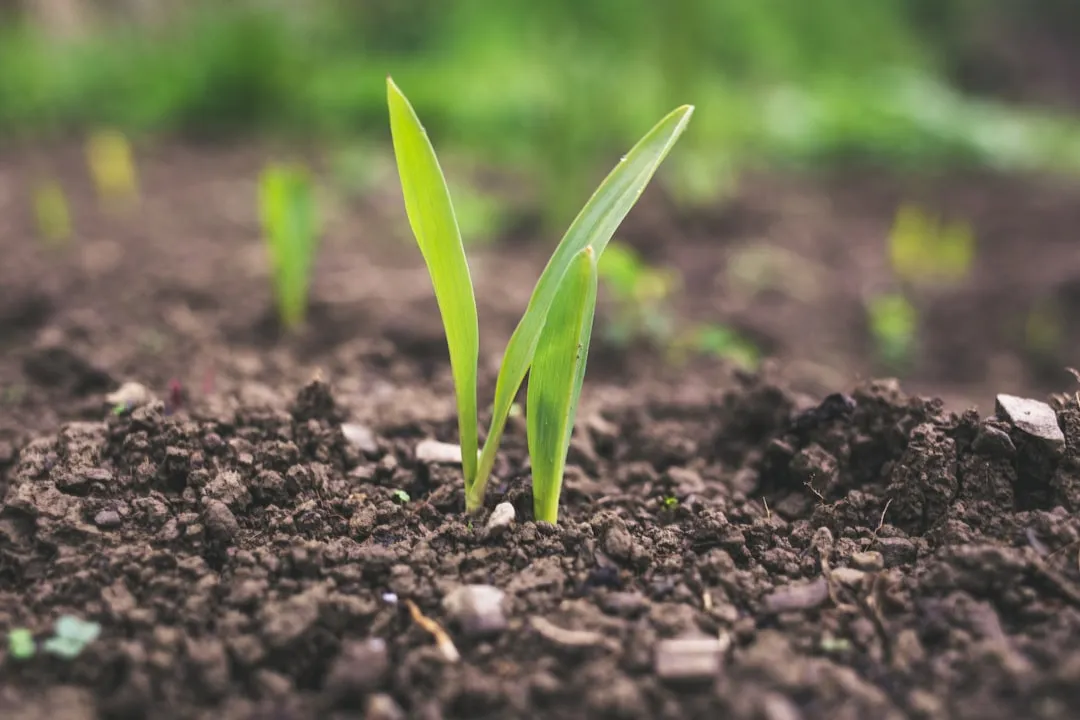
If iron deficiency chlorosis is suspected, the first step is to check the pH of the soil with an appropriate test kit or instrument. Treating the symptoms without understanding the cause is a costly shortcut.
Because chlorosis can also be caused by other micronutrient deficiencies, a soil test is important for determining the actual cause and the correct treatment. Acting on a hunch can lead to over-application of the wrong amendment.
If you have examined other possible causes and still suspect iron chlorosis, have your soil tested to determine whether the pH is above 7.0 to 7.5. Local cooperative extension offices often offer affordable testing services with regionally specific recommendations.
How to Lower Soil pH for Acid-Loving Plants
The most effective way to correct iron deficiency in acid-loving plants is to acidify the soil. Cold, wet seasons such as winter or early spring are ideal times to begin the process, as these conditions give soil amendments time to break down and integrate.
Soil sulfur does not lower pH directly; it works through the soil’s biology. Microbes convert elemental sulfur into sulfuric acid over a period of six to twelve weeks. This gradual process is safer for plants and more sustainable than fast-acting chemical acidifiers that can shock root systems.
Acidifying soil is a slow process, and plant response may not be visible until the following spring or summer. Care must be taken not to overacidify, which can lead to further plant stress or nutrient imbalances. Testing pH before each new round of treatment is essential.
Using Iron Supplements: Foliar Sprays and Soil Treatments
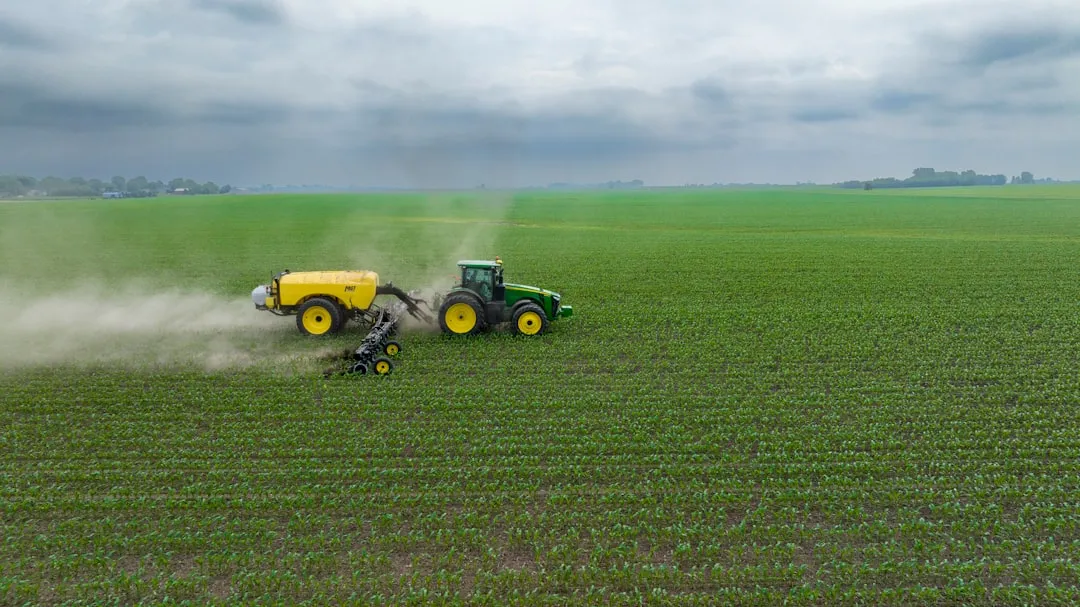
Iron sulfate and chelated iron are two commonly used iron supplements available for garden use. Each works differently, and the right choice depends on your soil conditions and how urgently the plant needs relief.
Liquid iron, in the form of iron sulfate or chelated iron, can be sprayed directly on plant foliage to treat plants for a short-term boost and get them back on track. Foliar application works quickly but does not solve the underlying soil chemistry problem.
Iron chlorosis in blueberries is usually an indication that soil pH is too high, making iron unavailable to the plant. This may be temporarily corrected by applying iron chelate to the soil or by spraying it on the foliage in amounts recommended by the manufacturer.
Choosing the Right Chelated Iron Product
Chelates play a crucial role in making iron available to plants. The most commonly used chelates are EDTA, DTPA, and EDDHA, each with distinct properties that affect iron availability. Not all of them perform equally well under all soil conditions.
EDTA strongly holds iron in solution up to pH 6.0, but by pH 6.5, almost half the iron is precipitated, and by pH 7.0, almost none of the iron is available to plants. DTPA is an excellent iron source up to pH 7.0; however, a significant portion of the iron is precipitated and unavailable by pH 8.0.
EDDHA is the strongest chelate of any of the commonly used materials and maintains iron availability to plants past pH 9.0. The EDDHA chelated iron formulation will remain available to trees and other plants despite high soil pH, while other formulations will eventually tie up or become unavailable just like natural iron.
Organic Methods and Long-Term Maintenance
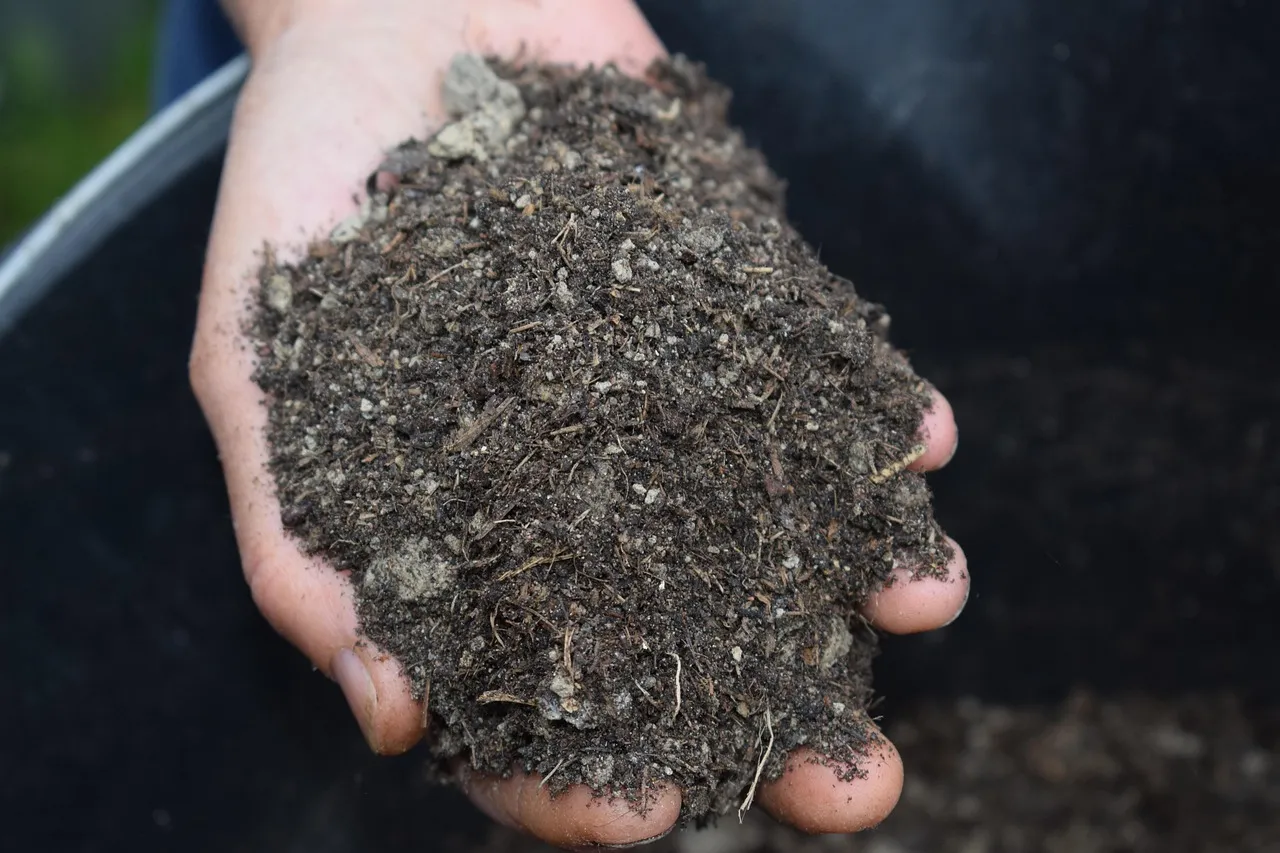
Applying organic mulch around plants can help maintain soil moisture and gradually lower soil pH as it decomposes. Mulching also offers additional benefits such as weed suppression and temperature regulation, contributing to an overall healthier garden ecosystem.
Mulching with acidic organic materials such as pine needles or oak leaves can help maintain lower pH levels over time as they break down. Coffee grounds, peat moss, or pine needles used as mulch slowly and continually release small amounts of acid into the soil.
Most major soil amendments to increase acidity last only two to three years before the soil begins to return to its natural state. This means long-term success requires monitoring, not just a one-time fix.
Prevention: Plant Selection and Ongoing Soil Management
Control of iron chlorosis is not easy and can be expensive, so prevention is better than treatment. Thinking ahead before planting is one of the most reliable strategies available to home gardeners.
If your soil pH is above 7.5, consider choosing different plants that are more tolerant of alkaline conditions. Forcing acid-loving plants into the wrong soil type is a losing battle that tends to repeat itself season after season.
Avoid over-fertilizing, especially with phosphorus-rich fertilizers, as excess phosphorus can interfere with iron uptake. Use balanced, slow-release fertilizers suited to the plants being grown. Checking the soil pH every one to two years also keeps problems from quietly building up between growing seasons.
Conclusion
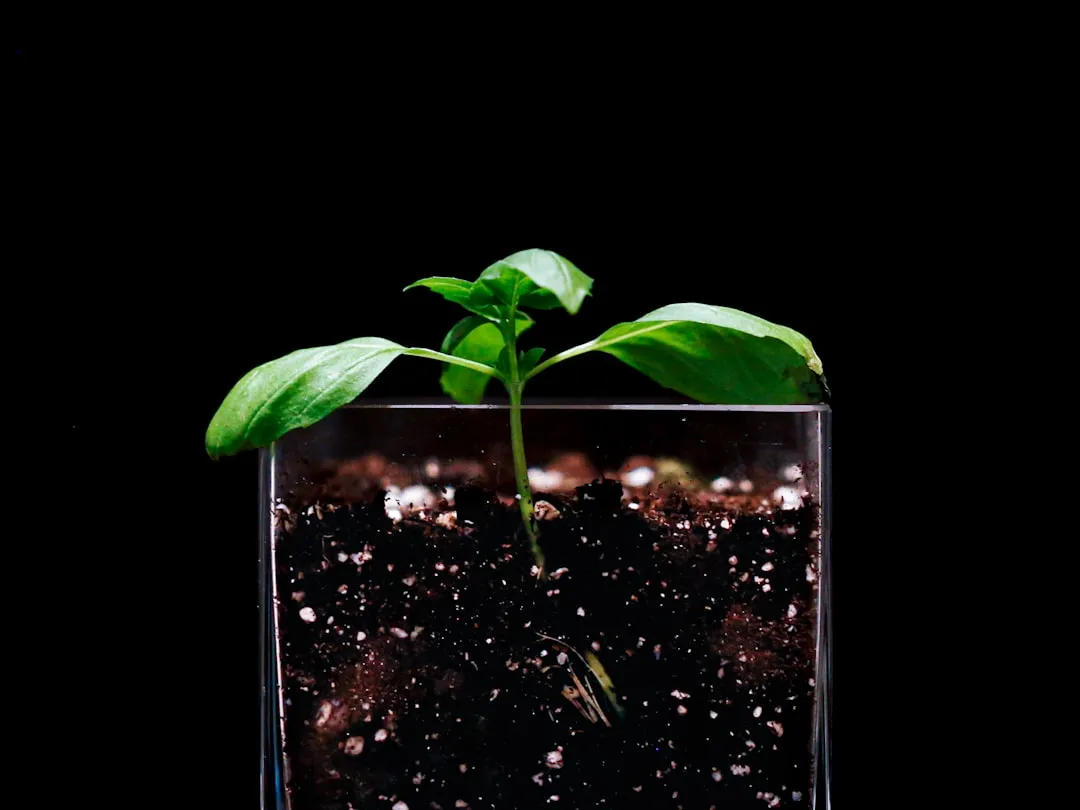
Iron deficiency in acid-loving garden plants is one of those problems that looks worse than it is once you understand what is actually happening. The iron is usually in the soil. The real issue is chemistry, specifically pH, drainage, and the conditions that either release or lock away what the plant needs.
The practical path forward is straightforward: test before treating, correct the underlying soil conditions rather than just chasing symptoms, choose amendments appropriate to your specific pH range, and maintain results with consistent monitoring. The good news is that correcting iron deficiency is relatively easy, can be very quick, and has a high rate of success when the root cause is properly identified.
A plant cannot thrive when its nutrition is locked at the root level. Getting the soil right is not just a detail. It is the whole foundation.
AI Disclaimer: This article was created with the assistance of AI tools and reviewed by a human editor.