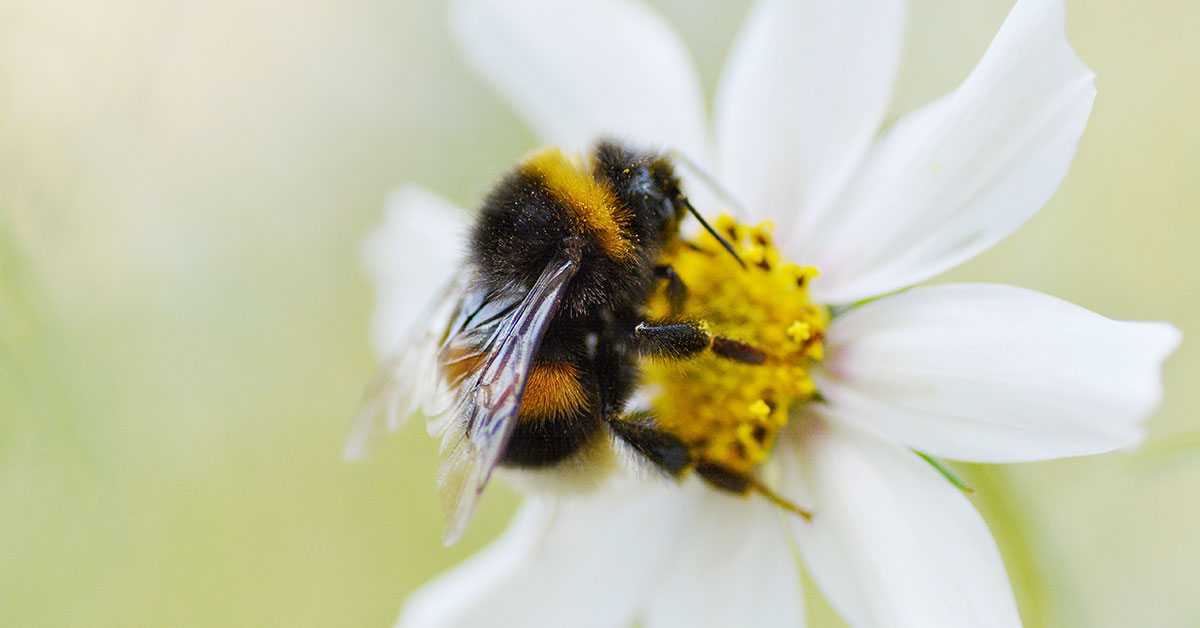

As the days grow shorter and cooler, it becomes increasingly important to provide bees with the resources they need to prepare for winter. Late-blooming flowers play a crucial role in helping bees gather the last bits of nectar and pollen before the cold sets in. By planting a variety of late-blooming flowers, you can create a supportive habitat that sustains bees through their critical pre-winter period. These flowers not only beautify your garden but also contribute significantly to the health and survival of bee populations.
Bees are essential pollinators for many plants, including those in our food supply. By planting these late bloomers, you can ensure that your garden remains a vibrant, buzzing haven for bees right up until the first frost. Let’s explore some of the best flowers you can plant to help bees prepare for winter.
Goldenrod (Solidago spp.)
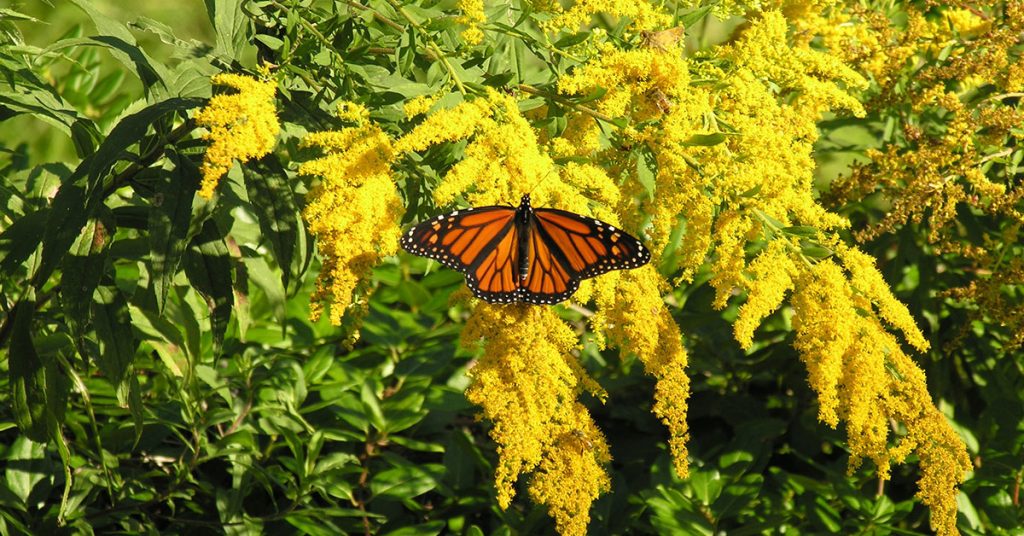
Goldenrod is a native North American plant known for its bright yellow flowers that bloom from late summer into fall. This hardy perennial thrives in full sun and well-drained soil, and it can adapt to a variety of growing conditions. Goldenrod is often unfairly blamed for causing hay fever, but it’s actually ragweed that’s the culprit. Goldenrod’s showy blooms are a magnet for bees, providing essential nectar and pollen during the late season.
One of the great things about goldenrod is its versatility. It can be used in naturalized areas, meadows, and borders to add a splash of yellow color. It’s also beneficial for other pollinators and wildlife, making it a valuable addition to any garden. Goldenrod’s robust nature means it requires little maintenance, and it can help support bee populations when other flowers have faded. By planting goldenrod, you’ll create a vibrant, bee-friendly garden that supports pollinators well into the fall.
Joe-Pye Weed (Eutrochium purpureum)
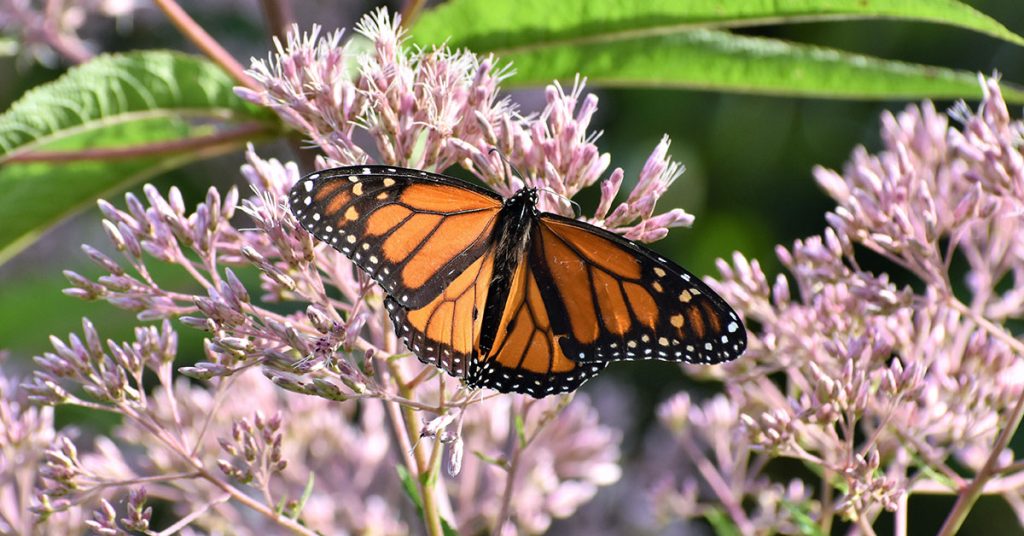
Joe-Pye Weed is a tall, late-blooming perennial native to North America that is highly attractive to bees. It thrives in full sun to partial shade and prefers moist, well-drained soil. Joe-Pye Weed produces clusters of pinkish-purple flowers from late summer through fall, providing an abundant source of nectar and pollen for bees and other pollinators.
One of the appealing aspects of Joe-Pye Weed is its height, often reaching up to six feet tall, which makes it a striking addition to any garden. It’s perfect for the back of borders or in wildflower gardens. Joe-Pye Weed is relatively low-maintenance and can tolerate a range of soil conditions, including clay. Planting Joe-Pye Weed will ensure that your garden remains a buzzing haven for bees as they prepare for winter.
New England Aster (Symphyotrichum novae-angliae)
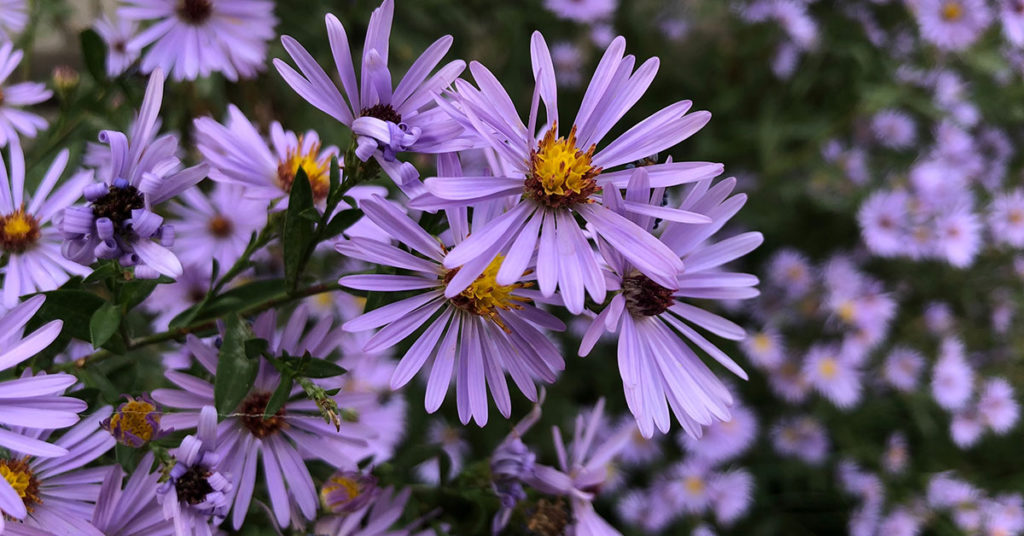
New England Aster is a native North American plant that blooms from late summer into fall, producing vibrant purple flowers with yellow centers. This hardy perennial thrives in full sun and well-drained soil, and it can tolerate a variety of conditions, including clay and sandy soils. New England Aster is a favorite among bees, providing a crucial late-season food source.
One of the best things about New England Aster is its long blooming period, which helps sustain bees during the critical pre-winter period. The plant’s tall, bushy habit makes it an excellent choice for borders and wildflower gardens. Regular deadheading can encourage more blooms, extending the flowering season. By planting New England Aster, you’ll provide bees with essential nectar and pollen while adding a splash of vibrant color to your garden.
Russian Sage (Perovskia atriplicifolia)
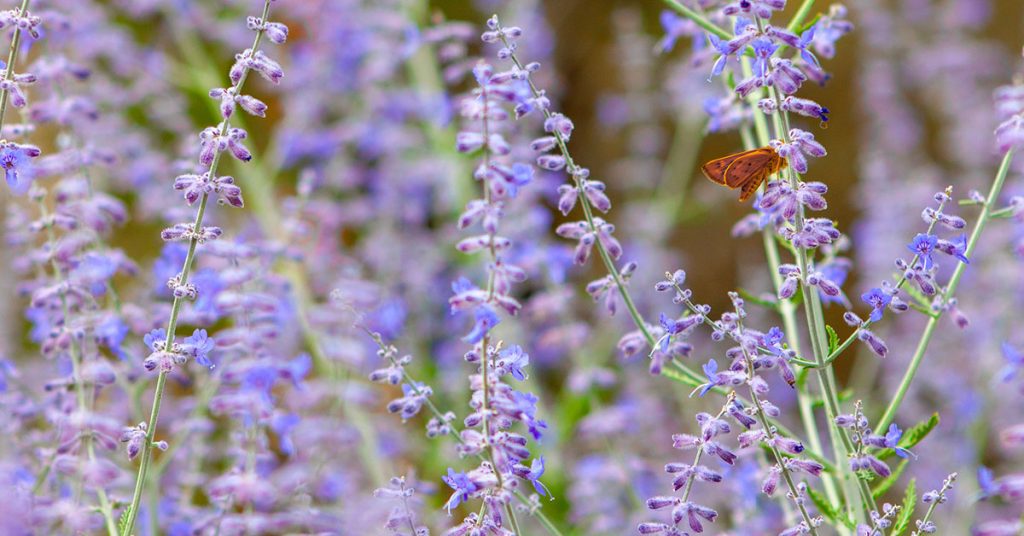
Russian Sage is a drought-tolerant perennial native to central Asia that blooms from mid-summer to fall. It thrives in full sun and well-drained soil, making it a perfect choice for xeriscaping and low-water gardens. Russian Sage produces tall spikes of lavender-blue flowers that attract bees, butterflies, and other pollinators.
One of the delightful aspects of Russian Sage is its aromatic foliage, which releases a pleasant scent when brushed against. The plant’s silvery-green leaves and airy flower spikes add texture and movement to the garden. Russian Sage is also deer-resistant and low-maintenance, requiring little more than occasional pruning to keep it looking its best. By planting Russian Sage, you’ll provide a valuable late-season food source for bees while enhancing your garden’s aesthetic appeal.
Tithonia (Tithonia rotundifolia)
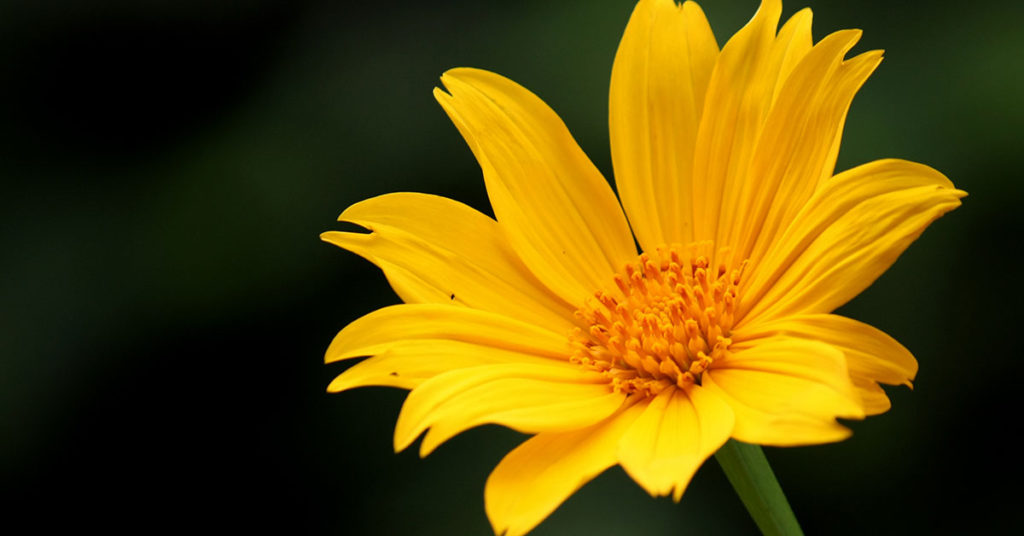
Tithonia, also known as Mexican Sunflower, is a vibrant annual native to Mexico and Central America. It thrives in full sun and well-drained soil, producing large, bright orange flowers from mid-summer through fall. Tithonia is a magnet for bees and butterflies, providing a rich source of nectar and pollen.
One of the striking features of Tithonia is its height, often reaching up to six feet tall, making it a bold addition to any garden. It’s perfect for the back of borders or as a focal point in a flower bed. Tithonia is relatively easy to grow from seed and requires minimal care once established. Planting Tithonia will ensure that your garden remains a vibrant, bee-friendly space well into the fall.
Anise Hyssop (Agastache foeniculum)
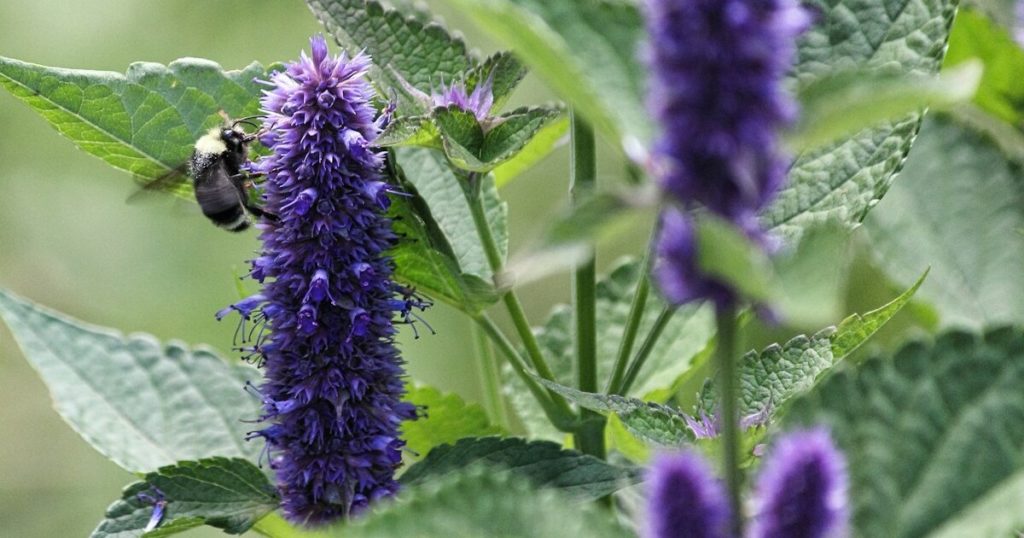
Anise Hyssop is a perennial herb native to North America that blooms from mid-summer to fall. It thrives in full sun and well-drained soil, producing spikes of lavender-blue flowers that are highly attractive to bees. Anise Hyssop has aromatic foliage that smells like licorice, adding an extra sensory dimension to your garden.
One of the benefits of Anise Hyssop is its ability to thrive in a variety of soil types, including poor and sandy soils. The plant’s long blooming period provides a continuous food source for bees during the late season. Anise Hyssop is also relatively low-maintenance, requiring little more than occasional watering and pruning. By planting Anise Hyssop, you’ll support bee populations while enjoying its beautiful flowers and fragrant foliage.
Japanese Anemone (Anemone hupehensis)
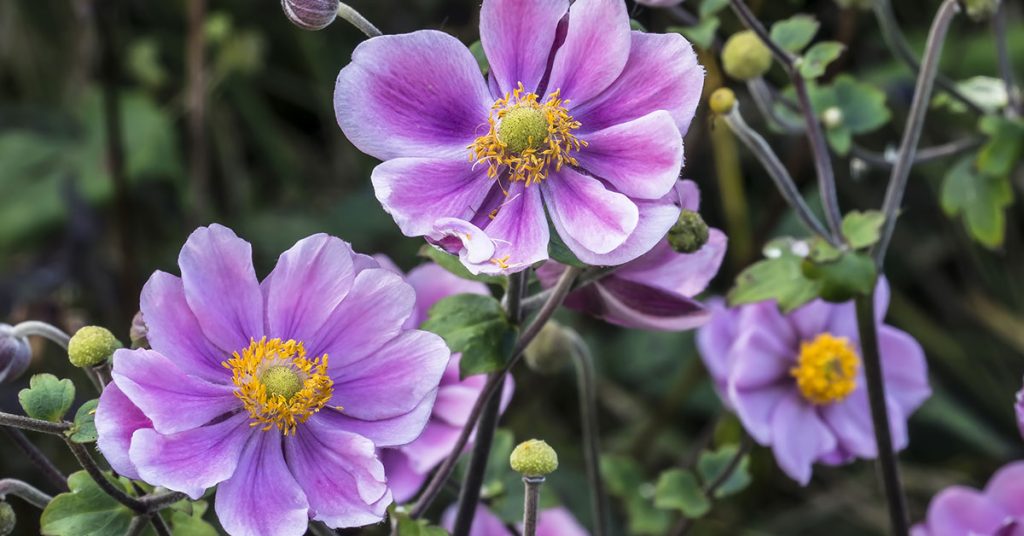
Japanese Anemone is a late-blooming perennial native to China and Japan that thrives in partial shade to full sun and well-drained soil. It produces elegant, cup-shaped flowers in shades of pink and white from late summer into fall. Japanese Anemone is a favorite among bees, providing a crucial source of nectar and pollen during the late season.
One of the appealing aspects of Japanese Anemone is its ability to thrive in shady areas, making it a versatile addition to your garden. The plant’s tall, graceful stems and delicate flowers add a touch of elegance to borders and woodland gardens. Japanese Anemone is also relatively low-maintenance, requiring little more than regular watering and occasional pruning. By planting Japanese Anemone, you’ll create a beautiful, bee-friendly garden that supports pollinators well into the fall.
Rudbeckia (Rudbeckia spp.)

Rudbeckia, also known as Black-Eyed Susan, is a native North American plant that blooms from late summer into fall. It thrives in full sun and well-drained soil, producing bright yellow flowers with dark centers. Rudbeckia is a magnet for bees, providing essential nectar and pollen during the late season.
One of the great things about Rudbeckia is its versatility. It can be used in borders, wildflower gardens, and containers to add a splash of color. Rudbeckia is also relatively low-maintenance and drought-tolerant, making it an excellent choice for resilient, colorful plants. By planting Rudbeckia, you’ll ensure that your garden remains a buzzing haven for bees as they prepare for winter.
Coneflower (Echinacea spp.)

Coneflower, also known as Echinacea, is a hardy perennial native to North America that blooms from mid-summer to fall. It thrives in full sun and well-drained soil, producing daisy-like flowers in shades of pink, purple, and white. Coneflower is a favorite among bees, providing a rich source of nectar and pollen.
One of the appealing aspects of Coneflower is its long blooming period, which helps sustain bees during the critical pre-winter period. The plant’s tall, sturdy stems make it an excellent choice for borders and wildflower gardens. Coneflower is also relatively low-maintenance, requiring little more than occasional watering and pruning. By planting Coneflower, you’ll support bee populations while enjoying its beautiful blooms.
Montauk Daisy (Nipponanthemum nipponicum)
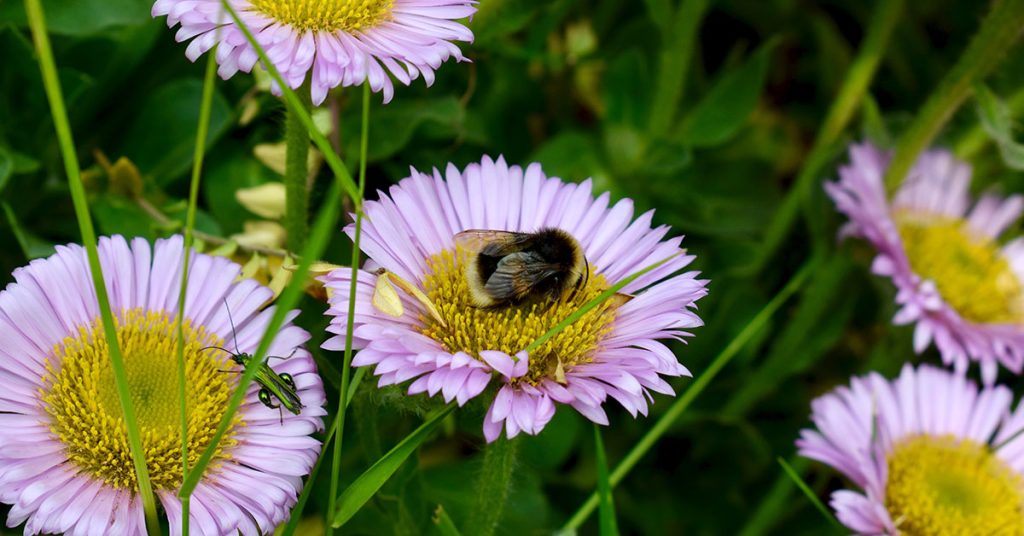
Montauk Daisy, also known as Nippon Daisy, is a late-blooming perennial native to Japan that thrives in full sun and well-drained soil. It produces large, white daisy-like flowers from late summer into fall, providing a crucial source of nectar and pollen for bees.
One of the best things about Montauk Daisy is its hardiness and resilience. It can tolerate a range of soil conditions and is relatively low-maintenance, requiring little more than occasional watering and pruning. The plant’s long blooming period ensures that bees have a reliable food source during the late season. By planting Montauk Daisy, you’ll create a beautiful, bee-friendly garden that supports pollinators well into the fall.
Autumn Joy Sedum (Hylotelephium ‘Herbstfreude’)
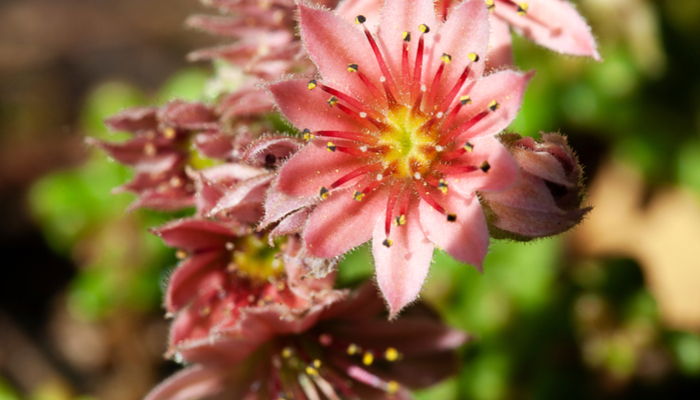
Autumn Joy Sedum is a popular variety of stonecrop that blooms from late summer into fall. Native to the Northern Hemisphere, this succulent thrives in full sun and well-drained soil, producing clusters of pink flowers that turn a rich bronze as the season progresses. Autumn Joy Sedum is highly attractive to bees, providing essential nectar during the late season.
One of the appealing aspects of Autumn Joy Sedum is its low-maintenance nature. It’s drought-tolerant and deer-resistant, making it a practical choice for many garden settings. The plant’s unique texture and color add visual interest to your garden, and its long blooming period helps sustain bees as they prepare for winter. By planting Autumn Joy Sedum, you’ll create a vibrant, bee-friendly garden that supports pollinators well into the fall.
Helenium (Helenium spp.)
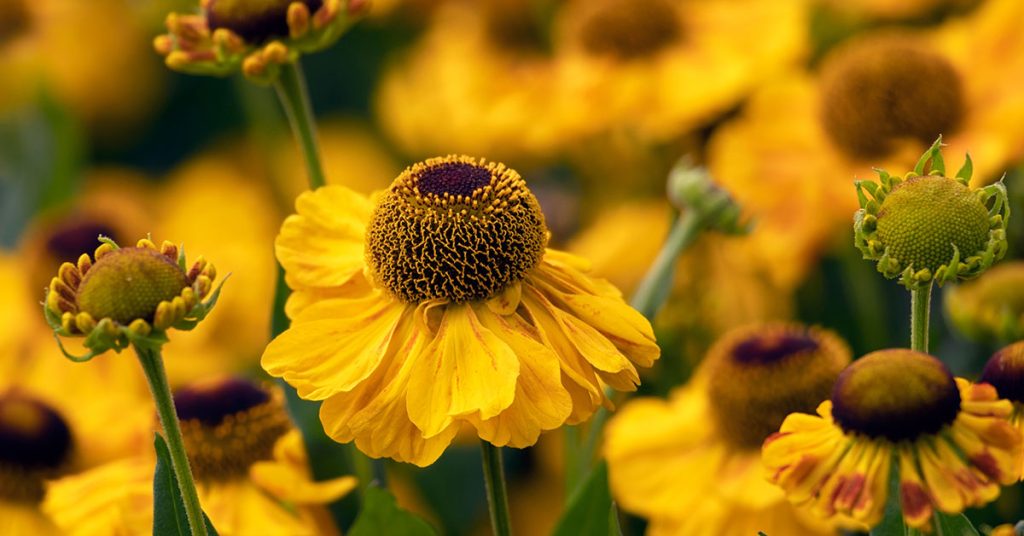
Helenium, also known as sneezeweed, is a hardy perennial native to North and Central America that blooms from late summer into fall. It thrives in full sun and well-drained soil, producing daisy-like flowers in shades of yellow, orange, and red. Helenium is a favorite among bees, providing a rich source of nectar and pollen during the late season.
One of the delightful aspects of Helenium is its long blooming period, which helps sustain bees during the critical pre-winter period. The plant’s tall, sturdy stems make it an excellent choice for borders and wildflower gardens. Helenium is also relatively low-maintenance, requiring little more than occasional watering and pruning. By planting Helenium, you’ll support bee populations while enjoying its vibrant blooms.
Michaelmas Daisy (Aster novi-belgii)
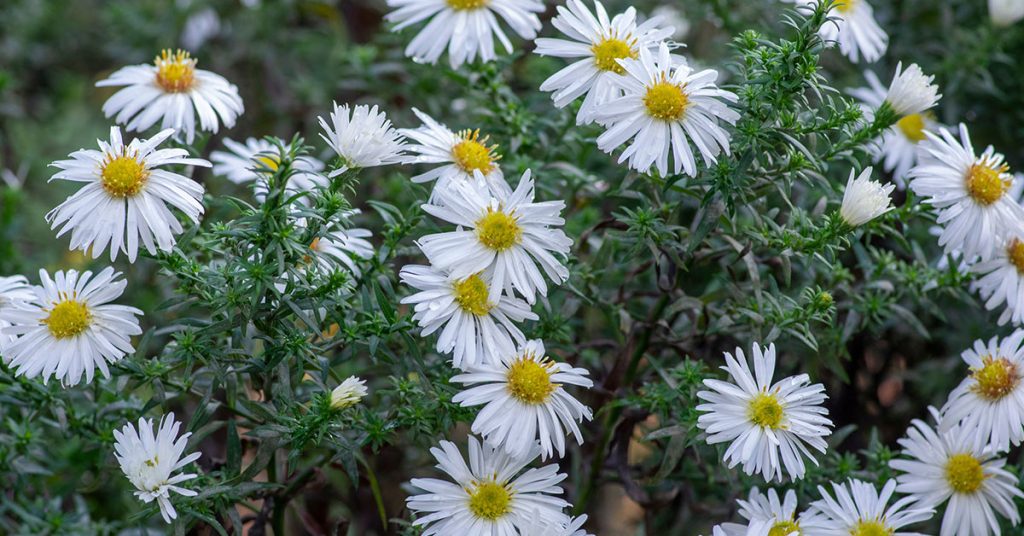
Michaelmas Daisy, also known as New York Aster, is a late-blooming perennial native to North America that thrives in full sun and well-drained soil. It produces clusters of small, daisy-like flowers in shades of purple, pink, and white from late summer into fall. Michaelmas Daisy is a magnet for bees, providing essential nectar and pollen during the late season.
One of the best things about Michaelmas Daisy is its versatility. It can be used in borders, wildflower gardens, and containers to add a splash of color. The plant’s long blooming period ensures that bees have a reliable food source during the late season. Michaelmas Daisy is also relatively low-maintenance, requiring little more than regular watering and occasional pruning. By planting Michaelmas Daisy, you’ll create a beautiful, bee-friendly garden that supports pollinators well into the fall.
Bluebeard (Caryopteris x clandonensis)
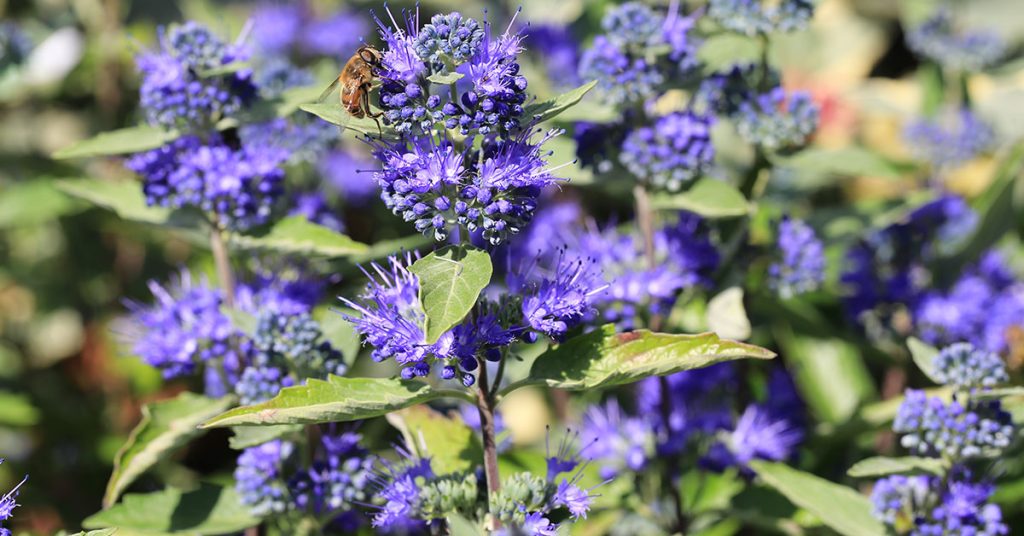
Bluebeard, also known as Blue Spirea, is a late-blooming shrub native to East Asia that thrives in full sun and well-drained soil. It produces clusters of small, blue flowers from late summer into fall, providing a rich source of nectar for bees. Bluebeard is a favorite among gardeners for its vibrant color and ability to attract pollinators.
One of the appealing aspects of Bluebeard is its compact size, making it suitable for small gardens and containers. The plant’s aromatic foliage adds an extra sensory dimension to your garden, and its long blooming period helps sustain bees during the critical pre-winter period. Bluebeard is also relatively low-maintenance, requiring little more than occasional pruning to keep it looking its best. By planting Bluebeard, you’ll support bee populations while enhancing your garden’s aesthetic appeal.
Toad Lily (Tricyrtis hirta)
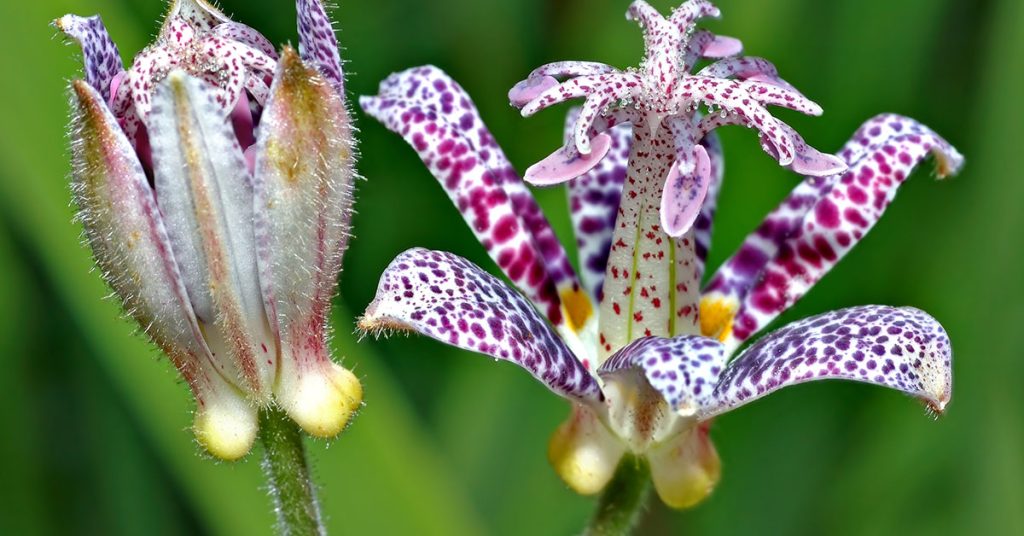
Toad Lily is a late-blooming perennial native to Japan that thrives in partial shade and well-drained soil. It produces unique, orchid-like flowers in shades of white, pink, and purple from late summer into fall. Toad Lily is highly attractive to bees, providing essential nectar during the late season.
One of the delightful aspects of Toad Lily is its ability to thrive in shady areas, making it a versatile addition to your garden. The plant’s exotic flowers and lush foliage add a touch of elegance to borders and woodland gardens. Toad Lily is also relatively low-maintenance, requiring little more than regular watering and occasional pruning. By planting Toad Lily, you’ll create a beautiful, bee-friendly garden that supports pollinators well into the fall.
Sedum (Sedum spp.)
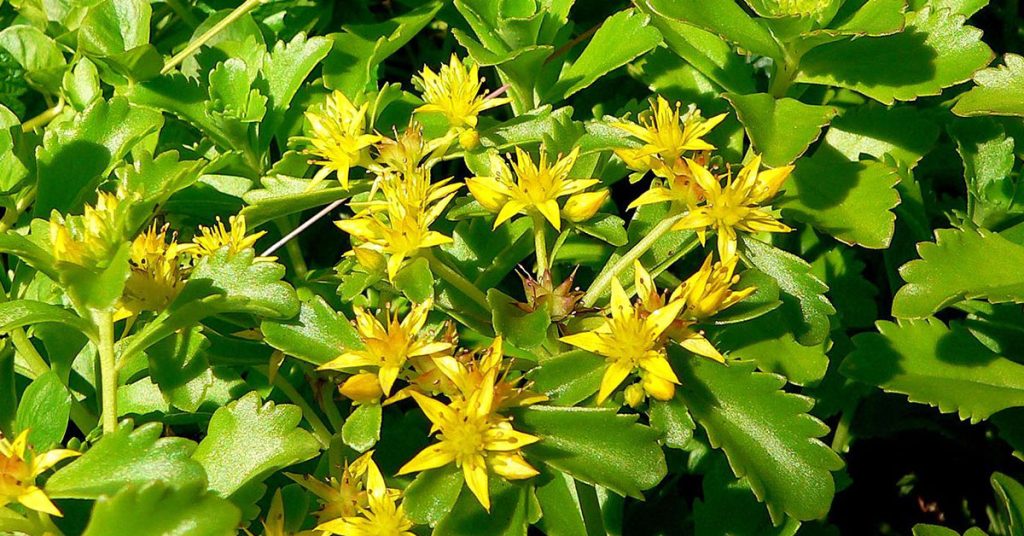
Sedum, also known as stonecrop, is a resilient and beautiful late-blooming flower that bees adore. Native to the Northern Hemisphere, these succulents thrive in full sun and well-drained soil, making them perfect for rock gardens, borders, and containers. Sedum produces clusters of small, star-shaped flowers that bloom from late summer into fall, providing a rich source of nectar for bees.
One of my favorite varieties is ‘Autumn Joy,’ which boasts large, pink flower heads that turn a rich bronze as the season progresses. Sedum is incredibly low-maintenance, requiring minimal water and care once established. It’s also drought-tolerant and deer-resistant, making it a practical choice for many garden settings. Planting sedum ensures that bees have a reliable food source as they prepare for winter, and the plant’s unique texture adds visual interest to your garden.