

As the days grow shorter and temperatures dip, our buzzing friends need every last drop of nectar and pollen to build their winter reserves! It’s such a bummer when autumn’s blaze of color fades too quickly, leaving bees scrambling for scarce food. I know how rewarding it feels to see bees flitting from bloom to bloom—so let’s extend their buffet well into late August and beyond with flowers that keep giving.
In this guide, I’m thrilled to share eleven of my favorite late-season bloomers that deliver crucial nutrients when bees need them most. We’ll explore where each plant hails from, whether it tends to wander beyond its patch, and the delightful behavior you’ll observe—like bumblebees nesting near sedum clusters or mason bees hollowing stems of phlox.
Montauk Daisy (Nipponanthemum nipponicum)

Native to Japan’s coastal dunes, Montauk daisies tolerate salt spray and poor soils yet reward gardeners with clusters of white, daisy-like blooms well into early fall. They form tidy mounds and aren’t considered invasive, making them perfect for borders or seaside-inspired beds. I love how these hardy perennials brighten gray days with their persistent flowers!
Their flat, nectar-rich heads are a bee magnet—especially for bumblebees stocking up before cold snaps. You might even spot small solitary bees tunneling into bare ground at the plant’s edge, using the sturdy stems as landmarks for their nearby underground nests.
Chrysanthemum (Chrysanthemum × morifolium)

Chrysanthemums originate from East Asia, where they were treasured for tea and pest control. Modern garden mums bloom from late August through frost, offering fiery oranges, reds, and golds. They remain noninvasive in garden beds, and pinching back early in summer ensures a fuller display come late season.
Beyond their stunning hues, chrysanthemum flowers release natural pyrethrins that deter some chewing insects—yet bees still visit in droves for pollen. Hoverflies and ladybird beetles also frequent the blooms, benefiting from that floral haven before winter.
Goldenrod (Solidago canadensis)
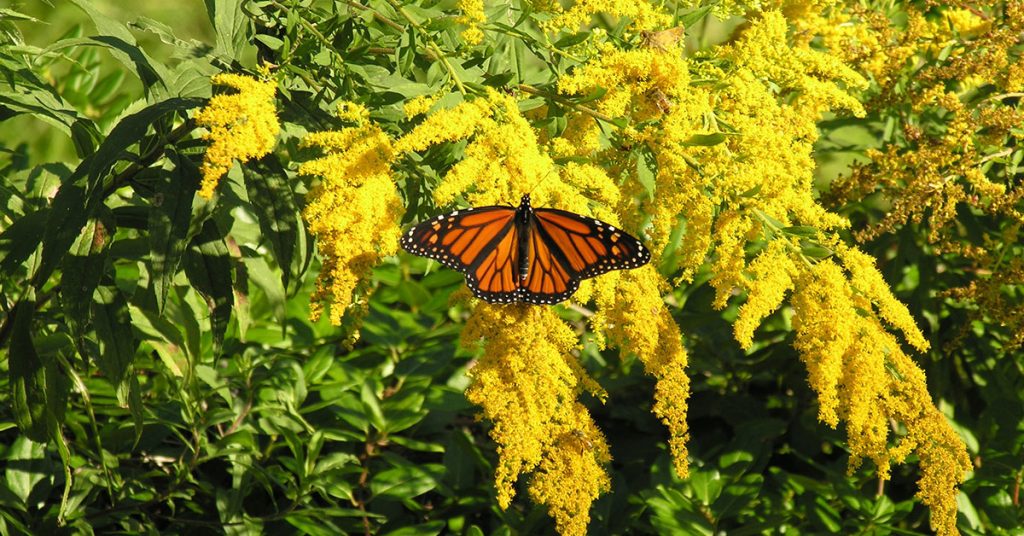
Goldenrod’s brilliant plumes are quintessential late-summer spectacle. Native to North America’s prairies, Solidago canadensis spreads by rhizomes but rarely becomes problematic in well-managed beds. Its tall, branching stems carry hundreds of tiny yellow flowers that light up borders!
These blossoms are one of the bees’ last rich nectar sources, especially for honeybees and solitary miners. Watch for bumblebee queens busily gorging themselves here—they often nest low in undisturbed grass clumps beside goldenrod patches.
Autumn Joy Sedum (Hylotelephium telephium)

Known commonly as Autumn Joy, this sedum hails from Europe and Asia. Its thick, succulent leaves store water, and in late August the flat clusters of pinkish blooms deepen to coppery red. Sedums are noninvasive clump-formers, perfect for rock gardens or sunny borders!
When flowers open, they flood the garden with late-season pollen, attracting honeybees, mason bees, and even parasitic wasps that help control caterpillars. You’ll love seeing lacewings prowling the clusters—nature’s own pest patrol!
Japanese Anemone (Anemone hupehensis)
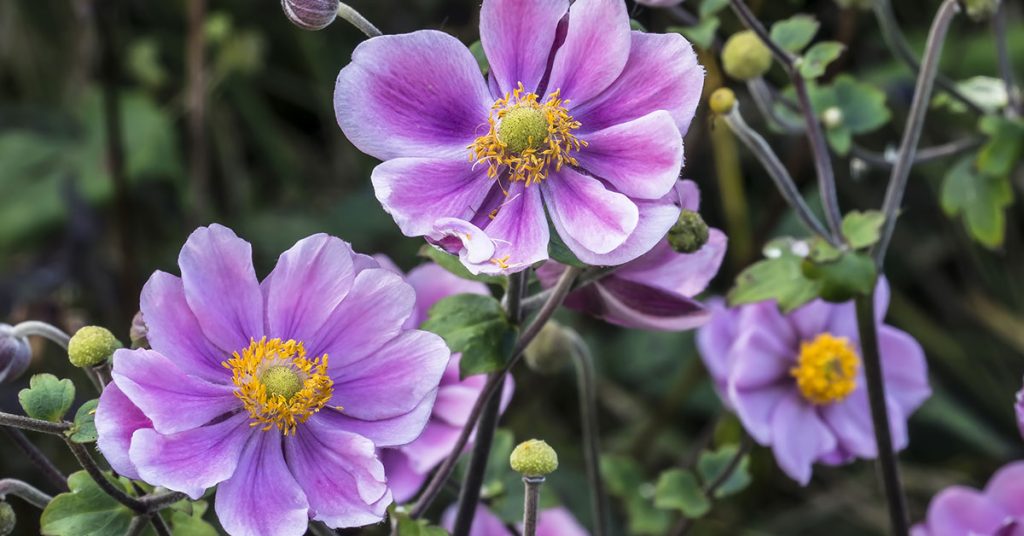
Japanese anemones, native to China, bloom on tall stalks with delicate pink or white petals from late summer into fall. They spread slowly via underground rhizomes but seldom overwhelm their neighbors, making them reliable fillers for partial-shade beds.
Their cup-shaped flowers beckon bumblebees and solitary bees alike, offering a sweet reward just when other sources wane. I’ve spotted small mining bees nesting in nearby patches of bare soil, drawn to the height and visibility of anemone blooms!
Joe-Pye Weed (Eutrochium purpureum)
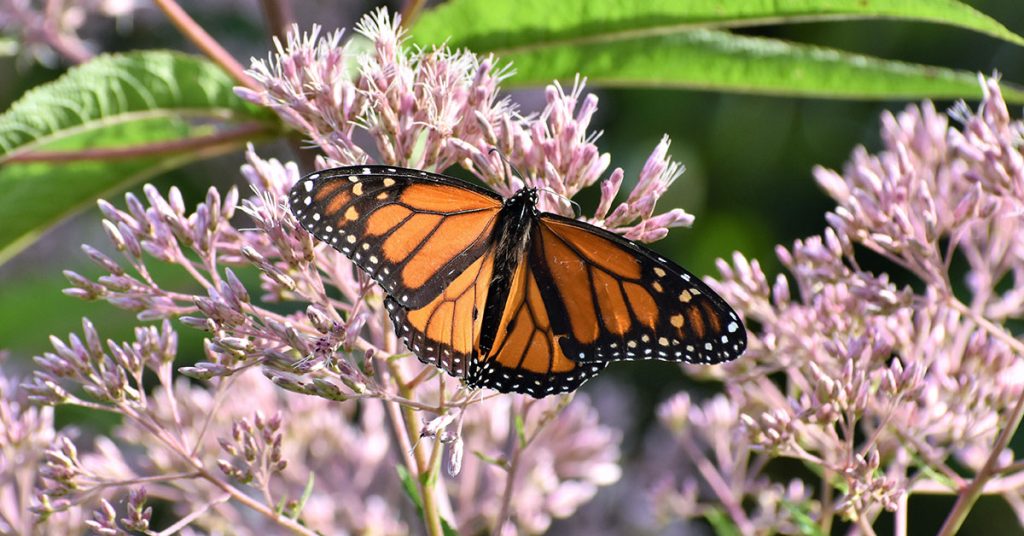
This North American native prairie plant sports mauve-pink umbels that persist through September. Joe-Pye weed can spread in moist soils but is easily contained in designated pollinator patches. Its tall stems add dramatic vertical interest to late-season borders!
Pollinators adore it—honeybees, bumblebees, and butterflies cluster on each flower head, loading up before overwintering. Ground-nesting bees often excavate cavities beneath the umbrella-like clusters, taking advantage of the shade and shelter.
Sneezeweed (Helenium autumnale)
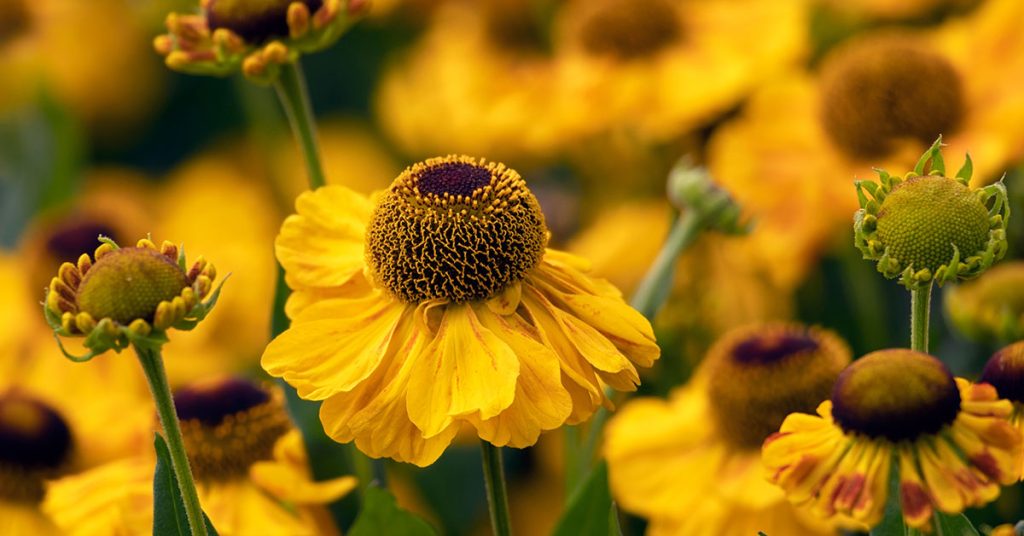
Sneezeweed, native to North America’s wetlands, offers coppery-orange blooms from late August into October. It forms clumps and rarely self-seeds in dry garden soils, making it a well-behaved border plant. Its daisy-like flowers gleam in late-summer light!
Each bloom attracts a frenzy of bees—particularly small sweat bees—that forage pollen for their nests in nearby bare ground. You’ll also see hoverflies darting among the petals, their larvae ready to tackle aphid outbreaks.
Fall Phlox (Phlox paniculata)
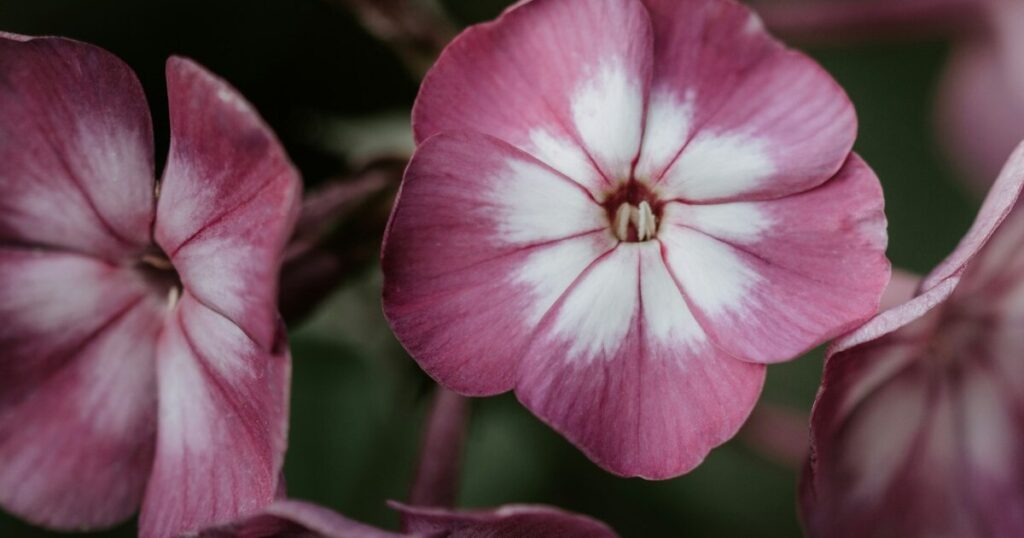
Phlox paniculata dazzles with fragrant clusters in pinks, purples, and whites from August through September. Native to the eastern United States, it spreads slowly but isn’t invasive in most garden settings. Regular deadheading extends its floral performance!
Bees—especially honeybees and bumblebees—are drawn to its tubular blossoms, and mason bees often hollow out old phlox stems for overwintering brood cells. The scent and color signal a late-season feast they won’t ignore!
Russian Sage (Perovskia atriplicifolia)
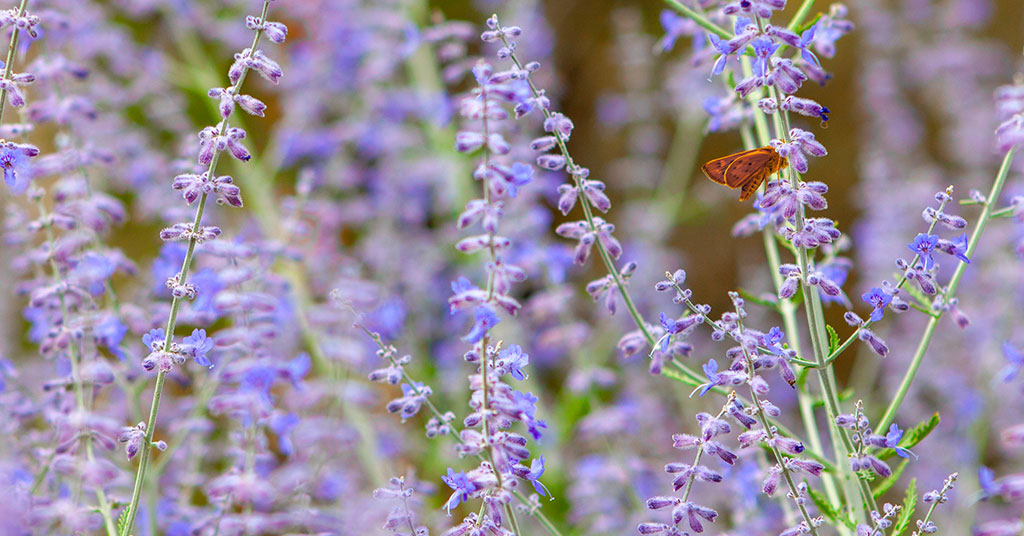
Russian sage, from Central Asia’s dry steppes, ripens in late summer with airy spires of lavender-blue blooms. It’s noninvasive and thrives in poor, rocky soils, adding a silvery haze to late-season beds. I love how it dances in the breeze even as cooler nights set in!
Those clusters attract bumblebees and mason bees searching for last-minute nectar. You might find tiny spider nests anchored to the woody stems—critical pest controllers that help maintain a balanced ecosystem.
Anise Hyssop (Agastache foeniculum)
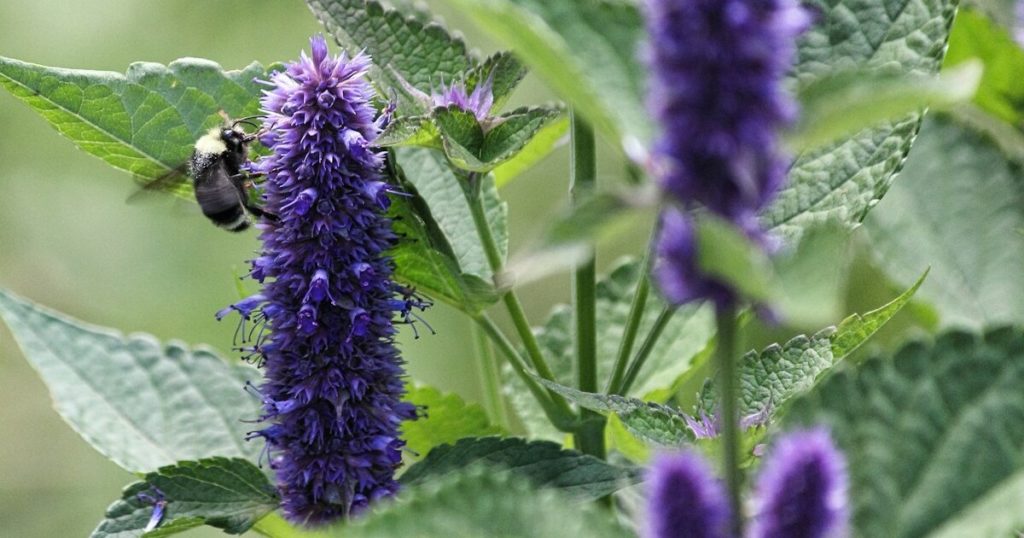
Anise hyssop, native to North America’s prairies, blooms from mid-summer to fall with spikes of purple flowers and a gentle licorice scent. It’s noninvasive in well-drained soils and forms neat clumps of fragrant foliage.
Honeybees and bumblebees gorge themselves on the nectar-rich flowers, often returning repeatedly to the same spike. Solitary bees also nest in sun-warmed soil beneath the plants, using the sturdy stems as guides back to their burrows.
Toad Lily (Tricyrtis hirta)
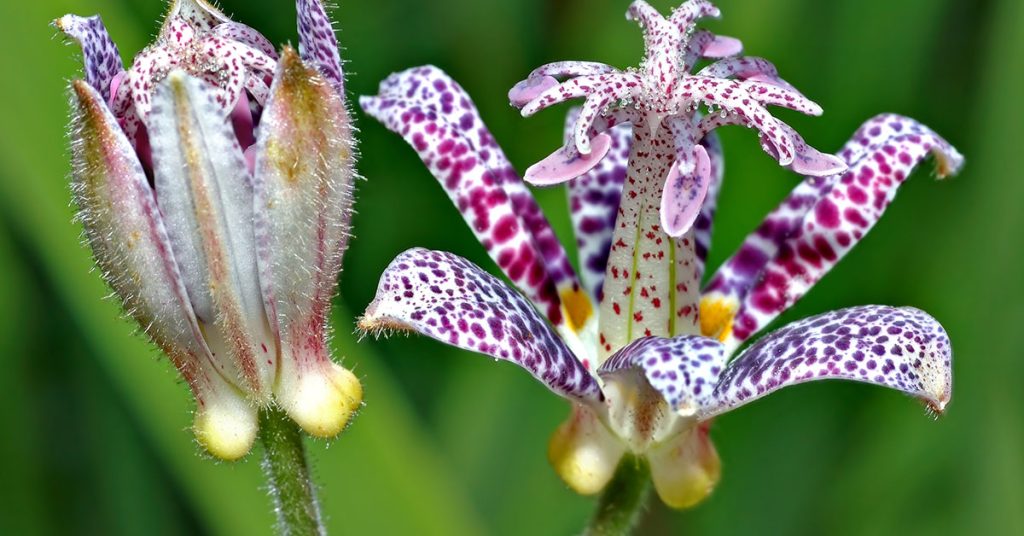
Toad lilies, native to East Asia, surprise gardeners with orchid-like spotted flowers in late summer and fall. They form clumps under partial shade and remain noninvasive, thriving in moist, humusy soils. Their exotic blooms add unexpected charm when other flowers fade!
Despite preferring shade, toad lilies draw bees—especially small sweat bees—into lower, woodland areas of the garden. You might also spot predatory beetles using the arching stems as bridges to hunt slug and snail prey.