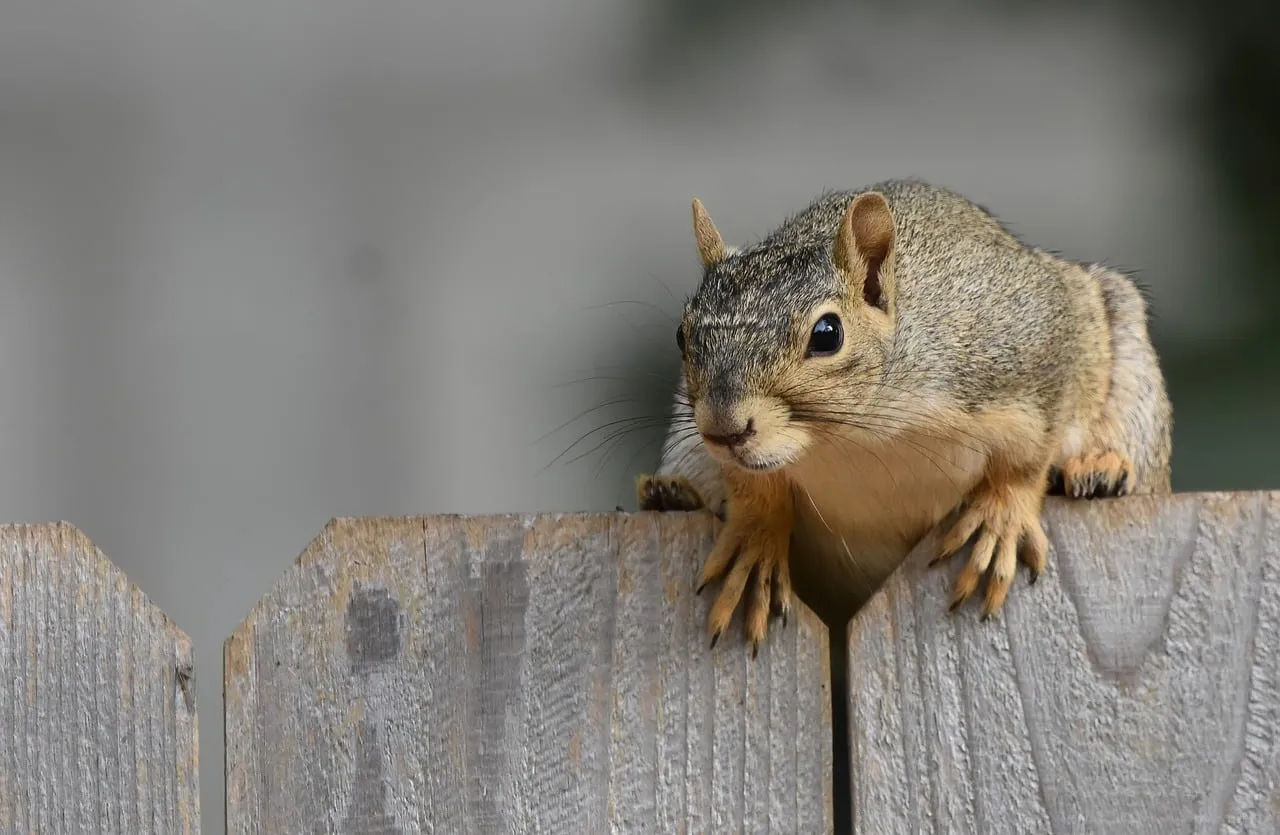

Most people know to check on elderly neighbors during a heatwave. Far fewer think to look out the back window at what’s happening in the yard. With climate change, average temperatures are rising so much that animals’ natural ranges are shifting and record-breaking heatwaves are becoming life threatening. The wildlife living just outside your door, from bees and birds to foxes and toads, are quietly struggling through the same brutal heat you’re trying to escape.
Heatwaves are becoming more intense and frequent due to climate change. Extreme heat can disrupt breeding and foraging, dry up temporary water sources like vernal pools, and increase the risk of dehydration or heat stress. The good news is that ordinary backyards, balconies, and even small garden patches can make a real difference.
The Scale of the Problem: Why Heatwaves Are Dangerous for Wildlife
In 2024, residents of Tecolutilla, Mexico, witnessed a tragic scene during a brutal heatwave: howler monkeys falling from trees. More than 80 were found dead from apparent dehydration and heatstroke, with many more likely perishing out of sight in the surrounding jungle. It was a vivid reminder of what extreme heat does to animals that have nowhere to go.
Recent studies show that extreme heat and climate change have contributed to major declines in animal populations over the past few decades, and many more species are now edging toward extinction. Scientists estimate that nearly 400 bird species, including two-thirds of North American birds, are at risk due to climate change.
A systematic review published in 2025 found that heatwaves significantly impact wildlife feed quality, reproductivity, and mortality. Species already stressed by habitat loss are especially vulnerable. The cumulative pressure is real, and it is building every summer.
Set Out Fresh Water Every Single Day
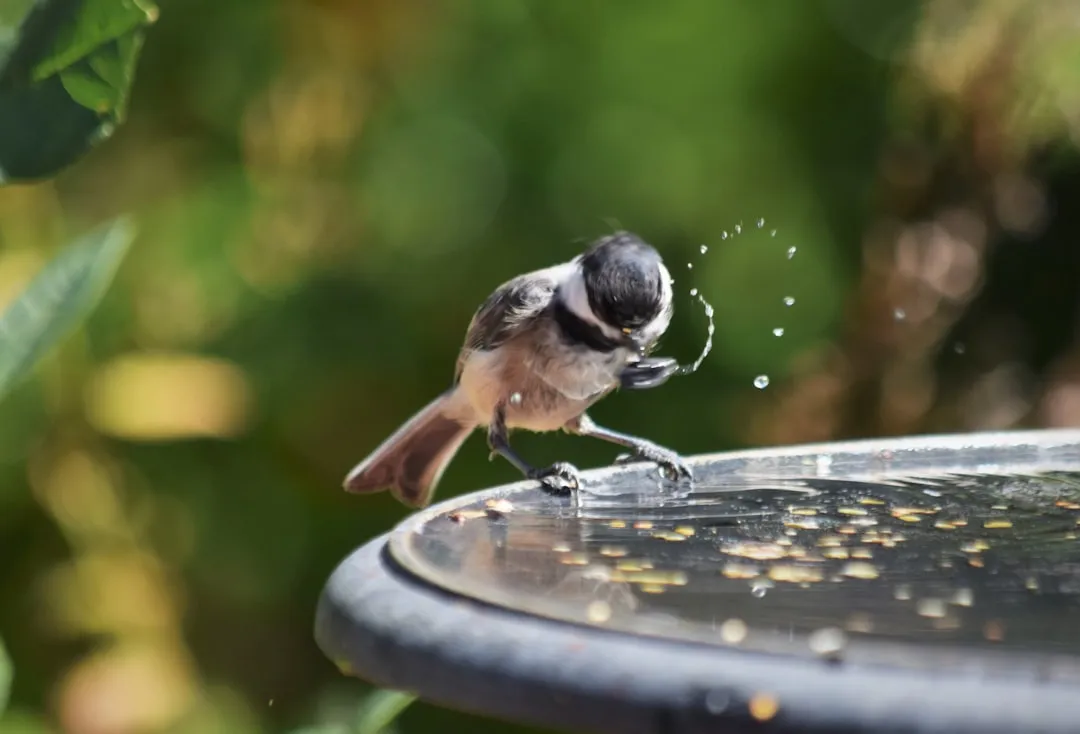
Water is always a critical component of wildlife gardening. Providing stagnant, dirty water is worse than no water at all, and letting water sources dry out forces animals that have come to rely on them to use precious energy to find new water. So be sure to keep all water sources topped up and clean.
A shallow bowl of water on a shady corner of your porch or garden might not seem like much, but to a thirsty squirrel or tired bird, it can be life-saving. Put water in a container that’s low and wide so small animals don’t drown, and put a few stones in for bees or butterflies to land on.
Bird baths can also be a source of disease transmission, so it’s important to not only refill bird baths daily, but also clean them thoroughly two or three times a week. Extreme heat can cause natural water sources to dry up, making your backyard setup more important than it might seem.
Create Shade and Shelter Without Redesigning Your Garden
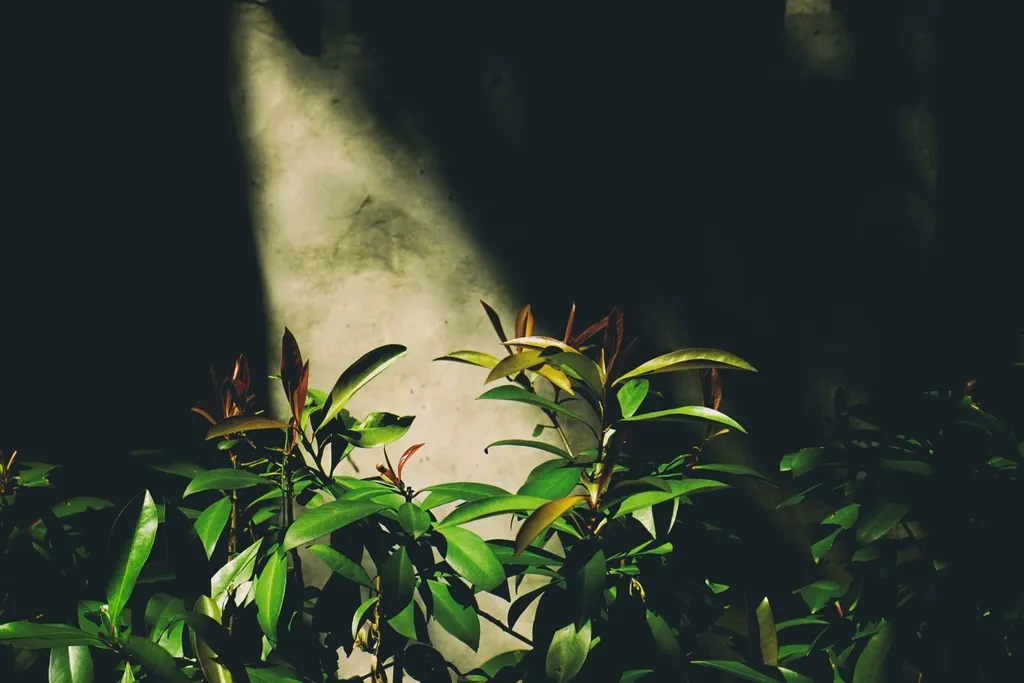
Even the smallest patch of shade can be a haven for wild animals. An overturned flowerpot, or a tilted piece of cardboard can provide just enough shelter from the sun for a chipmunk or a toad. You don’t need a large garden for this to matter.
Dense shrubs, native trees, and untrimmed hedges provide cooler microclimates and refuge for animals. Avoid heavy trimming during heatwaves; shade is habitat right now. That overgrown corner of the yard isn’t untidy. It’s doing genuine work.
Brush piles made from logs, branches, flower stalks, leaves, and twigs can give dense cover to small mammals, birds, reptiles, and amphibians. As the piles slowly decay, they attract more insects, providing additional food for birds.
Stop Mowing and Trimming During a Heatwave
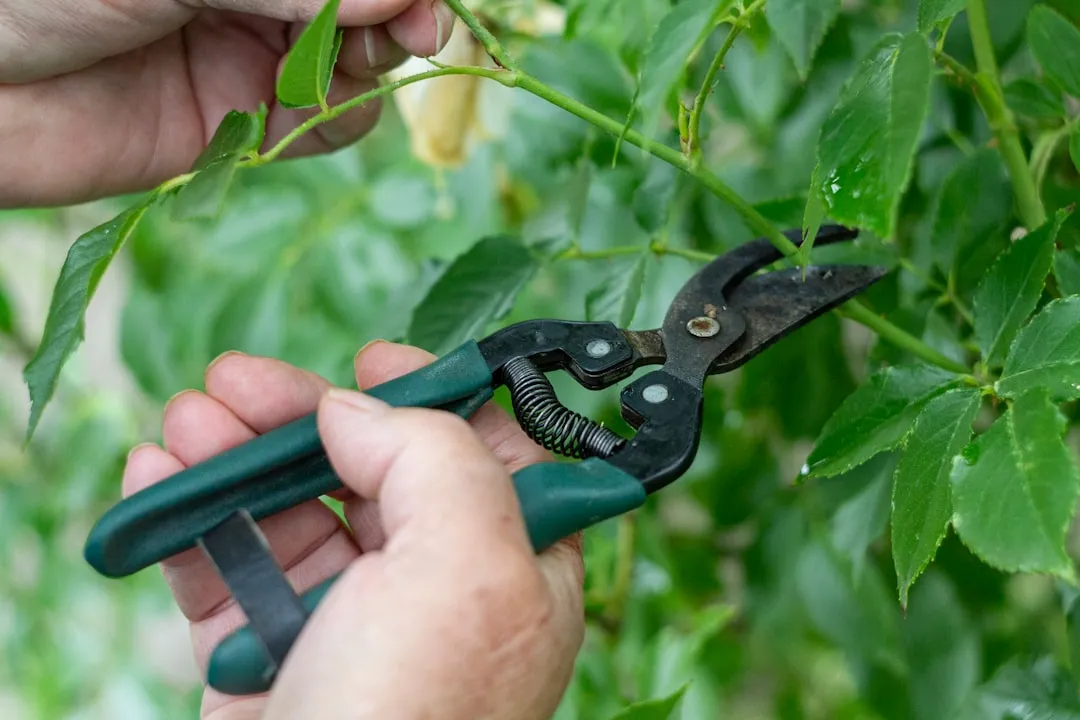
Avoid mowing lawns or trimming shrubs and trees during heat waves to prevent removing critical shelter. This is a simple thing to skip, and it matters more than most people realize.
Lawns are heat traps. When they’re flat, trimmed, and water-hungry, they don’t offer much relief to wildlife. If you let a corner of your yard grow wild or replace some grass with native plants, you can help create microclimates. Microclimates are little pockets of cooler, shadier space where bugs, birds, and bunnies can find relief.
Use mulch in your garden and other outdoor spaces. It helps retain moisture in the soil for the animals that live there, including toads, frogs, salamanders, and burrowing mammals. It’s a low-effort step with a surprisingly broad impact.
Plant Native Species for Long-Term Heat Resilience
Studies of the responses of native birds, bees, and other insects to native versus non-native plants consistently found stronger ecological benefits associated with native plants. Overall, one major review found that native plants in urban landscapes overwhelmingly correlate with higher wildlife diversity and beneficial ecosystem services.
Ask your local gardening center what native species they have available, as these will already be well-equipped to handle extreme temperatures and often require less watering. They’ll also provide places for birds and other animals to shelter during the hottest parts of the day.
Keystone plants are natives that support roughly nine in ten butterflies and moths, and up to six in ten native bees in a specific ecoregion. Planting keystone species maximizes your positive impact on the local ecosystem and helps wildlife populations thrive.
Recognize the Signs of Heat Distress in Wildlife
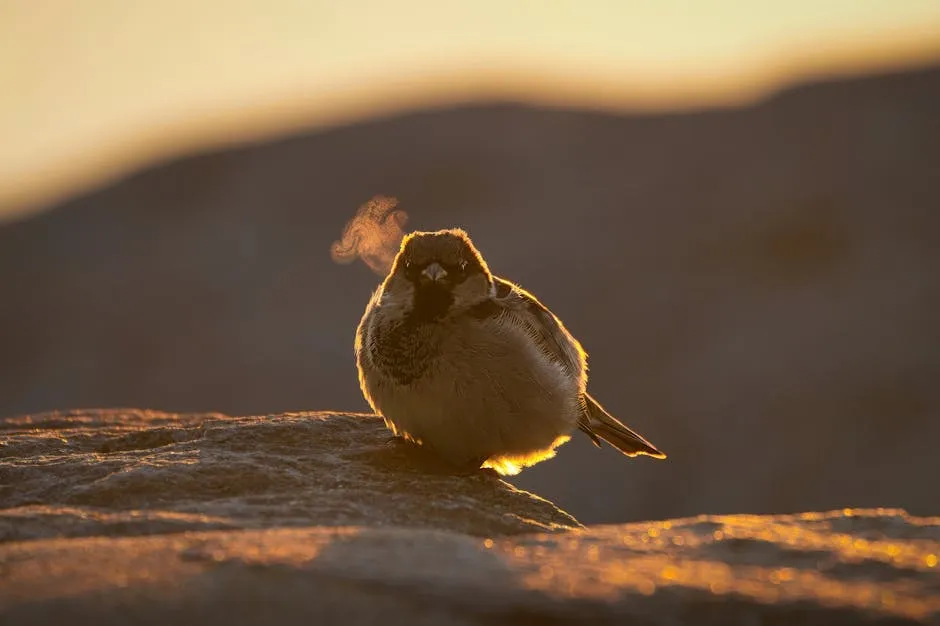
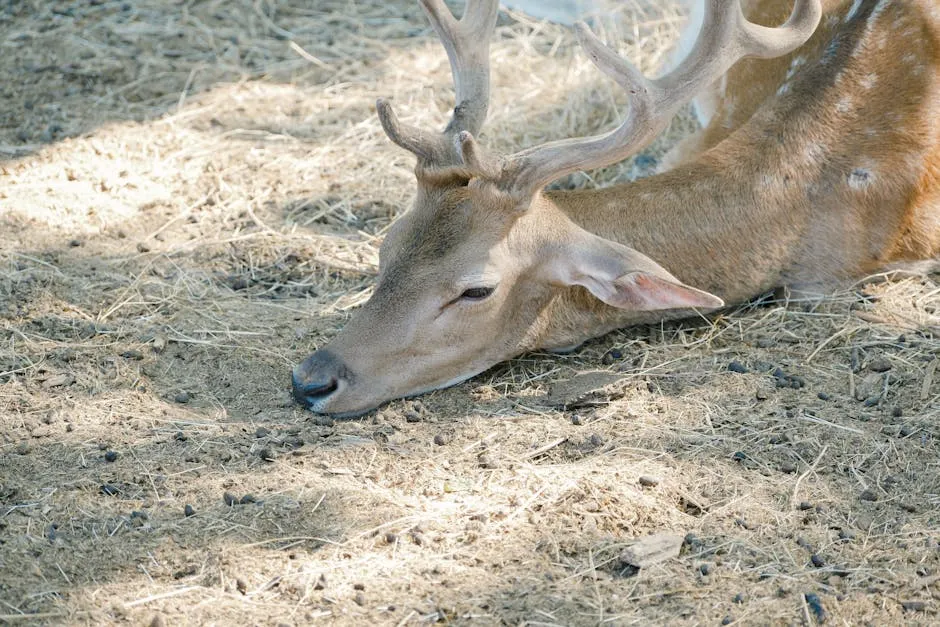
During a heat wave, the appearance of nocturnal animals in the daytime, birds sitting on the ground, or mammals lying still are all potential signs of dehydration and heat distress. Knowing what to look for is the first step to responding appropriately.
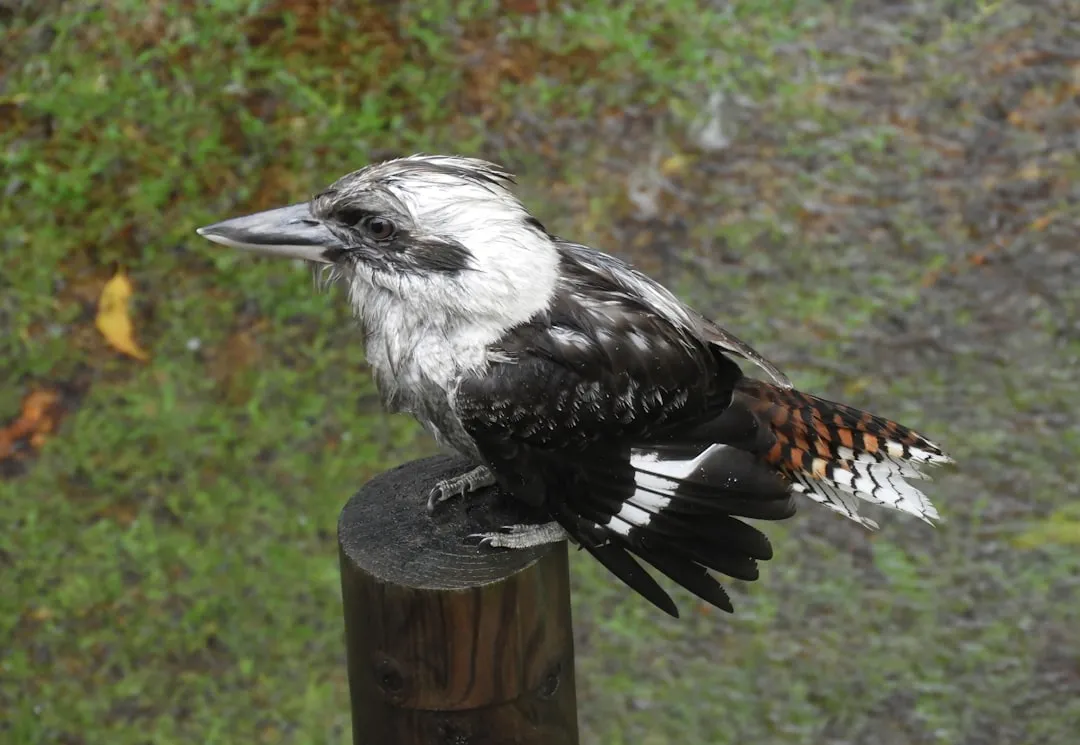
Wildlife needing rescue may show signs of confusion, lethargy, and disorientation, and species-specific indications of heat stress include birds panting with open beaks and wings outstretched, possums and koalas found on the ground seeking cooler areas, kangaroos and wallabies reluctant to move or lying down without quickly moving away when startled, and reptiles seeking refuge in cool, dark places such as under bushes, burrows, or rocks.
You should not approach these animals. When animals are unable to flee, they are more likely to bite or scratch an approaching human. Although they may be dehydrated, they could also have a contagious disease. West Nile virus and rabies can both have symptoms similar to the signs of heat stress.
Keep Pets Contained to Protect Vulnerable Wildlife
Heat-stressed birds and possums are vulnerable. Secure cats, especially at night, and walk dogs early or late so wildlife can access water undisturbed. During a heatwave, a stressed animal’s escape response slows down considerably, making the risk from domestic pets much higher than usual.
Check under and around vehicles prior to starting them, as animals may seek shelter underneath. Keep pets away from wildlife and leashed on trails and public spaces to prevent adding further stress.
Prolonged high temperatures may push animals into unfamiliar spaces like yards, porches, or sheds, and raise the risk of negative encounters with people, pets, or vehicles. A little awareness during a heatwave goes a long way for everyone sharing the space.
Skip the Pesticides and Herbicides
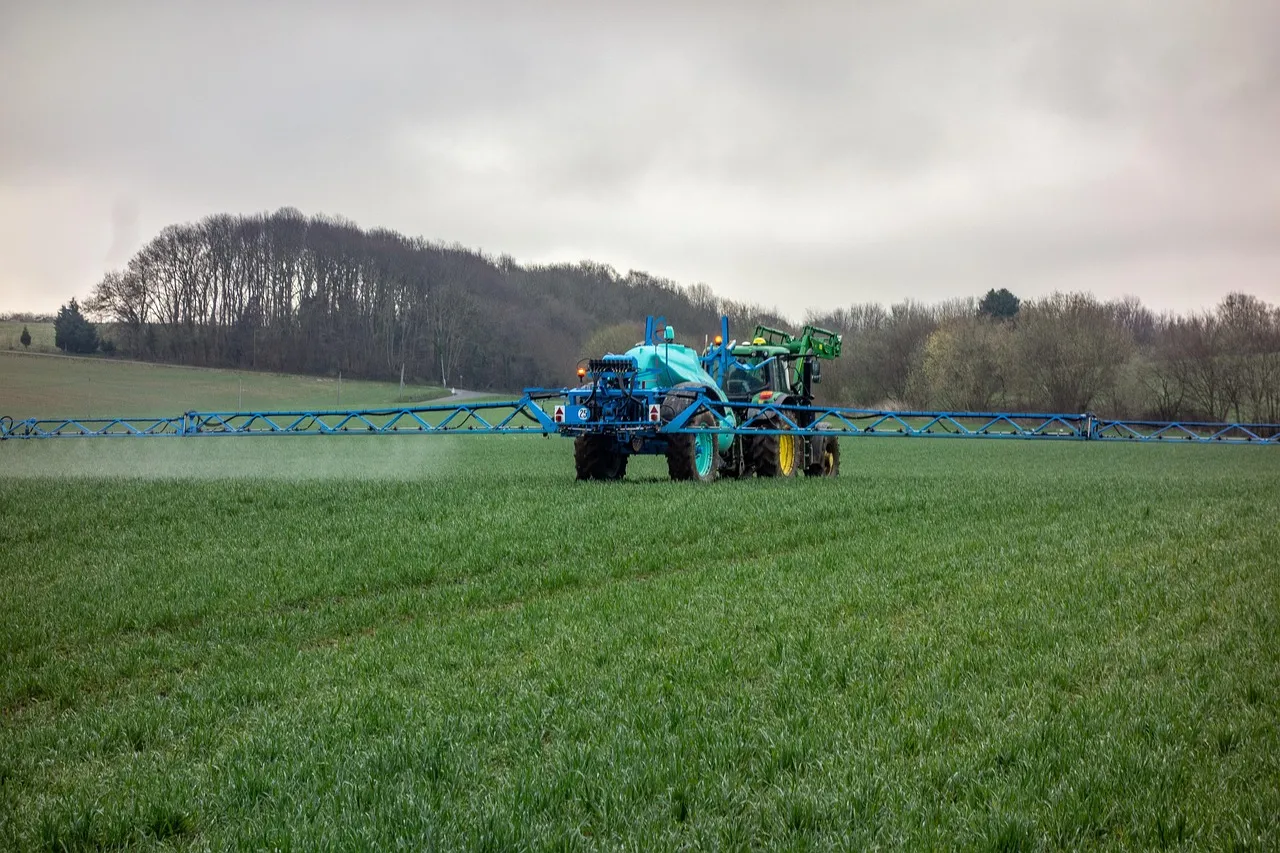
Avoid pesticides and herbicides. Stressed wildlife and beneficial insects are more susceptible to toxins, and chemicals can contaminate scarce water sources. When an animal is already dehydrated and heat-exhausted, even low-level chemical exposure can push it over the edge.
Pesticides and herbicides can harm wild animals even when they’re not struggling during soaring temperatures, but using them during heatwaves just exacerbates the issue for wild animals already in peril. The timing really does make a difference.
Avoid using pesticides and herbicides as they may get into the water you’ve so carefully set out. The same water station helping a bee survive could become a hazard if it sits downwind of a recently sprayed lawn.
Supplement Food Sources When Heat Disrupts the Natural Supply
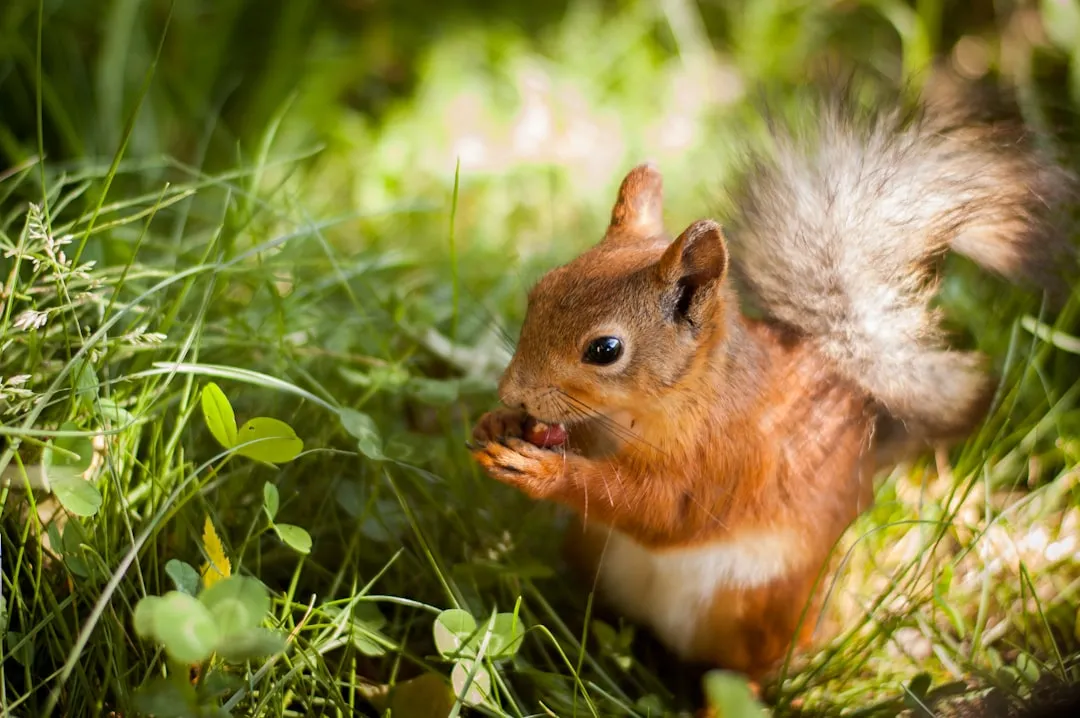
Although summer is usually a time of plentiful food for wildlife, during extreme heat usual food sources may ripen and die earlier than usual or fail to grow at all. Supplement lost food supplies by keeping your wildlife-friendly plants efficiently watered to produce berries and nectar-rich flowers, and birdfeeders stocked with seasonally appropriate food.
Watering flowers and greenery will provide hydration for bees and butterflies and will also benefit small insects. As these are part of the food chain, a well-hydrated insect will make a nourishing find for birds and mammals who may struggle to find food when it is hot. Watering your grass will also keep worms and burrowing bugs cool and moist.
The heat can be incredibly tiring for bees, and it is common to find bumblebees lying on the ground whilst they recover. A quick way to revive a struggling bee is to offer them a water and sugar solution on a bottle cap or spoon. This can give a quick boost of energy to a flagging pollinator so they can fly back to their hive.
Know When and How to Contact Wildlife Rehabilitators
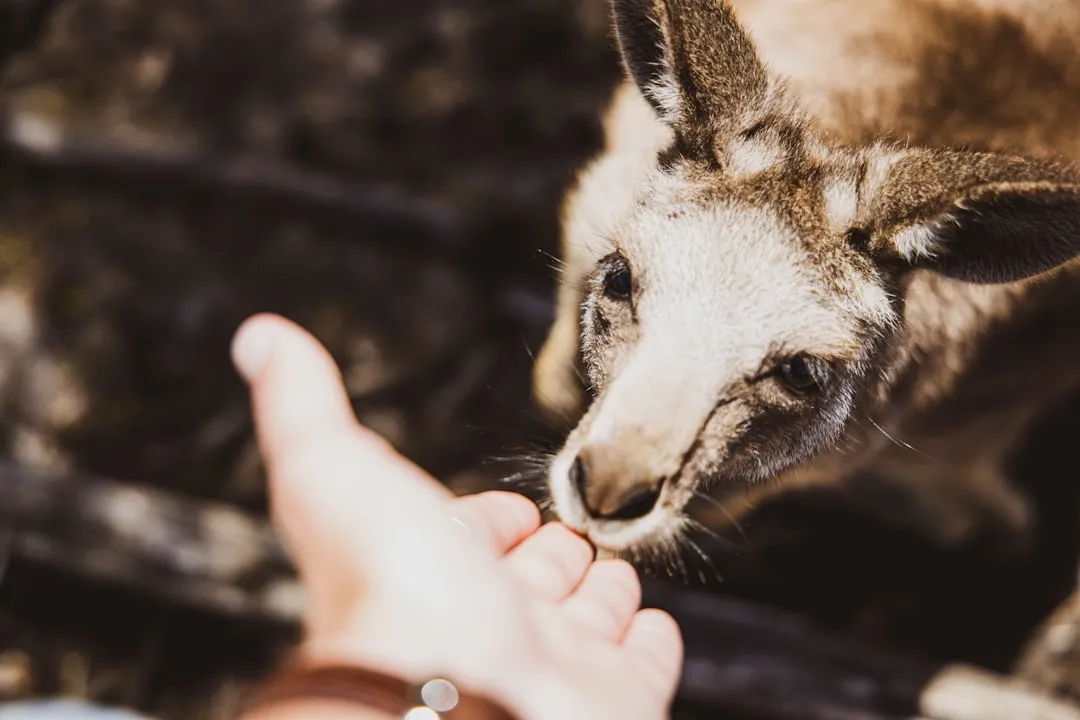
If you suspect a wild animal needs help, contact your nearest wildlife rehabilitation center for instructions. Acting on instinct and trying to handle a wild animal yourself can make things significantly worse, both for you and the animal.
To safely help a wild animal experiencing heat stress, wrap them loosely in a towel, place them in a cardboard box, and offer water to drink. Spraying with a fine mist of water can also help to cool the animal down. Do this only while waiting for professional guidance, not as a substitute for it.
If you come across a wild animal that appears weak, confused, or hurt, particularly during a heatwave, it’s best to reach out to a licensed wildlife rehabilitator for advice. Do not approach or handle wildlife, as heat stress can cause unpredictable behavior, and they may require specialized care to recover safely.
Build a Heat-Resilient Backyard Habitat for the Long Term
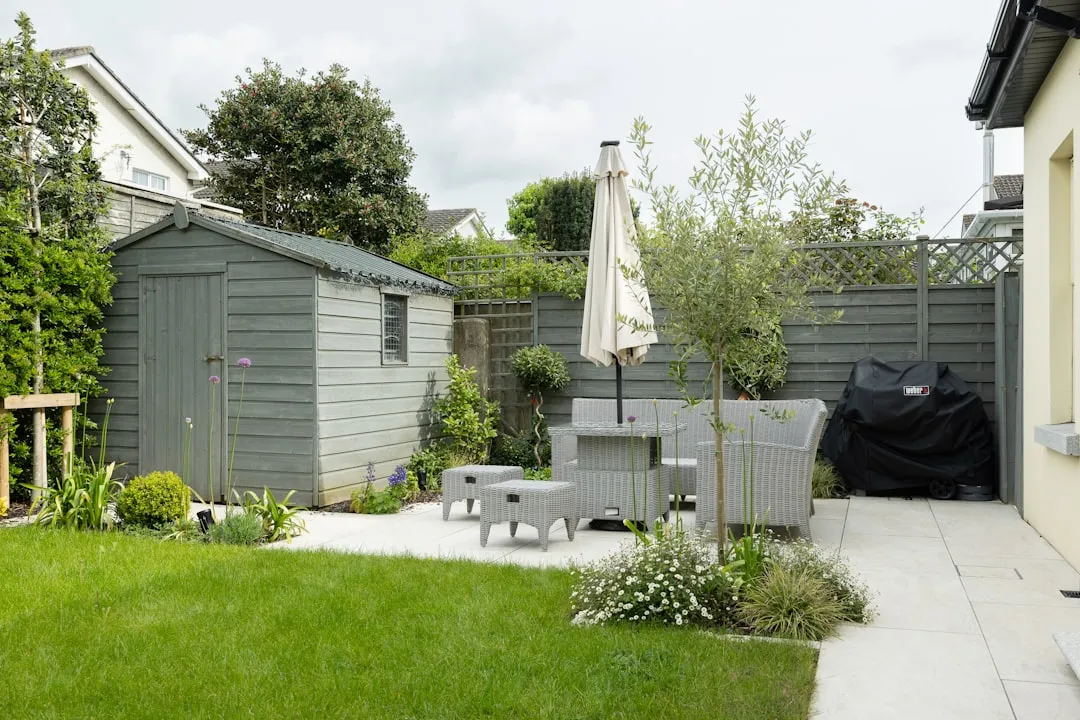
Providing habitat for wildlife can help ensure their survival in a world that is becoming increasingly hotter. What you plant, what you leave alone, and how you manage your outdoor space in the coming years will have a cumulative effect far beyond any single summer.
Include shade and shelter throughout your yard: leafy plants, rock piles, partially buried garden pots. These are good sources of protection from both intense sunlight and predators. Combine several of these elements and you’ve built something genuinely useful for local wildlife year after year.
Backyard actions add up. Shading, mulching, and increasing canopy cover all cool your microclimate. When we look after our gardens and wildlife during heatwaves, we’re doing more than surviving summer. We’re building climate resilience right where we live.
The reality is that the wildlife outside your door doesn’t have a plan B. It can’t book a cooler climate or find an air-conditioned room. What it does have, increasingly, is the patch of land you manage. A shallow bowl of clean water, a patch of shade left to grow, a birdbath kept clean through August: none of these things are dramatic. Together, they quietly hold the line.
AI Disclaimer: This article was created with the assistance of AI tools and reviewed by a human editor.