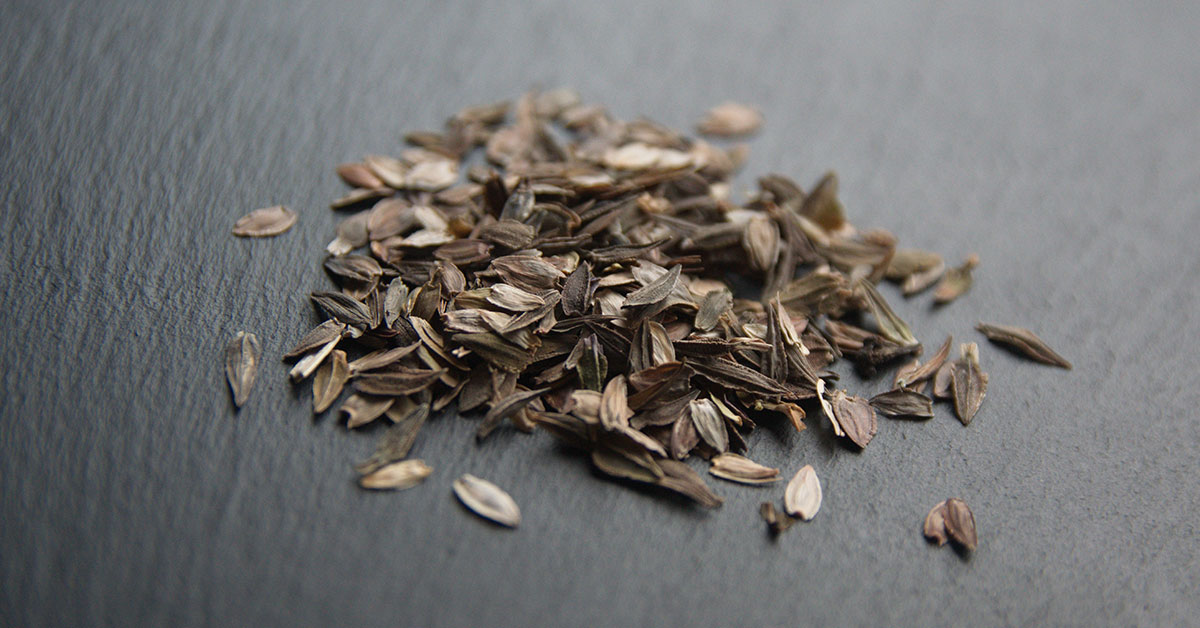

If you want to save money on your garden, storing and saving zinnia seeds is an amazing method of doing this. Not only is it a more cost-effective way to get the flowers you enjoy, but it’s also an easy and rewarding process that any gardener can do. We’ll discuss the steps you need to take to save and store them properly. So that they’ll stay viable for the next season for you to grow. We’ll also cover some of the common mistakes to avoid and tips for getting the most out of your saved zinnia seeds.
Why Saving And Storing Seeds Is Important
Saving and storing zinnia seeds is important for a variety of reasons. For starters, it allows gardeners to save money and have a continuous supply to use year after year. Additionally, it helps preserve heirloom varieties of zinnia that may otherwise be lost. These heirloom varieties are often rare and may not be available through seed catalogs or nurseries. Furthermore, saving and storing zinnia seeds can help gardeners easily pass on their favorite varieties to friends and family. Lastly, saving and storing zinnia seeds helps ensure that the plants are adapted to the local climate and soil. This will allow for better yields and healthier plants.
Zinnias are a popular garden flower for many reasons. They are easy to grow, require little maintenance, and come in a variety of beautiful colors. Plus, they attract beneficial insects such as butterflies, bees, and ladybugs. Zinnias also bloom from spring until frost, so they provide a long-lasting display of color in the garden. Furthermore, they are relatively disease and pest-resistant, making them an ideal choice for gardeners looking for a hassle-free flower. Zinnias can be used as cut flowers and make a great addition to any bouquet. All in all, zinnias are a great flower for anyone looking for a vibrant addition to their garden.
How To Save And Store Zinnia Seeds
To save zinnia seeds, wait until the heads of the flowers are dried out and then cut them off of the stem. Place the heads in a paper bag and let them sit in a dry location for a few weeks to allow the seeds to fully dry out. Once they are dry, they can be removed from the flower heads and stored in an airtight container. Be sure to label the container with the date and the type of seed. Store the container in a cool, dry place to ensure the seeds remain viable until the desired planting time.
When To Plant Your Zinnia Seeds
Zinnia seeds are best planted in the spring and early summer months. Planting the seeds in early spring will allow the plants to develop strong root systems before the summer heat sets in. Ideally, the soil temperature should be at least 70 degrees and the air temperature should be consistently warm. Planting zinnias in mid to late summer will result in a shorter growing season and limited blooms. Additionally, when planting zinnia seeds, be sure to water them thoroughly and keep them well-watered during their growing season. Mulching around the plants can help retain moisture and keep weeds away. With their bright and vibrant colors, zinnias make a beautiful addition to any garden, and planting them at the best time will ensure they thrive.
Storing zinnia seeds properly is important for getting the best results when it comes to germination and growth. Common mistakes when storing zinnia seeds include storing them in a damp environment, storing them in extreme temperatures, and storing them in direct sunlight. Additionally, storing zinnia seeds in an airtight container with desiccant packs can help protect them from moisture. Including extreme temperatures, and as well as light. Lastly, it’s important to label each container with the seed variety, date of storage, and expected germination time. This will help to ensure proper care and tracking of your zinnia seeds.