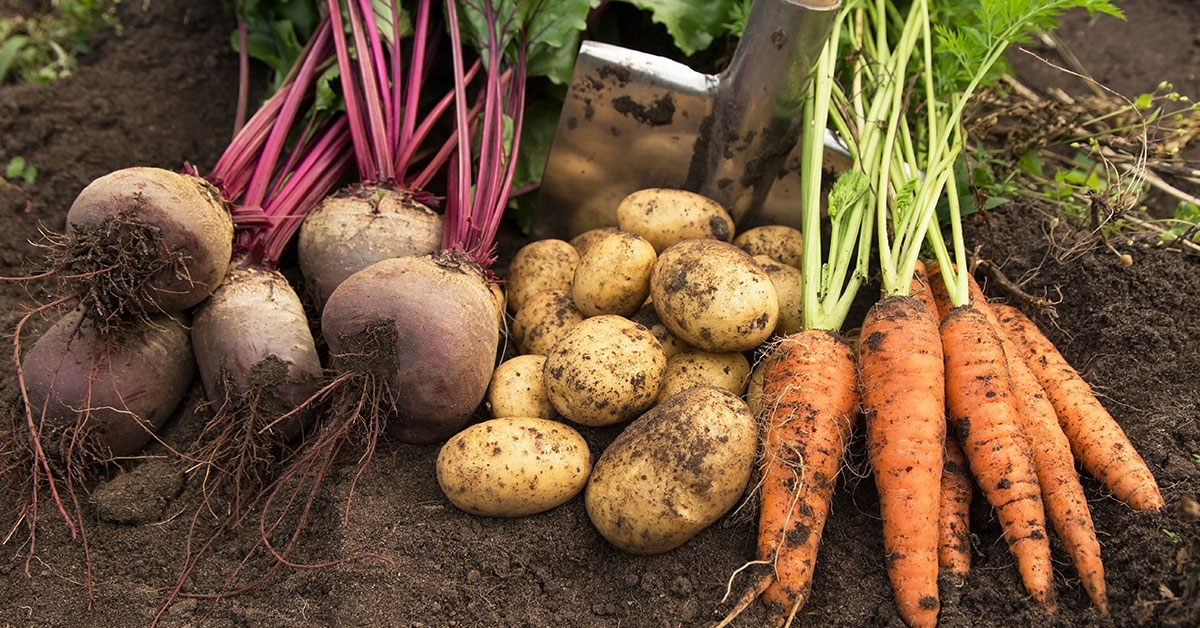

September is one of the most rewarding times to be in the garden. The beds are overflowing with produce you’ve been tending all season, and it’s finally time to bring in the bounty. But harvesting late summer crops isn’t just about picking them—it’s about knowing exactly when and how to gather each one so you get the best flavor, longest storage life, and maximum nutrition. Done right, you can stretch your harvest well into the colder months, letting your summer garden feed you long after the leaves start to turn.
I know the bittersweet mix of excitement and urgency that September brings. You’ve worked hard to nurture these plants, and now you want to make the most of every tomato, squash, bean, and pepper before frost has its say. Some crops need gentle handling to avoid damage, others benefit from curing before storage, and a few taste even better after a slight chill in the air. Let’s dig into the strategies that will help you harvest and store your late summer produce like a pro.
Harvesting Tomatoes at Peak Ripeness

Tomatoes, native to western South America, are at their best when picked just as they reach full color and give slightly to the touch. In September, cooler nights can slow ripening, so if frost threatens, gather any mature green fruit and let them finish indoors on a sunny windowsill. This prevents losses to cracking, pests, or sudden cold snaps.
Tomatoes aren’t invasive, though they can self-seed if fruit drops and decomposes. For storage, fully ripe tomatoes keep best at room temperature for up to a week. If you need to keep them longer, consider slow-roasting or canning to lock in that late-summer flavor.
Gathering Peppers Before Cold Nights
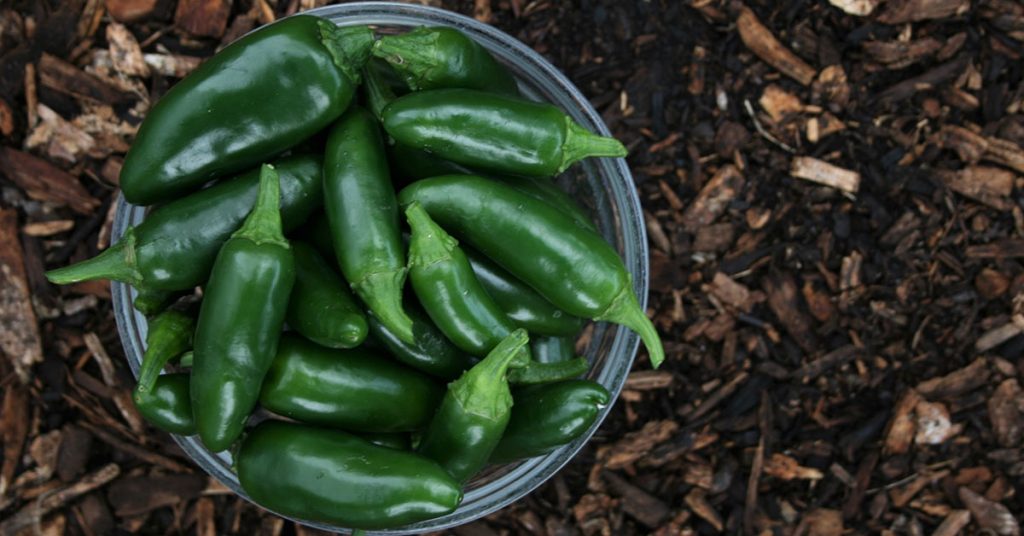
Peppers, native to Central and South America, should be harvested with a sharp pair of scissors or pruners to avoid breaking branches. In September, the plant will keep producing if you regularly pick mature fruit, whether they’re still green or have turned their full ripe color. If frost is coming, harvest everything—even small, immature peppers.
Peppers are perennial in frost-free climates, but in most gardens, they’re grown as annuals. Store them unwashed in the fridge’s crisper drawer for up to two weeks. For longer keeping, you can freeze slices or dry thin-walled varieties like cayenne for later use.
Lifting and Curing Onions
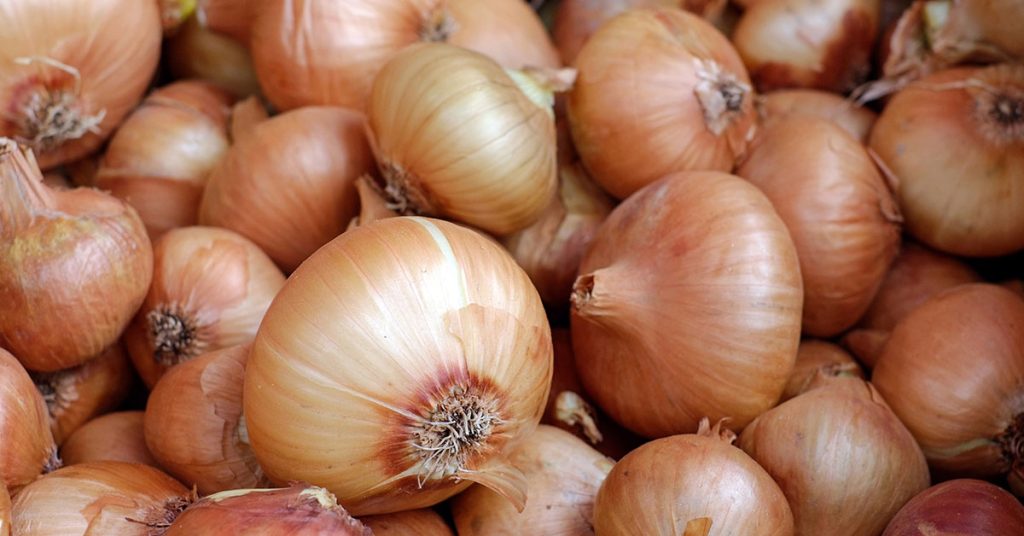
Onions, originating from Central Asia, are ready to harvest when their tops have yellowed and fallen over. In September, lift them carefully with a fork to avoid bruising, then cure them by laying them out in a dry, well-ventilated spot for two to three weeks. This step toughens their skins and extends storage life.
They’re not invasive, though they will reseed if allowed to flower. Once cured, store onions in mesh bags or braided bundles in a cool, dry location. Properly cured onions can last well into spring, making them one of the best crops for winter kitchens.
Picking Beans While Tender
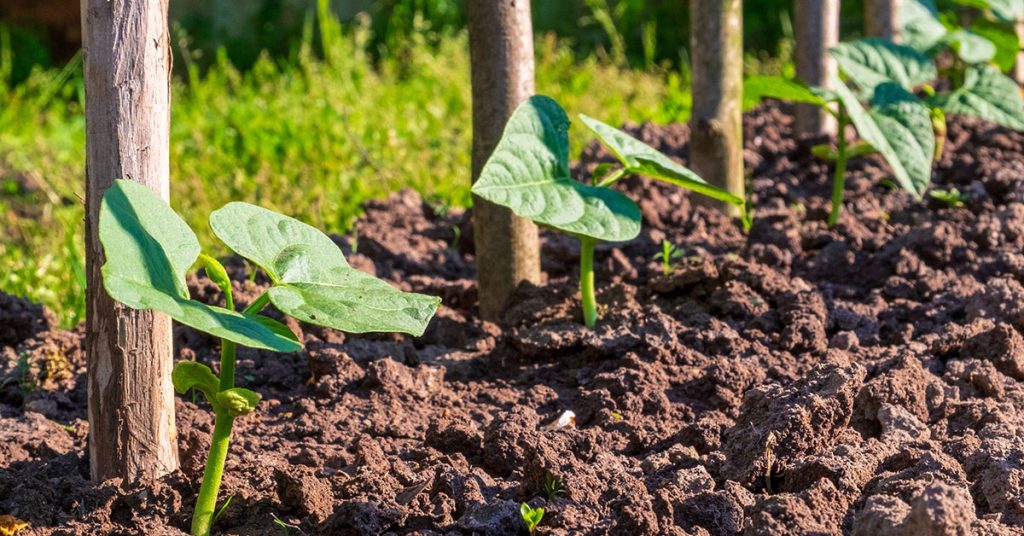
Beans, native to Central and South America, taste best when pods are firm but seeds inside are still small. In September, keep harvesting every few days to encourage continued production before frost. Waiting too long can result in tough, stringy pods.
Beans aren’t invasive, but dropped seeds can sprout the following year. For short-term storage, refrigerate fresh beans in a perforated bag for up to a week. To enjoy them through winter, blanch and freeze or dry shelling beans completely before storing in airtight containers.
Gathering Cucumbers Before They Overripen
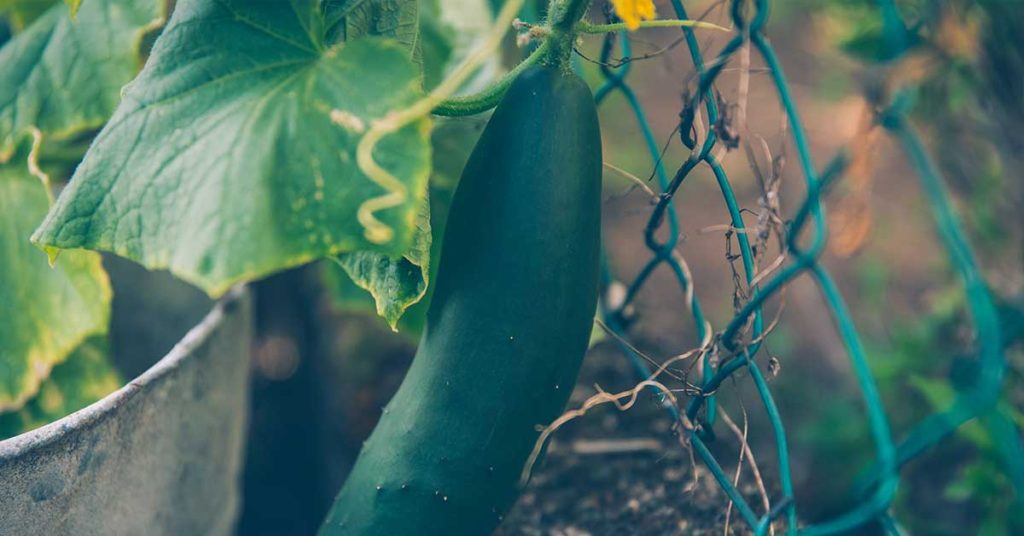
Cucumbers, native to South Asia, can go from perfect to overripe in just a couple of days in September’s warmth. Harvest them when they’re firm, evenly colored, and about the expected size for the variety. Picking often encourages plants to produce more before the season ends.
They’re not invasive, but left on the ground to rot, cucumbers can reseed. Store fresh cucumbers in the fridge for up to 10 days, or pickle them for long-term enjoyment—one of my favorite ways to preserve a taste of summer.
Pulling Carrots for Fresh or Stored Use

Carrots, native to Persia, are ready when their shoulders peek above the soil and match the size you expect. In September, the cool nights actually sweeten their flavor, making them a delight to harvest. Loosen the soil before pulling to avoid breaking roots.
Carrots aren’t invasive, though wild carrot (Queen Anne’s lace) can be aggressive. For storage, remove tops and keep roots in damp sand or sawdust in a cool, dark place. They can last for months this way, retaining both flavor and crunch.
Snipping Fresh Herbs for Drying
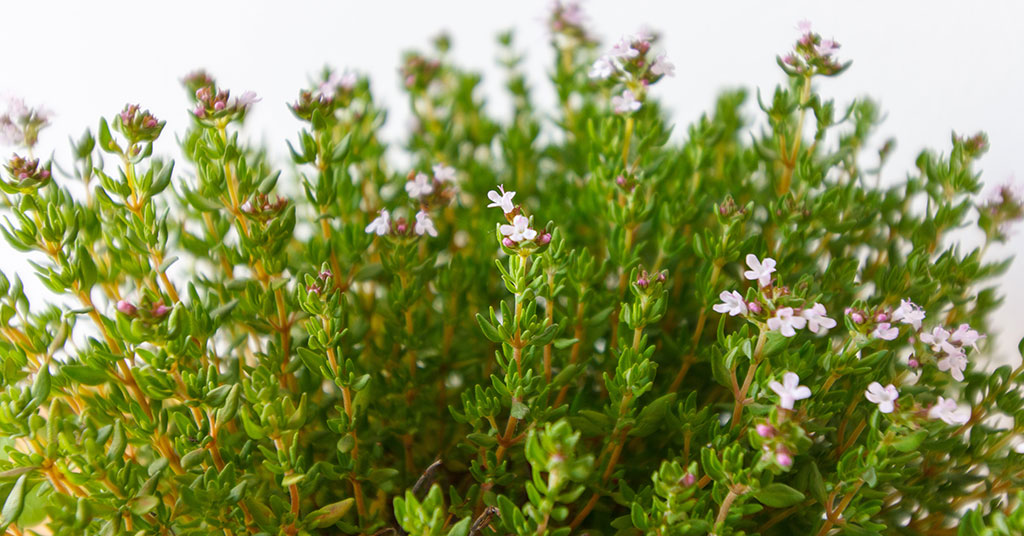
Many herbs—like basil, oregano, and thyme—are at their most flavorful before flowering. In September, harvest them in the morning after dew has dried for peak oil content. Tie small bundles and hang them upside down in a dry, airy place to preserve their flavor.
Most culinary herbs aren’t invasive, though mint and lemon balm can spread aggressively if not contained. Once dried, store herbs in airtight containers away from light, and they’ll keep their aroma for months.
Picking Zucchini Before They Get Too Large
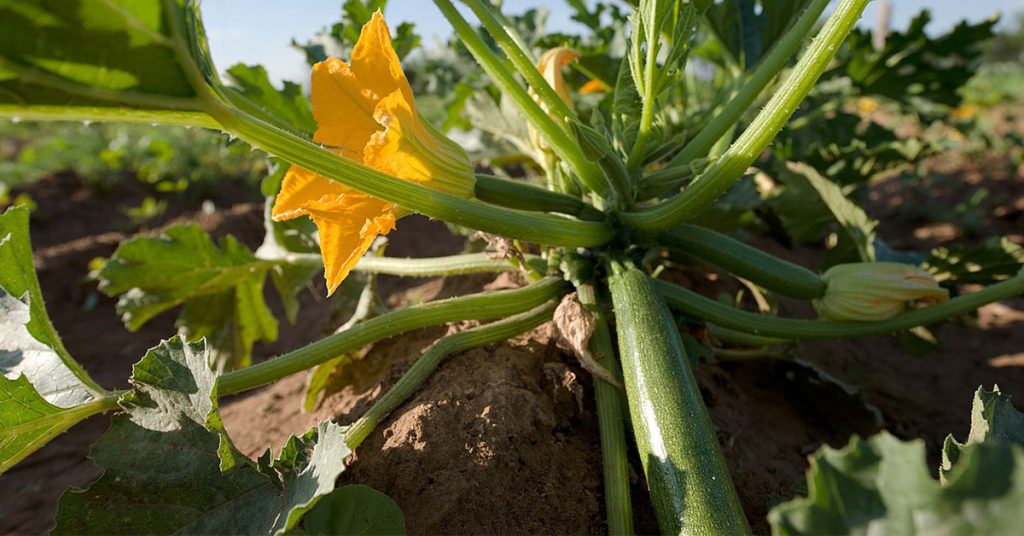
Zucchini, a type of summer squash native to the Americas, should be harvested when 6–8 inches long for the best flavor and texture. In September, leaving fruit too long can slow the plant’s production, so pick often to encourage more.
They’re not invasive, though seeds from overripe squash can sprout next season. Store fresh zucchini in the fridge for up to a week, or shred and freeze for winter baking and soups.
Lifting Potatoes and Letting Them Cure
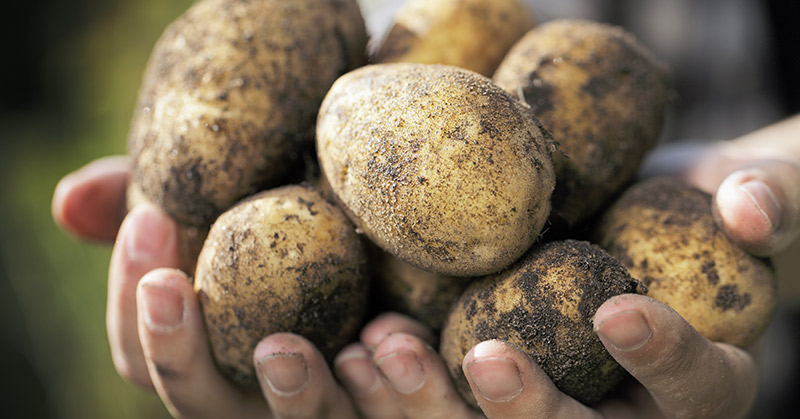
Potatoes, native to the Andes Mountains, are ready for harvest once the plants’ foliage has died back. In September, dig them on a dry day to reduce rot risk, then cure them in a dark, airy spot for about two weeks to toughen the skins.
Potatoes aren’t invasive, but missed tubers can sprout next year. Store cured potatoes in a cool, dark place—never in the fridge—to preserve texture and flavor for months.
Collecting Winter Squash Before Frost
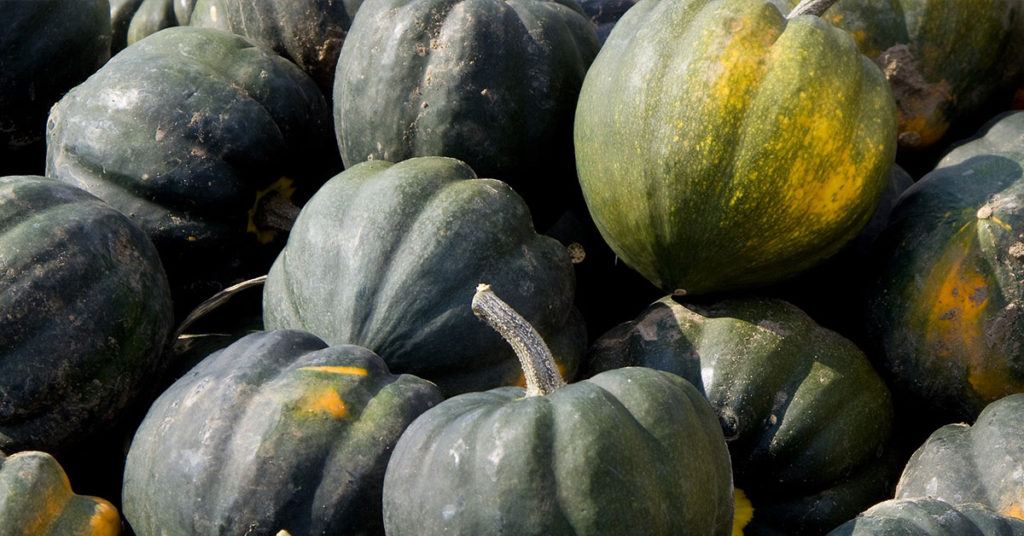
Winter squash, native to the Americas, should be harvested when the skin is hard enough to resist puncture with a fingernail. In September, pick them before frost and leave a short stem attached to extend shelf life.
They’re not invasive, though they can reseed from compost piles. Cure squash in a warm, dry spot for about 10 days, then store in a cool, dark place. Some varieties keep for up to six months.
Harvesting Sweet Corn at Peak Milk Stage
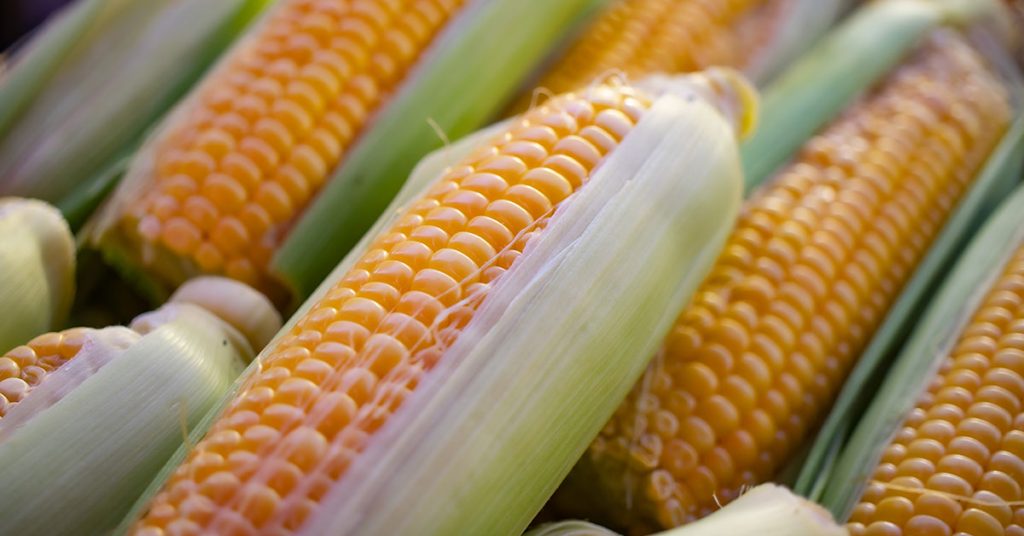
Sweet corn, native to the Americas, is ready when kernels are plump and release a milky liquid when pierced. In September, check ears frequently, as they can pass peak ripeness quickly. Harvest in the morning and refrigerate immediately to preserve sweetness.
Corn isn’t invasive, though leftover kernels can sprout the following year. For long-term storage, blanch and freeze the kernels or preserve them as creamed corn for winter meals.
Gathering Peas for a Sweet Autumn Treat
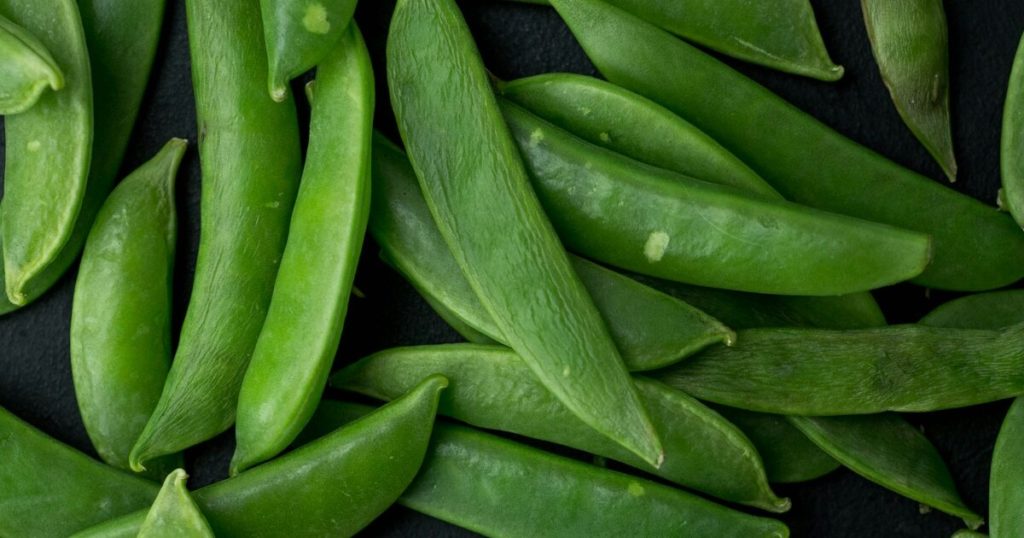
Peas, native to the Mediterranean region, thrive in cool weather and can produce a small fall crop if planted in late summer. In September, harvest pods when they’re plump but before they become starchy.
They’re not invasive, though dropped seeds can sprout in spring. Store fresh peas in the fridge for up to a week, or blanch and freeze to enjoy their sweetness through winter.