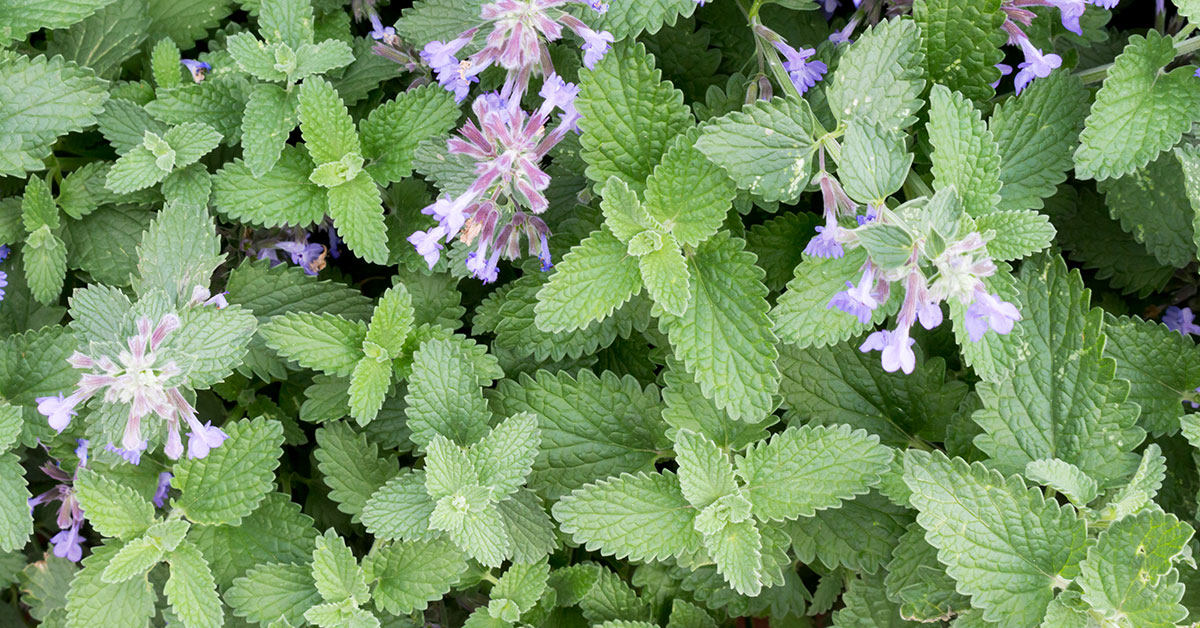

Gardeners and cat lovers alike choose to grow catnip because it has a strong, aromatic odor that cats find attractive. It also contains a chemical compound called nepetalactone, which is a natural stimulant that cats find irresistible. Cats can become quite playful and active when they sniff or ingest catnip, making it a fun and harmless way to entertain cats. It’s incredibly easy to grow catnip from seed. All you need is soil, seeds, pots, and a little bit of time.
When to start catnip seeds indoors
Catnip seeds should be started indoors 6 weeks before the final date of frost if you intend to plant them outdoors. This will give the seeds plenty of time to germinate and get a good start before being transplanted into the garden after the danger of frost has passed.
Catnip can be sown directly into the garden once all danger of frost has passed and soil temperatures have reached 60 degrees Fahrenheit, but starting them indoors will give them a better chance of survival and a quicker harvest.
How to grow catnip from seed
Starting catnip from seed is an easy and fun way to grow your own supply of this fragrant herb. To get the best results, it is important to start the seeds indoors 6 weeks before the final frost of the season.
To begin, select a sunny spot in your home or in an area with plenty of natural light. Fill a small pot with potting soil and moisten the soil until it is damp. Sow the catnip seeds about 1/4 inch deep into the soil. Cover the seeds lightly with the soil. Water the soil until it is damp, and then place the pot in a warm, sunny spot.
Water the soil as needed, and make sure to keep it moist. Catnip seeds will germinate in about 5-10 days. Once the seedlings have reached about 2 inches tall, thin them out if necessary.
Once the final frost of the season has passed, you can transplant the seedlings into your garden. Make sure to choose a spot with full sun and well-draining soil. Plant the seedlings about 12 inches apart and water them well.
With the proper care and maintenance, your catnip plants should thrive and provide you with a plentiful supply of fresh catnip. Your cat will surely enjoy it!
Transplanting catnip outdoors
Transplanting catnip outdoors is a simple process, but one with a few steps that you must follow to ensure a successful transplanting.
Before transplanting catnip outdoors, it is important to observe a hardening-off period. This means gradually exposing the plants to increasing amounts of sun and wind while decreasing the amount of water they are receiving. This process should take place over a period of 1-2 weeks.
Once the hardening-off period is complete, it is important to check the soil temperature. Catnip should not be transplanted outdoors until the soil temperature has reached a minimum of 60 degrees Fahrenheit. This temperature is typically reached between early May and early June in most climates.
When the soil temperature is at least 60 degrees, the process of transplanting catnip can begin. Dig a hole that is twice the size of the catnip’s root ball. Loosen the soil in the hole and place the catnip in the hole.
Gently firm the soil around the roots and water the plant thoroughly to ensure the roots make good contact with the soil. Once the catnip is transplanted outdoors, ensure it is receiving full sun and water regularly.
With proper care, the catnip should quickly establish itself in the new location and provide a fragrant addition to your garden. Catnip can be harvested after it flowers.